

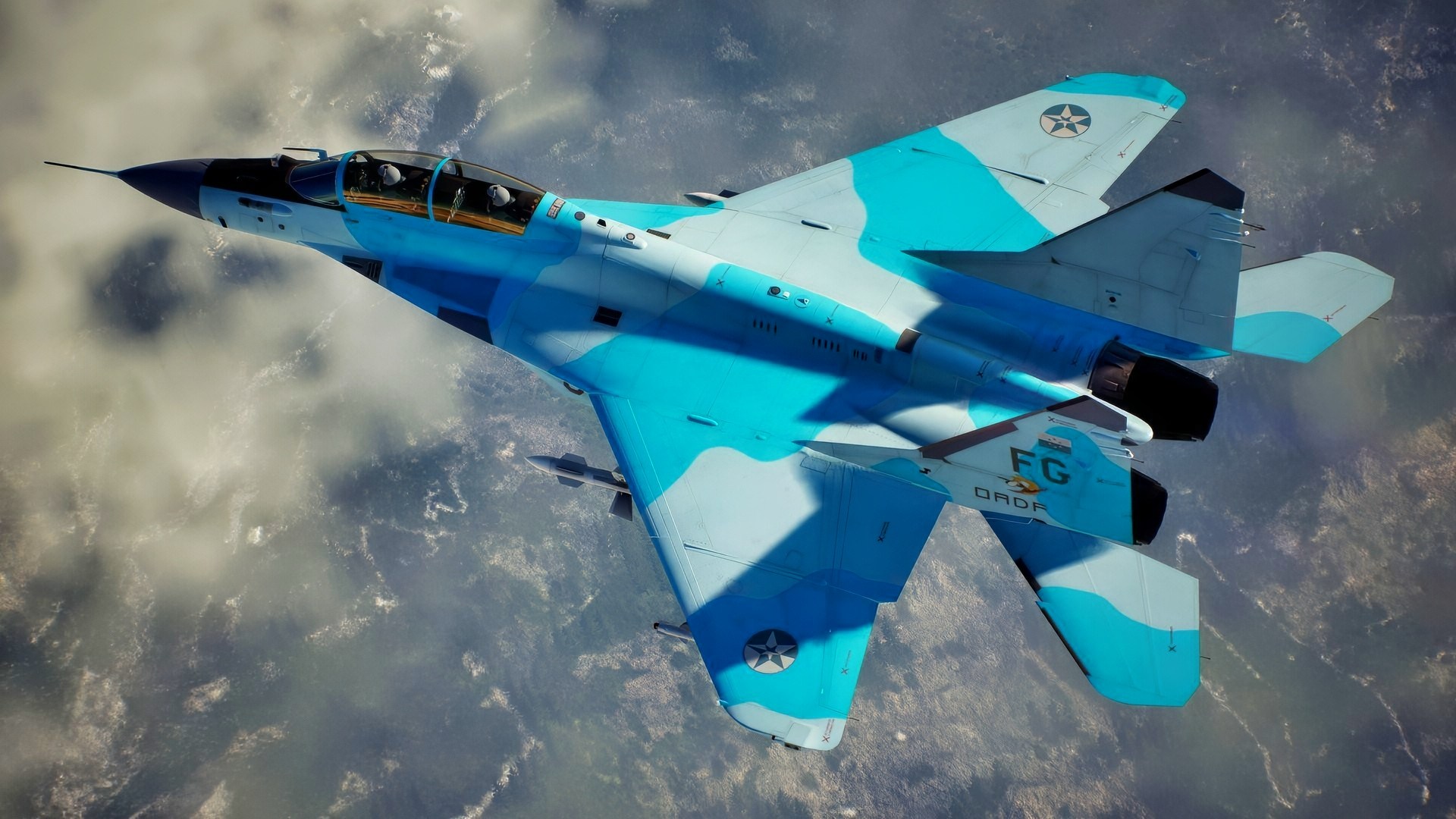
Summary and Key Points: The Mikoyan MiG-35, an evolution of the legendary MiG-29, was designed as a high-performance 4.5-generation fighter to bridge the gap toward stealth platforms like the Su-57.
-Featuring a powerful AESA radar and advanced electronic warfare suites, the jet aimed for high maneuverability and modern avionics.

MiG-35 Creative Commons Image.
-However, the ongoing land-centric war in Ukraine has prioritized ground forces and long-range missile platforms, leaving the MiG-35 with no clear role in the domestic fleet.
-Coupled with severe industrial manpower shortages and broken supply chains, the aircraft’s future likely rests on the export market rather than the front lines.
Production Crisis: Why Russia’s MiG-35 Stealth Hybrid Is Failing to Launch
Russia’s MiG-35 is an effort to update and modernize Russia’s fighter fleet, and uses the MiG-29 as a starting point.
Originally envisioned as a highly maneuverable, lightweight fighter with upgraded weapons and modern avionics, the MiG-35 could be seen as a kind of bridge between older fourth-generation fighters and Russia’s more modern fifth-generation Su-57 aircraft.
But interest in the fighter has seemingly been lukewarm, and Russia has built very few aircraft, thanks in part to its prosecution of the ongoing war in Ukraine, a land-centric conflict, leaving open questions about the fighter’s future.
MiG-29 and the Origin for MiG-35
The MiG-35 is, in essence, an evolution of the MiG-29, its direct predecessor.
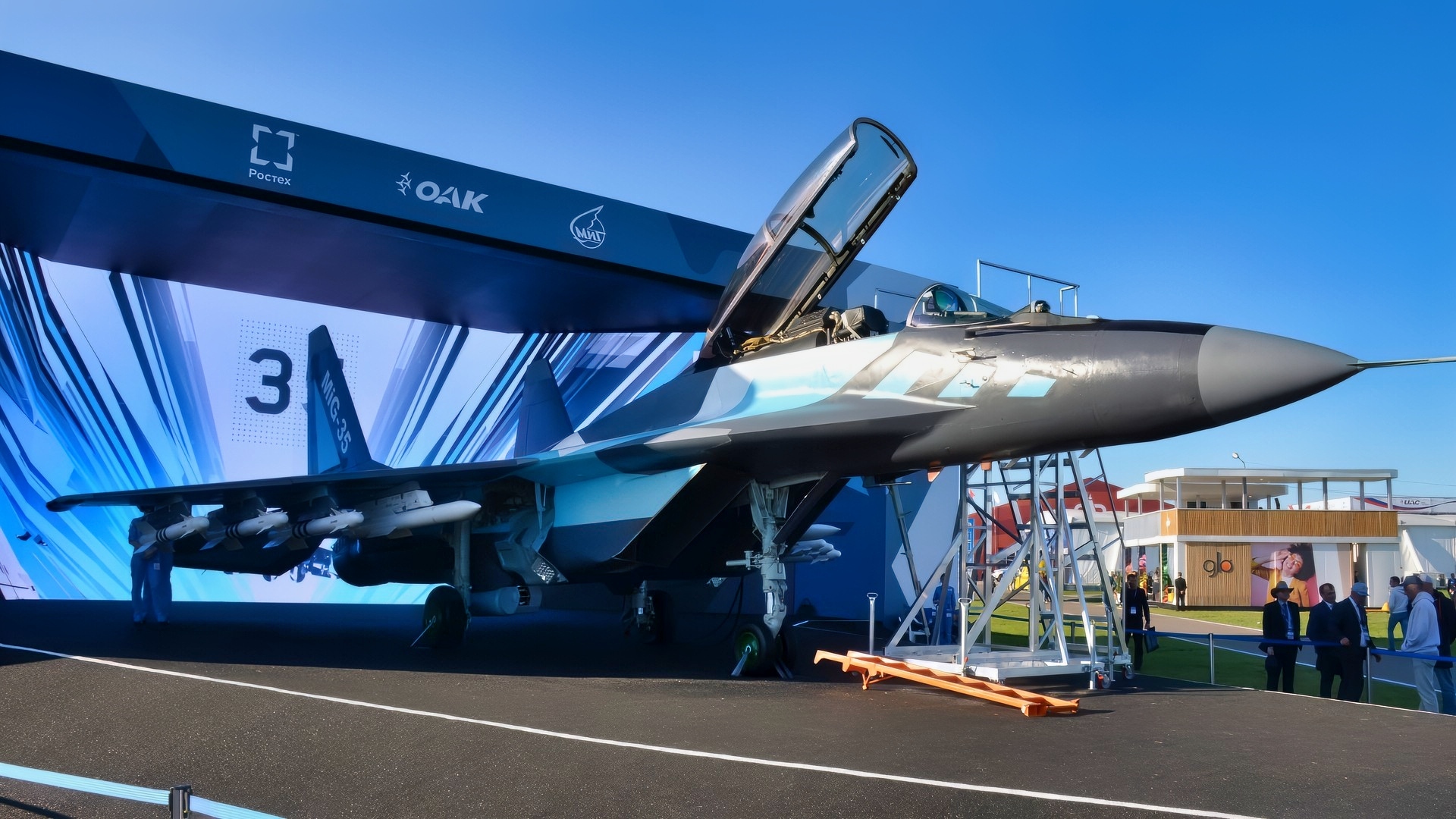
MiG-35 Fighter from Russia. Image Credit: Creative Commons.
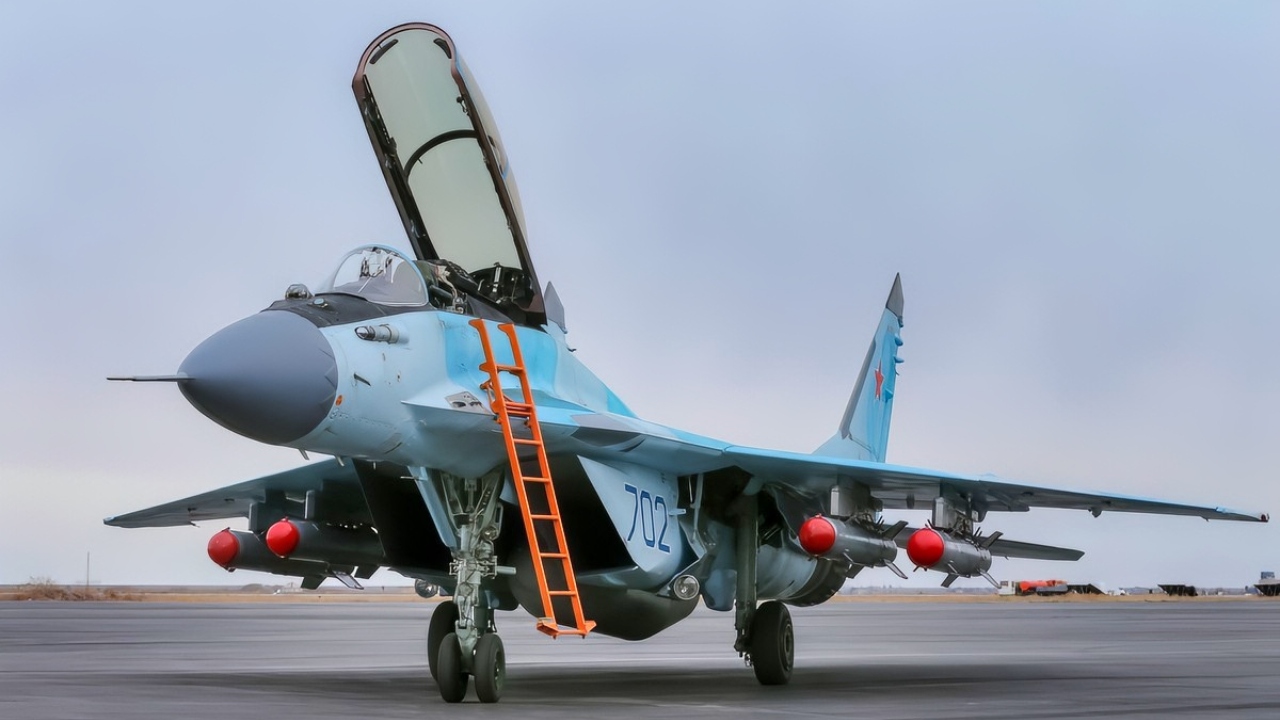
MiG-35 On the Runway. Image Credit: Creative Commons.
That aircraft was lauded domestically for its great agility and its relatively low lifetime cost. But the MiG-35 features a more powerful radar than its predecessor, along with optimized electronic warfare capabilities. Of note is the MiG-35’s advanced active electronically scanned array (AESA) radar, which enhances target tracking range and extends engagement distance.
But despite these and other qualities, the MiG-35 is not a fifth-generation aircraft.
Rather than focusing on signature reduction, the MiG-35 is an incrementally upgraded aircraft comparable to its predecessor in terms of survivability.
War in Ukraine
As the war in Ukraine approaches its fifth year, the prospects for a renewed push to resume MiG-35 production seem unlikely.
That conflict has been defined by long, grinding land campaigns that churn through men and materiel with breakneck speed.
And while there have been limited roles for Russian combat aircraft, they have played a niche role, very different from head-to-head combat with other aircraft.
The front in Ukraine is among the world’s most heavily defended areas today, with robust anti-aircraft defenses on both sides of the line.
As Russia has been unable to control the skies above Ukraine, Moscow has used its aircraft not against other Ukrainian aircraft, but as missile-toting mobile platforms and leveraged them as vehicles with which to launch ballistic missiles at targets around the country.
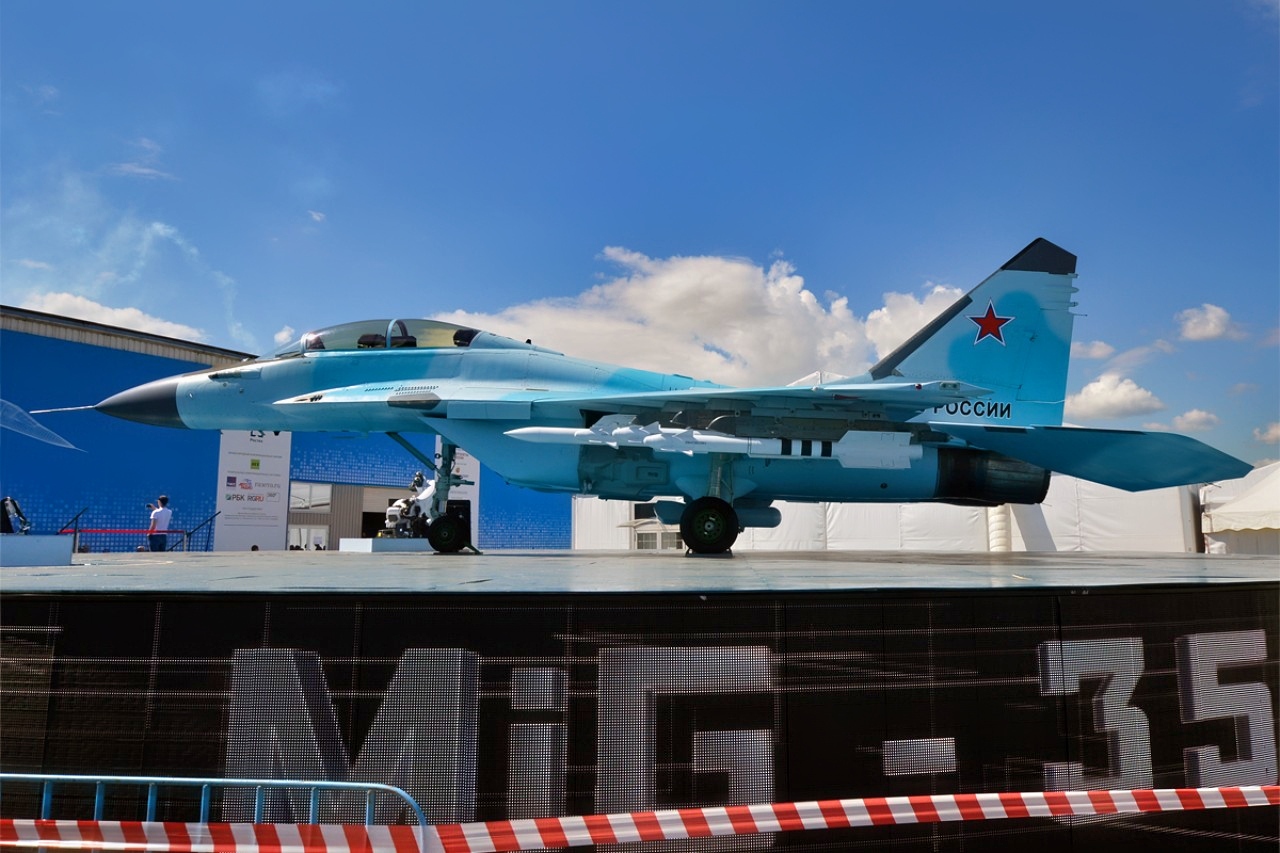
MiG-35. Image Credit: Creative Commons.
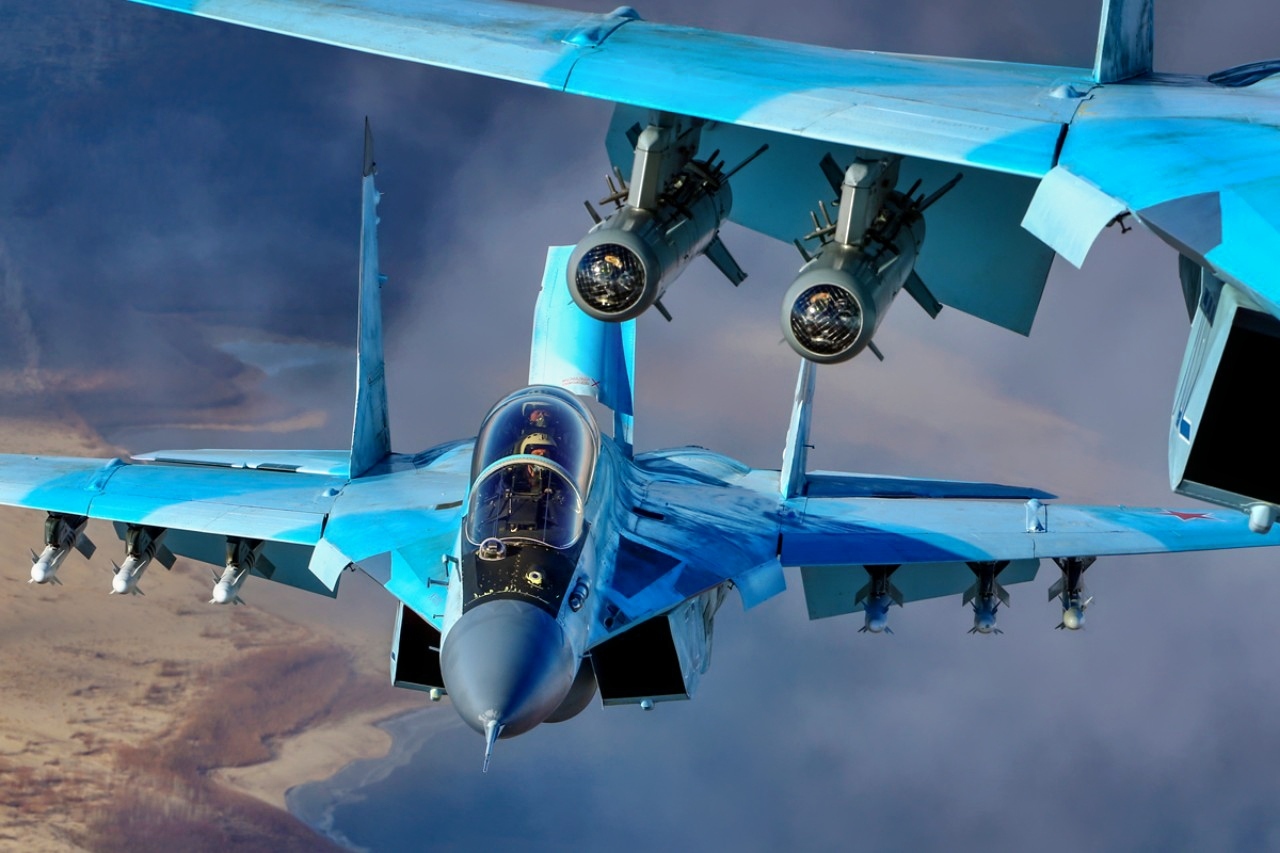
MiG-35 Fighters from Russia. Image Credit: Creative Commons.
Mass Production Problems
Given the MiG-35’s superior qualities over legacy aircraft and similarity to other Russian aircraft, the jet faces stiff headwinds that may be strong enough to prevent it from taking off.
Speaking to Breaking Defense, a website, one former Mikoyan engineer explained that despite the jet’s positive qualities on paper, it faces acute production problems. “What are the real possibilities?” the engineer asked. “The production plants have not had to engage in production of large numbers of MiG aircraft for decades. Do they still know how to do this?”
“One also must remember that Russia is currently in a position where the defense plants are suffering major manpower shortages. Where will the MiG factory find enough people with the level of experience required to start building these aircraft in large numbers,” he added. “Then there are the supply chains for production of these aircraft, many of which do not exist and others of which have not built components for the MiG for years because there have not been any sizeable orders.”
Long-term Outlook for This Fighter Looks Pretty Bad
In the long term, the MiG-35 could find success abroad in the export market, particularly as a cost-effective multi-role fighter for air forces that do not build their own aircraft and do not anticipate aerial combat against more advanced fifth-generation aircraft.
For these kinds of secondary air forces, the MiG-35 could play a role in air policing or maritime strike roles — if produced in significant numbers. But the MiG-35 is unlikely to play a larger role in Russia. Newer, next-generation platforms like the Su-57 will likely take precedence.
And considering the growing crop of fifth and sixth-generation aircraft in service with or in development by the United States and several of the European countries, the continued utility of fourth or fourth-generation-plus aircraft is questionable, particularly for a country like Russia, which sees the United States — one of the world’s leading aerospace powers — as its foremost adversary.
It should be acknowledged that other aircraft have enjoyed recent success on the export market. Though previously reported, Algeria’s interest in Russia’s Su-57 became a reality, as evidenced by a recent video of a Su-57 shot by an Algerian potato farmer from his field.

Su-57 Felon Fighter from Russia

Su-57 Felon Fighter Ready for Action. Image Credit: Creative Commons.
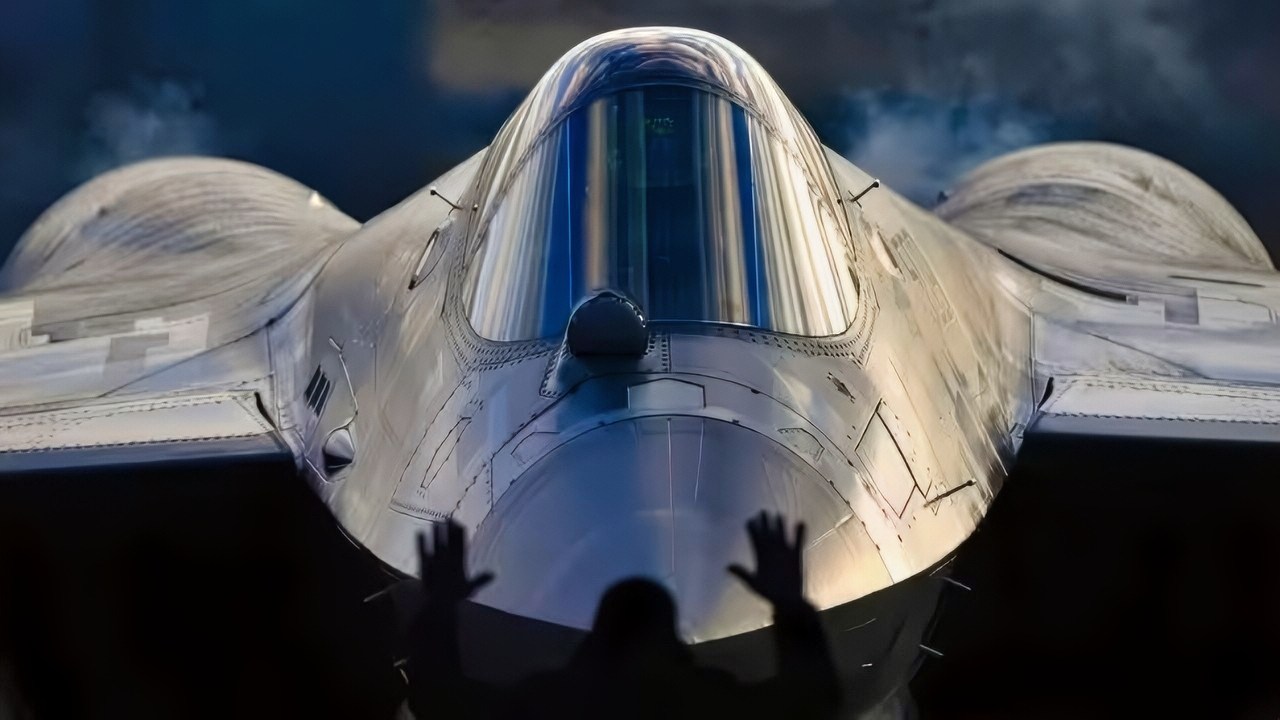
Su-57 Felon Fighter. Image Credit: X Screenshot.
Though perhaps too early to make a definitive statement about the future of the MiG-35, it is clear that for Algeria at least, the opportunity to have a notionally fifth-generation fighter in service was too great a temptation to pass up — despite questions about just how stealthy that fighter actually is, if at all.
In short, the future of the MiG-35 is not that of a leading frontline fighter. Instead, it has been—and may continue to be — a platform intended to integrate certain capabilities, but constrained by limited production, perhaps with an eye now on the export market rather than on domestic markets in Russia, where heavier aircraft and more advanced platforms would play a greater role.
About the Author: Caleb Larson
Caleb Larson is an American multiformat journalist based in Berlin, Germany. His work covers the intersection of conflict and society, focusing on American foreign policy and European security. He has reported from Germany, Russia, and the United States. Most recently, he covered the war in Ukraine, reporting extensively on the war’s shifting battle lines from Donbas and writing on the war’s civilian and humanitarian toll. Previously, he worked as a Defense Reporter for POLITICO Europe. You can follow his latest work on X.


