

On July 4, 1974, the CIA dropped a giant mechanical claw nicknamed “Clementine” three miles to the floor of the Pacific Ocean to lift the wreckage of the Soviet ballistic missile submarine K-129 — a $800 million operation, roughly $4 billion in today’s dollars, disguised as a deep-sea manganese-mining venture funded by Howard Hughes. Project Azorian was the most expensive intelligence operation ever attempted at the time. The claw snapped mid-lift and two-thirds of the submarine fell back to the seabed; the CIA recovered the forward 38 feet of hull, two nuclear torpedoes, and the remains of six Soviet sailors, but lost the missile compartment, ballistic missiles, and codebooks the operation was designed to capture.
K-129: The CIA Goes Fishing for a Soviet Submarine

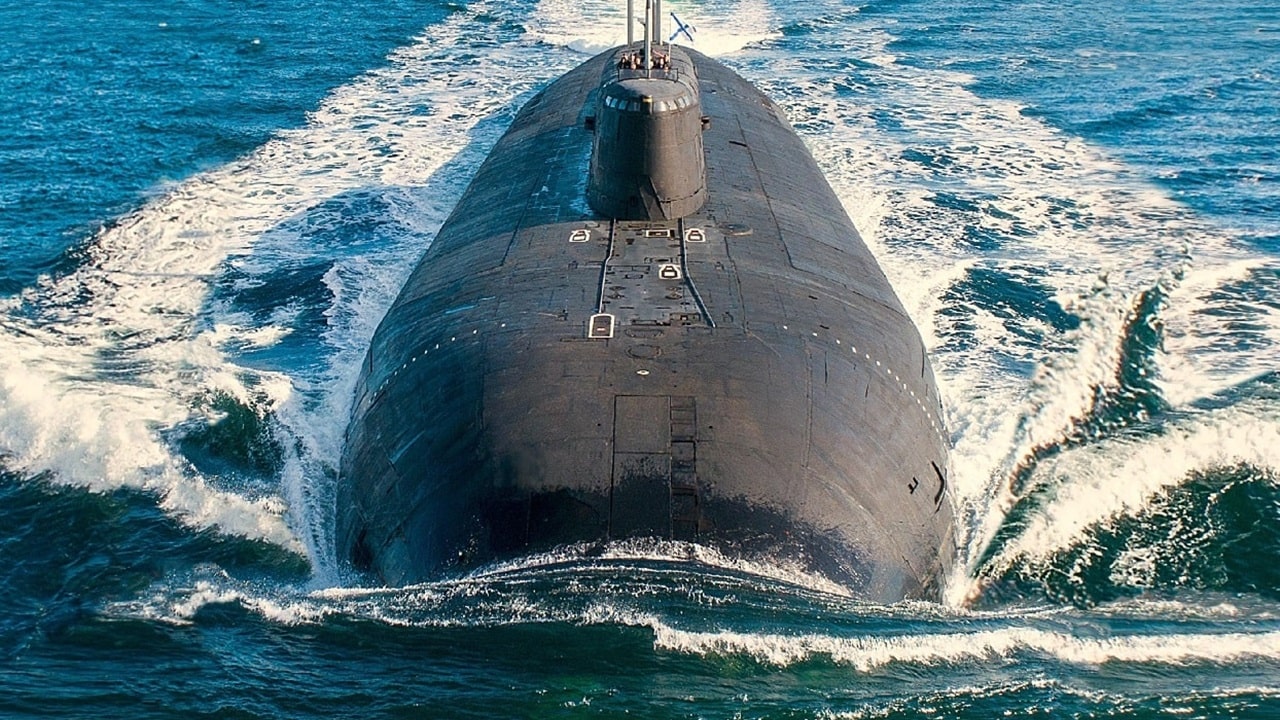
Papa-Class Submarine Creative Commons Image
Project Azorian was a CIA operation, launched in 1974, to recover the Soviet submarine K-129 from a depth of 16,500 feet (3 miles). The project was uniquely ambitious—and expensive—costing $800 million ($4B in 2026 dollars).
Indeed, Azorian may have been one of the most ambitious intelligence operations ever attempted, as the CIA attempted to lift a nuclear-armed submarine off the ocean floor.
Why So Important?
K-129 clearly mattered to the CIA—so much so that $800 million was invested in the submarine’s recovery. Why? K-129 was a Soviet ballistic missile submarine loaded with nuclear weapons, cryptographic systems, and naval technology.
The strategic value in recovering this submarine was immense.
This was also at the peak of the Cold War, when US-Soviet competition was intense.
The US was desperate for insights into Soviet nuclear capability, willing to go to the bottom of the ocean for intelligence on missile design, communications tech, or submarine details. Recovering K-129 potentially meant unlocking a host of Soviet nuclear secrets and more.
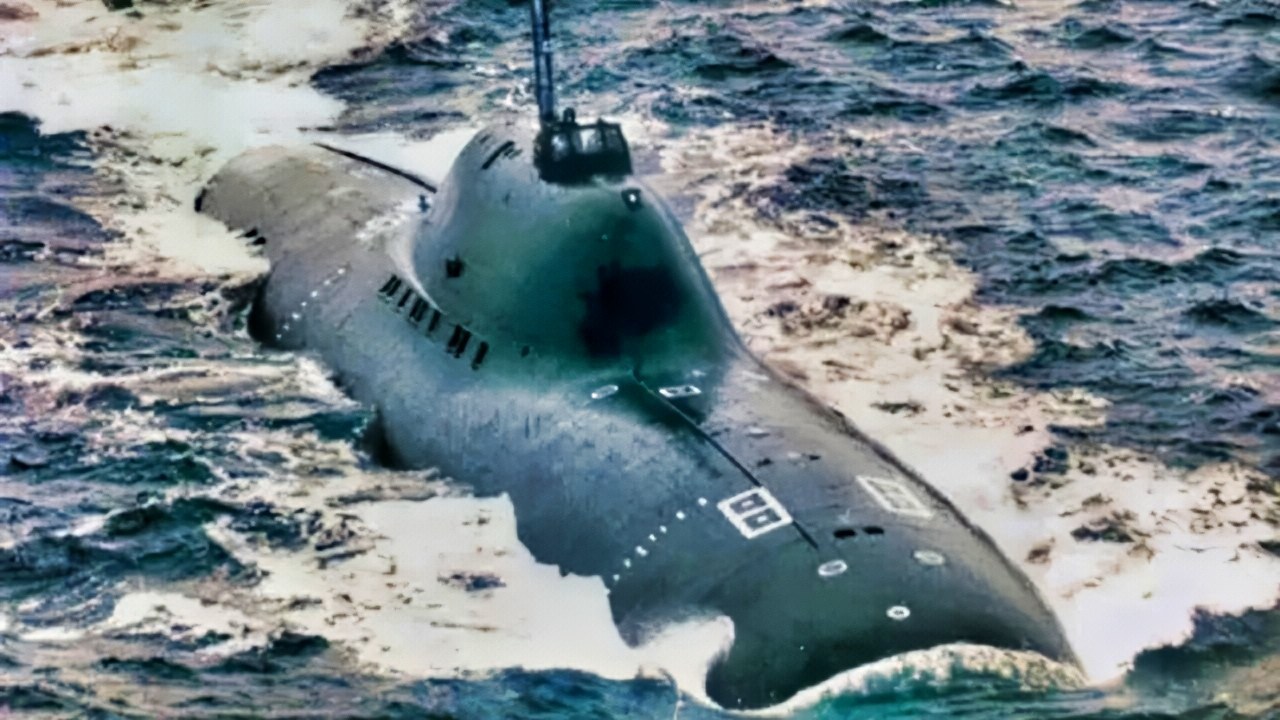
Alfa-Class Submarine Creative Commons Image.
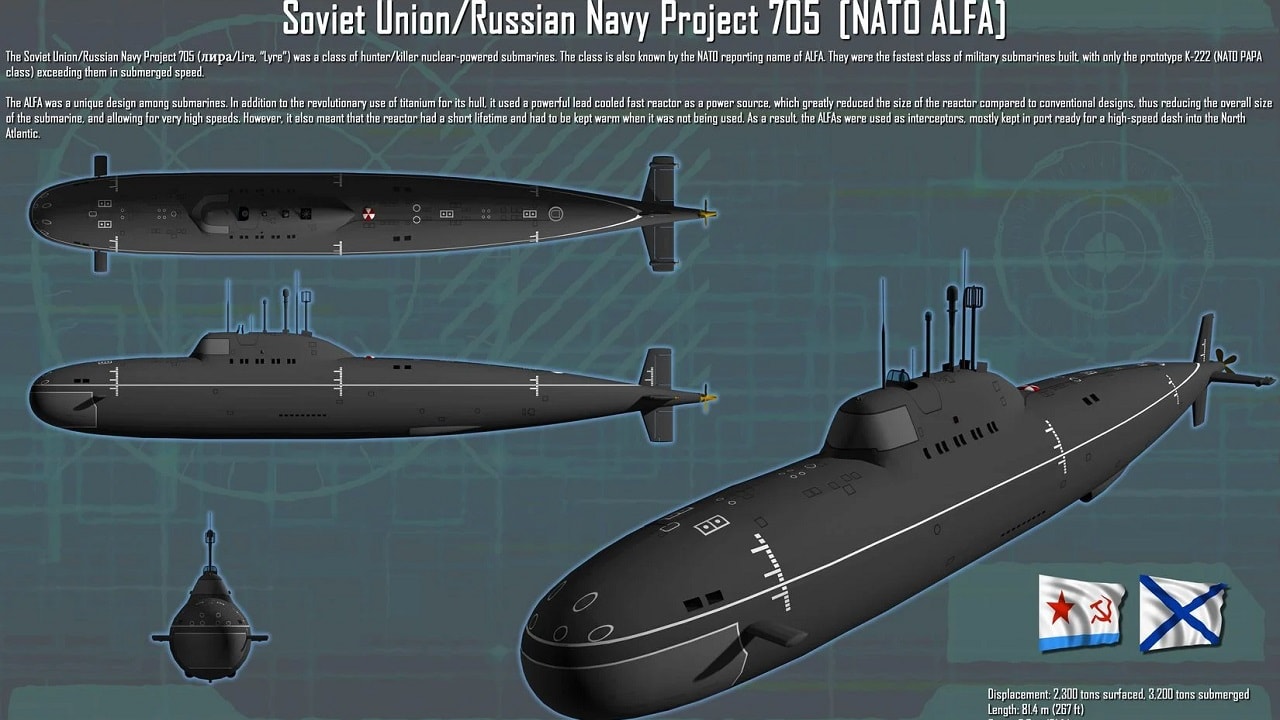
Alfa-Class Submarine. Image Credit: Creative Commons.
The Mysterious Submarine Sinking
According to the Soviets’ official explanation, K-129 sank during a snorkeling accident.
But alternative theories exist—one derived from US sensor readings that picked up two underwater explosions, separated by 9 minutes, suggesting a cascading failure.
There is also a Soviet collision theory, where the Soviets claim the K-129 was hit by the US sub, the USS Swordfish. The US denies involvement in any such incident.
And conspiracy theorists hold that the K-129 executed an unauthorized missile launch that resulted in an internal detonation.
But this is considered widely unlikely. Today, decades later, the cause of the sinking remains unresolved—adding to the operation’s intrigue.
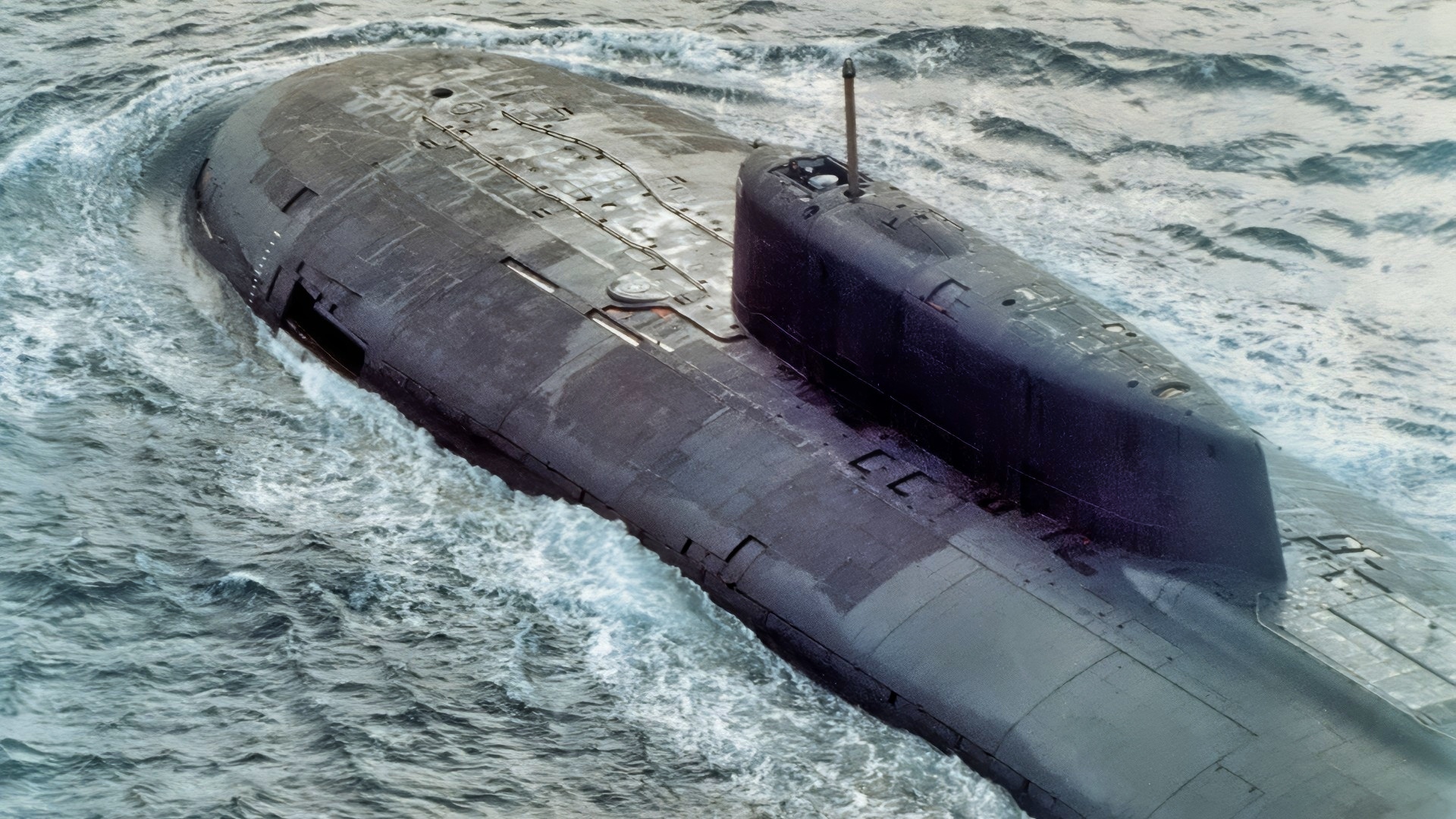
An elevated port side view of the forward section of a Soviet Oscar Class nuclear-powered attack submarine. (Soviet Military Power, 1986)
The Cover Story
Naturally, the CIA hid the operation.
How? By passing it off as a Howard Hughes-funded deep-sea mining venture in search of manganese nodules. And it worked—providing civilian cover for an emerging commercial interest.
It seemed plausible enough, especially with the Hughes Glomar Explorer vessel involved. Pretty brilliant, and an enduring quirk of the operation, that the CIA was able to disguise a Cold War recovery mission as commercial ocean mining.
Recovering the K-129
The core system behind the recovery effort was a giant mechanical claw nicknamed “Clementine.”
The operation was audacious, lowering Clementine 3 miles beneath the ocean’s surface to encircle and remove the submarine.
The extreme pressure at that depth and the near-freezing temperatures presented significant engineering challenges. The lift attempt began on July 4, 1974. The plan was for a multi-day ascent. It didn’t work as planned. The claw tines snapped; the load was too stressful, the metal too brittle. Two-thirds of the sub was lost while the remaining third was recovered. Not bad, all things considered.
What Was Recovered
One 38-foot forward portion of the submarine was recovered. Major finds included two nuclear torpedoes, which offered insight into Soviet nuclear design. Documents, components, and cryptographic clues were recovered, yielding intelligence insights.
Technical hardware, including sonar systems and structural elements, was recovered.
And notably, the human remains of six Soviet sailors were recovered; each was given a full military burial at sea. Yet, the most critical section of the submarine was lost, including the missile compartment, ballistic missiles, and codebooks.
The Story Breaks
Media exposure broke the story in 1975. The CIA’s response was neither a confirmation nor a denial.
It wasn’t until 1992, when CIA Director Robert Gates visited Moscow, that the disclosure was made. It was a diplomatic gesture. The K-129’s bell was returned to Russia in another diplomatic gesture.
The operation moved from secrecy to historical acknowledgment, demonstrating extreme technical capability and the US’s willingness to expend vast sums for intelligence gains.
The acknowledgment was indeed a reflection of the Cold War mindset, in which no expense was spared, and high risks were undertaken in hopes of high rewards. But despite the massive effort, Azorian was only partially successful.
The operation’s legacy lives as a unique moment in Cold War history, like something out of a spy novel or science fiction that just happens to be true.
About the Author: Harrison Kass
Harrison Kass is a writer and attorney focused on national security, technology, and political culture. His work has appeared in City Journal, The Hill, Quillette, The Spectator, and The Cipher Brief. He holds a JD from the University of Oregon and a master’s in Global & Joint Program Studies from NYU. More at harrisonkass.com.


