

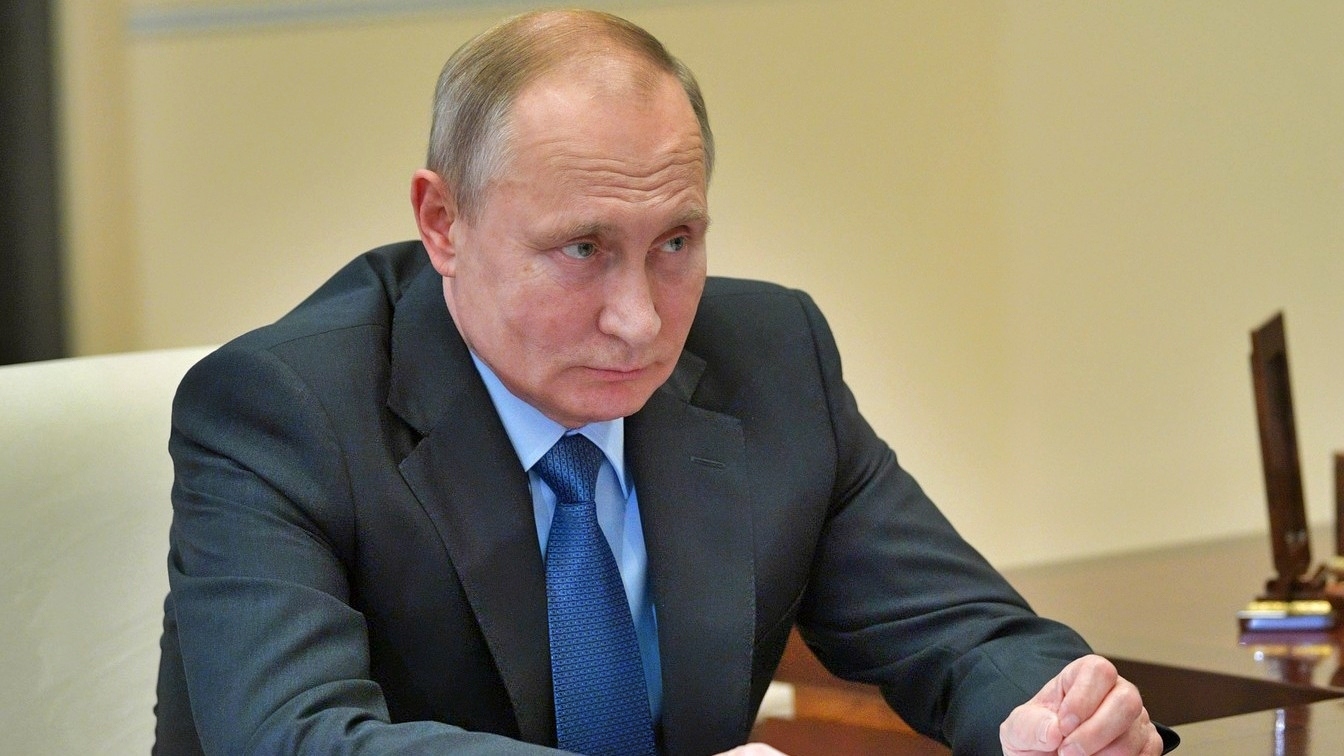
Russia is being forced to import gasoline from India to keep parts of its domestic economy running, highlighting Ukraine’s drone campaign’s broader impact beyond the battlefield.
While Russia continues its encirclement of Ukrainian “Fortress Cities” along the front in Eastern Ukraine, the strategic significance of Ukraine’s drone strikes remains uncertain.
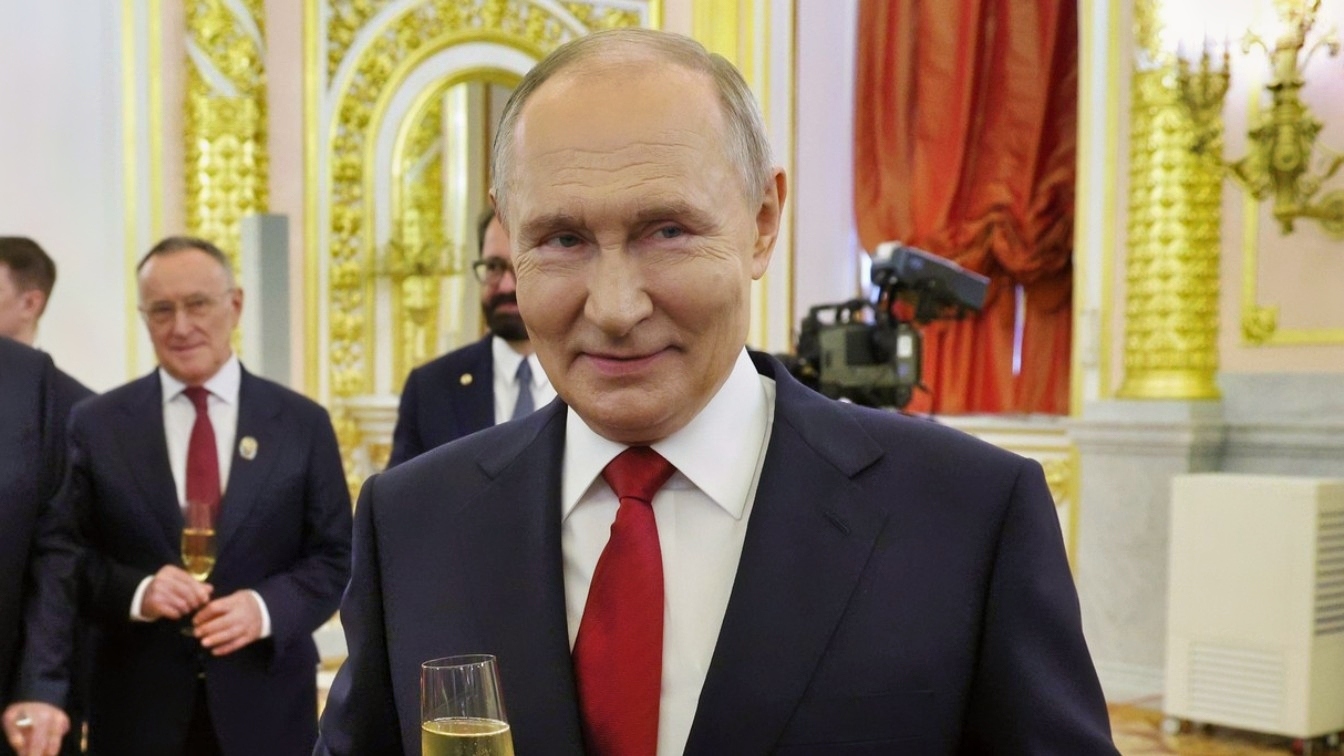
Putin On June 1 2026 Creative Commons Image
Russia will soon receive a shipment of 42,000 tonnes of gasoline from India, illustrating how Ukrainian drone strikes are prompting international fuel supplies to Russia.
Ukraine’s Drone Campaign Hits Russian Refining Where It Hurts
Once Ukraine started attacking Russian energy infrastructure, things for the Russian government began changing.
In so doing, Kyiv believes it will reduce Russian refining capacity, which will, in turn, harm the economy, aggravate the Russian people, and diminish Russia’s will to continue fighting in Ukraine.
Indeed, Russian refining capacity is believed to have fallen by roughly 40 percent following repeated attacks on major facilities.
Of course, Russia continues producing enormous quantities of crude oil; much of that crude cannot be refined domestically into gasoline and diesel because of the destruction of the refineries.
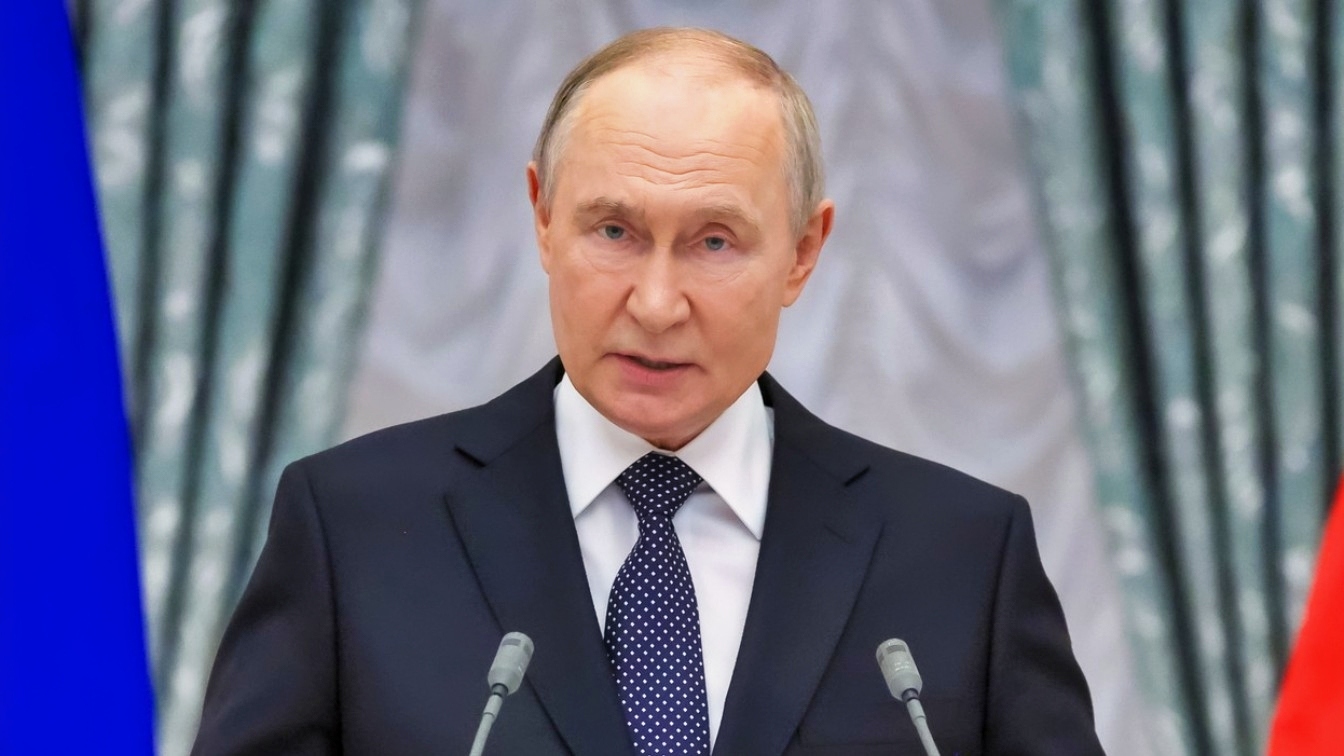
Putin in May of 2026. Image Credit_ Creative Commons
So, Moscow must now import large quantities of fuel despite remaining one of the world’s largest exporters of crude oil.
India as an Unexpected Supplier
India and Russia share a long and complex relationship going back to the days after the British Empire decolonized in India.
Once free, the Indian government wanted to diversify its alliances away from the West, which New Delhi viewed as a force of colonization.
So, they turned to the Soviet Union. That relationship persisted even after the Cold War ended and the USSR collapsed.
Today, that long-time relationship between New Delhi and Moscow is playing out again in the Ukraine War.
As a result of that complex relationship, India is sending 42,000 tonnes of gasoline to Russia to help it offset the damage Ukrainian strikes have caused there.
Ironically, the oil from which the Indian gasoline was made originated from Russia itself earlier this year.
If not for the Ukrainian attacks on Russian refineries, the Russians would have been able to refine their own gasoline and wouldn’t have needed to get it from India.
The Extent of Damage to Russia
Long lines have formed at filling stations throughout Russia, with Ukrainian drones attacking fuel stations inside Russia.
This situation should evoke concern about the widespread impact on ordinary civilians and the country’s stability.
Fifty million Russian civilians have been negatively impacted by the supply disruptions and restrictions the government has imposed.
Belarus Enters the Fray
Besides India, Belarus is another close partner with Russia. So, they’ve moved to supply gasoline to Russia in its hour of need.
Russian market data indicates Belarus has exported 184,000 tonnes of gasoline to Russia during June alone. That represented a threefold increase from the previous month and a massive increase (compared to the same period a year earlier).
The Crisis Is Not Over
Despite improvements in parts of Russia, shortages remain significant elsewhere.
Reports from Astrakhan, Lipetsk, and Voronezh continue describing fuel station lines as stretching to near 100 vehicles.
One story out of the Ulyanovsk region has stated that conditions deteriorated so much because Russian authorities redirected available fuel supplies toward high-priority regions.
The uneven distribution reflects the continuing strain placed on Russia’s fuel distribution network. Although imports from the likes of Belarus and India have eased some pressures, they are not enough to offset them entirely.
The real question is whether Russia can sustain its war in Ukraine if it is being squeezed at home by these Ukrainian attacks.
About the Author: Brandon J. Weichert
Brandon J. Weichert is the National Security Editor. He also manages The Weichert Brief on Substack. Weichert also hosts “National Security Talk” on Rumble. He is the author of four bestselling national security books, the most recent of which is A Disaster of Our Own Making: How the West Lost Ukraine (Encounter Books). Follow him via Twitter/X @WeTheBrandon.


