

After traffic through the Strait of Hormuz briefly recovered in September, transit through the waterway has slowed back down to a crawl after renewed Iranian attacks against civilian vessels in the region.
The drop has further shaken an already volatile energy market, which has not yet fully adjusted to the war’s onset in the Middle East in February.
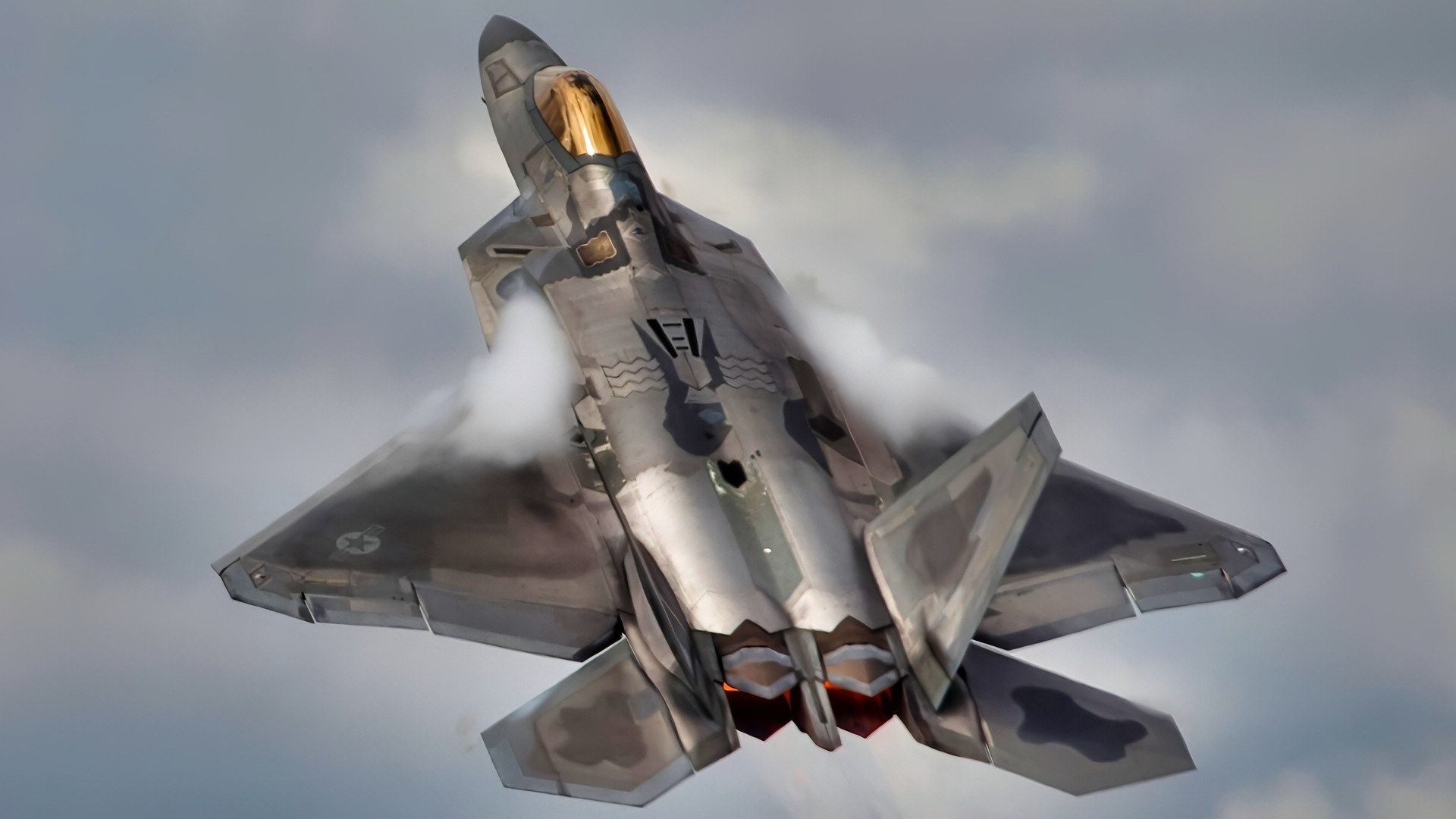
F-22 Raptor in UK. Image Credit: Creative Commons.
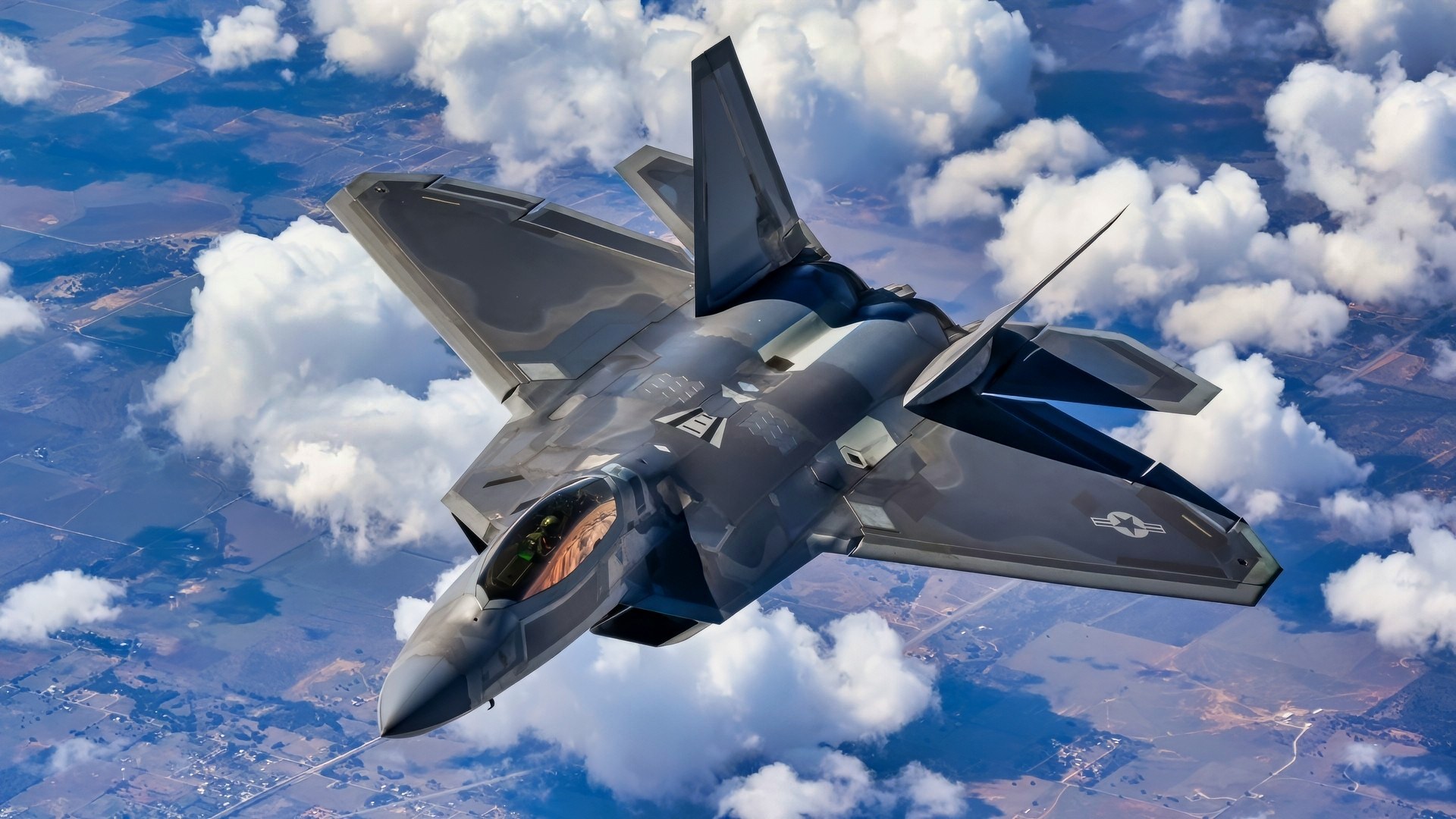
An F-22 Raptor Demonstration Team pilot flies towards Joint Base Langley–Eustis, Va., March 8, 2021. The F-22 team, assigned to Air Combat Command, received fuel from the 507th Air Refueling Wing during their flight back to home station after performing at an air show. (U.S. Air Force photo by Senior Airman Mary Begy)
However, oil tankers are not the only vessels that rely on the Strait of Hormuz.
The waterway carries countless goods, particularly fertilizer.
Fertilizer is an essential good for farmers worldwide, especially in Africa and Asia. Since the war began, fertilizer deliveries have dropped sharply, and the UN is concerned that some regions could face a future food crisis.
The War in Iran and its Effects on Fertilizer Shipments
On Wednesday, UN Under-Secretary-General Jorge Moreira da Silva sounded the alarm over a potential food crisis if fertilizer isn’t delivered through the Strait of Hormuz.
He stated that it was “absolutely vital” that the United States and Iran agree on a UN-backed plan to move fertilizer through the waterway.
The plan Moreira da Silva proposes calls for a UN-staffed coordination center in Oman that would register vessels carrying fertilizer and oversee their safe passage through Hormuz.
He said the proposal needs agreement in the coming weeks as planting season approaches. “If we miss that planting season, the productivity of agriculture would significantly drop and the impact on prices will significantly increase,” Moreira da Silva told Reuters.
The ongoing war in the Middle East has drastically affected fertilizer shipments, as well as components needed to produce fertilizers, like seaborne sulfur.
As the U.S. and Iran exchanged fire in the war’s opening months, civilian traffic through the waterway decreased significantly amidst growing risks and uncertainties.
Traffic rebounded during September, as the war entered a quieter phase.
However, after Iran resumed attacks against civilian tankers, transit through the strategic shipping lane has once again slowed down.
The UK Maritime Trade Operations (UKMTO) center has reported 22 separate attacks against civilian ships in and around the Strait.
As a result, fertilizer shipments to Africa and Asia, the continents most in need of fertilizer, have decreased.
Although some ships have been able to sail through the waterway, the vessels account for a negligible share of cargo, according to the International Food Policy Research Institute.
The UN’s Plan to Resume Fertilizer Shipments
Under the UN’s plan, Moreira da Silva says, UN authorities would work alongside local authorities at Gulf ports to verify cargo loading.
Ships carrying fertilizer would then be tracked during transit, and additional inspections could be carried out if the U.S. or Iran expressed concern about a vessel or its cargo.
The plan, originally drawn up in March, could be implemented within seven to ten days if the U.S. and Iran agreed.
According to Moreira da Silva, even five vessels a day through the Strait would provide enough fertilizer for countries in Africa and Asia that desperately need it.
The reason why the U.S. and Iran have not agreed to the proposal is unknown.
Moreira da Silva hopes the plan could serve as the basis for a broader agreement to reopen the Strait of Hormuz to all civilian ships.
Washington and Iran have discussed multiple proposals to reopen the Strait since the war began.
The closest Washington and Tehran came was the June Memorandum of Understanding (MoU).
However, after the MoU collapsed, both sides have communicated primarily through intermediaries in Oman and Qatar and have not agreed to reopen the waterway or enact a new ceasefire. “What we are telling them is, while you continue your discussions towards a comprehensive deal, let us work; let us do our job,” Moreira da Silva said.
A Food Crisis on the Horizon
Moreira da Silva’s plea comes amid growing concerns about a global shortage of food supplies.
In May, the UN’s Food and Agriculture Organization warned that fertilizer scarcity caused by the Strait’s closure could hit food supplies sometime in late 2026 or 2027.
The shortages could hit regions in South Asia and Africa, which are already struggling with food supplies, much harder.
For example, Bangladesh is already struggling with limited food supplies because of fertilizer shortages. India has also faced agricultural difficulties due to skyrocketing fertilizer costs and depleted groundwater reserves.
Even developed countries that produce fertilizer have been affected by the war in the Middle East. Last year, China exported 5.3 million tons of phosphate fertilizer.
However, as of October, China has virtually halted fertilizer exports.
The U.S. and Western Europe, other major fertilizer producers, have also been negatively impacted due to shortages of oil and sulfur.
In central Florida, Mosaic laid off 199 workers at a major fertilizer factory due to sulfur shortages.
Only a few fertilizer-producing countries have remained relatively unaffected by disruptions in sulfur deliveries. One of those nations is Russia.
Russia is currently the world’s second-largest fertilizer producer and accounts for 20% of the global supply. However, due to the situation in the Strait, the Kremlin has imposed an export cap of 20 million tons of fertilizer per year.
About the Author: Isaac Seitz
Isaac Seitz, a Defense Columnist, graduated from Patrick Henry College’s Strategic Intelligence and National Security program. He has also studied Russian at Middlebury Language Schools and has worked as an intelligence Analyst in the private sector.


