
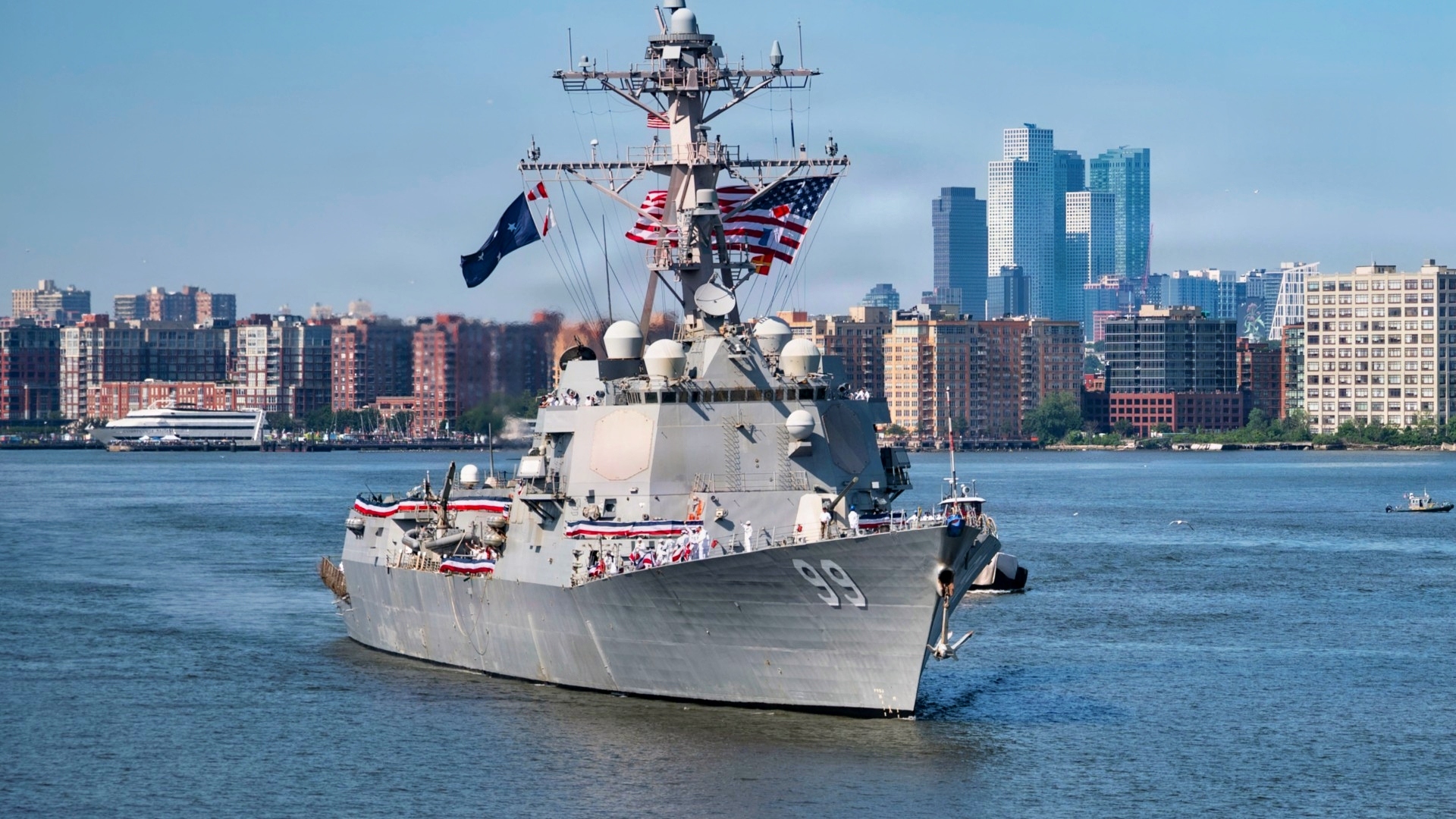
As U.S. President Donald Trump pushes ahead with the war against Iran, attempting to force the Islamic regime to open the Strait of Hormuz and end its nuclear ambitions, Republicans appear to be growing concerned about the impact those efforts are having on the voters.
Speaking to NewsNation’s “The Hill with Blake Burman” this week, Senate Republican Policy Committee Chair Shelley Moore Capito of West Virginia argued that the American people are “growing weary” of the conflict.
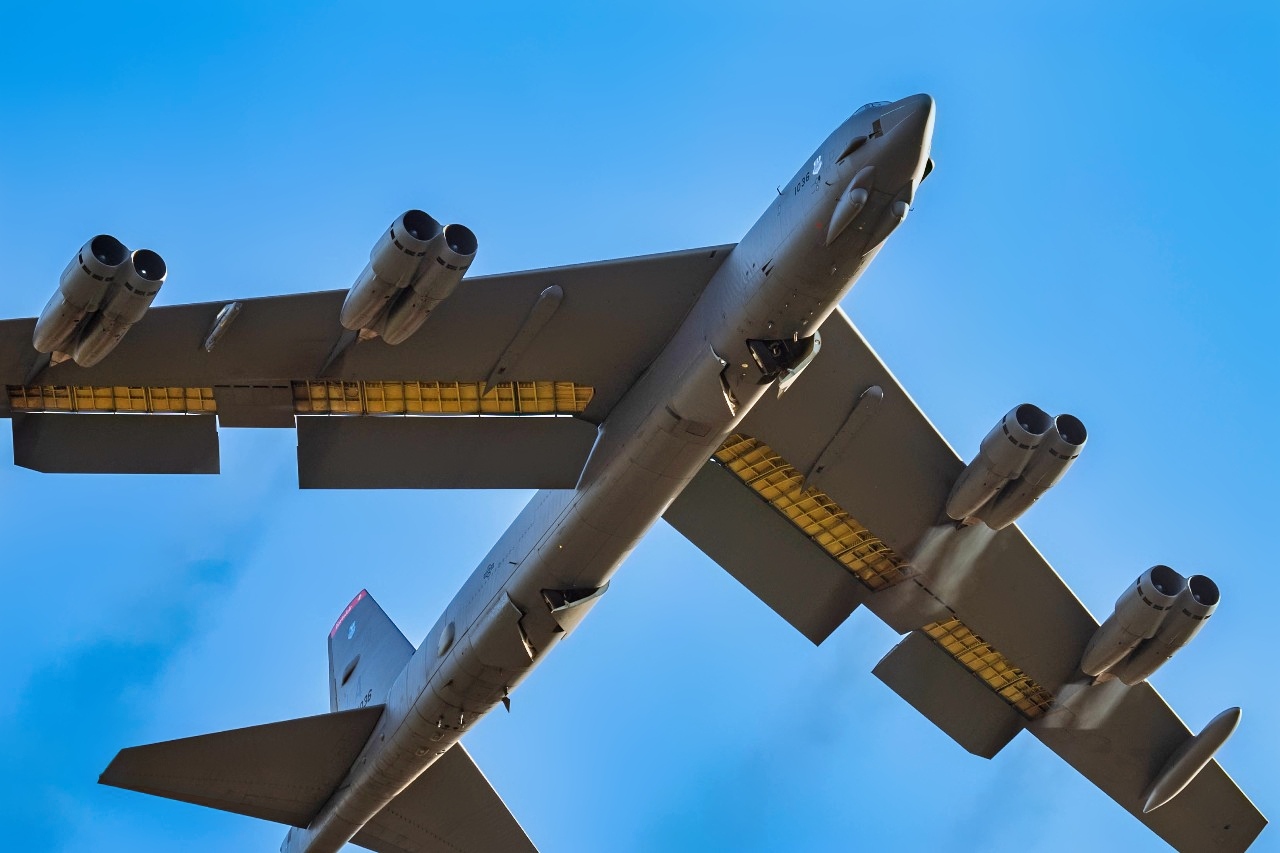
A B-52H Stratofortress assigned to the 20th Expeditionary Bomb Squadron takes off from RAF Fairford, England, for a training mission with the Royal Moroccan Air Force during Bomber Task Force 25-1, Nov. 22, 2024. The U.S. and Morocco’s strategic partnership is based on mutual interests in regional peace, security and prosperity, and we remain dedicated to working together on shared concerns. (U.S. Air Force photo by Senior Airman Mary Bowers)
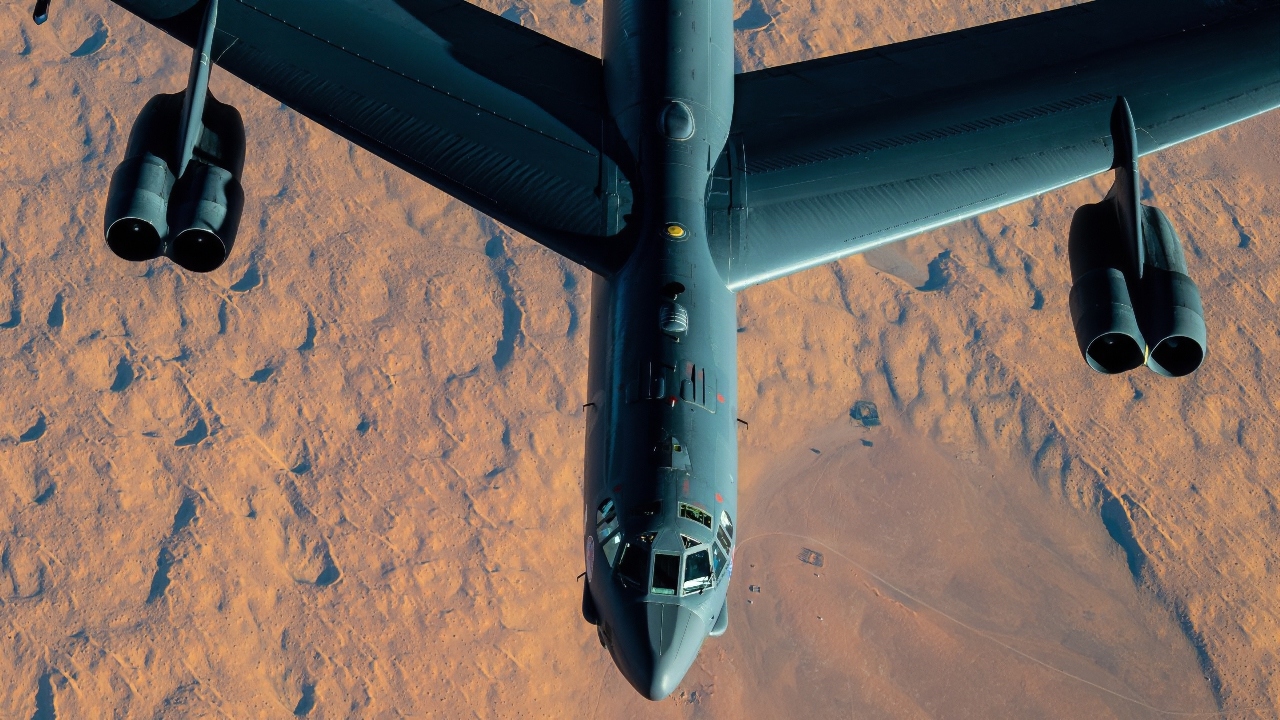
A U.S. Air Force B-52 Stratofortress, assigned to the 2nd Bomb Wing, receives fuel from a KC-135 Stratotanker, assigned to the 340th Expeditionary Air Refueling Squadron, during a multi-day Bomber Task Force mission over Southwest Asia, Dec. 10, 2020. The B-52 is a long range bomber with a range of approximately 8,800 miles, enabling rapid support of Bomber Task Force missions or deployments and reinforcing global security and stability.(U.S Air Force photo by Master Sgt. Joey Swafford)
“I do think that the American public’s growing weary,” she said.
The Republican legislator also echoed a warning made by Republican senator Jim Justice this week that there needs to be an “off ramp” to end the war.
“There’s got to be an off ramp, that’s all there is to it,” Justice said earlier this week, adding that he is concerned about the war after having lost “three wonderful, wonderful service people in the last little while.”
Constituents Express Concern
During the NBC interview, Capito described hearing concerns from her constituents in West Virginia, noting that she represents the same people in Congress as Rep. Justice.
“Sen. Justice and I represent the same folks. We can feel that in our local conversations. And I do think a promised shorter endgame has now been — timeline’s been exceeded.
We’ve lost four of our service members,” Capito said. “That is always devastating to Americans and American families, not just those most closely affected.”
“And I think that’s where you begin to see the weariness creep in,” she continued.
What Republicans Think
The comments may well reflect what legislators are hearing from their constituents, but the polling so far suggests that the Republican Party’s voters continue to back Trump’s handling of the conflict far more strongly than the rest of the country.
That support, however, seems to rest on the assumption that the war remains limited and is ultimately successful. Should the economic consequences of the war continue to worsen before November, however, that could well change.
An Ipsos poll conducted in June found that just 29% of Americans approved of Trump’s handling of Iran, but Republican voters remained considerably more supportive than Democrats and independents.
A Quinnipiac University poll released in June also found that 75% of Republicans believed U.S. military action against Iran had been worth it, even as 60% of registered voters overall said the campaign was not worth the cost.
For Republicans, the conflict is still largely being viewed through a national security lens – much as it is from Washington’s perspective, too.
Many continue to support Trump’s stated objectives of preventing Iran from acquiring a nuclear weapon and opening the Strait of Hormuz.
The fact that Iran has been militarily degraded has so far insulated the administration from the kind of collapse in support seen among independents and Democrats, but with the war escalating every day and Iran showing no sign of backing down, there’s no telling what could happen even among Republican voters.
Whether support for Trump among Republicans holds through election day is an interesting question to consider, with fuel prices rising and inflationary pressure building at the same time.
Over the coming weeks and months, the conflict could soon be less of a foreign policy issue and more of a kitchen-table issue for Republican households as they reconsider priorities and feel the impact of war at home.
Trump Faces Pressure to Show Progress
As the White House continues to expand its military campaign against Iran, Trump also faces pressure to show more progress.
To succeed, the president must reduce the long-term nuclear threat posed by Iran, and do so without destroying the global economy by blocking the movement of Gulf oil.
While CENTCOM insists the Strait of Hormuz is open, and Washington says Tehran’s military and nuclear infrastructure have been decimated, reports suggest that the war may have also strengthened the hardline voices within Iranian leadership.
Following the death of Supreme Leader Ayatollah Ali Khamenei earlier this year, his son and successor, Ayatollah Mojtaba Khamenei, has repeatedly vowed revenge against the United States and Israel.
This week, reports also revealed that the new Ayatollah is far more interested in pursuing a nuclear weapon than his late father was.
U.S. intelligence assesses Mojtaba Khamenei as taking a far more hardline view of the U.S. and Iran’s response to the conflict. According to the report, the new Ayatollah now believes that obtaining a nuclear weapon would be an essential form of protection against future U.S. and Israeli attacks.
Trump, then, needs to prevent it from happening and do so before November.
About the Author: Jack Buckby
Jack Buckby is a British researcher and analyst specializing in defense and national security, based in New York. His work focuses on military capability, procurement, and strategic competition, producing and editing analysis for policy and defense audiences. He brings extensive editorial experience, with a career output spanning over 1,000 articles at 19FortyFive and National Security Journal, and has previously authored books and papers on extremism and deradicalization.


