

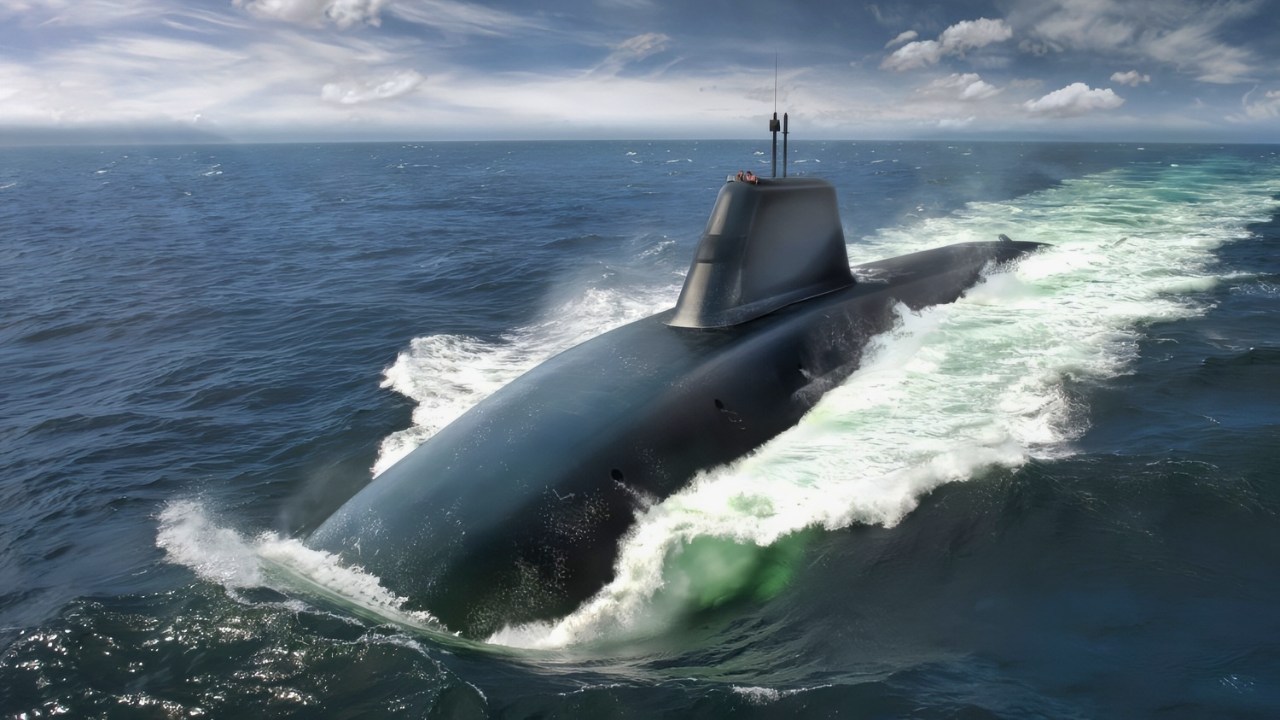
The British Royal Navy’s next-generation nuclear ballistic missile submarines — HMS Dreadnought, HMS Valiant, HMS Warspite, and HMS King George VI — are all currently under construction at BAE Systems’ Barrow-in-Furness shipyard. Each Dreadnought-class boat displaces approximately 17,200 tonnes, making it the largest submarine ever built for the Royal Navy. They will be powered by the Rolls-Royce PRW3 nuclear reactor — a design influenced by the American SG9 reactor used on the Virginia-class — and will carry 12 Trident II D5 submarine-launched ballistic missiles each. The lead boat enters service in the early 2030s, replacing the Vanguard-class.
Dreadnought-Class: The Royal Navy’s Biggest Submarine Project Ever
The Dreadnought-class is the British Royal Navy’s (RN) next-generation nuclear ballistic missile submarine that is currently being developed to replace the older Vanguard-class submarines.
The submarine is expected to include the latest technologies, with improved stealth systems, sensors, and onboard battle management systems, making it among the most technologically advanced in the world.
The Dreadnought-class will make up the naval leg of the UK’s nuclear deterrent strategy and fill a number of other roles as needed by the RN.
Dreadnought-Class: Design of Britain’s Newest Submarine
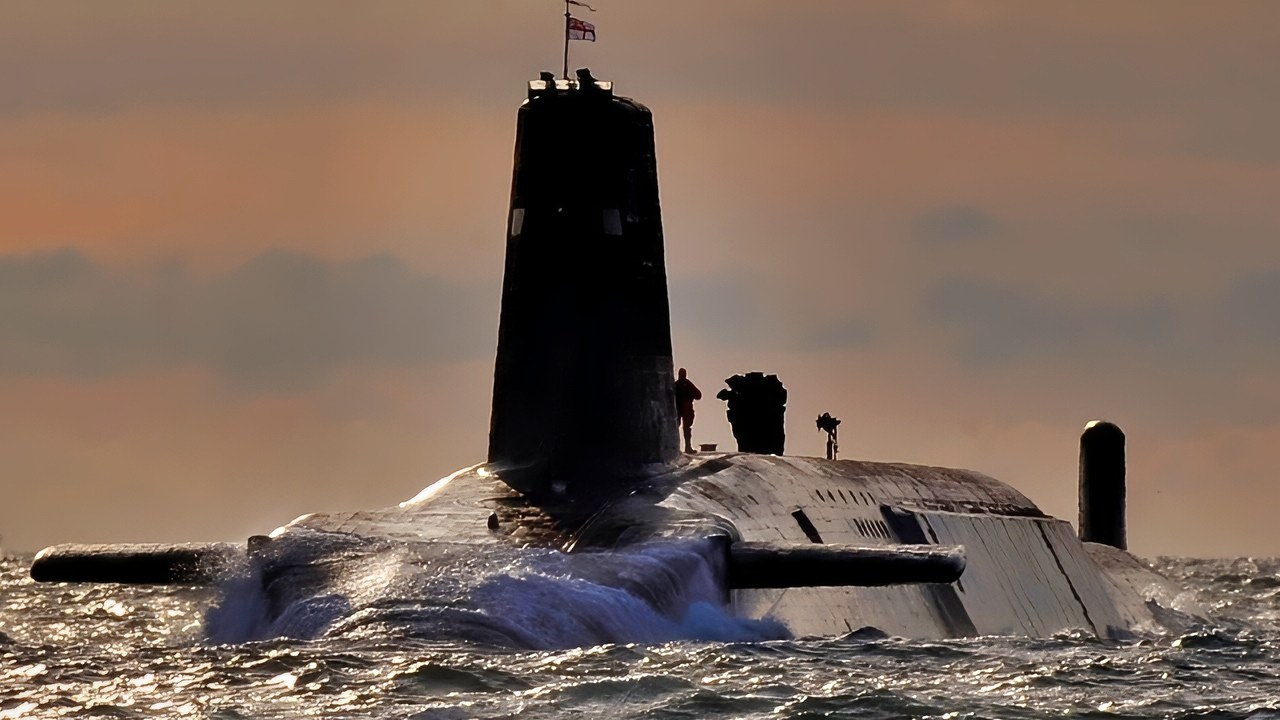
Vanguard-Class Submarine Royal Navy Photo. Image Credit: Creative Commons.

Vanguard-Class Submarine. Image Credit: Creative Commons.

Vanguard-Class Submarine From Royal Navy. Image Credit: Royal Navy.
The Dreadnought-class program is one of the most ambitious projects in RN history.
Each submarine is expected to displace approximately 17,200 tonnes, making them the largest submarines ever built for the RN. This increase in size accommodates more advanced systems, improved habitability, and enhanced stealth features.
Despite their larger dimensions, significant effort has been made to ensure that these submarines remain as quiet and undetectable as possible.
The Dreadnought-class is powered by the Rolls-Royce PRW3 nuclear reactor.
This power plant is a continuation of the PRW2, which powered the Vanguard and Astute-class submarines. Compared to its predecessor, the PRW3 offers greater longevity, allowing the submarines to remain underway for longer periods.
The new reactor is also much simpler, requiring less maintenance and fewer parts.
Additionally, the reactor is safer than its predecessors. Its design was heavily influenced by the American-made SG9 reactor, which is used on the Virginia-class attack submarine but uses British reactor technology.
Stealth Technology and Nuclear Deterrence
The Dreadnought-class incorporates numerous innovations to reduce its acoustic signature.
Advanced vibration-isolation systems are used to mount machinery so that noise is minimized through the hull.
The submarines are also designed with highly refined hydrodynamic shapes to reduce turbulence as they move through the water.
In addition, anechoic tiles will cover the outer hull, absorbing sonar waves and reducing the likelihood of detection by adversary sensors.
The propulsion uses pump-jet technology rather than traditional propellers, further reducing noise levels and enhancing stealth.
The Dreadnought-class submarines will carry the Trident II D5 submarine-launched ballistic missile, which remains one of the most capable strategic missile systems in the world.
Although the new submarines will have 12 missile tubes, compared to the 16 carried by the Vanguard-class, the UK’s policy has long been to deploy fewer warheads than the system’s maximum capacity.
The Trident missiles can carry multiple independently targetable reentry vehicles, enabling a single missile to strike multiple targets with high accuracy. The UK is also working on a new generation of nuclear warheads to replace the current stockpile, with deployment expected in the 2030s.
The submarine’s missiles are carried by the Common Missile Compartment, a jointly developed system shared with the United States’ Columbia-class submarines.
Program Timeline
The Dreadnought program was formally approved by the UK Parliament in July 2016 following years of debate over the future of the country’s nuclear deterrent.
Construction of the submarines is being carried out primarily by BAE Systems at its shipyard in Barrow-in-Furness, Cumbria, which has long been the center of British submarine production. The program also involves a wide network of suppliers and contractors across the country, making it a major contributor to the UK’s industrial base.
The class consists of four submarines: HMS Dreadnought, HMS Valiant, HMS Warspite, and HMS King George VI. All four hulls are currently under construction.
The lead boat, HMS Dreadnought, is expected to enter service in the early 2030s, replacing HMS Vanguard, the oldest submarine in the fleet. The remaining boats will follow in sequence to ensure that the continuous patrol cycle is never interrupted.
A Great Ship for a Poor Navy
The Drednaught-class submarines are good ships, at least on paper.
They are too early in construction to have any mechanical or software malfunctions. The issue with these ships is not their design, but rather the Navy they are expected to serve in.
The British RN, especially its submarine forces, is currently in a notable state of decline.
As other reports have noted, despite possessing 10 nuclear attack submarines, only 2 are typically available at a time. This is due to maintenance delays.
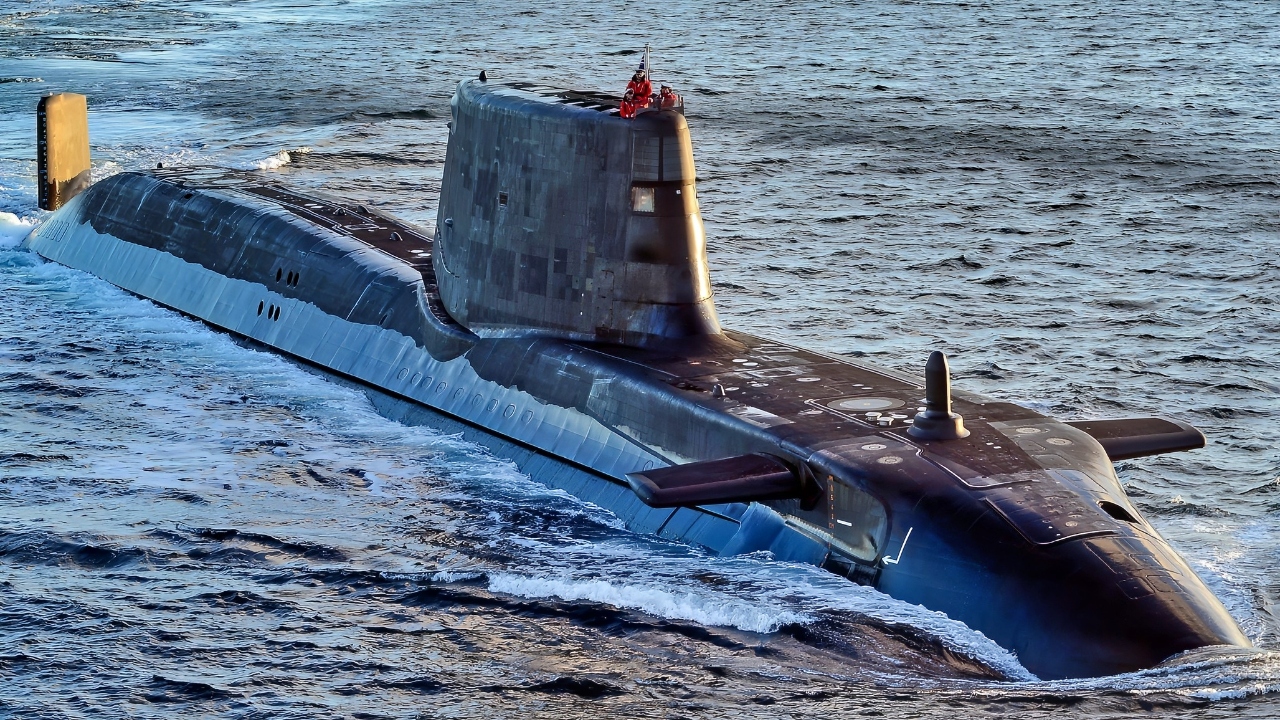
Astute-Class Submarine Royal Navy. Image Credit: Creative Commons.
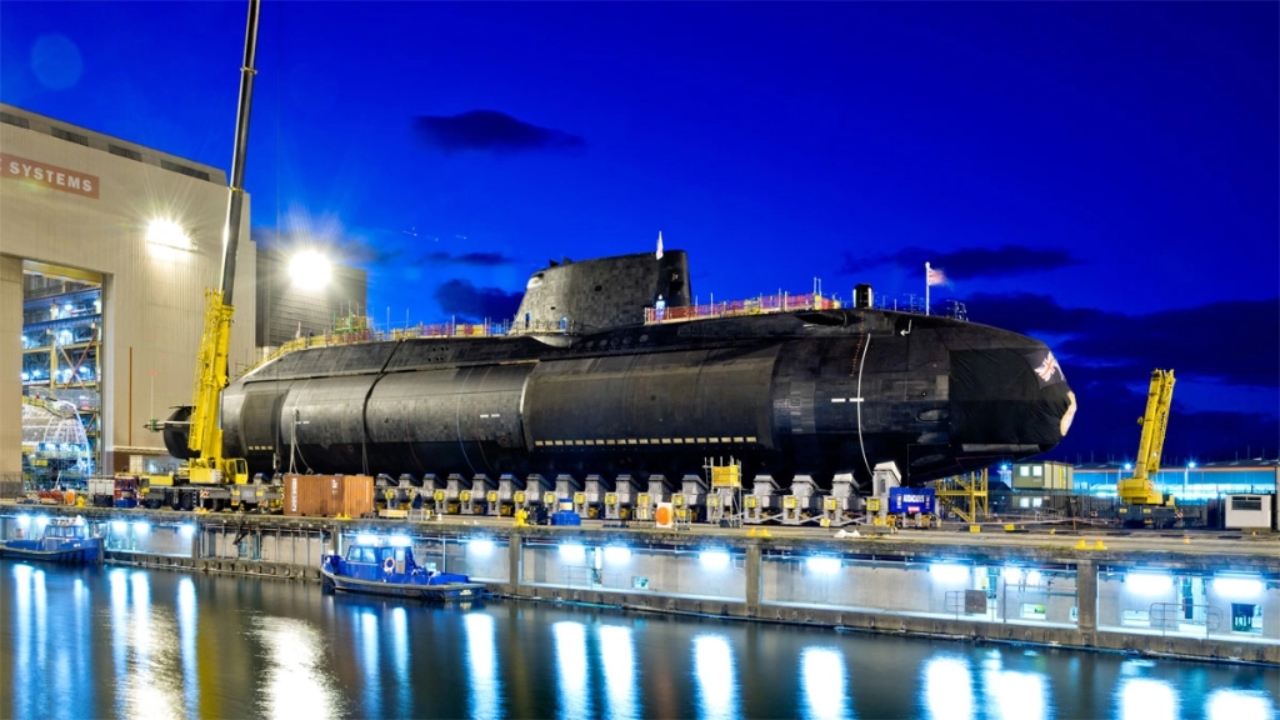
Astute-Class Submarine. Image Credit: Creative Commons/BAE Systems.
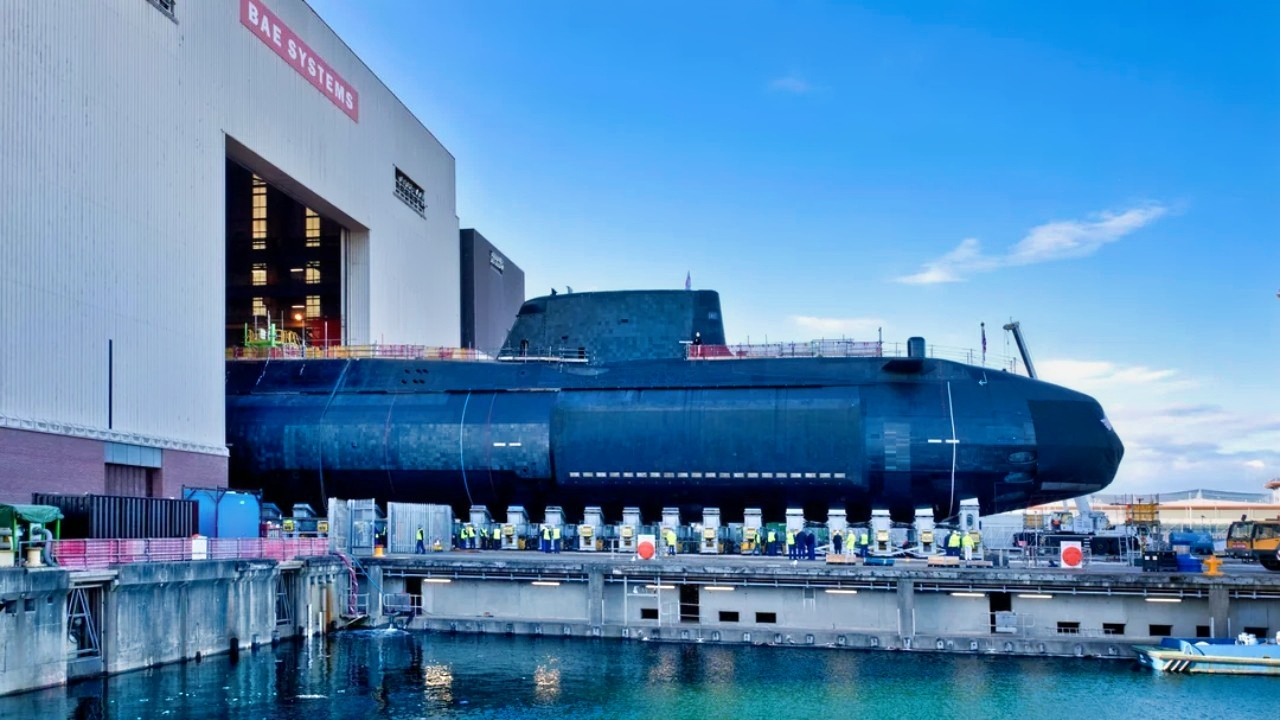
Astute-Class Submarine Royal Navy. Image Credit: Creative Commons.
The RN’s shipyards are stuck with outdated infrastructure, which is insufficient for servicing its more advanced submarines.
As in the U.S., the UK is also experiencing crippling manpower shortages in both the Navy and its shipyards.
The UK’s shipyards lack sufficient experienced technical personnel, which has added to the long list of factors delaying maintenance schedules.
The RN has also been experiencing branch-wide personnel shortages, which have forced the service to considerably reduce its size.
There are many issues why this might be the case, but the point is that the Dreadnought-class is being constructed at a precarious time in the RN’s history.
The UK is implementing a number of measures to counteract these problems, but it is not yet certain whether they will be resolved by the time HMS Dreadnaught enters service.
About the Author: Isaac Seitz
Isaac Seitz, a Defense Columnist, graduated from Patrick Henry College’s Strategic Intelligence and National Security program. He has also studied Russian at Middlebury Language Schools and has worked as an intelligence Analyst in the private sector.


