

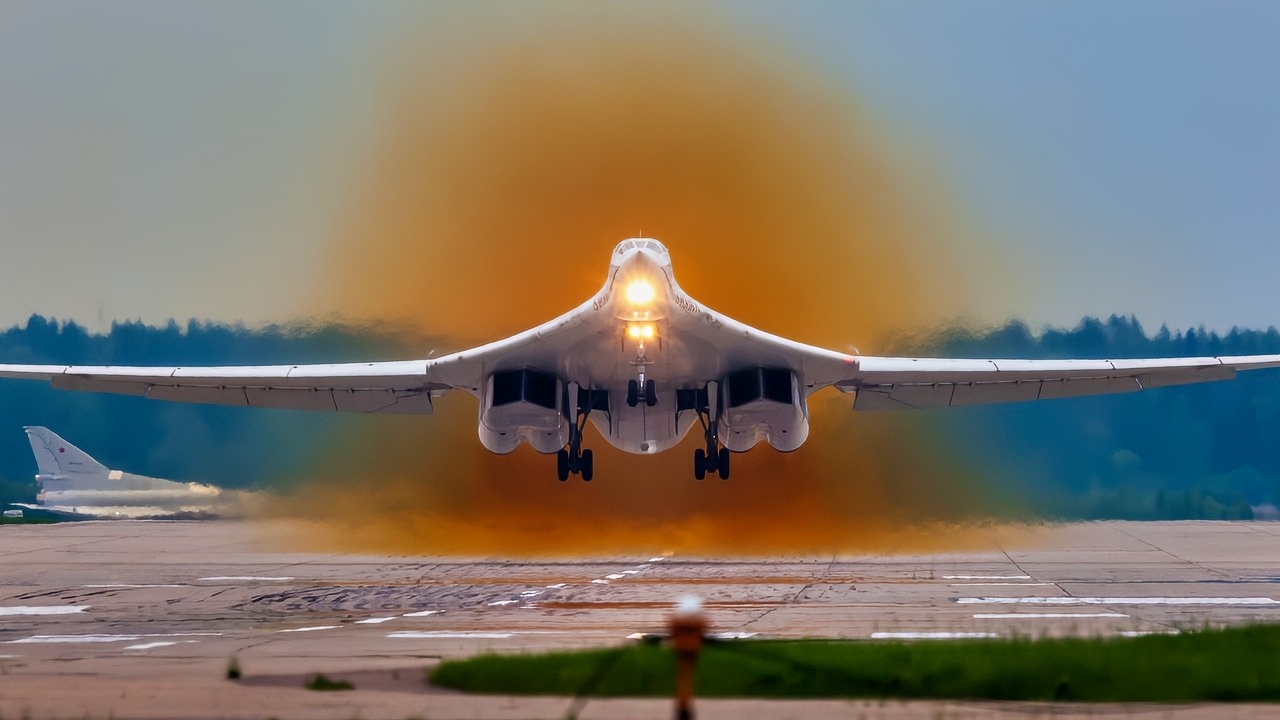
Germany’s defense establishment is issuing one of the starkest warnings heard from a major NATO government since the Ukraine war began. According to German Defense Minister Boris Pistorius, Russia could be able to threaten a NATO member by 2029. Notably, German Army Inspector General Christian Freuding says Pistorius’ view is not an isolated German assessment but rather a broader conclusion. According to Freuding, all 32 NATO members agree that Russia could regain the capability to challenge NATO military as early as 2029. The warning is less about an imminent invasion and more about how quickly Russia can rebuild its military after enormous setbacks in Ukraine.
Why 2029? The Russia Challenge

Tu-22M Bomber from Russian Air Force. Image Credit: Creative Commons.
Western intelligence agencies increasingly believe Russia is already laying the foundations for long-term military recovery.
The evidence cited includes the expansion of military infrastructure, rebuilding bases, increased weapons production, and greater force-generation efforts. Nordic intelligence assessments reportedly indicate Russia is expanding its military facilities along its northwestern frontier and Baltic approaches.
And some estimates suggest Moscow could eventually station up to 115,000 troops along portions of NATO’s northern and Baltic borders. Obviously, the main concern is not Russia as it currently stands, but Russia as it could exist after rearmament.
Ukraine Paradox
At first glance, the 2029 warning may seem counterintuitive given that Russia has suffered enormous casualties, equipment losses, and immense economic strain from the war in Ukraine.
The traditional assumption is that a weakened Russia should pose less danger. But new concerns are rising as Russia increasingly shifts to a wartime footing. Germany believes that even as Russia fights in Ukraine, it is continuing to expand its military production.
The Russia that emerges from the Ukraine war could potentially have a larger military and a more mobilized posture than the pre-Ukraine military.
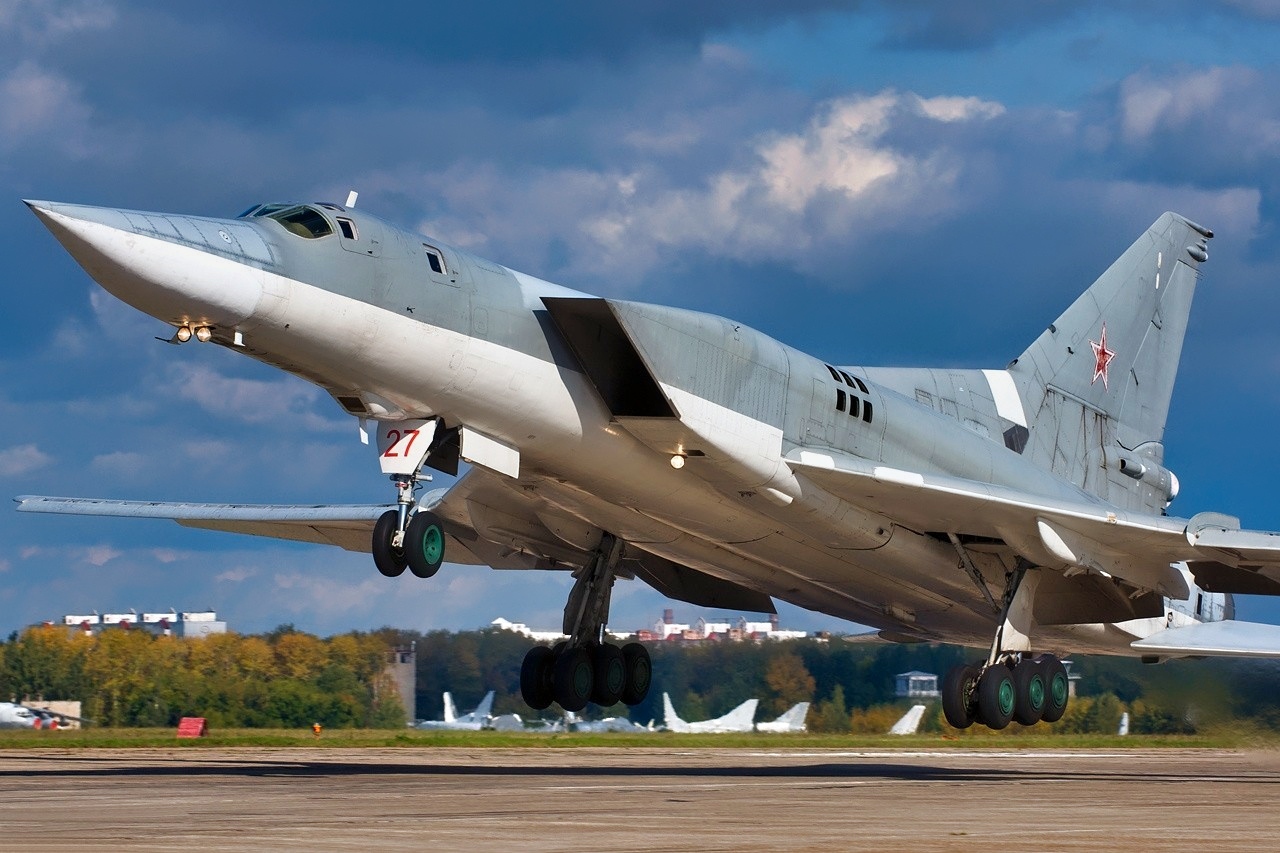
Tu-22M Backfire Bomber from Russia. Image Credit: Creative Commons.
Granted, Russia’s struggles to succeed in Ukraine could be seen as reassurance to the continent, suggesting that Russia is not equipped to engage with NATO.
Europe’s Wake-up Call
Pistorius’ central argument is that Europe spent decades assuming major war had disappeared from the continent.
Following the Cold War, many European countries reduced defense spending, shrank their armies, cut stockpiles, and prioritized domestic spending.
Germany was the prime example. For years, the Bundeswehr struggled with readiness issues, equipment shortages, and underinvestment. According to Pistorius, countries effectively neglected their defense obligations. Ukraine served as a wake-up call, however, a reminder that Russia still posed a threat.
In response, Berlin has authorized roughly $1 trillion in defense investment over the coming decade.
Germany has even altered their long-standing debt restrictions to fund military expansion. The goal seems to be creating Europe’s strongest conventional force. Ukraine seems to have forced a country long defined by military restraint to openly discuss its military readiness.
Germany, of course, hasn’t had a strong military since World War II, when it attempted to impose fascism on the continent and incinerate the entire Jewish race, a fact that makes some European neighbors, like France, uneasy.

Su-25. Image Credit: Creative Commons.
American Friction
Germany’s warning coincides with the United States’ reduction of its military commitments in Europe.
The timing is related. According to reports, Washington plans to make cuts involving strategic bombers, fighter aircraft, naval forces, and crisis-response assets earmarked for NATO. The American logic is obvious: Europe should assume greater responsibility for its own defense.
Europe is concerned, however, that the US could withdraw before Europe can build up its military in response, leaving a capability gap that Russia could exploit.
Is Russia A Threat?
It needs to be emphasized that invading NATO is entirely different from invading Ukraine. NATO retains overwhelming economic advantages, superior aggregate military spending, technological advantages, and nuclear deterrence.
Put simply, NATO is exponentially more powerful than Ukraine, and Russia has struggled to make meaningful gains. Accordingly, the concern is not about Russian tanks rolling into Berlin.

Leopard 2. Image Credit: Creative Commons.
The concern centers on Baltic pressure campaigns or coercive military threats, maybe limited regional confrontations designed to test alliance cohesion. Russia is simply not capable of a total conquest of NATO, but perhaps it harbors more modest goals, such as exposing political divisions within the alliance that some believe have been outdated since the fall of the Soviet Union.
Whether Russia could actually attack a NATO member by 2029 remains debatable.
But Europe’s major powers increasingly believe they must prepare for that possibility.
About the Author: Harrison Kass
Harrison Kass is a writer and attorney focused on national security, technology, and political culture. His work has appeared in City Journal, The Hill, Quillette, The Spectator, and The Cipher Brief. He holds a JD from the University of Oregon and a master’s in Global & Joint Program Studies from NYU. More at harrisonkass.com.


telangpu chuanpu
June 13, 2026 at 8:46 am
NATO is a terribly terribly belligerent criminal organization, prone to frequently making bellicose statements and absurd policy statements.
NATO is like the tripartite treaty organization of the 1940s, where the powers brazenly tried to grab control. Of 90% of humanity.
Today, NATO wants to control 100% of humanity.
NATO is expected to employ ukraine as the trojanite entity to destroy russia.
The HELL, hell, hell with NATO.
Fred Adams
June 13, 2026 at 12:40 pm
All lies and distortion. A harsh opinion supported by nothing. Air.