
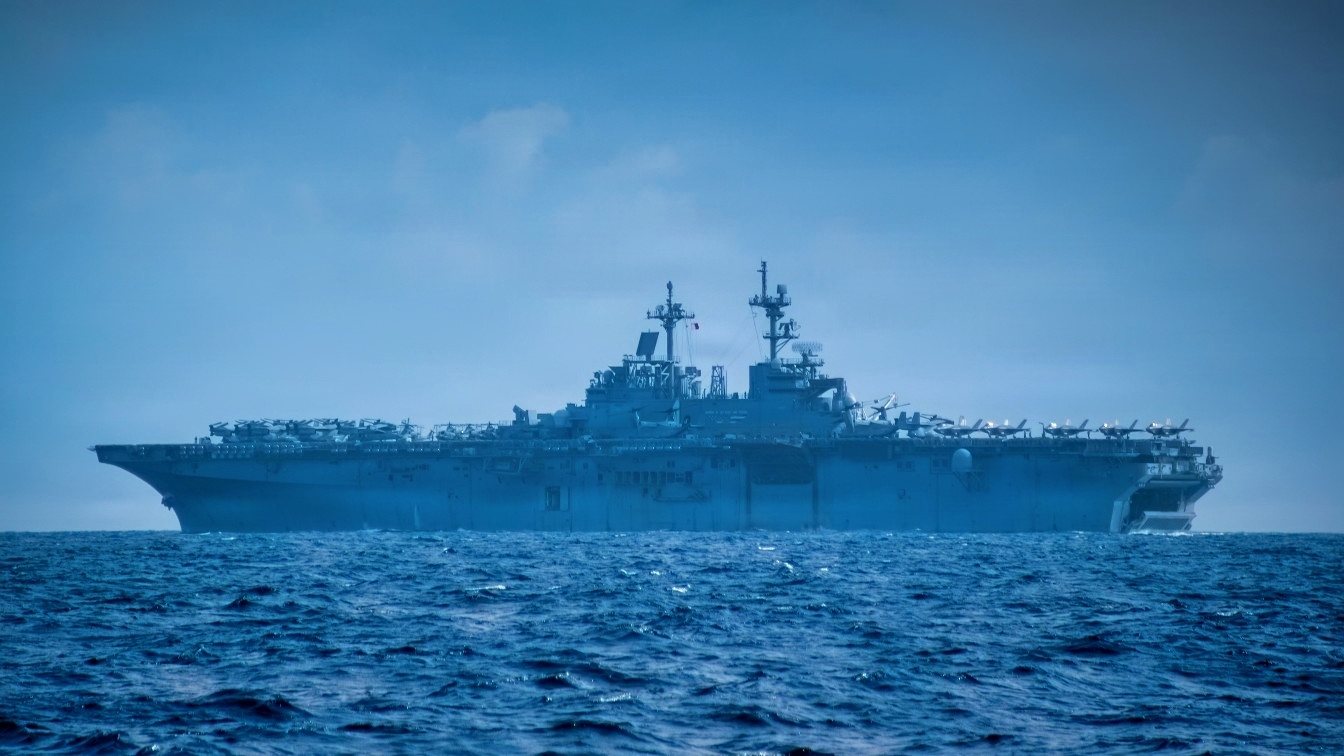
The Iran Strait of Hormuz Crisis May Have Changed the Global Economy Forever: For more than three months, the Strait of Hormuz crisis has exposed one of the world’s biggest economic vulnerabilities.
Before the conflict began, roughly one-fifth of the world’s oil moved through the strait, but when tanker traffic slowed, and the crisis escalated, it became obvious – particularly to Asian and European economies – that the old system was not safe.
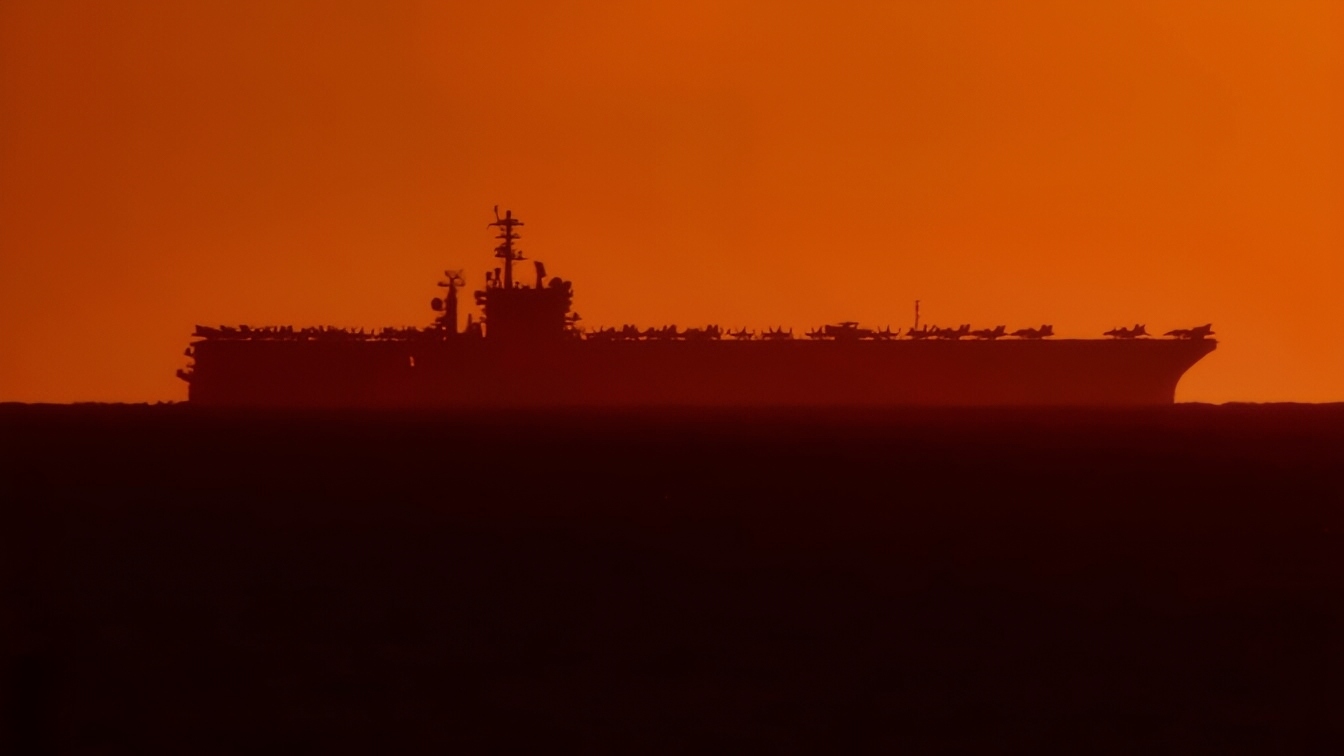
Indian Ocean (January 6th, 2021)
The aircraft carrier USS Nimitz (CVN 68) steams in the Indian Ocean, Jan. 6. Nimitz is the flagship of the Nimitz Carrier Strike Group and is deployed to the U.S. 5th Fleet area of operations to ensure maritime stability and security in the Central Region, connecting the Mediterranean and Pacific through the Western Indian Ocean and three critical chokepoints to the free flow of global commerce. (U.S. Navy photo by Mass Communication Specialist Seaman Drace Wilson)
The global economy is dangerously dependent on a single and highly volatile maritime chokepoint, and even if the White House is right that a deal will be signed in Europe in the coming days, nothing will really change.
The Hormuz crisis could recur, and the world would face the same problems all over again. So, could the months or years between now and the next crisis determine the future of the global energy industry?
Global Oil Production Has Been Hit
The world’s largest oil exporters, including Saudi Arabia and the United Arab Emirates, among others, have been forced to slash oil production as a result of traffic flow disruptions. Almost 10% of global oil demand, at least 10 million barrels per day of oil production, has been cut following the crisis.
According to the International Energy Agency, it will also take time for that production to restart even if the crisis is resolved. The agency said in March that even if Hormuz reopens entirely, production losses would still increase.
“Shut-in upstream production will take weeks and, in some cases, months to return to pre-crisis levels depending on the degree of field complexity and the timing for workers, equipment, and resources to return to the region,” the agency explained.
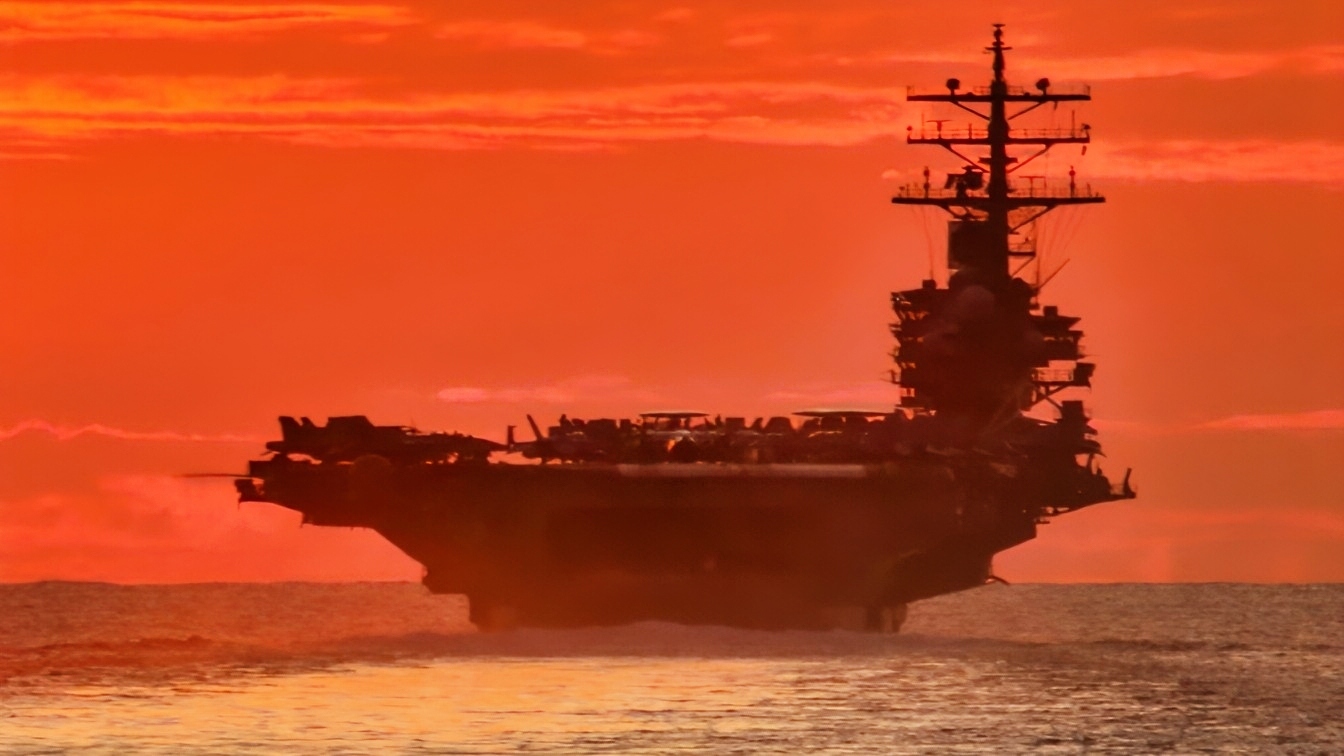
STRAIT OF MALACCA (June 18, 2021) As seen from the Ticonderoga-class guided-missile cruiser USS Shiloh (CG 67), the Navy’s only forward-deployed aircraft carrier USS Ronald Reagan (CVN 76) transits the Strait of Malacca with the Arleigh Burke-class guided missile destroyer USS Halsey (DDG 97). The ships are part of Task Force 70/Carrier Strike Group 5, conducting underway operations in support of a free and open Indo-Pacific. (U.S. Navy Photo by Mass Communication Specialist 1st Class Rawad Madanat)
Now, in June, those losses have worsened, and even with a deal potentially around the corner, restarting production and returning to pre-war output levels could take months. According to an average of agency forecasts published by Reuters, Gulf producers may be able to recover 70% of lost output within three months. Fixing the problem, then, is possible in time – but the damage has already been done.
Europe and Asia Paid the Price
The economic consequences of the crisis have been felt most acutely in Asia, where dependence on Gulf oil is extremely high. 89% of the crude oil and condensate that moved through the waterway was headed to Asian markets.
China, India, South Korea, and Japan accounted for the overwhelming majority of imports, and their dependence on oil from the region has translated into economic turbulence.
The Asian Development Bank warned in May that the region is now facing a “worst-case scenario.” In April, the bank cut its 2026 growth forecast to 4.7% while increasing its inflation estimate to 5.2%. In total, 15 Asian economies have already sought a combined $4 billion in emergency assistance as they deal with rising fuel costs and supply chain disruptions.
Europe has faced a different but equally significant challenge. While the continent imports relatively little Gulf crude, it does rely on liquefied natural gas (LNG), leaving it exposed to the same market turmoil.
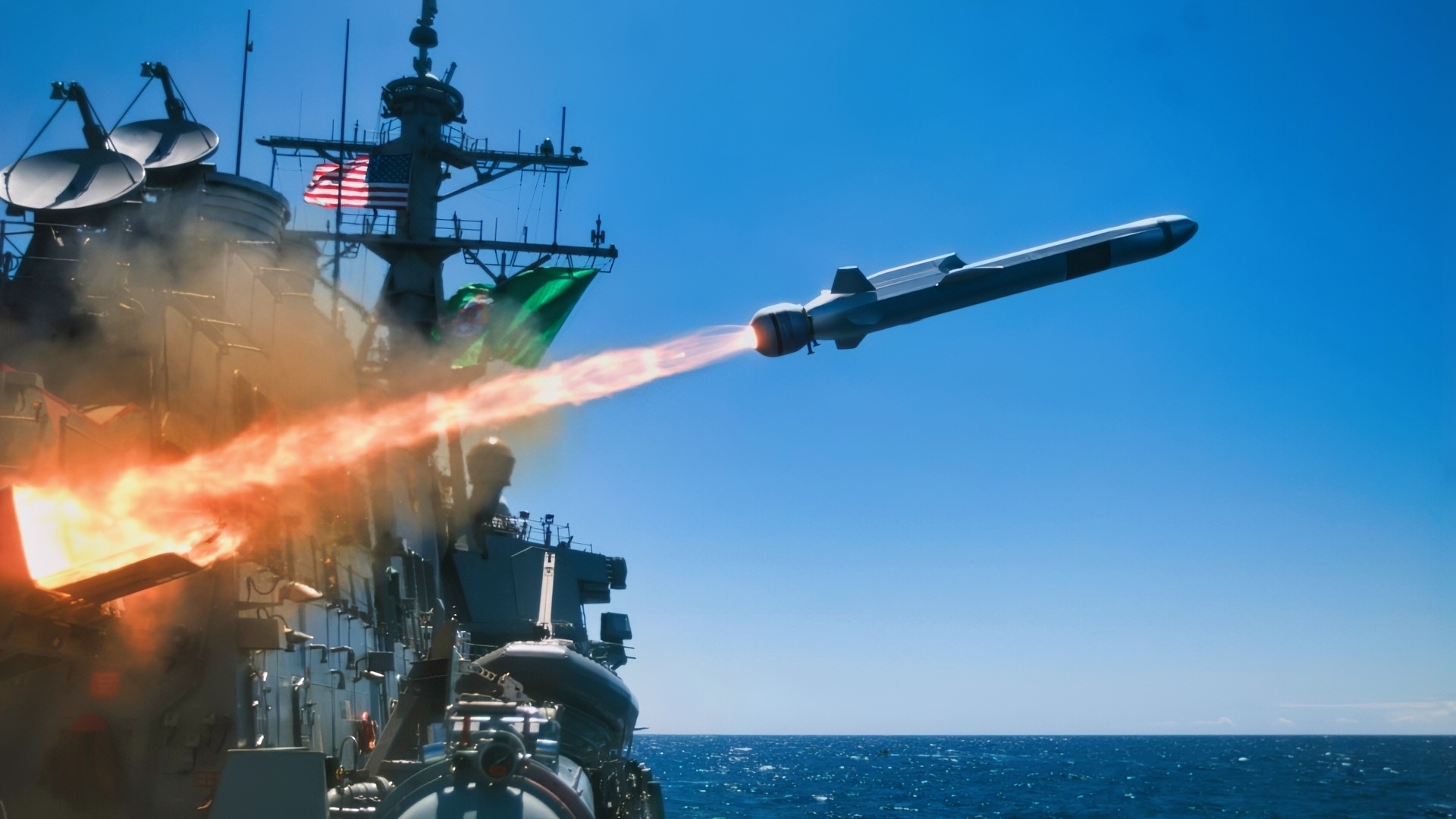
The Arleigh Burke-class guided-missile destroyer USS Fitzgerald (DDG 62), while participating in Exercise Rim of the Pacific (RIMPAC) 2024, fires the first naval strike missile from a U.S. destroyer July 18. Twenty-nine nations, 40 surface ships, three submarines, 14 national land forces, more than 150 aircraft, and 25,000 personnel are participating in RIMPAC in and around the Hawaiian Islands, June 27 to Aug. 1. The world’s largest international maritime exercise, RIMPAC provides a unique training opportunity while fostering and sustaining cooperative relationships among participants critical to ensuring the safety of sea lanes and security on the world’s oceans. RIMPAC 2024 is the 29th exercise in the series that began in 1971. (U.S. Navy photo by Mass Communication Specialist 2nd Class Jordan Jennings)
According to World Bank estimates, European benchmark gas prices could rise by 25% this year as countries compete with Asian buyers for alternative supplies. The International Energy Agency also reported that Dutch TTF natural gas prices rose by over 40% between late February and May.
Could Hormuz Accelerate the Search for Alternatives?
The world knew it was too heavily dependent on Gulf oil – or, more specifically, that it was at risk in the event of disruptions in the Strait of Hormuz. The world also knew that it was at risk of another pandemic before 2020. The difference now, in both cases, is that we have lived that risk and now have a greater incentive to prepare for the next crisis.
The response to the crisis in Hormuz, once it presumably reopens at some stage, may not be a faster transition to wind and solar – although that may be part of the equation. Instead, major economies may now pursue a broader range of alternatives designed to improve energy security.
China, for example, is dramatically expanding its electric vehicle market, with EV adoption helping curb the growth in oil demand. India has also accelerated investments in renewable energy generation while also purchasing more from suppliers outside of the Gulf.
Japan and South Korea are also exploring nuclear energy to reduce dependence on imported fossil fuels. Europe is following a similar strategy, diversifying its LNG imports and investing in additional regasification terminals – facilities that convert imported liquefied natural gas back into usable gaseous form before it is distributed through domestic pipeline networks.
Europe is also extending the lives of some of its nuclear power stations, including Belgium’s Doel 4 and Tihange 3 reactors, which the government agreed to keep operating until at least 2035.
The Hormuz crisis may ultimately prove to be the tipping point that forces governments to reduce their dependence on a single vulnerable waterway.
About the Author: Jack Buckby
Jack Buckby is a British researcher and analyst specializing in defense and national security, based in New York. His work focuses on military capability, procurement, and strategic competition, producing and editing analysis for policy and defense audiences. He brings extensive editorial experience, with a career output spanning over 1,000 articles at 19FortyFive and National Security Journal, and has previously authored books and papers on extremism and deradicalization.


