

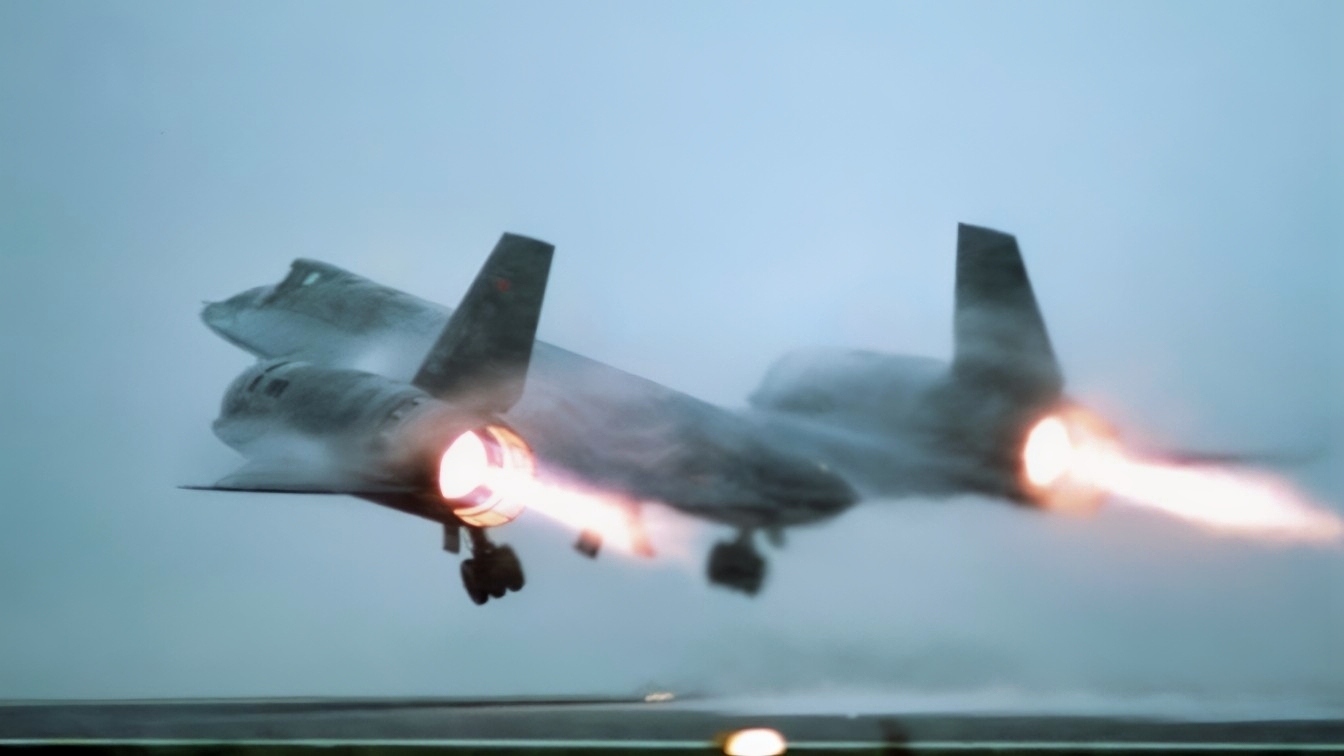
In 1984, an SR-71 Blackbird flying at 83,000 feet over the Soviet Kola Peninsula lost both Pratt & Whitney J58 engines simultaneously — and dropped 65,000 feet toward the Barents Sea in less than two minutes. Pilots Joseph Matthews and Curt Osterheld experienced “crushing G-forces” as the Lockheed Skunk Works aircraft yawed sideways through the atmosphere at Mach 3. Matthews manually restarted the engines just in time to avoid ejection, refueled near Norway, and brought the spy plane home.
The SR-71 Blackbird Near Disaster
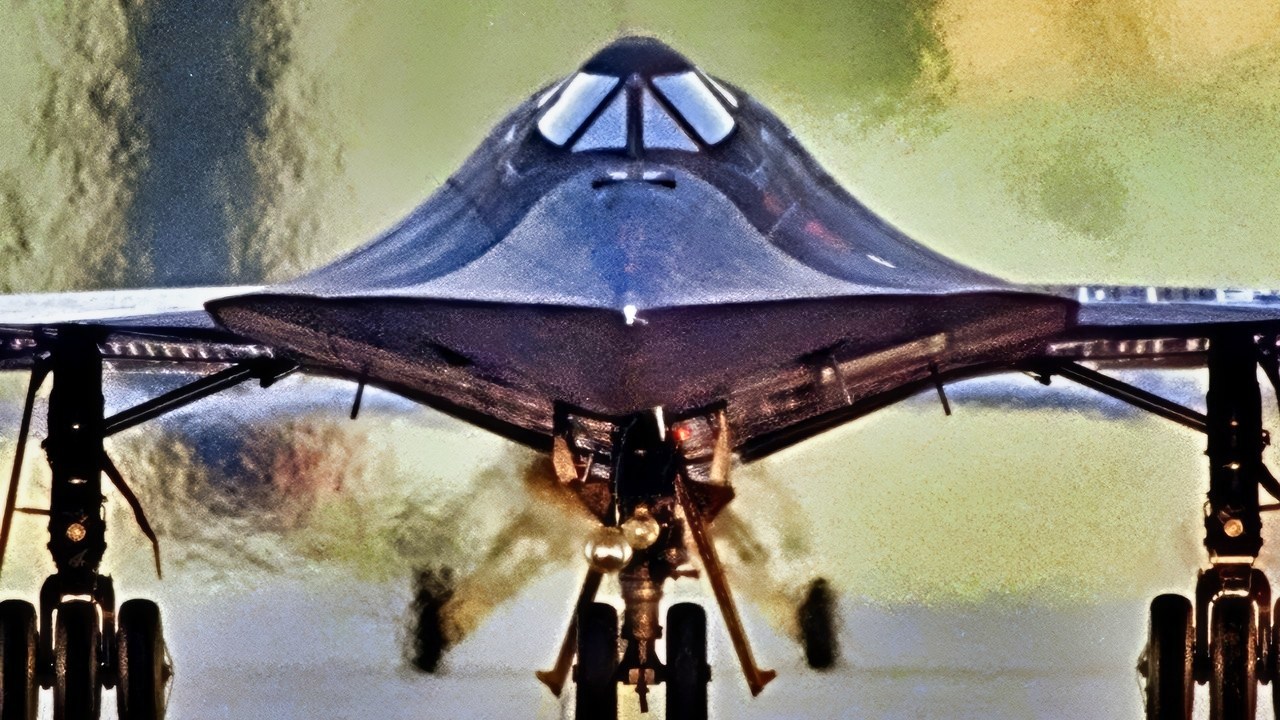
SR-71 Blackbird Really Up Close. Image Credit: Creative Commons.
Most aviation enthusiasts are quite familiar with the famous Cold War SR-71 Blackbird spy plane’s ability to outrun missiles by flying at Mach 3, yet comparatively few may be aware of the 1984 “Murmansk” incident in which the aircraft simply began to drop from the sky at 83,000 feet.
The aircraft was conducting a critical, highly sensitive Cold War reconnaissance mission to monitor the Russian Navy when a technical complication, an “unstart,” caused it to lose thrust and begin “dropping” thousands of feet into the Barents Sea.
Just at the point where “ejection” would have been the only option for the crew, pilots were able to “restart” the aircraft and essentially resurrect its lift and flight.
Built by the legendary Skunk Works division, the SR-71 was designed to do something no other aircraft of its era could accomplish: fly so high and so fast that enemy defenses would be unable to stop it.
Cruising at speeds above Mach 3 and altitudes exceeding 80,000 feet, the Blackbird was uniquely positioned to offer the U.S. a decided advantage over its Soviet rival.
An SR-71 Blackbird “Unstart”
Building an aircraft capable of flying at Mach 3 speeds involved complex engineering, including technical risks such as an “unstart.”
An “unstart” occurs when airflow through the engine intake is disrupted, causing aerodynamic instability and an immediate loss of thrust.
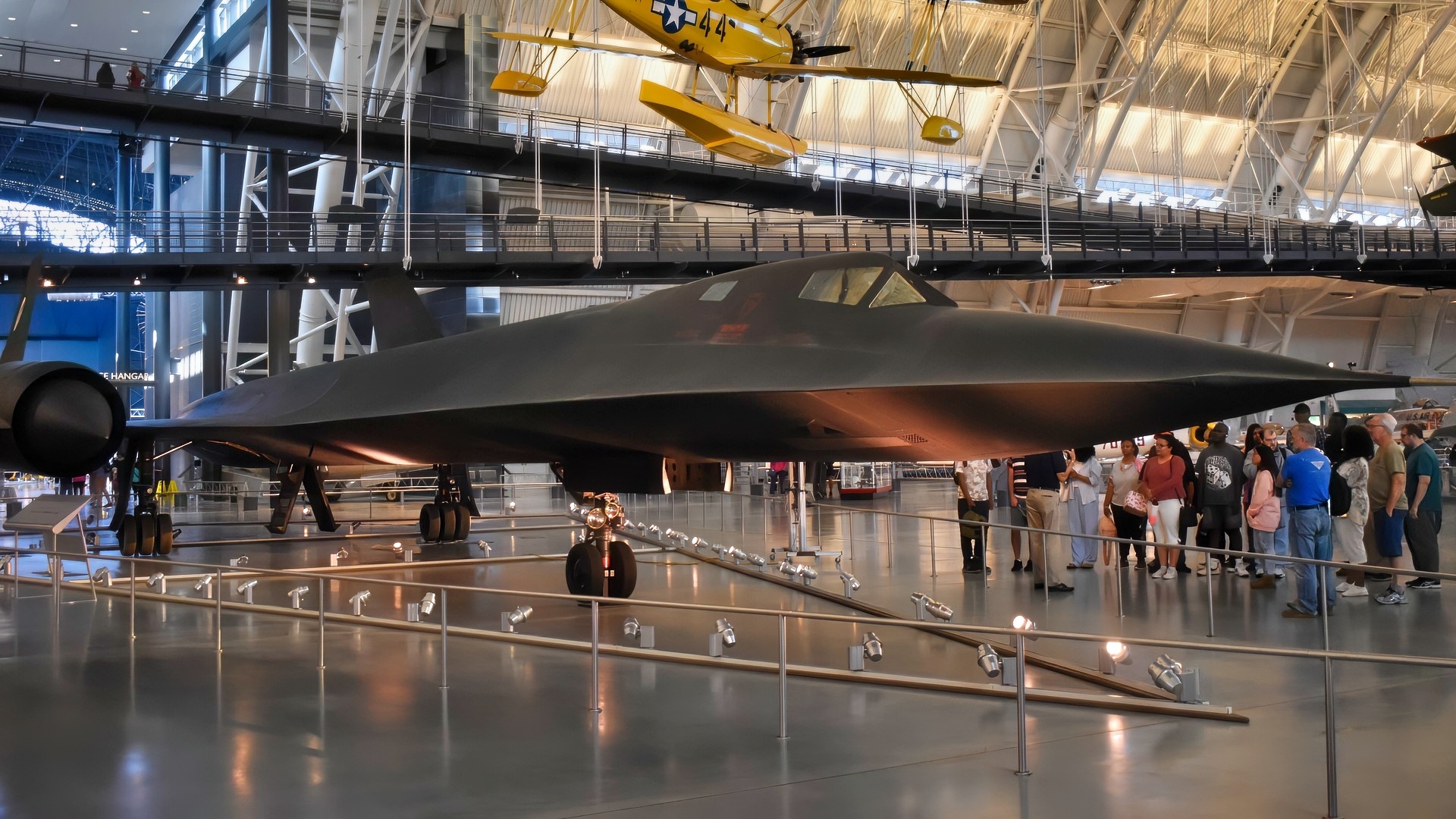
SR-71 Blackbird NSJ Photo. Image Credit: Dr. Brent J. Eastwood.
The risk of an “unstart” emerged from the complex Pratt & Whitney J58 unconventional jet engines, which functioned like “ramjets” at high speed. It is not surprising that efforts to push the boundaries of high-speed flight would entail significant technological risks.
The Murmansk “Drop”
The incident took place during a reconnaissance mission near the Soviet Kola Peninsula, close to the strategic naval facilities around Murmansk.
The aircraft involved was piloted by Joseph Matthews, while Reconnaissance Systems Officer Curt Osterheld engaged the sophisticated radar and surveillance equipment from the rear cockpit.
Their mission was part of a routine intelligence-gathering operation intended to monitor Soviet submarine and naval activity in the region
As the Blackbird approached its closest point to Murmansk, the right engine experienced a severe intake “unstart.”
A significant essay in the 19FortyFive Magazine explains how Osterheld later described the event, saying the aircraft yawed so violently that it felt as though the SR-71 were flying sideways through the atmosphere.

SR-71 National Security Journal Image.
At Mach 3, even the slightest imbalance in thrust could create catastrophic forces. Matthews immediately recognized the danger.
To counter the asymmetric drag caused by the failed engine, he shut down the second engine as well. While this restored balance, it also meant the aircraft now had no thrust at all. In less than two minutes, the aircraft reportedly dropped from 83,000 feet to around 18,000 feet.
Falling Like a Brick
A 2017 essay on the incident in History.net cites Osterheld describing the aircraft’s descent as “falling like a brick.”
Within moments, the aircraft began plunging downward toward the icy waters of the Barents Sea.
The crew experienced crushing G-forces during the desperate attempt to recover control.
Meanwhile, Soviet radar operators and NATO tracking stations observed the aircraft’s dramatic altitude loss in real time, unsure whether it was crashing or under attack.

SR-71 Blackbird. Image Credit: Creative Commons.
Finally, after several failed attempts, Matthews managed to restart the engines manually.
The aircraft stabilized and recovered from its steep descent just in time to avoid disaster.
However, recovering thrust did not end the danger to the Blackbird, as the aircraft lacked sufficient fuel to return to base, prompting immediate coordination with tanker aircraft.
The aircraft eventually linked up with a tanker near Norway and received enough fuel to continue the journey home.
About the Author: Kris Osborn
Kris Osborn is a Military Technology Editor. Osborn is also President of Warrior Maven – Center for Military Modernization. Osborn previously served at the Pentagon as a highly qualified expert in the Office of the Assistant Secretary of the Army—Acquisition, Logistics & Technology. Osborn has also worked as an anchor and on-air military specialist at national TV networks. He has appeared as a guest military expert on Fox News, MSNBC, The Military Channel, and The History Channel. He also has a Master’s Degree in Comparative Literature from Columbia University.


