


In June 1986, six Soviet MiG-31 Foxhound interceptors tried to trap a single American SR-71 Blackbird over the Barents Sea. The Soviet pilots had exactly 16 minutes after warning to position themselves for a firing solution against an aircraft flying Mach 3.2 at 80,000 feet. The SR-71 outran every missile — and no MiG-31 ever shot down a Blackbird.
SR-71 Blackbird vs. MiG-31: It Was a Close Call
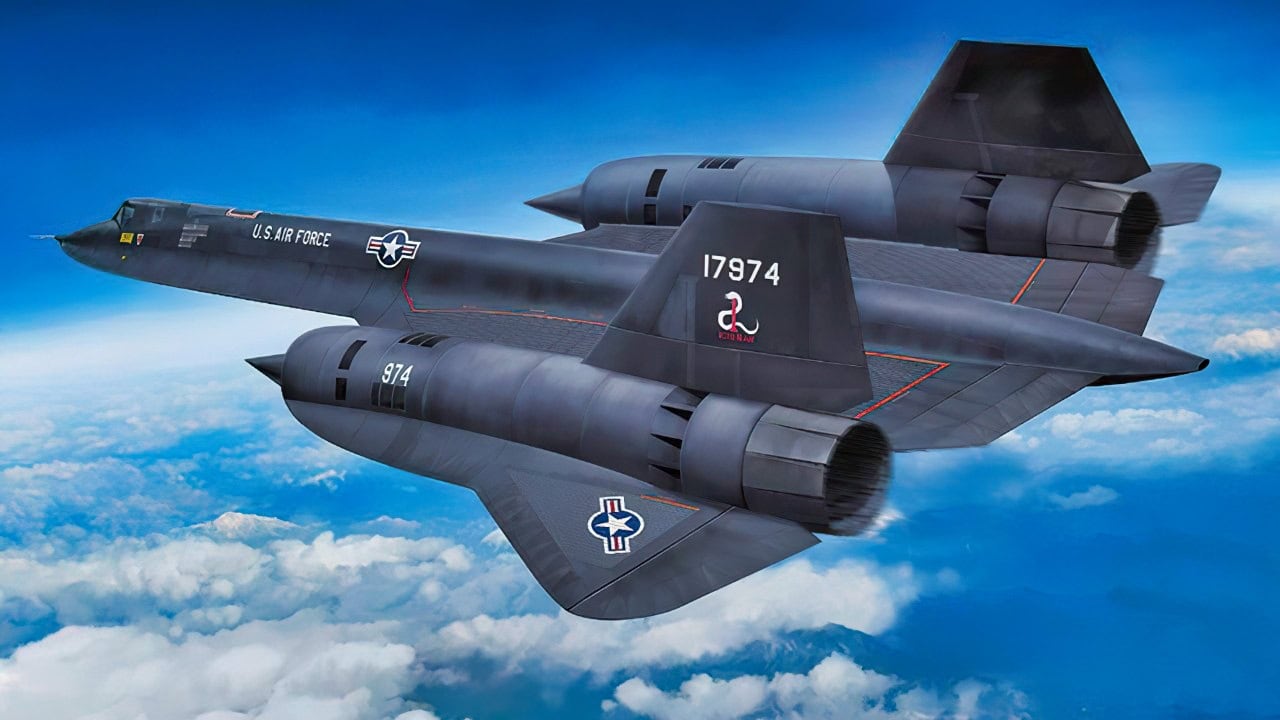
SR-71 Blackbird. Image Credit: Creative Commons.

SR-71 Blackbird National Security Journal Photo by Dr. Brent M. Eastwood.
The SR-71 Blackbird was unequivocally one of the most important, powerful planes in the US fleet during the Cold War. Designed for reconnaissance missions deep inside enemy territory, the key to the Blackbird was speed rather than stealth. Traveling at more than Mach 3.2 and at 80,000 feet, the Soviet Union had little hope of shooting these planes down. That is, until the Reds created the Mikoyan MiG-31 interceptor.
A key event in June 1986 highlighted that, even with the MiG-31, the Soviet Air Force had little hope of intercepting the fast, high-flying SR-71.
At its core, the SR-71 Blackbird’s self-defense doctrine redounded to one simple idea: fly faster than any missile the Soviets could fire at it. Pilots of the Blackbird frequently described their best “escape maneuver” as simply pushing the throttles forward to max out the speed of the SR-71 and outrun the enemy threat envelope.
Why the MiG-25 Could Never Catch the Blackbird
Soviet pilots were forced to watch from afar as the American SR-71 punched holes throughout their territorial defenses. Interceptors, such as the Mikoyan-Gurevich MiG-25 “Foxbat”, could get near to the Blackbird.
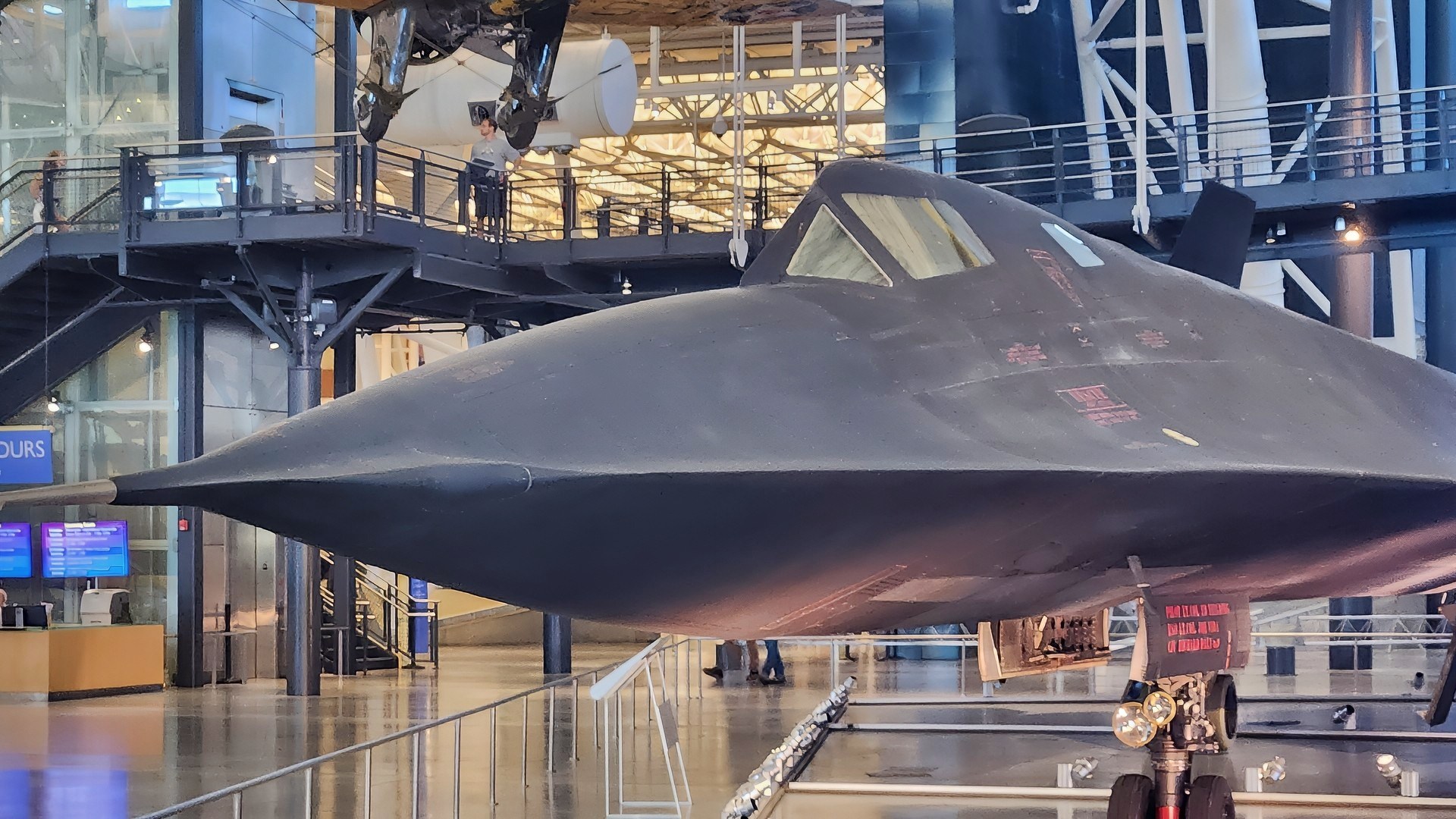
SR-71 Blackbird National Security Journal Photo Collection.
Generally, though, these Soviet planes could not achieve a firing solution on the supersonic Blackbirds. The Foxbat was fast, but it burned fuel rapidly and could not keep up with the SR-71.
Enter the MiG-31 Foxhound
When the Soviets first fielded the MiG-31 “Foxhound”, though, everything changed. The MiG-31 was specifically designed for long-range interception of high-speed targets, like the SR-71. Important features of the MiG-31 included the powerful Zaslon phased-array radar, long-range R-33 missiles, high-speed and high-altitude performance, networked interception tactics, and better endurance than the MiG-25. The Soviets reportedly developed highly choreographed intercept procedures against SR-71 routes over the Baltic and Barents Seas.
According to former Soviet pilots and Western reporting, MiG-31’s had to launch almost exactly 16 minutes after warning to place themselves at the right point in the sky for a possible firing solution.
So, the MiG-31 was less of a dogfighter and more of an exploiter of fortuitous geometry.
The June 1986 Barents Sea Incident
That June 1986 mission over the Barents Sea is an important story in the life of the MiG-31. At that time, six MiG-31s reportedly conducted a coordinated attempt against an SR-71 Blackbird that had entered Soviet airspace.
SR-71 crewmembers who experienced this event explained that multiple aircraft and ground-controlled vectors were created by the Soviets to ensure they had overlapping missile engagement zones.

MiG-31 Flying High Russian Air Force. Image Credit: Creative Commons.

MiG-31 Russian Air Force. Image Credit: Creative Commons.
Since the SR-71’s greatest feature was its ability to outrun missiles, the Soviet pilots attempted to create redundancy in the killbox for the American Blackbird by having multiple MiG-31s operating in tandem to create overlapping fields of fire with their missiles. Sure, the SR-71 could outrun one or even two missiles. But multiple missiles fired from many fast-flying MiG-31s? That would be a far more difficult prospect.
Some Russian accounts later claimed that the MiG-31 operation “pushed” the SR-71 away from certain routes. Russian media and former pilots occasionally argue that the MiG-31 “solved” the SR-71 problem. Although that claim is likely overstated. After all, the SR-71 was never shot down by Soviet fighters. What the Foxhound did was narrow the Blackbird’s margin of invulnerability.
The MiG-31 Changed Soviet Air Defense Strategy
What made the MiG-31 Foxhound different from other Soviet warplanes was the way in which the Foxhound allowed Soviet air defense networks to operate in tandem to predict where the SR-71 would be, rather than chasing the legendary American plane reactively. There was no chance any Soviet fighter could run down a speeding SR-71. The Reds needed to create intersecting engagement boxes using precise timing and long-range missiles.
By 1986, the Soviets were fighting smarter rather than harder.
The Beginning of the End for the Blackbird Era
Nevertheless, the SR-71 was never defeated tactically in combat. No missile or interceptor ever destroyed one of these birds. But the Soviets were finally creating an integrated air-defense architecture that could radically challenge the Blackbird under specific conditions. That helped reinforce a broader transition away from manned surveillance planes, such as the Blackbird, toward satellites and, eventually, reconnaissance drones.
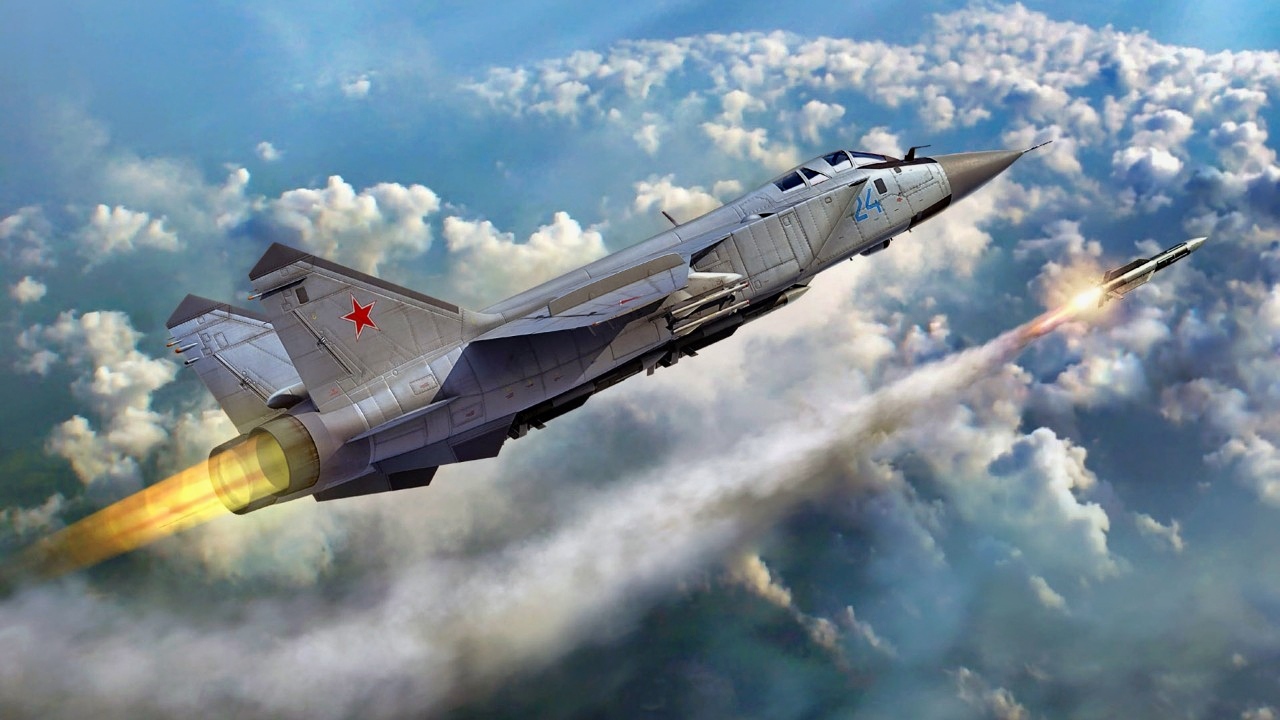
MiG-31 from Russian Air Force. Image Credit: Creative Commons.

MiG-31 Fighter. Image Credit: Creative Commons.
Plus, operating the SR-71 was expensive, and as Soviet interception capabilities improved, Washington began to think the SR-71 was past its prime.
The Blackbird remained legendary because it operated for decades against the most sophisticated air-defense network on Earth–and survived every mission.
By the late Cold War, however, its era of total invulnerability was beginning to narrow.
Had the Cold War continued and the Blackbird had continued to be used for deep-penetration surveillance missions, the chances that the Soviets would eventually have downed one of the SR-71s with their MiG-31 Foxhound tactics were high.
About the Author: Brandon J. Weichert
Brandon J. Weichert is the Senior National Security Editor at 19FortyFive.com. Recently, Weichert became the editor of the “NatSec Guy” section at Emerald. TV. He was previously the senior national security editor at The National Interest. Weichert hosts The National Security Hour on iHeartRadio, where he discusses national security policy every Wednesday at 8 p.m. Eastern. He hosts a companion show on Rumble entitled “National Security Talk.” Weichert consults regularly with various government institutions and private organizations on geopolitical issues. His writings have appeared in numerous publications, among them Popular Mechanics, National Review, MSN, and The American Spectator. And his books include Winning Space: How America Remains a Superpower, Biohacked: China’s Race to Control Life, and The Shadow War: Iran’s Quest for Supremacy. Weichert’s newest book, A Disaster of Our Own Making: How the West Lost Ukraine, is available for purchase at any bookstore. Follow him via Twitter/X @WeTheBrandon.


