


Published on August 15, 2025, 6:36 PM EDT – Key Points and Summary – The U.S. Air Force showcased in 2024 the B-2 Spirit’s readiness with a massive “elephant walk” at Whiteman Air Force Base.
-The exercise, which featured 12 of the stealth bombers taxiing in formation, serves as a powerful display of operational agility and a morale boost for crews.

Right Up Front B-2 Bomber USAF Museum. Image by Harry J. Kazianis/National Security Journal.
-While not a frequent event, these displays are a critical rehearsal for large-scale operations and a potent reminder to adversaries of the overwhelming and precise firepower the B-2 fleet can rapidly deploy anywhere in the world.
B-2 Bomber Elephant Walk Means the U.S. Air Force Is Coming
The best stealth bomber in the world, the B-2 Spirit, has enjoyed a very good year.
U.S. President Donald Trump called on B-2s to carry out a bombing mission against Iranian nuclear infrastructure on June 22. Iran’s three nuclear sites were heavily damaged in the successful long-range strike mission, which saw no American airplane lost.
But how do pilots and their ground crews get ready for such an intricate and dangerous operation?
What Does ‘Elephant Walk’ Mean?
One way to prepare is to perform what is called an “elephant walk” to show massive force, operational agility, and unity. This morale-boosting formation pools a large number of airplanes that taxi down a runway before lift-off. This can raise the spirits of all personnel in an air wing.
It’s All About the B-2
Last year, 12 B-2s conducted one of these massive fly-offs to show they are ready for battle anytime and anyplace. This happened in April 2024, and it was one of the biggest B-2 elephant walks in history.
The show of force took place at Whiteman Air Force Base, Missouri. This elephant walk occurred during the end of the Air Force Global Strike Command’s annual Spirit Vigilance readiness exercise.
Why Do It?
Elephant walks reward pilots and their ground crews with a fun exercise that also puts the fear of God into the enemy. The exercise can also remind the general public that the Air Force is the sharp end of the U.S. spear in any conflict.
Air combat calls for the ability to be operationally agile and lethal at all times. Elephant walks are a great example of teamwork and interoperability.
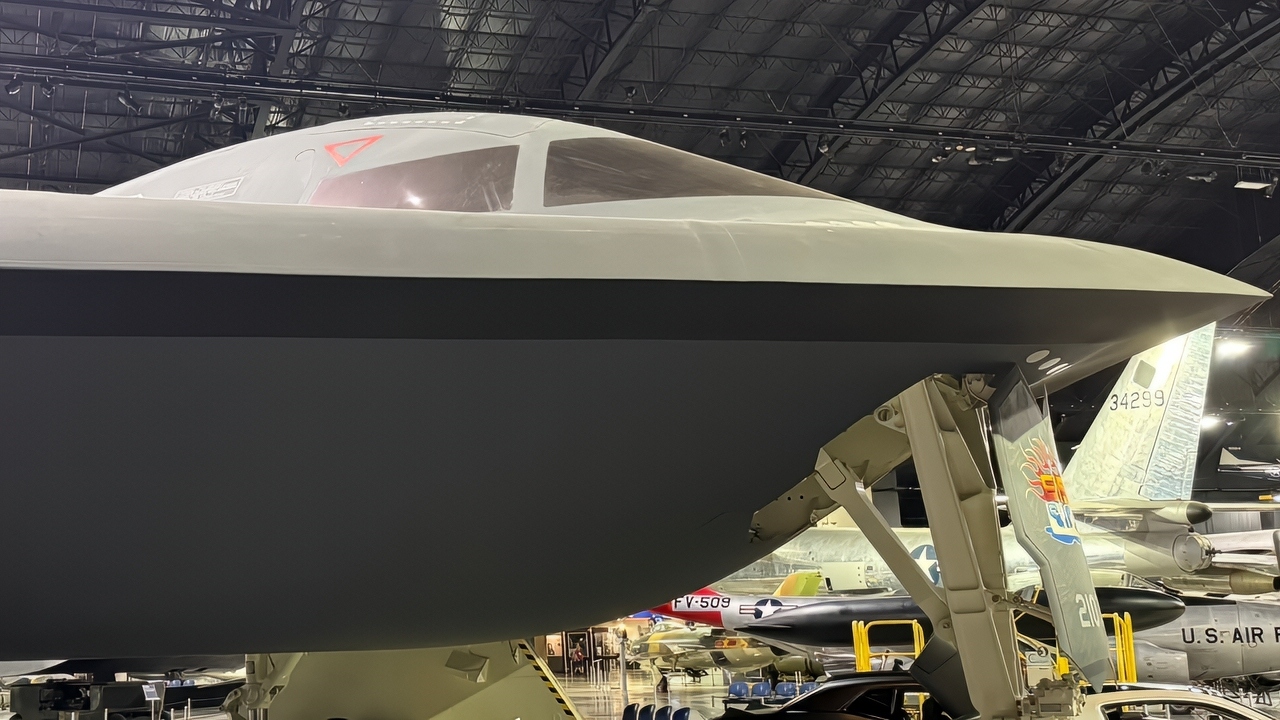
B-2 Bomber Really Close Up National Security Journal Photo
Elephant walks are also evidence that massive amounts of firepower can quickly rain down on the enemy. The principle of mass and devastating force results in aerial victories. Moreover, elephant walks are rehearsals to prosecute joint warfare with other service branches.
“Visual displays of power can serve as a reminder to potential adversaries of the overwhelming air power that the B-2 can bring to bear,” a public affairs specialist for the 509th Bomb Wing, which operates the Air Force’s operational B-2 fleet, told Air & Space Forces Magazine.
Awe-Inspiring Show of Force
Photos of the elephant walk reveal that the B-2’s large flying-wing design can take up all of a runway. The Air Force does not often show the B-2 to the public, and the bomber rarely flies within sight of civilians. But an elephant walk gives evidence that the stealth bomber is ready to penetrate deeply into enemy airspace, drop bombs and fire missiles, then return home from a mission thousands of miles away.
“Exercises are both critical to our readiness and a powerful tool to demonstrate to the world that the B-2 is a credible and reliable strategic deterrent,” Col. Keith Butler, 509th Bomb Wing commander, said in a news release.
Successful Destruction of Iranian Nuclear Sites
The B-2 can deliver bunker buster bombs as it did in Iran, or deploy nuclear weapons in a strategic strike. You don’t hear much Iranian bragging about their nuclear program at the moment. The commander-in-chief made a tough call to go after the Middle Eastern country’s three nuclear sites.
The United States was not sure just how powerful Iranian air defenses would be, and whether the stealth bombers would come back in one piece.
The success of the mission can be traced back to realistic training and a high level of intricate teamwork between pilots and ground crews. You have to thank command-and-control from the Air Force brass, as well, and the elephant walk is one way these units and their capabilities come together.
While elephant walks do not happen often, they are a way Air Force personnel can be rewarded with a joyful exercise in military power and lethality. Photos of elephant walks are valuable morale-lifters.
The B-21 Raider is soon to arrive as the latest U.S. stealth bomber. Someday pilots and ground crews will get to see the B-21 engage in an elephant walk, and that will be a good day for civilian media and the general public—not to mention exciting for the personnel involved.
Elephant walks are an important form of training. Officers and airmen should get to conduct exercises that show off combat capability and military strength while also having some fun.
We will always keep track of elephant walks at National Security Journal. The photos are phenomenal and serve as a reminder to U.S. adversaries that Air Force aircraft can strike anywhere and at any time, with a high level of lethality and operational readiness.
About the Author: Dr. Brent M. Eastwood
Brent M. Eastwood, PhD is the author of Don’t Turn Your Back On the World: a Conservative Foreign Policy and Humans, Machines, and Data: Future Trends in Warfare plus two other books. Brent was the founder and CEO of a tech firm that predicted world events using artificial intelligence. He served as a legislative fellow for U.S. Senator Tim Scott and advised the senator on defense and foreign policy issues. He has taught at American University, George Washington University, and George Mason University. Brent is a former U.S. Army Infantry officer. He can be followed on X @BMEastwood.
Military Matters


