


Key Points and Summary – During the Cold War, the Soviet Union chased exotic undersea performance with titanium-hulled submarines like the Alfa and Mike classes—boats that could dive deeper and sprint faster than anything in the U.S. fleet.
-On paper, they looked unbeatable. In reality, they were brutally expensive, nightmarish to build and repair, and often unsafe.
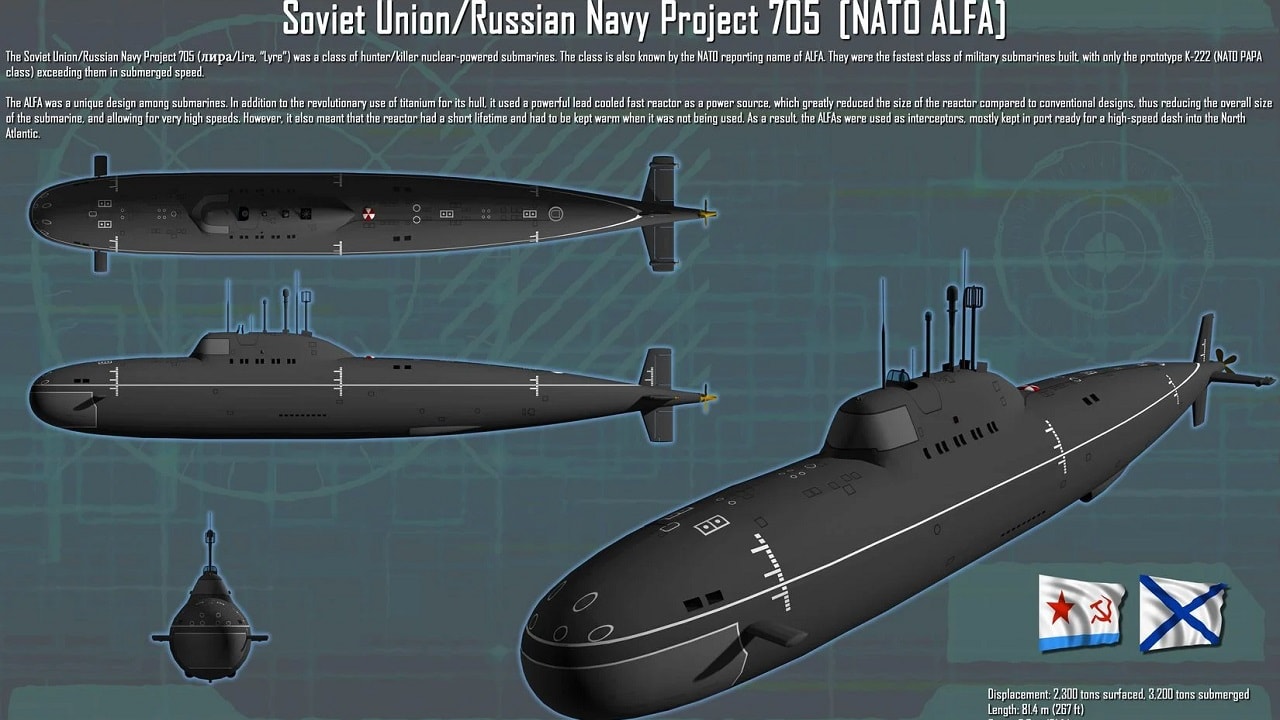
Alfa-Class Submarine. Image Credit: Creative Commons.
-Washington made a different bet: quieter steel hulls, better sensors, and more lethal torpedoes such as the Mark 48.
-That choice let the U.S. and its allies field far more submarines, maintain them easily in wartime, and still dominate undersea warfare—without chasing titanium for its own sake.
What If The US Navy Built Titanium Submarines?
The US Navy has built some fantastic submarines in the past 100 years. But one submarine they haven’t built, and the Soviets and Russians have, is titanium-hulled. During the Cold War, the Soviets built several Lira-class submarines (NATO code-named Alfa).
Due to their titanium hulls, Alfas were strong and light. They could race along at 41mph under the sea and submerge past 1,100 feet. The only drawback of the Alfa was its reactor, which was exceedingly noisy. US passive sonar could easily hear it.
The Alfa was also used as the nemesis submarine in the film The Hunt for Red October, starring Sean Connery. Coincidentally, the KGB officer on the Red October that Connery killed early in the film was named Putin.
Russia has built two Sierra II-class submarines, which retain the speed and diving ability of the Alfa but are much quieter, giving them the stealth that the Alfa never had.
What if the United States had chosen to build a titanium-hull submarine? Would it have changed the way the Navy operated?
The US Chose Steel Over Titanium
The US Navy’s decision not to design and build a titanium submarine was a conscious decision and, in retrospect, the correct one. The Navy chose to spend on stealth, sensoring, and a more straightforward manufacturing process rather than focus on record speeds or depths.
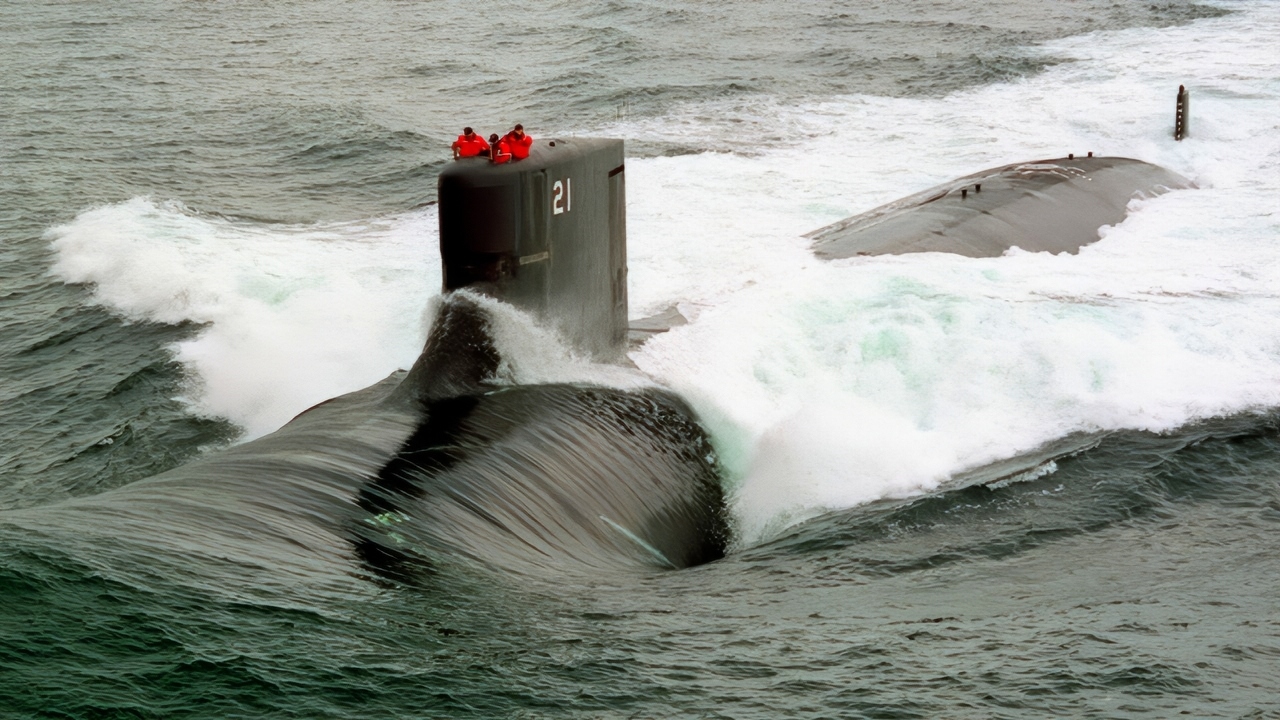
The U.S. Navy attack submarine, USS Seawolf (SSN 21), conducts Bravo sea trials off the coast of Connecticut in preparation for its scheduled commissioning in July 1997. Image Credit: Creative Commons.
Not to mention, any repairs done to a steel-hulled submarine are much easier to accomplish and far less expensive than working with titanium.
The Russians’ switch from titanium back to steel drives home the point that while it possesses many attributes, a titanium-hulled submarine may not have been worth the time and expense.
Titanium Submarines, Pros and Cons
Titanium is the ninth most abundant element found in the Earth’s crust. However, extracting pure titanium from the minerals in which it is found is very expensive and challenging due to its chemical properties.
During the Cold War, both the Soviet Union and the United States spent billions of dollars on weapons and military technology. There were so many advancements in military weapons, aircraft, naval ships, and related technology that it literally defies description. Nothing advances technology faster than when humankind is trying to kill each other.
However, the Soviets were the only ones to attempt to build a submarine out of titanium. It would make the boats lighter, stronger, and able to reach speeds no one else could and dive deeper into the ocean.

Sierra-Class-Submarine. Image Credit: Creative Commons.
The Russians wanted to try a titanium hull because, although it is stronger than steel, it weighs only half as much. Titanium is also less corrosive in salt water than steel. By using automation, the Alfas had a crew of only 32. They were smaller, faster, and could race to any hotspot the Red Navy needed.
“Titanium is a pure elemental metal, whereas industrial steel is typically an alloy of iron and carbon. American submarines are primarily made using HY-80, a steel alloy of nickel, molybdenum, and chromium. It’s reliable and durable, but it’s not titanium.
“During the Cold War, the Soviet Union saw the benefits of building submarines with titanium and designed its Lira-class (NATO designation “Alfa”) using the metal in its hulls. This made Soviet submarines faster, quieter, and able to reach lower depths than their American counterparts,” SlashGear wrote.
The Alfa’s Were Far From Perfect
However, the Alfas had several drawbacks. Although a titanium hull is robust for its weight, working with the metal is difficult and extremely expensive, and the Soviet Union struggled to maintain the industrial infrastructure needed to produce and repair them.
For the manufacturing process, Soviet engineers had to build large, hermetically sealed plants filled with argon gas to prevent interference with welding the large titanium panels. Welders inside the argon-filled plant wore a spacesuit to breathe oxygen while working.
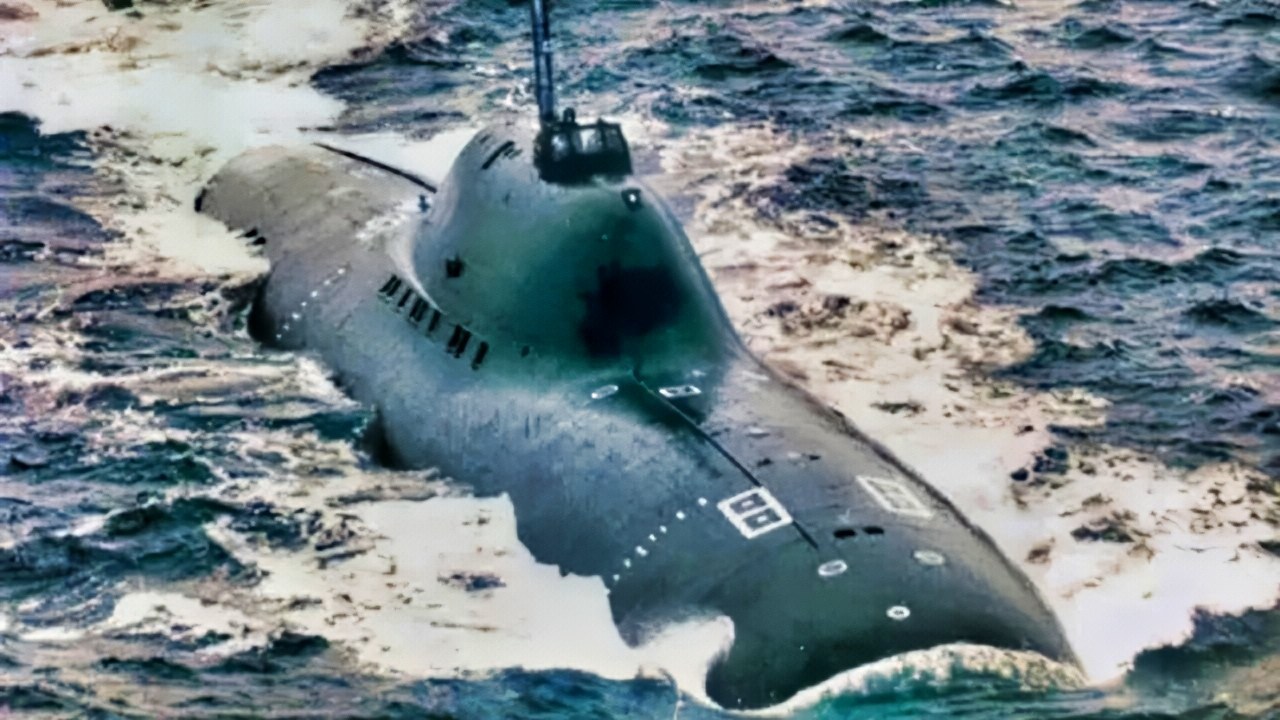
Alfa-Class Submarine Creative Commons Image.
Another issue was that the welding was highly tedious; the slightest mistake would make the titanium weak and brittle. And that could be deadly on an Alfa on a deep dive in the ocean.
Repairs were frequent and very expensive. One particular troublesome prototype reportedly cost the Soviets the equivalent of 1 percent of the USSR’s entire GDP at the time.
The Soviet K-278 Suffered a Catastrophic Failure
The Soviets developed the K-278 Komsomolets, the only Mike-class submarine, which was a showcase of Soviet submarine innovation with its titanium hull and record-breaking deep-diving capabilities.
The K-278 was a fourth-generation nuclear-powered attack submarine prototype that achieved a record dive of 3,350 feet in 1984.
The K-278’s typical Soviet-era design prioritized performance over safety measures. And in 1989, a fire led to several malfunctions of the automation that the crew could not control. She sank in the Barents Sea, along with most of her crew, who died of exposure before they could be rescued.
The Americans Just Built Better Torpedoes
Throughout the Cold War, if the US built a new aircraft, the Russians would make a counter to it, and vice versa. The same went for everything, including the space race. You put the first man in space…we put a man on the moon.
But when the Alfa came out, the Americans didn’t do the same old dance. They didn’t try to build a titanium hull for the next submarine. They just created a better weapon to hunt the Alfa. The Mark 48 Torpedo – focused on speed to ensure they could catch the titanium Alfa submarines.
The Mark 48 is still in service today. The Alfas were a formidable opponent, but the cost of building and operating them prevented the Soviets from building more.
Could titanium subs be built in the future? Absolutely, but the technology to cheaply build them isn’t quite there yet.
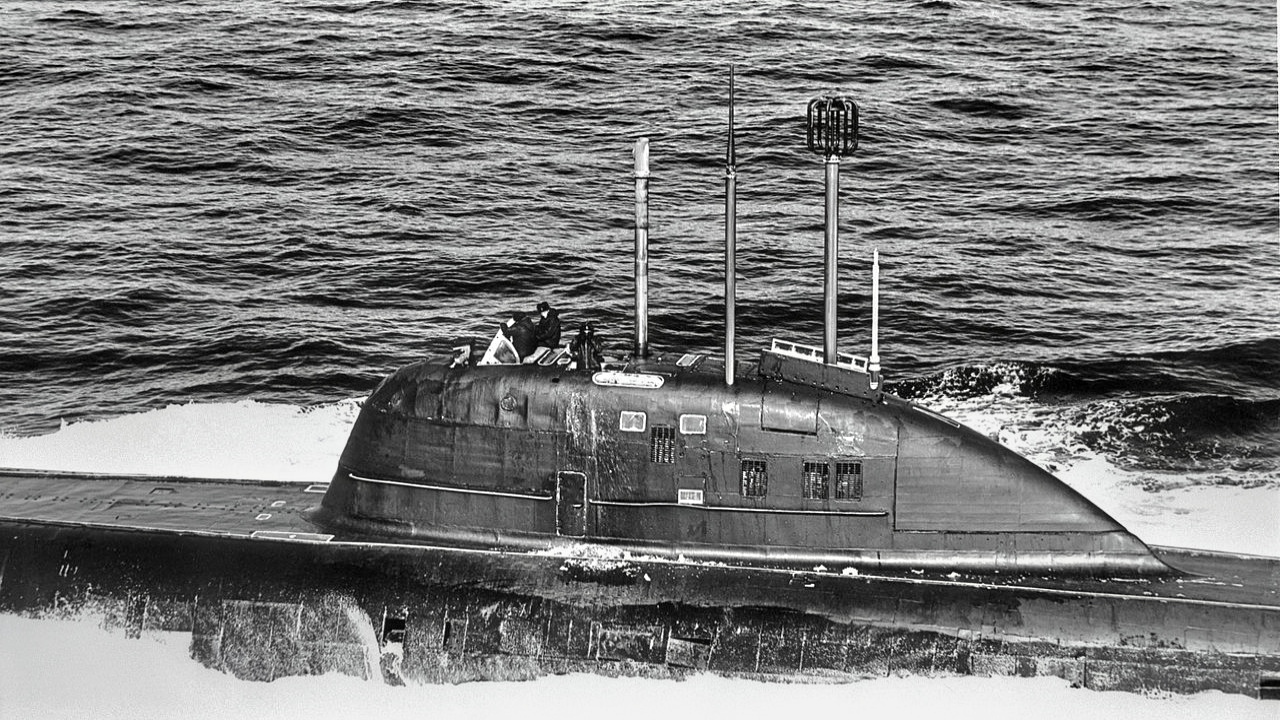
K-278 Komsomolets Mike-Class. Image Credit: Creative Commons.
And while we should always look toward the future, the present is also significant. While the Soviets and Russians operate singularly, the US operates with numerous allies around the world.
Our allies operate steel-hulled submarines, and during wartime, shipyard repairs don’t require a hermetically sealed argon gas environment.
Commonality among our allies is our strength. And while we frequently criticize many of the decisions our defense industry and services make, staying with the steel-hulled submarine was absolutely not one of them.
The Navy chose stealth, sensoring, and the ability to carry a multitude of weapons for its submarine fleet over a niche capability. While they won’t set speed and depth records, their ability to locate, engage, and sink enemy shipping is still second to none.
About the Author: Steve Balestrieri
Steve Balestrieri is a National Security Columnist. He served as a US Army Special Forces NCO and Warrant Officer. In addition to writing on defense, he covers the NFL for PatsFans.com and is a member of the Pro Football Writers of America (PFWA). His work was regularly featured in many military publications.


