
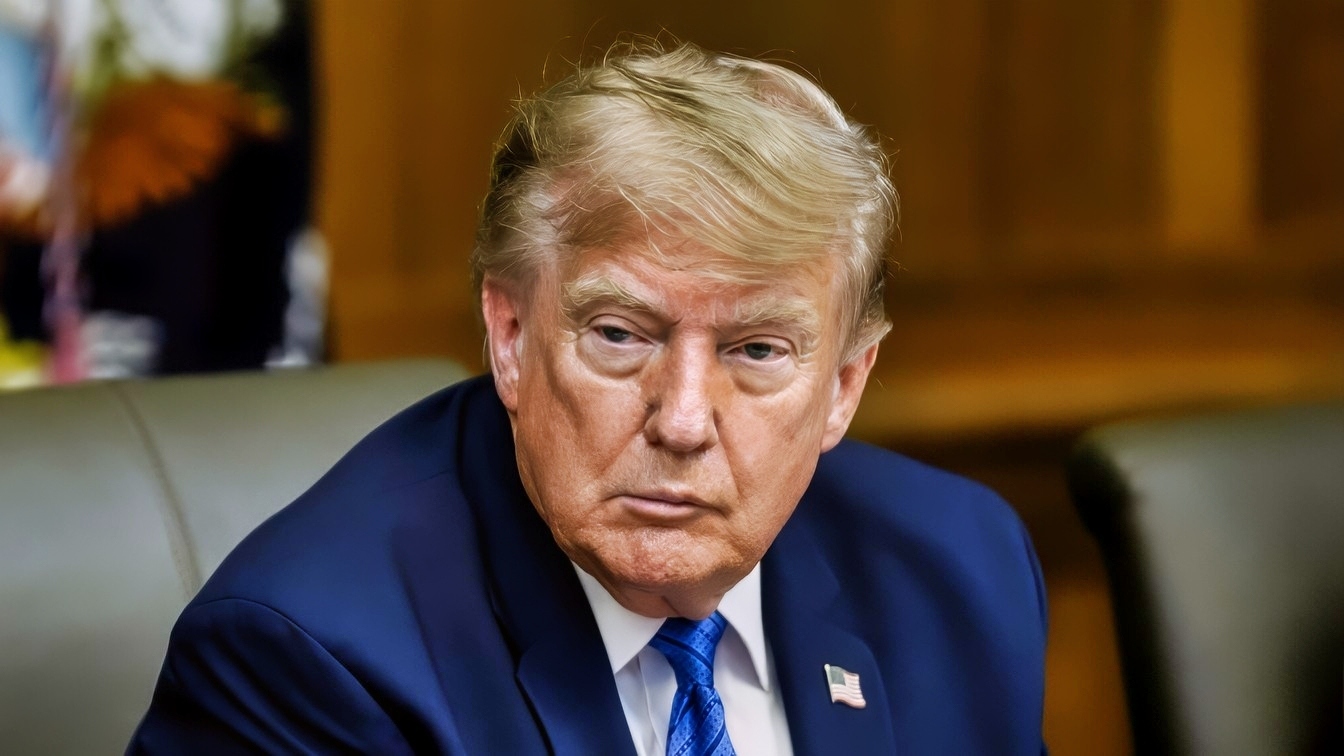
Trump Rules Out Extending Iran Deal, Iran Pushes Back Harder – As Iran steps up its rhetoric and promises to go on the offensive, the regime gave President Donald Trump a new deadline of just a few weeks to change course on the war, threatening to escalate military operations and attempt to break the U.S. naval blockade if Washington does not return to the terms of the failed June memorandum of understanding.
The warning, which was issued by a senior Iranian official on Monday, August 17, came as Trump also ruled out extending the 60-day U.S.-Iran ceasefire agreement that expired on Monday. The president also once again called on Tehran to surrender.
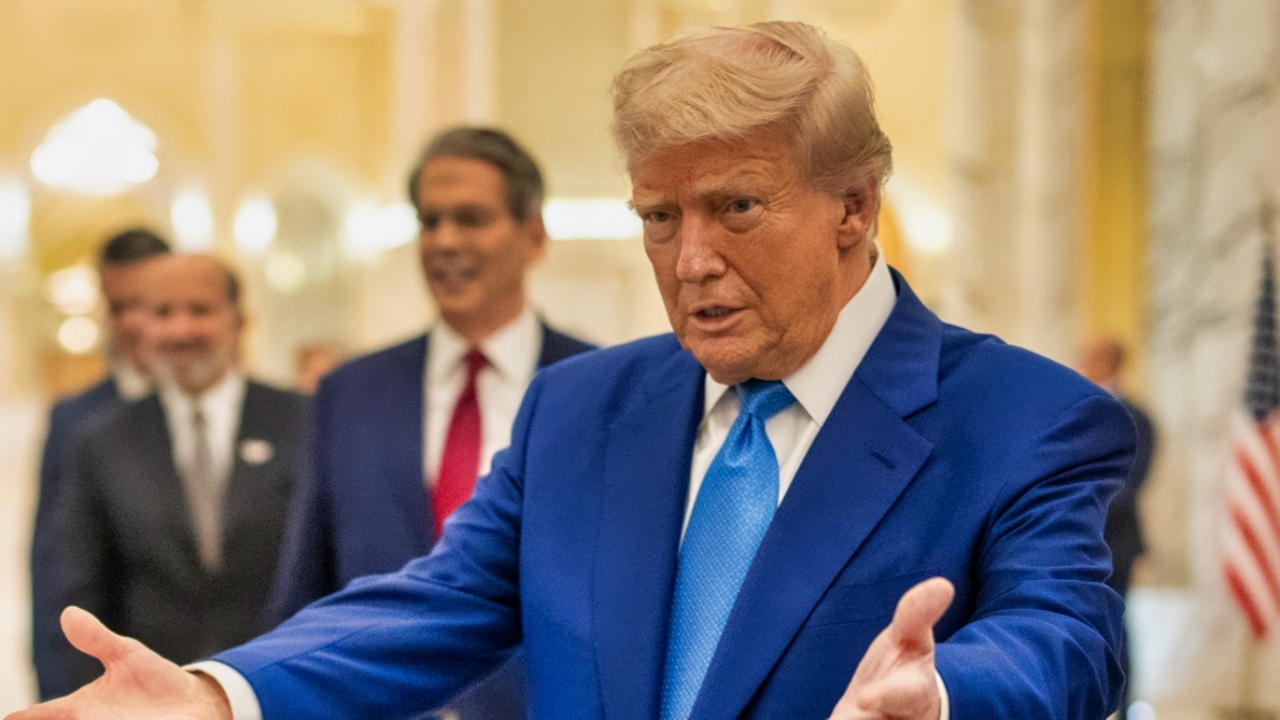
President Donald Trump participates in an welcome line at Qasr Al Watan in Abu Dhabi, United Arab Emirates, Thursday, May 15, 2025. (Official White House Photo by Daniel Torok)

President Donald Trump delivers delivers remarks to troops at Al Udeid Air Base, Thursday, May 15, 2025, in Doha, Qatar. (Official White House Photo by Daniel Torok)
But now, Iran is imposing its own deadline on Washington, with a senior official telling Reuters that Tehran would give diplomatic efforts roughly three to four weeks to produce results, and regional mediators are now expected to communicate Iran’s new position to the United States and other regional governments. If the U.S. doesn’t comply, the official warned, Iran would take “timely and precise” military action aimed at breaking the U.S. blockade and further disrupting shipping through the Strait of Hormuz.
Trump Won’t Extend the Deal
Trump indicated on Monday that he has no interest in reviving the June framework, a ceasefire agreement that neither side considered to be in effect by the time it expired.
Asked at the White House whether he planned to extend the agreement, the president simply responded “no.”
The president also repeated a familiar claim, stating that Iran “want[s] to make a deal” but that they are “not going to make the kind of a deal that I feel is necessary.”
The president also told Fox News on Monday that Iran should simply “put up the white flag of surrender.”
Washington and Tehran still have very different goals, demands, and expectations. Trump is attempting to increase the economic and military pressure on Iran until it accepts U.S. demands, while Tehran now says Washington has only weeks to reverse course before Iran escalates. In effect, the war has become a game of chicken, with Washington reluctant to strike more but theoretically capable of doing so, and Iran willing to ramp up its pressure through asymmetric means and costing the U.S. its remaining supply of high-precision missiles.
Iran Will Go on the Offensive
This week, Iran made it clear that it is no longer operating entirely defensively, with a senior official telling Reuters on Monday that it will now pursue a “fully offensive” strategy, arguing that Iran can no longer simply respond to U.S. military actions while Washington maintains its blockade and pressure campaign.
Tehran, it seems, believes that the United States’ shortage of Patriot interceptors could be precisely the leverage it needs to force Washington to make major concessions and end the war.
The official said Iran could attempt to break the U.S. naval blockade through military action and warned that Tehran’s response would not necessarily be confined to the Strait of Hormuz. Iran is also prepared to expand operations elsewhere in the region, potentially putting U.S. military assets and the infrastructure of American allies at greater risk.
This isn’t the first time that Tehran has threatened to escalate, either.
Tehran previously warned Gulf states against allowing the United States to use their territory or airspace for attacks on Iran and has also threatened energy infrastructure in the region if the United States resumes strikes.
Iran’s New Deadline and What It Means
Iran’s new deadline is interesting. It is specifically tied to Tehran’s demand that Washington return to the terms of the June memorandum – terms with which Tehran failed to comply. When that agreement was in effect, Iranian forces targeted multiple commercial vessels in the Strait of Hormuz before later admitting they were mistakes. The United States responded with military strikes, thereby ending the deal and eventually leading to an almost two-week-long strike campaign by U.S. forces.
Iran’s demands extend well beyond the U.S. stopping its strikes. Tehran is now demanding that Washington end its blockade of Iranian ports, remove the threat of further military action, and allow unrestricted Iranian commercial activity through the strait. Iran also demands full sanctions relief, the release of frozen assets totaling over $100 billion, and over $300 billion in funding to remedy damage caused by U.S. strikes.
If Washington refuses, and Trump seems to be suggesting he will indeed not comply, Iran is threatening new action that would break the blockade. What that action will be is unclear, but under new and harder-line military leadership, the IRGC could well be preparing for new asymmetric action, strikes from its proxy groups in the Middle East, missile attacks on Gulf energy infrastructure, and perhaps additional strikes designed to strain U.S. resources and take advantage of Washington’s dwindling supply of precision-guided missiles and interceptors.
About the Author: Jack Buckby
Jack Buckby is a British researcher and analyst specializing in defense and national security, based in New York. His work focuses on military capability, procurement, and strategic competition, producing and editing analysis for policy and defense audiences. He brings extensive editorial experience, with a career output spanning over 1,000 articles at 19FortyFive and National Security Journal, and has previously authored books and papers on extremism and deradicalization.


