
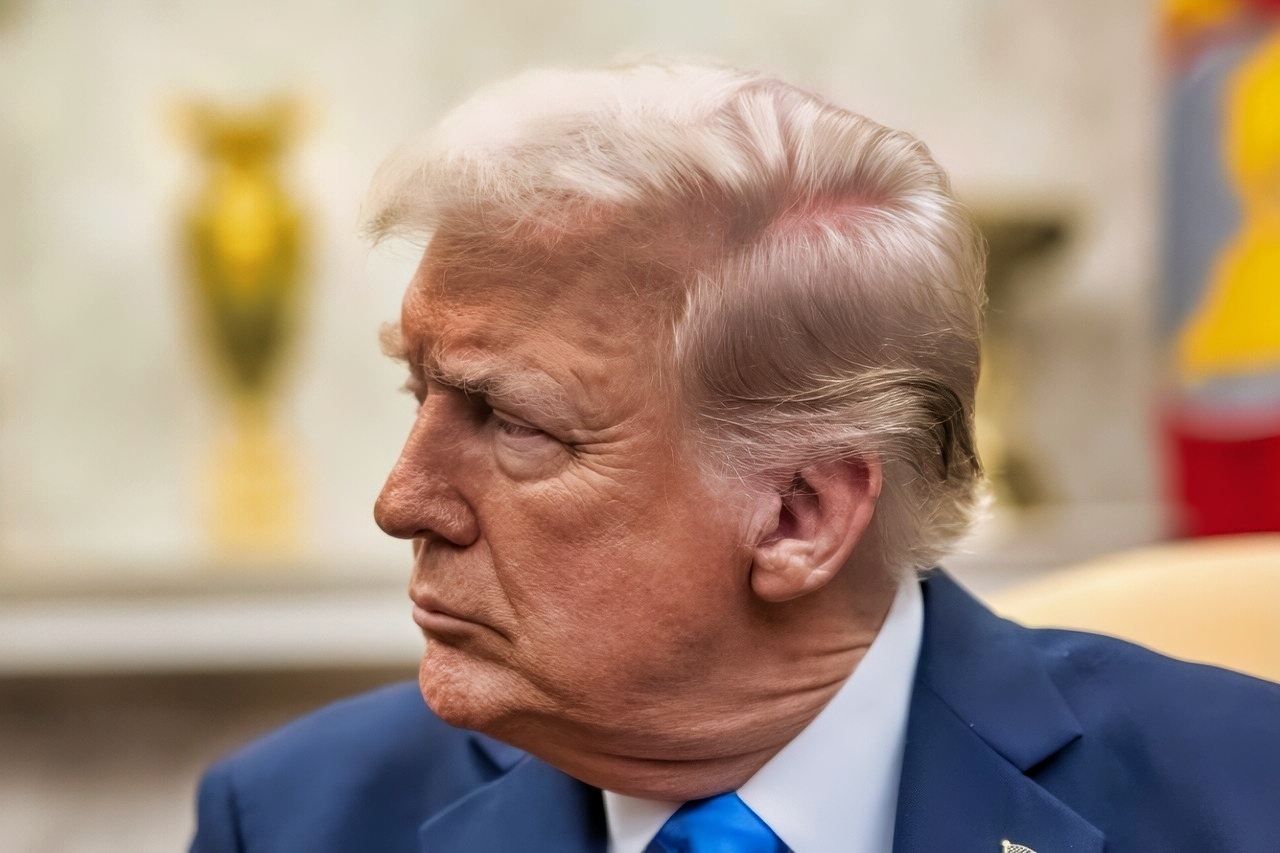
Democrats have spent the last decade trying to remove President Donald Trump from office, and now, as they prepare to take control of both chambers of Congress in January, the evidence suggests that they may be better off finally giving up on their hopes of achieving that long-sought-after goal. If some Republicans get their way, they may even get their way without actually trying.
As President Trump prepares for incoming congressional investigations into his administration and business dealings, some Republicans are beginning to question whether the party would be better served by the president stepping aside before the end of his second term.

Vice President JD Vance attends a U.S. military capabilities showcase at Elmendorf Air Force Base in Anchorage, Alaska for a military engagement, Tuesday, October 6, 2026. (Official White House Photo by Emily J. Higgins)
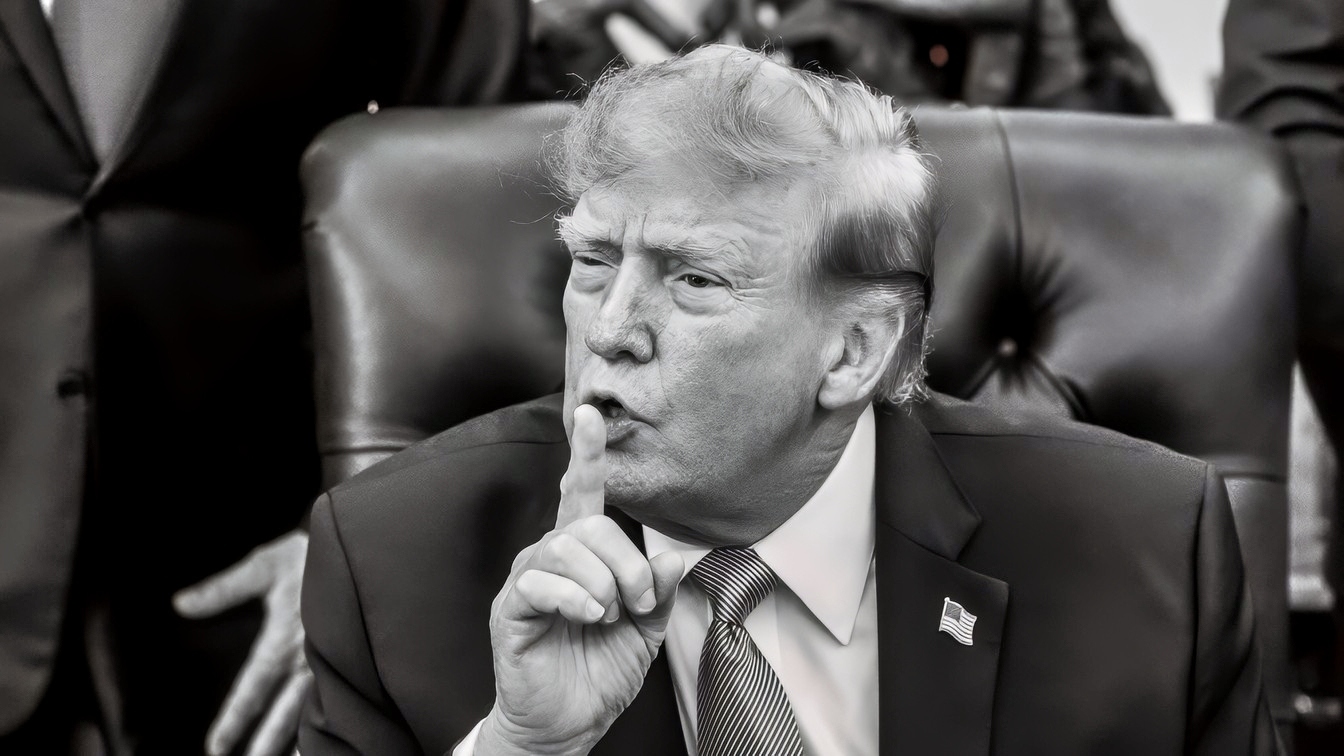
President Donald J. Trump and Vice President JD Vance announce a new $25 million dollar federal Fraud Whistle Blower Incentive Program with the Department of Justice in the Oval Office, Tuesday, October 20, 2026. (Official White House Photo by Joyce N. Boghosian)
Among them is Matt Braynard, who served as the director of President Trump’s campaign data division during his 2016 campaign.
On November 23, the high-profile Republican campaigner, who also conducted electoral fraud investigations in the wake of the 2020 election, called on the president to resign.
Perhaps the most interesting argument Braynard made in the piece, however, was that Democrats could benefit from Trump remaining in the White House until January 2029.
And, while the Democrats are generally expected to make impeaching the president for a third time a legislative priority, some senior members of the party have been shockingly reluctant to commit to doing so in media interviews since November 3.
Trump Helped Democrats Win the Midterms
In his November 23 piece for The Daily Caller, Braynard argued that Republican strategists didn’t see that Trump’s heavy involvement in the midterm election campaign mobilized Democratic voters to turn out for Democratic candidates—and that the Democrats he encouraged to turn out vastly outweighed the Republicans he mobilized.
“This problem was then lethally compounded by the decision to, in the words of his former chief of staff, Susie Wiles, ‘put [Trump] on the ballot.’ Performing as the featured act at the midterm convention and a roadshow of rallies in states hosting competitive races successfully turned out voters: Democrat voters,” he wrote.
“The strategic decision of the president’s team to make him the belle of the midterm election ball was based on the badly flawed premise that his being on the ballot automatically means more Republicans vote.
First, there has always been a tranche of presidential-year-only voters in both parties who skip the midterms. Second, Trump’s turnout engine in 2016, 2020, and 2024 was turbocharged by his being the solution to a problem. That was not the perception of him among the electorate going into this midterm,” he continued.
The data even support Braynard’s view of what happened in the midterms. A Reuters/Ipsos poll published on November 2, the day before the election, found that a large portion of the electorate used their midterm votes to express opposition to the president more than any other issue.
Why Democrats May Want Trump To Stay
After a decade of trying to remove Trump from office, or prevent him from running again, there are several good reasons to believe that the Democrats might actually want Trump to stick around — not least because he could be bad for the Republicans’ chances in 2028.
Braynard argued in his piece that even if Democrats were indeed successful in convincing a sufficient number of Republican senators to vote to convict Trump, it likely wouldn’t be in their best interests, arguing that the Democrats were delighted to have Trump on the ballot last time – and they may be thrilled to see a Trump successor running against their candidate in 2028.
“Nobody was happier about ‘putting Trump on the ballot’ than Democrats. While there are rumblings of impeachment and D.C. parlor games to name the ten Republican senators who might vote for conviction and removal from office, Democrat leadership is smart enough to keep him ‘on the ballot’ in 2028, allowing them to build the legislative majorities that will redraw the maps after the 2030 census,” he wrote.
Trump can’t run for president again in 2028. However, he can still endorse a successor—and Democrats could effectively run a presidential election campaign against him if that successor becomes the Republican candidate.
Keeping Republicans Divided
Another big advantage for Democrats, if they refrain from a fresh impeachment effort, would be making it difficult for Republicans to agree on a legislative agenda over the next two years.
Republican lawmakers who only narrowly survived the midterms may feel more compelled to work with Democrats on legislation that addresses the affordability crisis that cost Republicans the election, even if doing so means publicly breaking with the president.
And if Trump responds by encouraging Republican primary challenges against those lawmakers, the president himself could end up campaigning against the Republicans the party needs to retain their seats.
And there’s another possibility: Democrats may push ahead with impeachment hearings, expecting a successful vote in the House but an unsuccessful vote in the Senate.
That way, Republicans carry more baggage into the 2028 election, potentially with a mobilized pro-Trump base driving much of the enthusiasm around the Republican Party’s next presidential candidate. And, on the current trajectory, that would be fantastic news for the Democrats.
About the Author: Jack Buckby
Jack Buckby is a British researcher and analyst specializing in defense and national security, based in New York. His work focuses on military capability, procurement, and strategic competition, and he produces and edits analysis for policy and defense audiences. He brings extensive editorial experience, with a career output spanning over 1,000 articles at National Security Journal, and has previously authored books and papers on extremism and deradicalization.


