
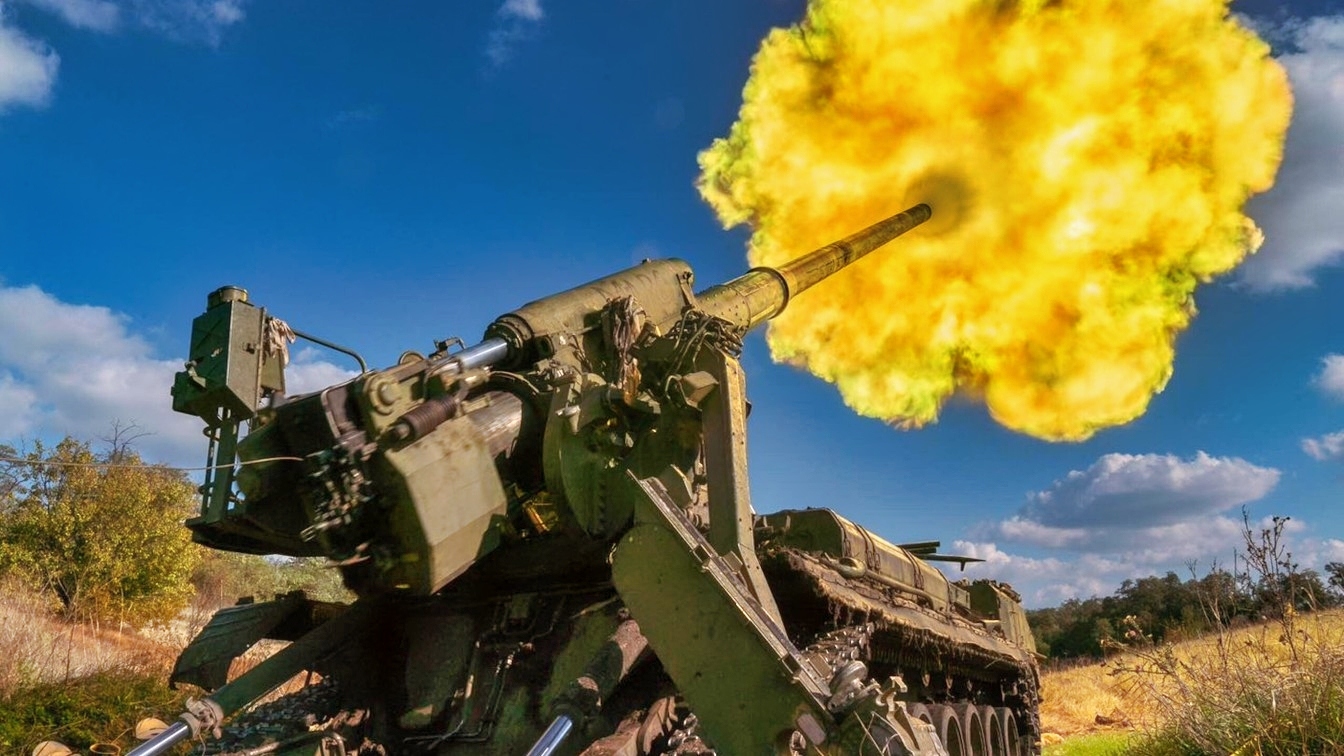
Ukrainian soldiers are reportedly fighting Russian troops inside abandoned natural gas pipelines near Kupiansk, in northeastern Ukraine, according to a New York Times report published on October 30.
The report revealed shocking details about how both sides are turning to underground routes to avoid the drones that dominate the battlefield, with journalists reportedly even going inside.
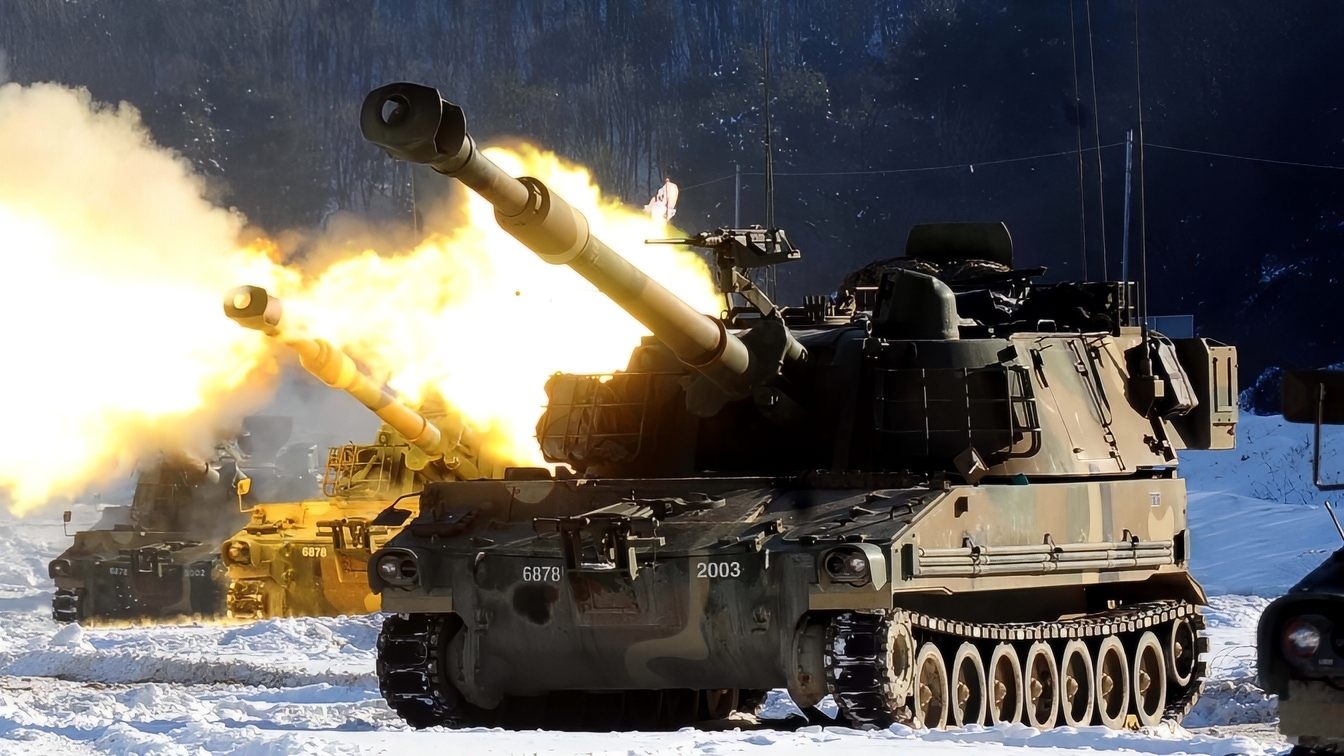
M109 Artillery Creative Commons Photo.
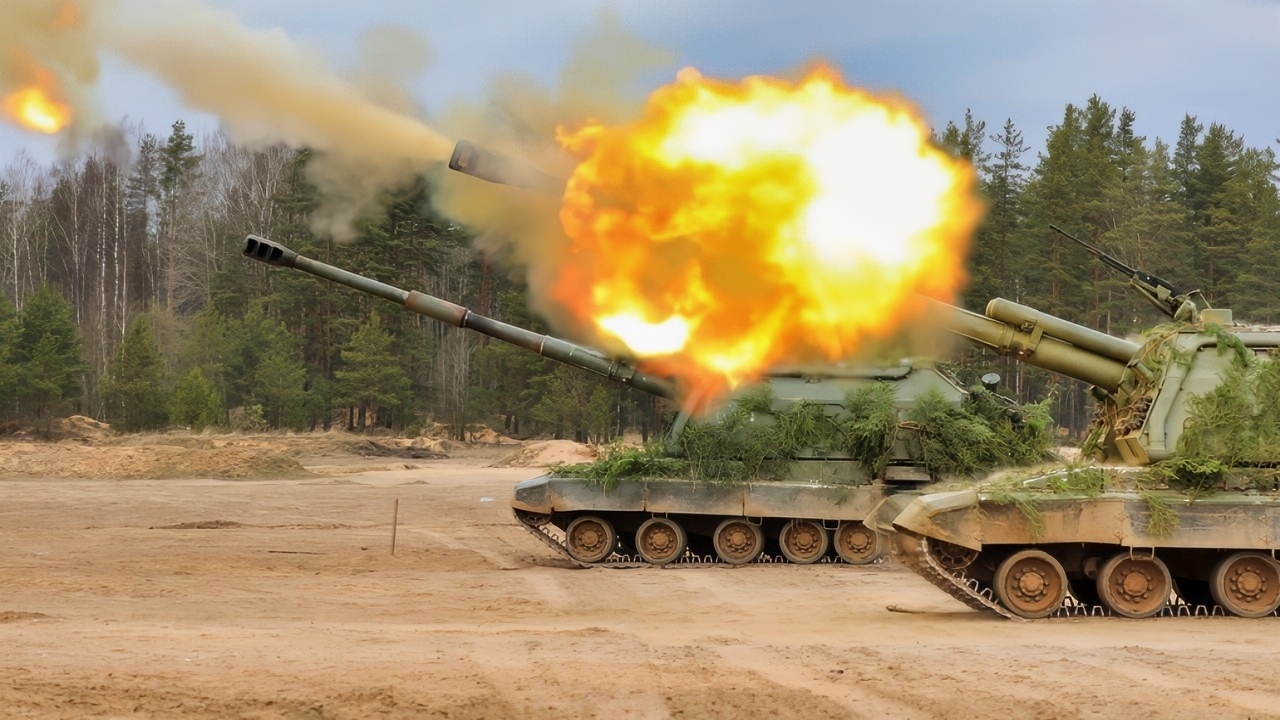
MSTA Artillery Firing Creative Commons Image
According to the report, Ukrainian forces spend weeks at a time inside pipelines that are less than four feet wide.
They use the pipes to transport ammunition and even evacuate wounded soldiers.
Mariane Varenikova traveled inside the pipelines with Ukrainian soldiers and described in the piece how Ukrainian soldiers have created a network of underground military positions that are connected by tunnels and electric vehicles.
The operations are part of Ukraine’s ongoing effort to defend Kupiansk, a strategically important city in the Kharkiv region that Russia has repeatedly tried to capture in full.
Why Ukraine Is Fighting Underground
Soldiers are fighting underground because moving beneath the surface eliminates the threat posed by Russian drones, which have made conventional troop movements more dangerous than ever.
Since the early days of the war, drones have become increasingly prevalent, starting small with jerry-rigged, commercial-grade drones equipped with grenades and growing to the point where most battles are fought with the help of newly developed uncrewed aerial vehicles (UAVs).
Drones have changed how wars are fought and have made it difficult to move supplies and soldiers without being detected and attacked.
Pilots typically operate drones, particularly rotary-blade drones, using live video from cameras mounted on the aircraft.
Many of the drones also carry an explosive charge and are used to strike soldiers or vehicles.
The proliferation of this technology has created what’s known as a “kill zone”—an area extending from the front lines where virtually any movement can be easily targeted.
In the Times piece, Varenikova described how she encountered that very danger before she even reached the underground network, when soldiers who were traveling with her were forced to abandon their vehicle and seek cover after a drone detected them.
But while underground, those soldiers can move without being surveilled.
Inside the Network
According to the Times, approximately 80 miles of abandoned gas pipelines run through the region and are unused.
The Ukrainian military has converted parts of the energy infrastructure into transportation routes and underground supply facilities, with small electric vehicles carrying soldiers and ammunition through pipes that are too narrow for troops to stand upright.
During the reporter’s time in the pipeline network, she described a journey covering about six miles in forty minutes.
Conditions are said to be difficult, with soldiers exposed to residual gas and dust and limited ventilation to mitigate the problem. Soldiers underground are sometimes also left without seeing daylight for extended periods.
One soldier, Oleksandr, told the outlet that he preferred to remain underground as much as possible, as it mitigates the constant threat of drones.
Another, Rostyslav, described the psychological effects of spending extended periods in the pipes.
He said that sometimes, when above ground, he would wake up and, before getting out of bed, first try to measure the height of the ceiling.
Russia Did It Previously
The decision to use abandoned pipelines is not new. Russia previously used gas pipelines to infiltrate Ukrainian positions, including during the fighting around the Kupiansk region in September 2025.
DeepState, a Ukrainian battlefield monitoring group, reported that Russian soldiers first entered a pipeline near Lyman Pershyi before traveling underneath the Oskil River and emerging near Radkivka. The soldiers then advanced toward Kupiansk.
Ukraine Can Disable the Pipelines
Ukraine has also shown that it can deliberately turn off pipelines to prevent enemy infiltration.
In September 2025, Ukraine’s General Staff said three of the four pipelines around Kupiansk had been flooded or damaged — with Ukrainian forces controlling the exit of the fourth pipeline.
Soon after, DeepState reported that Ukrainian troops had successfully prevented Russian forces from using the same pipeline route.
Ukrainian troops forced Russians to cross the Oskil River and move through forest instead.
According to reports at the time, it reduced the number of Russian troops infiltrating the city.
Kupiansk is particularly important to Ukraine because of its railway infrastructure.
An October 2025 analysis published by Poland’s Center for Eastern Studies warned that, if Russians gained control of the nearby Kupiansk-Vuzlovyi railway junction, it could severely disrupt Ukrainian supply routes and allow Moscow to make faster, easier gains throughout the Donetsk region.
Today, Ukraine still holds most of Kupiansk, but Russian troops still have a limited foothold in the northern districts of the city.
About the Author: Jack Buckby
Jack Buckby is a British researcher and analyst specializing in defense and national security, based in New York. His work focuses on military capability, procurement, and strategic competition, and he produces and edits analysis for policy and defense audiences. He brings extensive editorial experience, with a career output spanning over 1,000 articles at National Security Journal, and has previously authored books and papers on extremism and deradicalization.


