

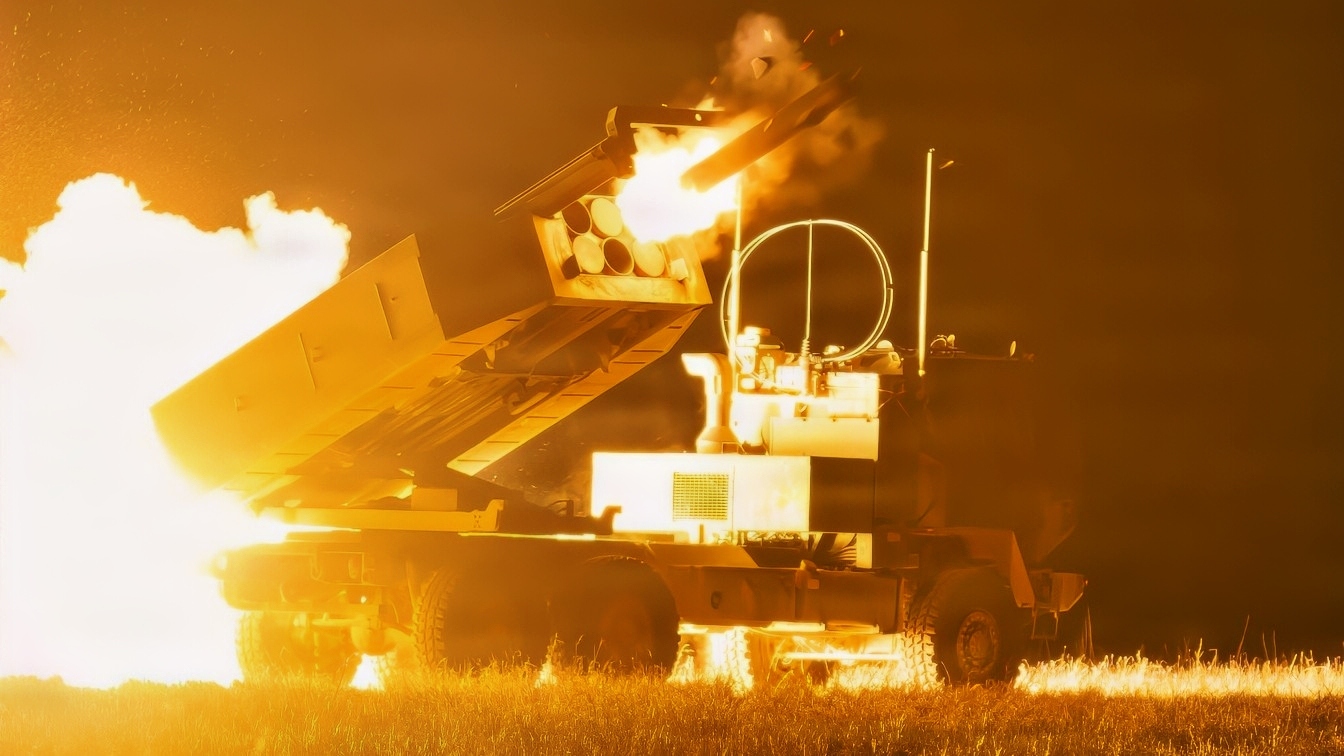
The costs of Ukraine’s campaign against Russia’s oil industry are rising for Moscow as Kyiv’s repeated attacks threaten the stability of Russia’s most lucrative sector.
After repeated attacks, the cost of repairs to its oil refineries, which typically take a few weeks to return to operation, is mounting, as Ukrainian drones continue to hit Russia’s oil infrastructure.
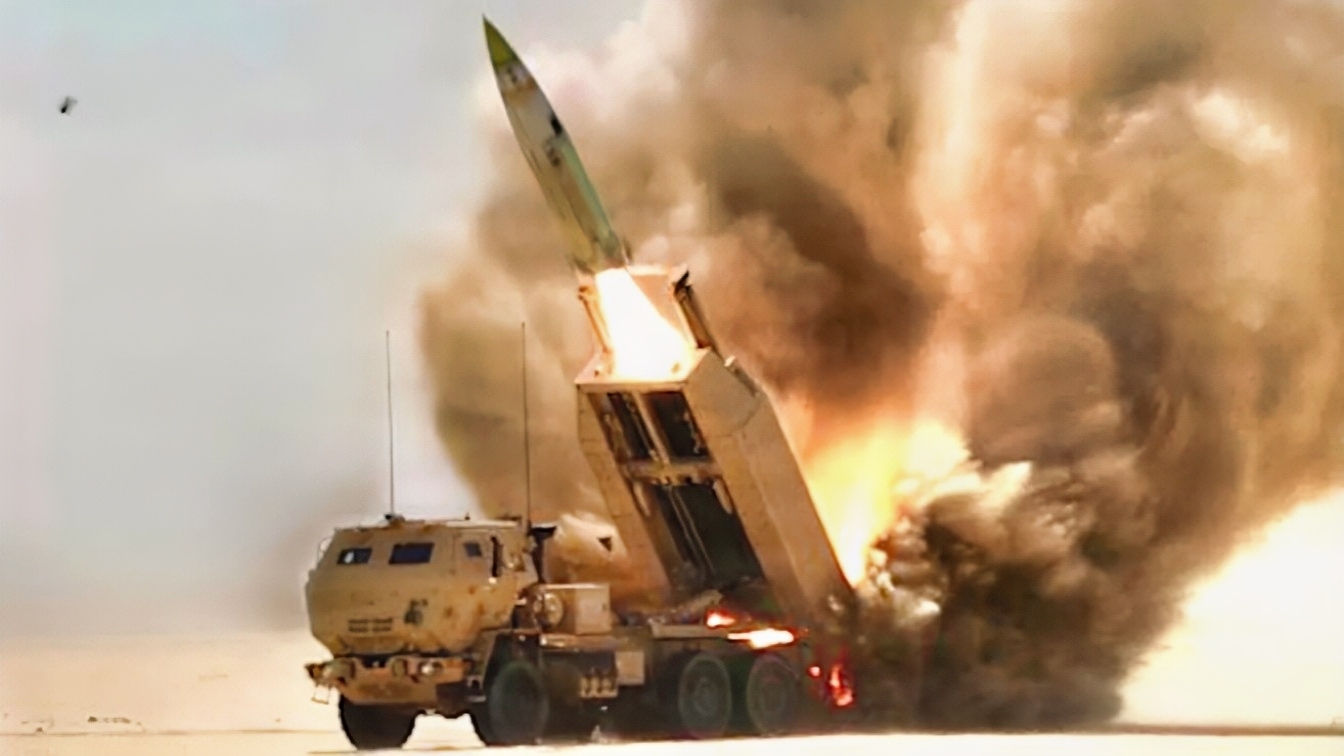
ATACMS Like Used in Ukraine Creative Commons
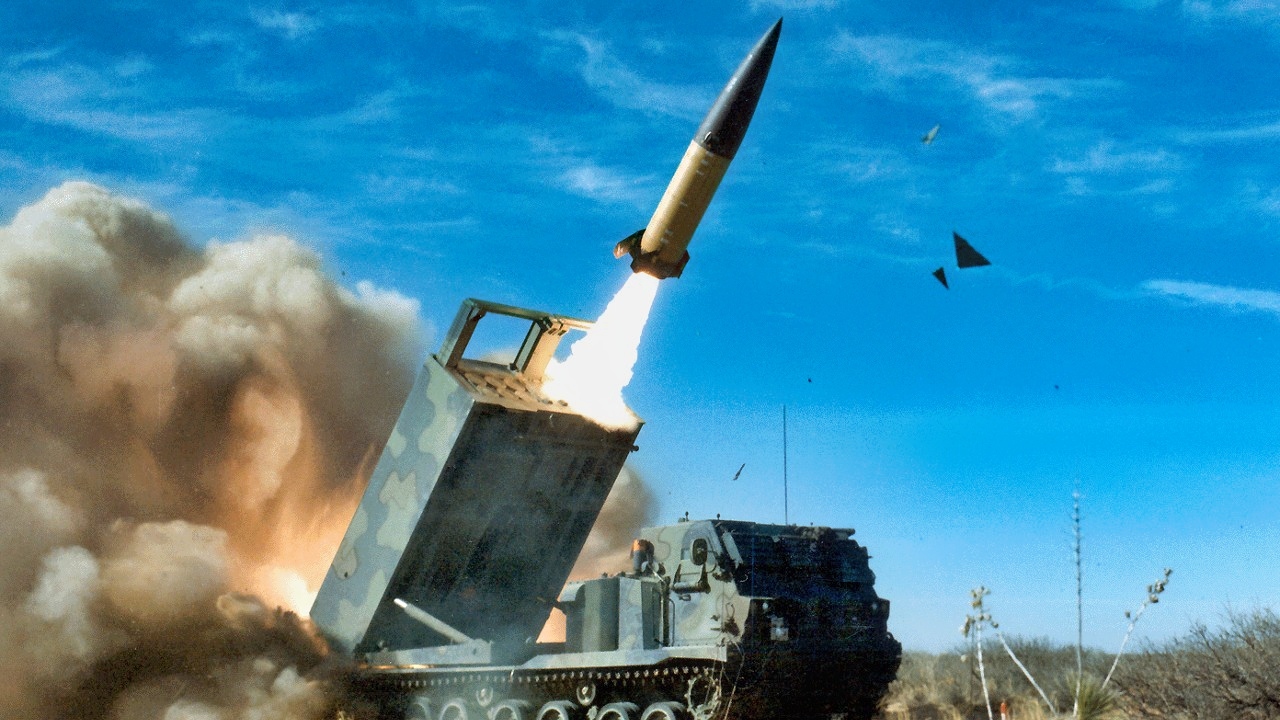
An ATACMS missile being launched from an M270 MLRS.
The attacks are hitting especially hard as its oil industry is still recovering from Western sanctions and the loss of Western investment.
The war in Iran provided a brief windfall, and government subsidies have cushioned the attacks’ impact.
Still, Russian officials warned that continued Ukrainian drone strikes could have serious implications for the oil industry.
Russia’s Oil Industry is Reeling
According to a recent article by Bloomberg, Russia’s oil industry is reeling from repeated Ukrainian attacks.
In September, Russian oil giant Rosneft PJSC opened a new port for Vostok Oil.
This multi-billion-dollar investment aims to supply roughly 10% of Russia’s current economic output by 2030 and use of Russia’s northern sea route. However, the project has faced numerous delays since the war began.
Most of the oil flowing through Russia’s Arctic network comes from fields that have been producing for years.
According to an anonymous official, flows from newer fields, expected to become key assets for Vostok Oil, accounted for only 5% of its oil output. “The development of the company’s fields is carried out in a planned manner, which allows maximum efficiency to be extracted both from existing fields and from new projects,” Rosneft said in an official statement.
Delays in expansion are compounded by Ukraine’s mid- to long-range drone campaign, which has primarily targeted Russia’s energy sector.
In 2026, Ukraine has massively ramped up its strikes against the country’s oil infrastructure, many facilities of which belong to Rosneft.
One of its biggest facilities, the Ryazan oil terminal, has been attacked repeatedly and has either been shut down or is operating well below normal capacity.
This year, Ukraine has carried out at least 114 strikes against Russian refineries, more than double the number of last year.
This summer’s attacks triggered widespread fuel shortages in Russia that persist in some regions.
Additionally, Moscow has been forced to curtail exports of gasoline, diesel, and jet fuel, hurting the country’s income.
Rosneft has borne the brunt of the damage. Out of 15 drone attacks against oil refineries in September, five targeted the companies’ facilities, which supply fuel to Moscow’s Western regions.
The Mounting Costs of Ukraine’s Attacks
2025 was a particularly bad year for Rosneft and Russia’s oil industry as a whole.
Even before Ukrainian attacks ramped up, the country was hit by what Igor Sechin, the head of Rosneft, calls a “perfect storm.” Oil prices were low, Western sanctions barred the company from the entire European market, and borrowing prices were surging. And then the attacks came.
Rosneft has restarted several of its refineries since the initial attacks, but many repaired facilities have been hit multiple times.
Ryzan, along with the Syzran and Tupase refineries, has been hit hardest, with Tupase on the Black Sea coast offline since April.
The cost of repairing these facilities is increasing after multiple attacks.
Repairing damage to sensitive components like catalytic crackers, reformers, and hydrocrackers is especially difficult because many components for these systems were originally supplied from the West.
The protracted attacks against Russian oil infrastructure have hurt the industry.
The International Energy Agency expects Russia’s oil processing rates to drop to around 4 million barrels per day over the next 18 months, or roughly 30% of prewar levels.
The war has hit Rosneft especially hard, with net income falling to around 200 billion rubles ($2.4 billion) in the first half of 2026.
Lower income is further squeezed by interest, taxes, depreciation and amortization, and facility repair costs.
Trump to the Rescue?
While Russia’s oil industry situation is concerning, it has not yet reached critical levels for a few reasons.
One factor is the war in the Middle East, which has driven oil prices to new highs since February.
Russia’s Urals crude is currently priced at over $100 per barrel, giving Rosneft and other Russian oil giants a much-needed windfall.
Kremlin subsidies have also helped cushion the blow, while Russia’s central bank has slashed interest rates from 21% to 14% over the last two years.
These factors are currently preventing the situation from spiraling out of control, but if Ukrainian attacks persist, refinery repairs could become unsustainable.
Another potential windfall comes from President Trump’s recent souring with President Zelenskyy. Earlier this month, Putin secured a deal with Trump that would allow the U.S. to import large quantities of Russian diesel fuel.
The U.S. has also been pressuring Ukraine to halt its strikes against Russia’s oil industry.
Ukraine has recently been experiencing new restrictions on its Starlink connection, which is the main enabler of its long-range drone attacks.
Thus far, the Americans have been unable to convince Zelenskyy to halt his strikes against Moscow’s oil infrastructure.
If pressure continues, or a deal is reached in December as Trump hopes, then Russia’s battered oil industry may finally have room to recover.
About the Author: Isaac Seitz
Isaac Seitz, a Defense Columnist, graduated from Patrick Henry College’s Strategic Intelligence and National Security program. He has also studied Russian at Middlebury Language Schools and has worked as an intelligence Analyst in the private sector.


