


Ukraine’s drone war has entered a phase its commanders call a ‘logistics lockdown,’ and it’s taking out things Russia can’t replace. The latest strike hit an aircraft plant inside Russia and destroyed two rare planes that sat in maintenance for over a decade. But it’s what one of them does that makes the loss sting: it’s part of the system Moscow uses to reach its nuclear-armed submarines at sea. Russia spent years getting it ready — Ukraine needed seconds.
Ukraine Takes the War Inside Russia to Make Putin Pay
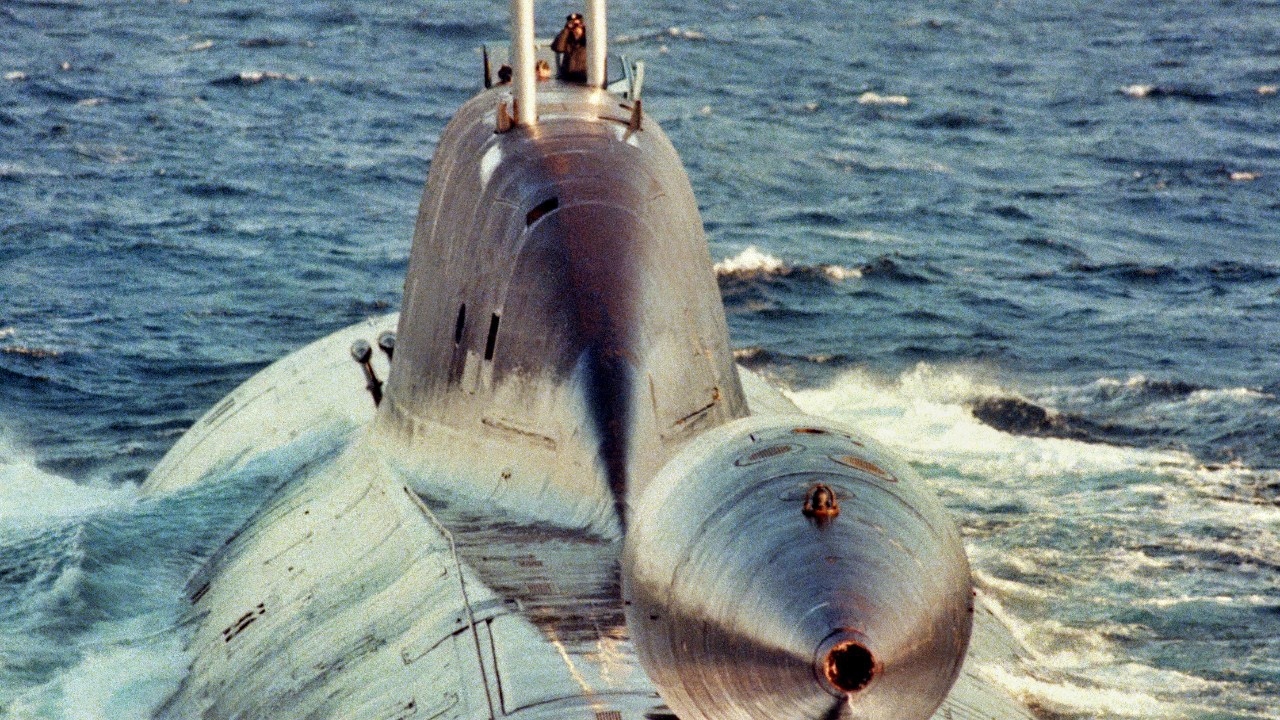
An aerial stern-on view of the Russian Northern Fleet AKULA class nuclear-powered attack submarine underway on the surface. Image Credit: Creative Commons.

Akula-Class Submarine from Russian Navy. Image Credit: Creative Commons.
There is a famous bit of battlefield wisdom that has been credited to every military leader from Napoleon to Omar Bradley. “Amateurs at waging war focus on tactics. Professional soldiers study logistics,” as the saying goes.
Russian logistics have never been the most reliable or robust in the world. Almost from the very beginning of President Vladimir Putin’s war in Ukraine, soldiers have had to provide almost all their own kit – body armor, boots, night-vision gear – and pay out of pocket for food and medical supplies.
But what there was of a military logistics capability in Moscow’s formations is – that part of the support for the troops that they did not have to self-finance – is now collapsing and making it impossible for the Russian military to carry out any sizeable operations.
On 30 May 2026, Ukraine’s President Volodymyr Zelensky declared, “We are rightfully bringing the war back to where it came from. Russia could have ended its aggression long ago, but instead chose to prolong and continue it.”
The Ukrainian TV comedian-turned national leader is referring to the fact that, in this war, the strategic and operational landscape has shifted to the point where Russia no longer holds the initiative.
This is largely due to a Ukrainian drone campaign that began with attacks on Russian logistics along the southern land bridge to Crimea.
Logistics Lockdown
That campaign has now entered a new phase at scale and with greater ambition: a set of operations that the Ukrainian Defense Minister, Mykhailo Fedorov, is referring to as a “logistics lockdown.”
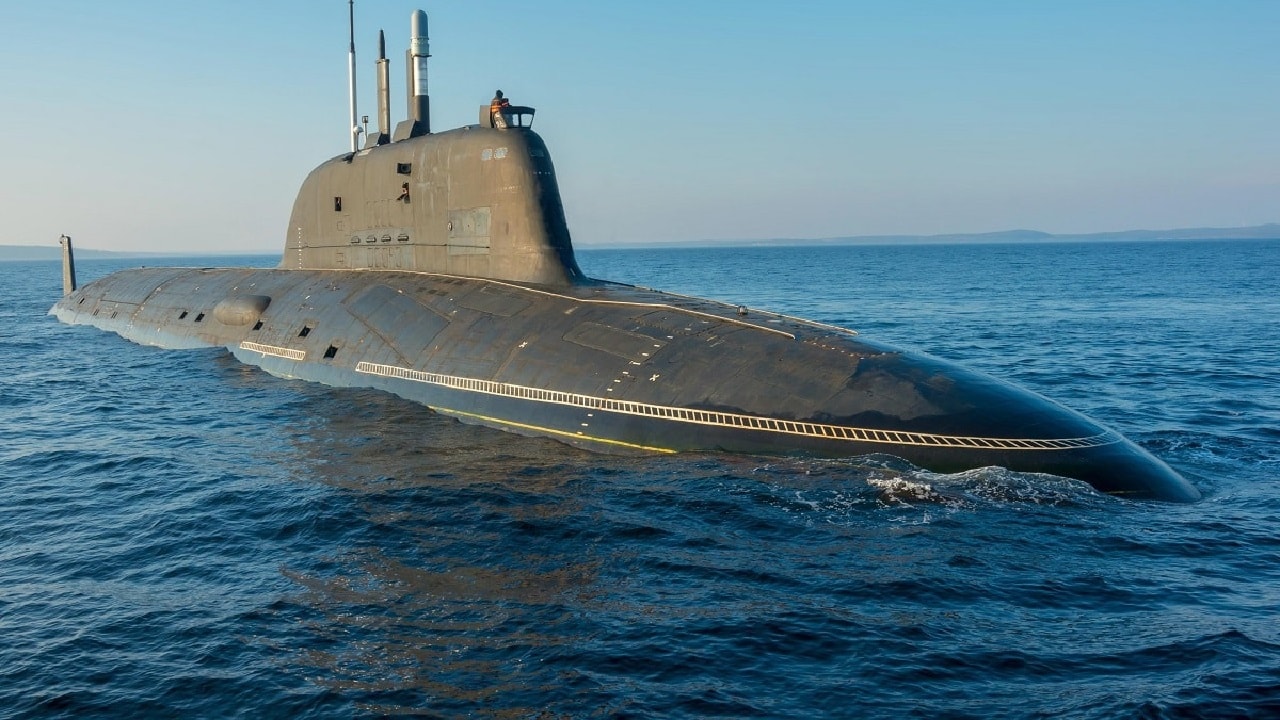
Yasen-class. Image Credit: Creative Commons.
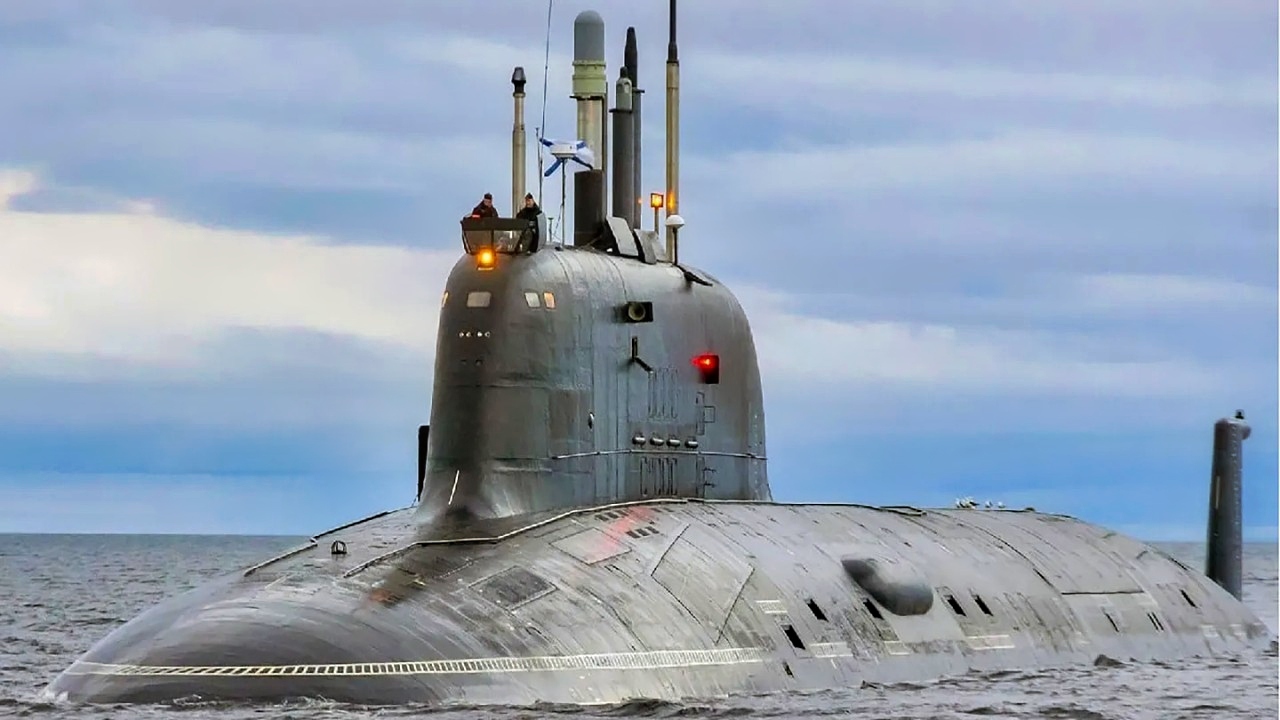
Yasen-Class Submarine from Russian Navy. Image Credit: Creative Commons.
These attacks are not just crippling the ability of individual units in the field to maneuver and carry out small-scale operations.
They are also taking out critical Russian strategic assets that cannot be replaced.
On the evening of 29-30 May, Ukrainian forces hit the aviation facilities of the Beriev Aircraft Company and the port at Taganrog. This company designs and builds some of the most critical airborne platforms, such as the A-50 Mainstay airborne early warning and control (AEW&C) system, and is located about 50 kilometers west of Rostov-on-Don, on the coast of the Sea of Azov.
Video footage of the attack was posted on the Telegram channel of Ukraine’s 414th Separate Unmanned Strike Aviation Systems Brigade, a unit nicknamed “Magyar’s Birds”. This attack successfully destroyed two Tupolev Tu-142 maritime patrol aircraft and an Iskander ballistic missile transport erector launcher (TEL).
According to an aircraft monitoring site AviVector, both aircraft had changed their parking positions at the aerodrome on 14 and 19 May.
They had moved from their long-term parking areas to spots that were closer to the plant’s main production facilities and the adjacent taxiways, according to the Ukraine United24 news site.
Moving them closer to the plant probably means that some of the most modern and expensive equipment was being installed.
These two Tu-142s destroyed in the attack were reported to have been undergoing maintenance at the facility for more than a decade. One Russian military aircraft analyst who spoke to NSJ suggested that the attack taking place two weeks after the Tu-142s were moved close to the plant means that this on-board equipment re-fit had finished and Ukraine was just waiting for that process to be complete before striking.
Strategic Capacity Lost
The loss of these two aircraft is particularly damaging for Moscow’s military as they are essential platforms that communicate with Russia’s ballistic missile submarines.
The Tu-142 exists in two principal variants: the Tu-142MK anti-submarine warfare aircraft and the Tu-142MR strategic communications-relay aircraft. One of the two destroyed aircraft is the latter model, a particularly severe setback for Russia’s military.
The Tu-142MR is an airborne communications link between Russia’s senior military command and submerged ballistic missile submarines. Its mission is to relay launch codes to these nuclear-armed submarines that are operating at sea, which makes it almost like an AWACS command center for undersea warfare.
These aircraft can also transmit commands to Yasen-class attack submarines. These recently upgraded subs are capable of carrying nuclear-armed cruise missiles that would be employed in any regional conflicts and naval operations in the North Atlantic and Arctic.
Footage of the strike shows a drone striking the wing of an aircraft, apparently striking one of the fuel tanks located in the wings of these airframes, which are based on the Tu-95 strategic bomber.
In just a few seconds, the aircraft erupts in flames and appears to be a total loss.
About the Author: Reuben F. Johnson
Reuben F. Johnson has thirty-six years of experience analyzing and reporting on foreign weapons systems, defense technologies, and international arms export policy. Johnson is the Director of Research at the Casimir Pulaski Foundation. He is also a survivor of the Russian invasion of Ukraine in February 2022. He worked for years in the American defense industry as a foreign technology analyst and later as a consultant for the U.S. Department of Defense, the Departments of the Navy and Air Force, and the governments of the United Kingdom and Australia. In 2022-2023, he won two awards in a row for his defense reporting. He holds a bachelor’s degree from DePauw University and a master’s degree from Miami University in Ohio, specializing in Soviet and Russian studies. He lives in Warsaw.


