

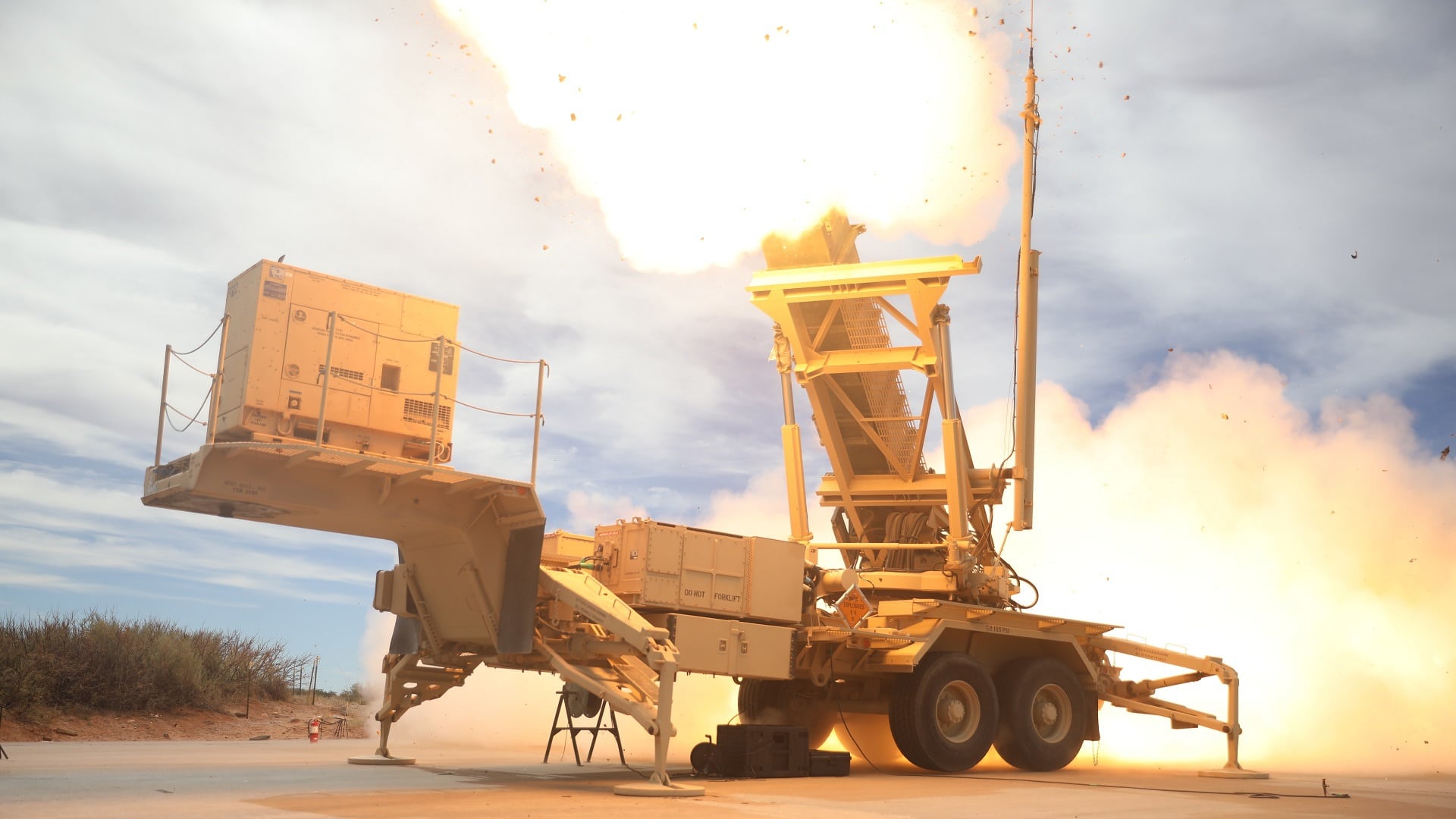
A dynamic has become clear in recent weeks: Ukraine is desperately in need of missile defense technology, with Russia stepping up ballistic missile attacks and reportedly planning a major winter offensive.
However, the United States is suffering from a munitions shortage of its own, and President Donald Trump has been vacillating on whether or not to supply Ukraine with Patriot missile licenses. At the same time, while deals have been reached to increase weapons production, the process is long and slow and won’t provide much help to Ukraine this winter. Ukraine is also developing its own anti-missile weapon, the Freyja interceptor, but it’s not expected to be ready for some time.
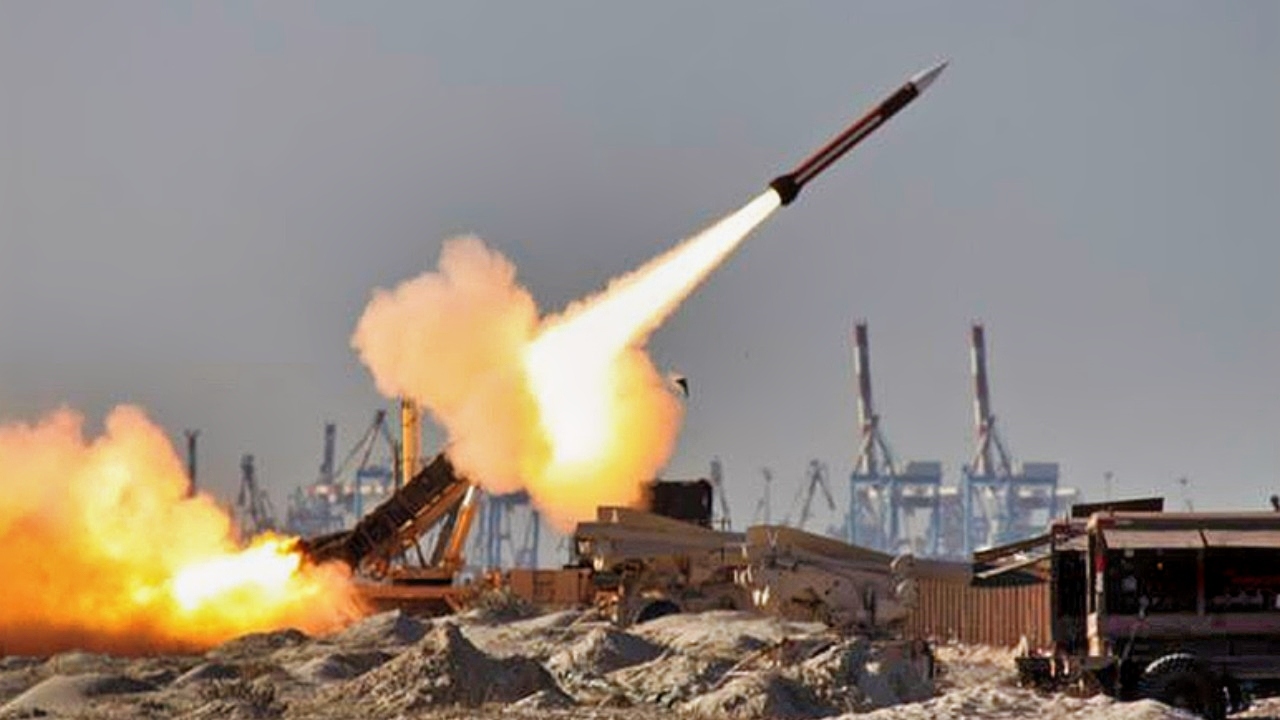
Patriot Missile Interceptor Test. Image Credit: Creative Commons.
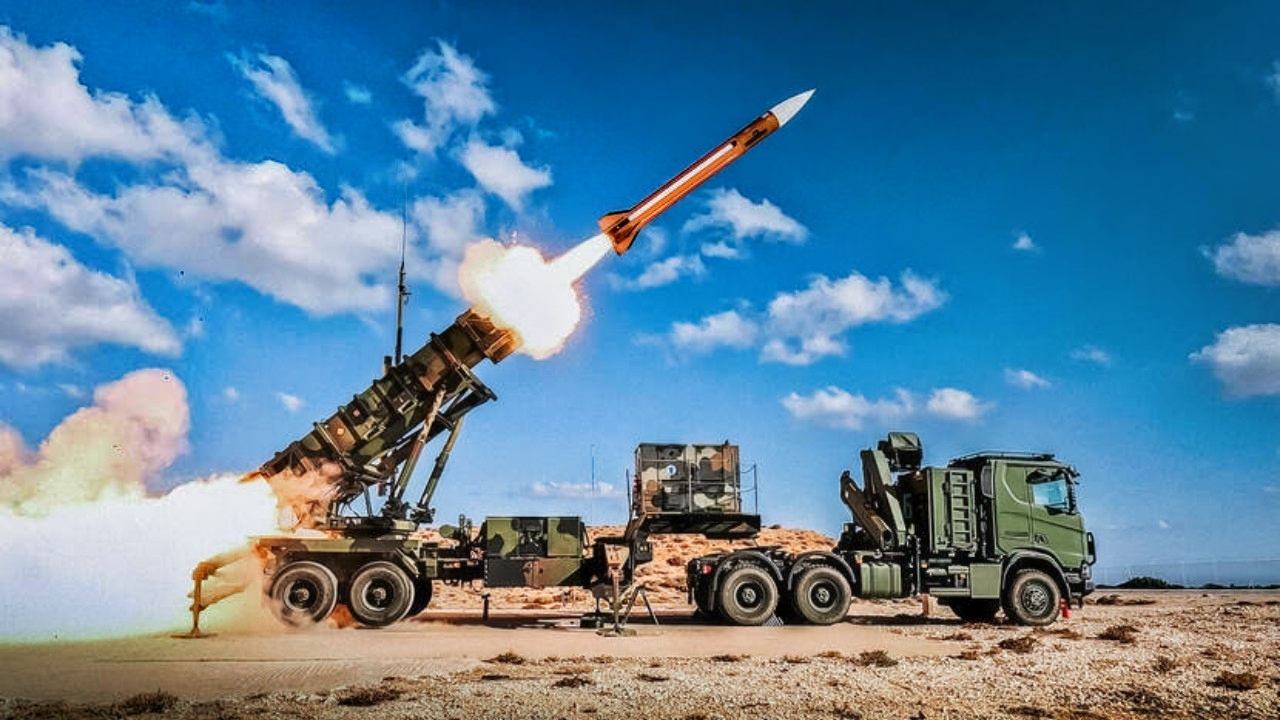
Patriot Missile Launch. Image Credit: Creative Commons.
A new report states that Europe is also not in a position to help Ukraine with Patriot missiles.
A European Shortage
According to a new Politico report, Ukraine’s European allies are “scrambling for more Patriot interceptors to donate to an increasingly desperate Ukraine,” although there doesn’t seem to be an easy answer for getting Ukraine the hundreds of interceptors it says it needs before the winter.
Politico cited recent comments by Ukraine’s former defense minister, Mykhailo Fedorov, that “over the last few months, Russia fires more missiles a week at us than we get from partners over months.” Politico also cited Ukrainian government statistics showing that in July, Ukraine intercepted only 29 of 195 ballistic missiles fired from Russia, while 40 more failed to reach their targets. In the Russian missile attack last week, Ukraine failed to intercept any of the missiles at all.
Fedorov, in the Politico story, shared what he hopes will happen.
“The Russians must understand that a few minutes after the launch, the entire team that launches the rocket must die from our ballistic missile,” he said.
What Europe is Doing
According to the Politico report, Germany has been transferring Patriot missile systems to Ukraine. However, Germany is now in a position where it has to “balance Kyiv’s increasingly urgent needs against the minimum stocks required to protect Germany and meet its NATO commitments.” This has become a dilemma for countries across Europe that have come to Ukraine’s defense since the war began in 2022.
Brig. Gen. Jürgen Schrödl, a German defense official, said at a panel in Berlin recently that “we are really reaching our limits here,” he said, per Politico. “We also have to ensure our own protection.”
Other countries that have Patriot missile stocks include Poland, Spain, and Greece. Germany made a deal last year to supply Ukraine with Patriot interceptors, after the U.S. agreed to replenish Germany’s stocks. But that was, however, before the Iran war.
What Can Washington Do?
As noted by Politico, President Donald Trump has been going back and forth of late on whether the U.S. will grant Ukraine a license to make Patriot interceptors. He said at the recent NATO summit that he would, but later backed off. That happened around the same time that the U.S. has reportedly run low on munitions, due to the war in Iran.
“We have not agreed to that,” Trump said earlier this month at a cabinet meeting, about the Patriot licenses for Ukraine. “We’re talking about it. But it’s a hard thing to give away, that kind of technology.”
U.S. Ambassador to NATO Matthew Whitaker told Fox Business in a recent interview that “A long-term production agreement will not be concluded before this winter” regarding the delivery of the missiles to Ukraine.
Patriot interceptors are produced by a pair of American defense companies, and most PAC-3 interceptors are produced in the United States.
About the Freyja
And what of Ukraine’s own Freyja interceptor system?
According to Euromaidan Press, President Volodymyr Zelensky said earlier this month that the hope is the system can deliver “concrete results” by the turn of 2026–2027, although that report notes that “concrete results” does not mean full operational status or mass production.
The weapon features an interceptor and launcher developed by Ukraine, as well as “radars, sensors, and other critical components” from 10 different European partners.
However, per that report, the Freyja system “is not a one-for-one Patriot equivalent and has not yet demonstrated a ballistic-missile interception.” It will also cost about $700,000 apiece, compared to about $4 million for a PAC-3 interceptor.
About the Author: Stephen Silver
Stephen Silver is an award-winning journalist, essayist, and film critic, and contributor to the Philadelphia Inquirer, the Jewish Telegraphic Agency, Broad Street Review, and Splice Today. The co-founder of the Philadelphia Film Critics Circle, Stephen lives in suburban Philadelphia with his wife and two sons. For over a decade, Stephen has authored thousands of articles that focus on politics, national security, technology, and the economy. Follow him on X (formerly Twitter) at @StephenSilver, and subscribe to his Substack newsletter.


