

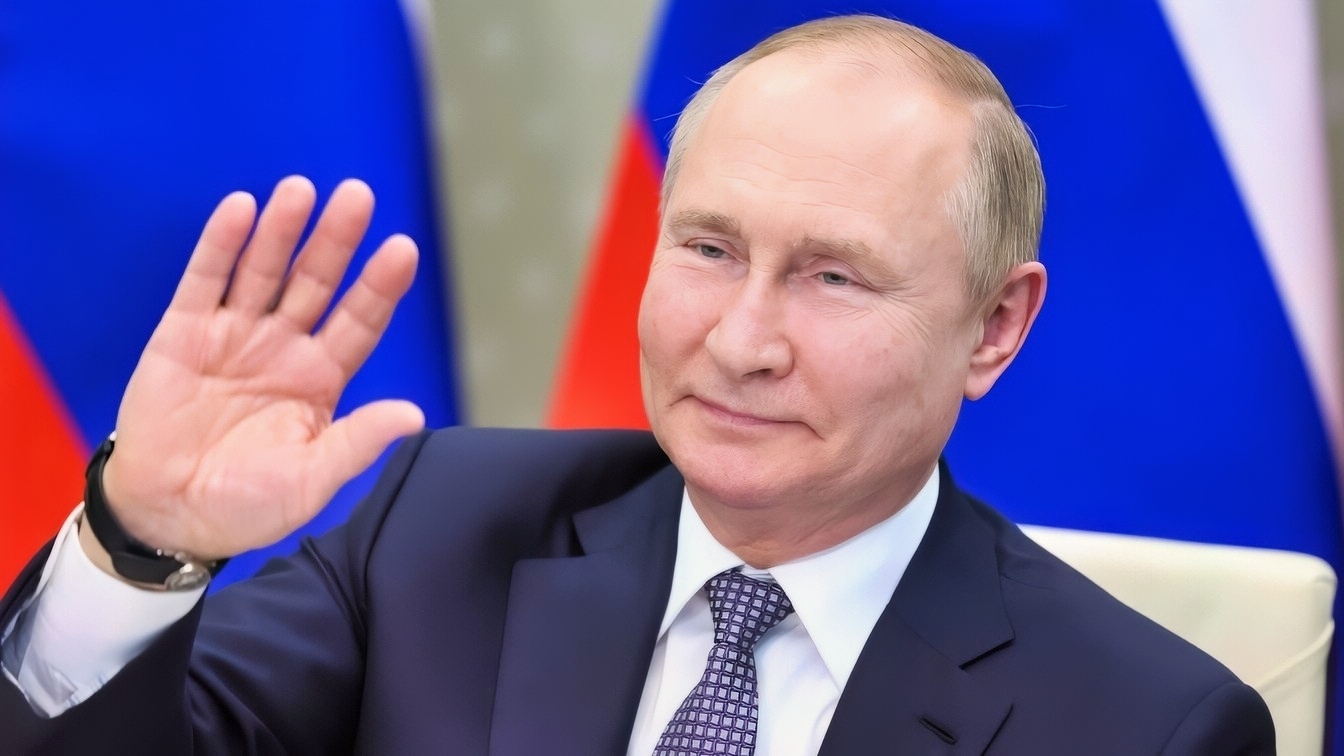
According to some OSINT estimations, Russian online retailer Wildberries has lost 10% of its warehouse space after repeated Ukrainian drone attacks. The attacks come as part of a wider campaign to bring the war home to Russia and cripple the country’s consumer economy. Thus far, Ukraine has damaged or destroyed seven warehouses belonging to Wildberries, inflicting severe financial losses on thousands of small businesses across Russia. The Russian government may be forced to bail out the company after it has lost several million worth of assets. Wildberries, along with its competitor Ozon (which has thus far been spared from any drone attacks), makes up a significant portion of Russia’s consumer economy and the GDP as a whole.
More Attacks Against Wildberries
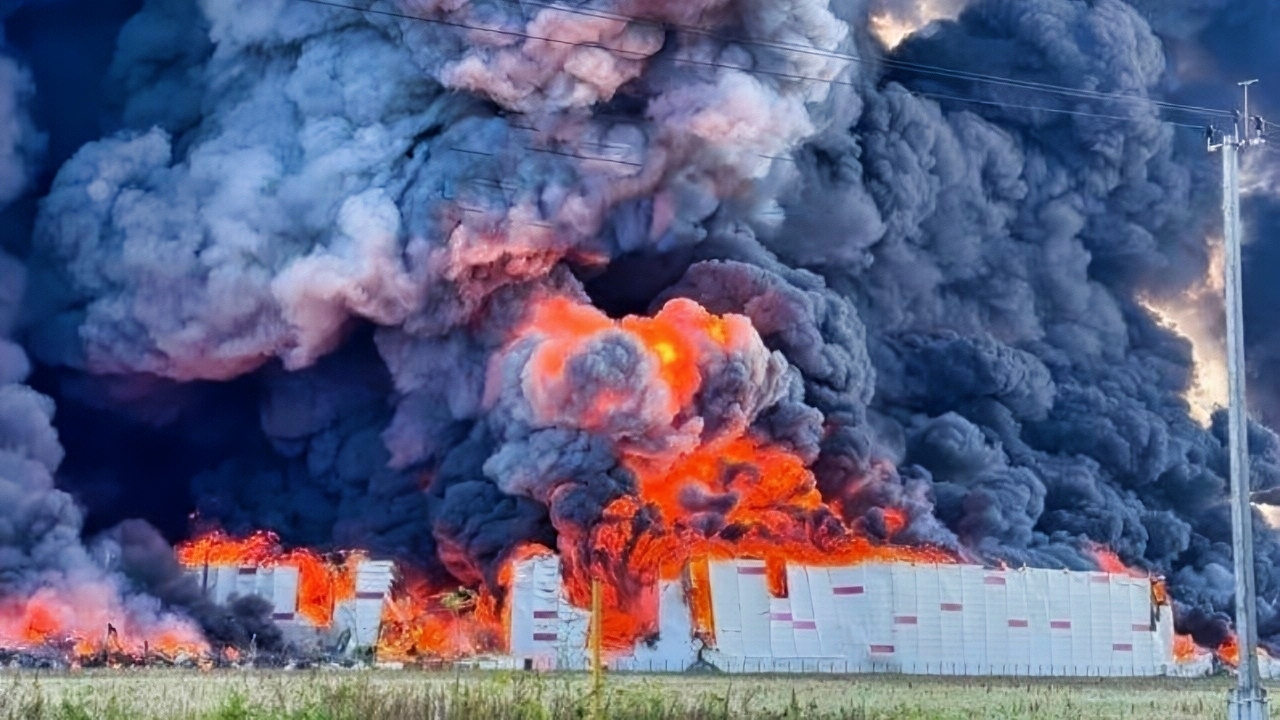
Moscow Warehouse Fire X Screenshot
Often described as “Russia’s Amazon,” Russian online retailer Wildberries has found itself the target of Ukraine’s long-range drone campaign, which is now aimed at the consumer economy. Around seven of the company’s warehouses have been damaged or destroyed so far. Earlier today, Russian news sources reported that a warehouse belonging to the company was evacuated in the Ryazan region, according to regional governor Pavel Malkov. “A fire occurred on the territory of one of the enterprises. Operational services are on the spot,” Malkov wrote on his personal Telegram channel. Based on the preliminary footage, it appears that the facility was struck by at least one, if not several, drones.
After incurring millions in financial losses, the company may need financial assistance from the state, likely from the state-owned VTB Bank, Russia’s second-largest bank. VTB acquired a 5% stake in the company, with the option to increase its holding in the future. Following the attacks, the bank’s shares fell by 2.5%, according to Reuters, due to the uncertainty caused by the drone strikes. Commenting on the possibility of bailing out Wildberries, Dimitry Pyanov, the CEO of VTB, stated: “There were questions about the possibility of VTB supporting our partner, Wildberries, in the wake of these negative events. If we receive such a request, we will, of course, be open to various forms of lending support.”
Putin Interview from Back in 2012 Image Credit Creative Commons
Putin Back in 2012 Creative Commons Image
A Burden on the Consumer Economy
Thus far, the company has paid approximately 40 million roubles ($508,582) to the families of workers who have been killed or injured by the strikes. The company has also been attempting to provide financial assistance to companies whose assets have been destroyed.
Under Russian law and contract terms, companies are not liable for goods damaged by “terrorist attacks,” meaning Wildberries is technically under no legal obligation to compensate any of its customers. Dimitry Peskov, the Kremlin’s press secretary, praised the company’s efforts to compensate those affected by the strikes. “You know, this company, in a rather unprecedented manner, announced its decision to provide such assistance to sellers and those who had their goods in warehouses,” he said. “Although de jure the company did not have such an obligation. That, of course, deserves a very high rating.”
The attacks against Wildberries have most affected smaller businesses throughout Russia. Viktoria Terekhova, the owner of a small children’s clothing brand, said that around 70% of her company’s sales were conducted through Wildberries. Because of the attacks, her company has lost over $100,000 in inventory, preventing her from repaying the company’s loans. The recent round of strikes from Ukraine has most definitely brought the war Russia. Opinions from average citizens are likely to sour if the attacks continue, though perhaps not in the way that Ukraine hopes.
Bringing the War to Russia
According to Denys Shtilierman, the co-founder and chief designer of Fire Point, the largest drone manufacturer in Ukraine, the attacks against Wildberries are meant to destabilize the Russian economy.
Wildberries, he says, is one of the largest borrowers in Russia. Its demise would therefore lead to the collapse of many banks, including VTB. However, according to all available data, Wildberries’ debt amounts to only around 830 billion roubles ($10.58 billion), well below the debt of some of Russia’s largest corporations, such as Gazprom.
Ukraine had said earlier that the attacks against the company were due to its involvement in supplying the Russian Army. While the company does have listings for drone compartments on its website, its direct contributions to the Army are likely not that high.
Instead, the recent attacks are more likely an attempt by Ukraine to “bring the war to Russia,” as Zelenskyy said.
The Russians have been bombarding Ukrainian cities for the past four years and have targeted civilian logistics centers that they claim were being used for military purposes.
While Wildberries’ direct influence on the war effort may be small, its indirect influence is undoubtedly present. Wildberries and its competitor Ozon account for a sizable portion of Russia’s consumer economy and its overall GDP.
Therefore, it can be argued that Wildberries is a legitimate target due to its contributions to the war economy. However, this is a dangerous game to play. While Moscow arguably brought this upon itself, legitimizing attacks against large civilian businesses may have some unintended consequences for Kyiv, as there are still many targets that Russia could strike in retaliation.
About the Author: Isaac Seitz
Isaac Seitz, a Defense Columnist, graduated from Patrick Henry College’s Strategic Intelligence and National Security program. He has also studied Russian at Middlebury Language Schools and has worked as an intelligence Analyst in the private sector.


