
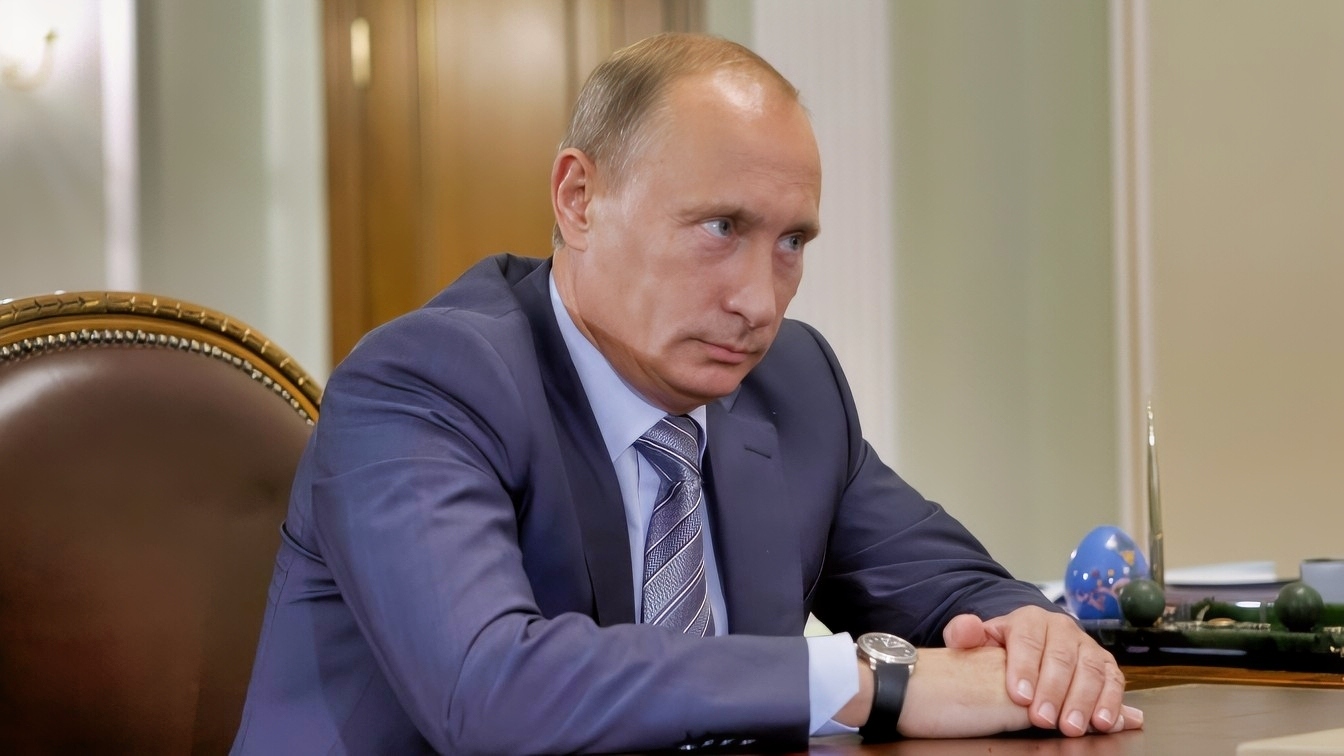
After more than four years of war, Ukraine is no longer solely operating in a defensive manner and is exerting an enormous amount of pressure on the Russian economy, military, and even the president himself.
As Ukrainian President Volodymyr Zelenskyy pushes ahead with the so-called “long-range sanctions” campaign, which has seen long-range Ukrainian drones and missiles destroy oil refineries and logistics throughout the country, President Vladimir Putin is now faced with difficult questions.
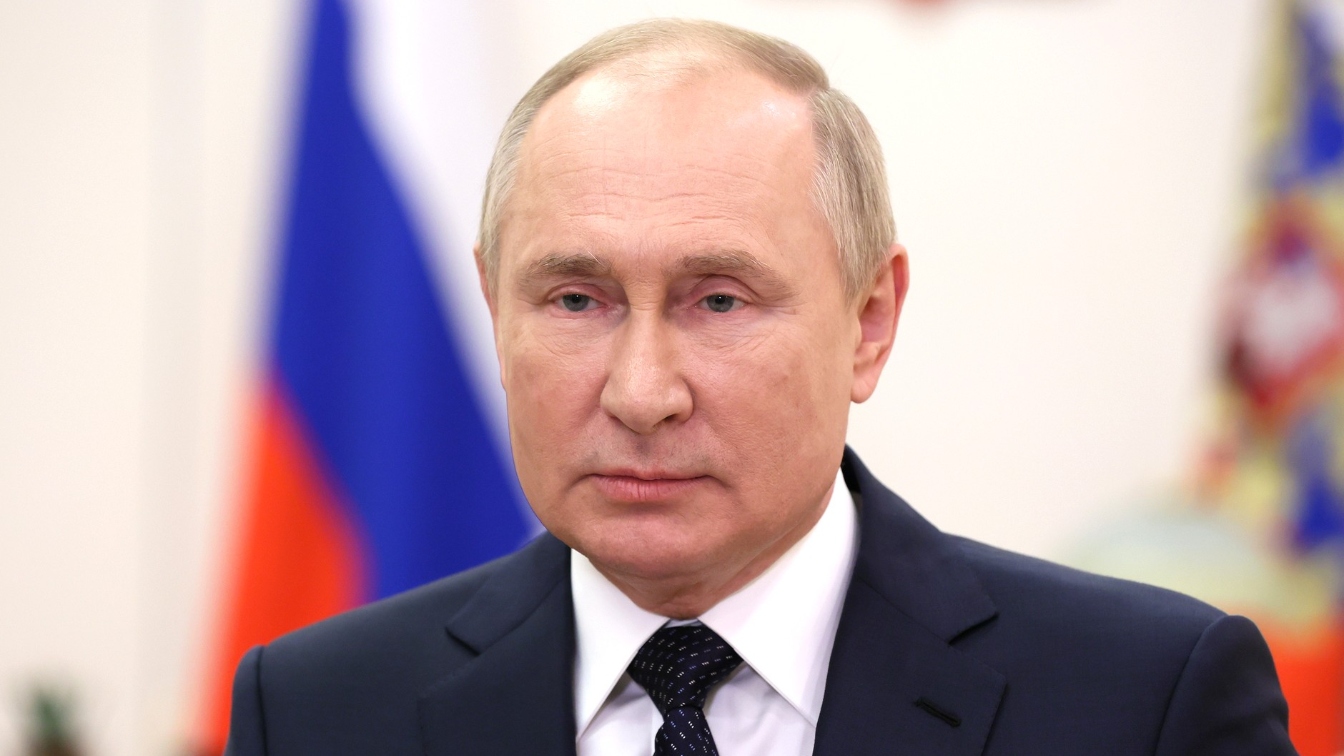
Putin in 2021 Creative Commons Image
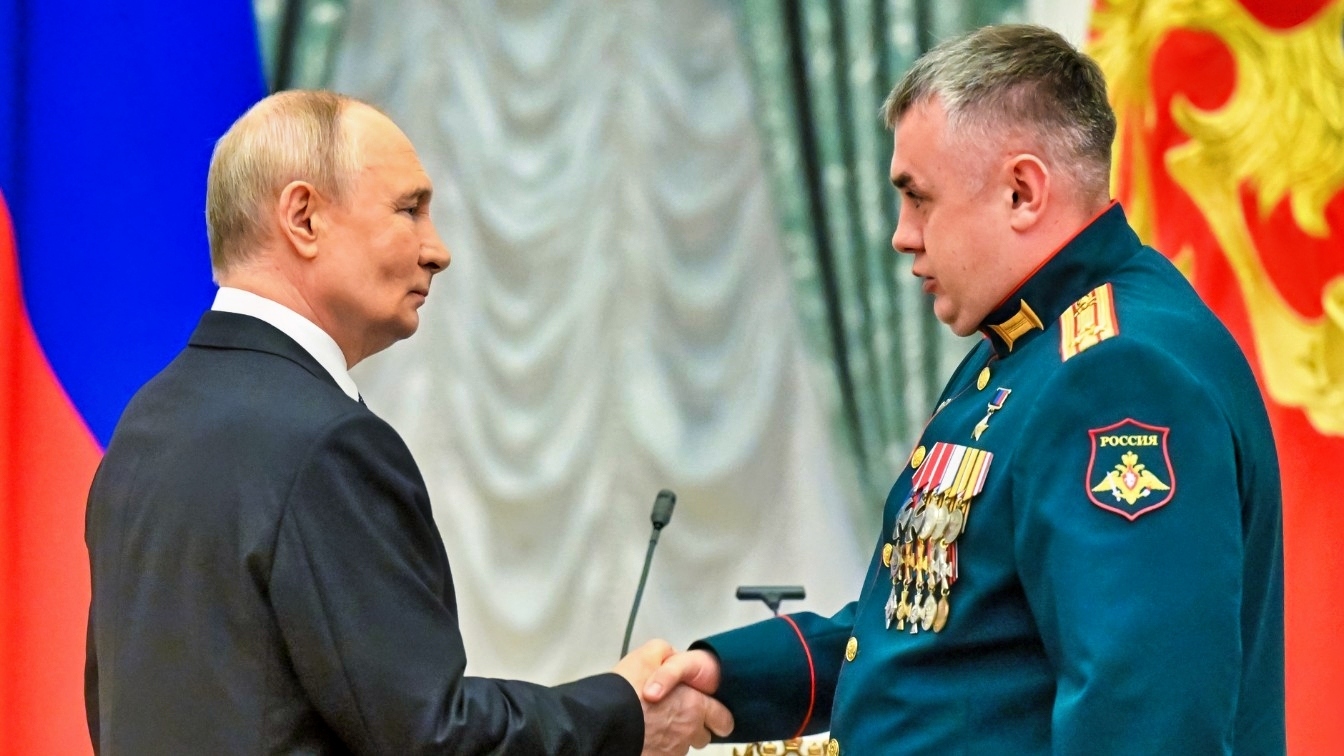
Putin and Russian Military Creative Commons Image
As he attempts to take full control of the Donbas region of Ukraine, the Russian economy is showing worrying signs of trouble ahead, with oil refineries shutting down regularly as repair teams attempt to mitigate the damage before the next round of strikes.
Earlier this month, Reuters reported that Russian fuel production had fallen well below normal seasonal demand following repeated attacks on energy infrastructure, forcing Moscow to reroute fuel from Siberia and begin imports from Belarus, India, and elsewhere.
Regional governments are also rationing fuel, with the Altai Republic being among the latest to do so.
And yet, those attacks and the damage Ukraine is doing do not appear to have made the Kremlin more willing to negotiate. In fact, reports from earlier in July revealed how President Vladimir Putin has rejected proposals to freeze the conflict along the current front line and is instead determined to capture the remainder of the Donbas before the end of the year.
Two sources close to the Kremlin told Reuters that they believed a further escalation is now likely, while Kremlin spokesman Dmitry Peskov publicly warned that continued strikes from Ukraine would only force Russia to seize an even larger buffer zone around the new borders.
If those reports really reflect the Kremlin’s thinking, then Putin faces a major strategic dilemma.
Ukraine is steadily increasing the cost of sustaining the war, but Russia’s political objectives keep expanding rather than shrinking.
It could be a power play, or a signal intended to encourage Ukraine to dial back its ambitions or face an even bigger assault over the winter.
It might also be a delusion. But whatever it is, if Putin wants to take control of the Donbas, he has only a small number of risky options.
More Men May Not Solve Russia’s Problem
The first and most obvious option the Kremlin is likely considering is to simply commit more troops to eastern Ukraine.
While Russia and Ukraine exchange long-range blows, Russian forces continue to push ahead in their Donbas campaign, albeit with diminishing returns.
Putin has repeatedly insisted that Russia will continue offensive operations regardless of Ukrainian proposals that he says are only intended to buy Kyiv time.
During a June interview with Russian state television, the Russian president argued that agreeing to a ceasefire would only serve to help Ukraine redeploy forces from regions including Sumy, Mykolaiv, and Kharkiv into Donbas, where Russia is attempting to “liberate” the region.
But to make the gains required to fully take control of the region, the Russians need more troops.
A larger mobilization would satisfy that requirement, but it would also carry significant economic and political risks.
The partial mobilization announced in 2022 was deeply unpopular in Russia, prompting hundreds of thousands of men of military age to leave the country.
Another large-scale mobilization would prompt yet more outrage at a time when regular citizens are queueing for fuel at gas stations and facing rising prices across the board.
It would also compound economic problems, removing workers from an economy already struggling with labor shortages.
More manpower wouldn’t necessarily guarantee success, either.
Russian forces have continued to make gradual but slow gains in Donetsk, but at an enormous cost – and intelligence now suggests that new soldiers survive on average just 20 minutes after being deployed to the front lines.
A Northern Assault May Be Necessary
If Putin were to enlist more troops, the political and economic fallout would need to be mitigated by significant progress on the front lines.
Without that progress, another mobilization would likely push Russian elites further away from the Russian president at a time when insiders say they are already growing wary of the war.
To make that progress, Putin needs more than just additional soldiers—he needs a new strategy. In order to make full use of those troops, it is conceivable that a new assault from the north could occur, as Ukrainian intelligence has suggested, to divert Ukrainian resources away from the east and to the north.
It would compel Kyiv to redeploy mechanized brigades, artillery, engineers, air defense systems, drone units, and so much more away from the Donbas.
Every brigade currently defending Sumy or northern Kharkiv would be one less available to reinforce Kostyantynivka or Kramatorsk, and the remaining Ukrainian strongholds in Donetsk.
If Russia cannot break Ukraine’s defenses in the Donbas soon, it risks an economic crisis caused by Ukrainian strikes and little chance of taking control of the eastern regions of the country in a negotiated deal.
If Putin is serious about making those advances ahead of the next round of peace talks, if they ever in fact arrive, a northern assault – or at least some other strategy – is necessary.
About the Author: Jack Buckby
Jack Buckby is a British researcher and analyst specializing in defense and national security, based in New York. His work focuses on military capability, procurement, and strategic competition, producing and editing analysis for policy and defense audiences. He brings extensive editorial experience, with a career output spanning over 1,000 articles at 19FortyFive and National Security Journal, and has previously authored books and papers on extremism and deradicalization.


