

Last night, following a brief three-day ceasefire on each other’s capitals, Russia launched another large-scale attack on Kyiv.
Both Russia and Ukraine agreed to cease long-range attacks against each other’s capital cities while American envoys Steve Whitkoff and Jared Kushner traveled to Moscow and Kyiv for diplomatic talks.
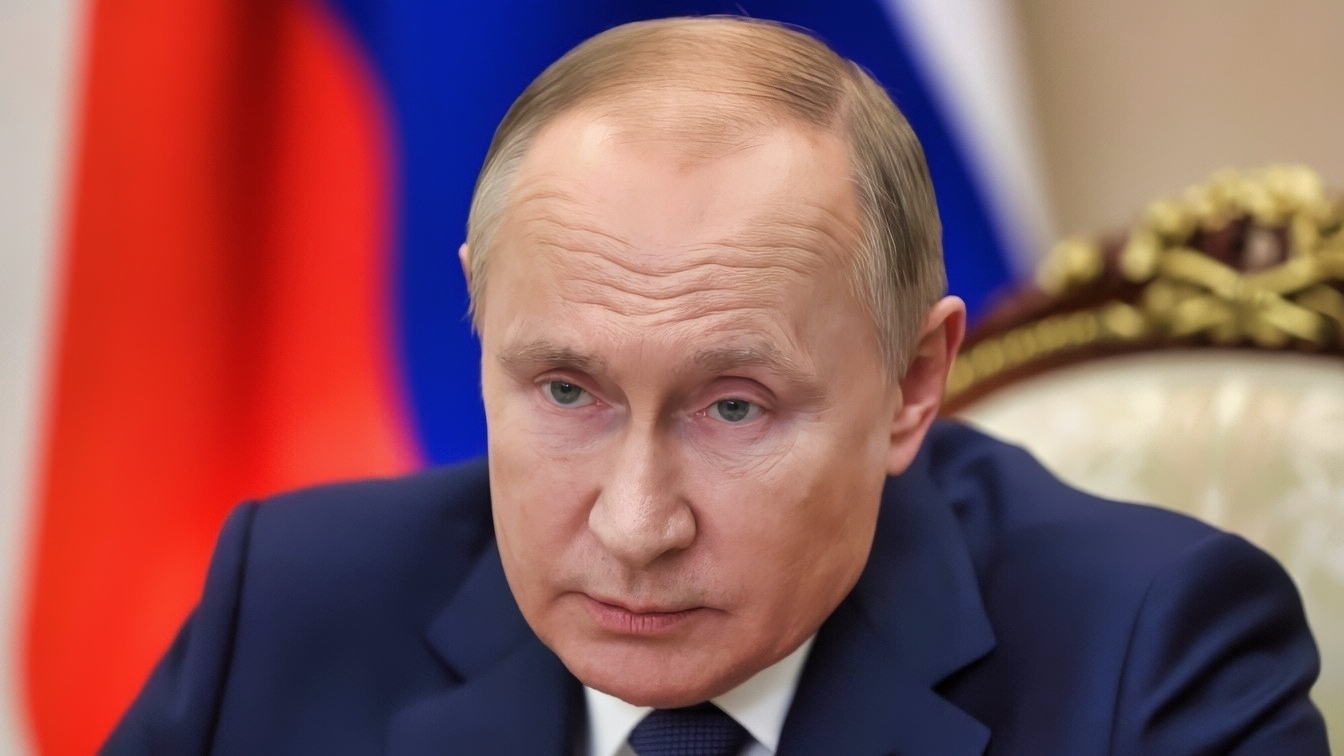
Putin Back in 2021 Creative Commons Image
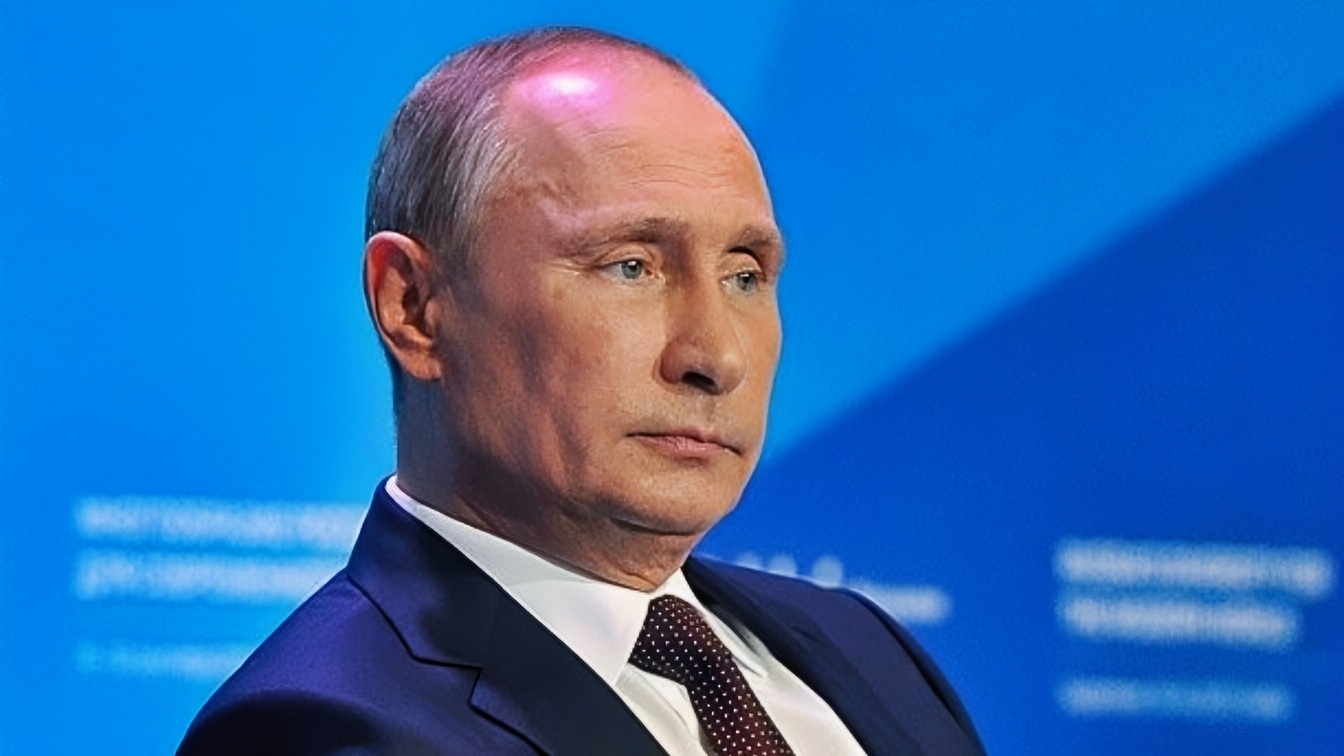
Putin at Valdai Club in 2013. Image Credit: Creative Commons.
Although President Zelenskyy attempted to implement a front-wide ceasefire, the Russians agreed only to halt attacks on Kyiv city for three days.
As of September 8, the ceasefire is complete, and attacks against Ukraine’s capital are continuing as usual.
Russian Attacks Against Kyiv Continue
Last night’s attack, according to initial reports, utilized 166 attack drones, 32 cruise missiles, and roughly 24 ballistic missiles of various types. According to the Ukrainian Air Force, air defenses downed 142 drones, 31 cruise missiles, and two ballistic missiles, following a small delivery of PAC-3 interceptors from European allies.
Independent open sources were able to verify that two North Korean KN-23 ballistic missiles had been intercepted during the attack.
However, most of the ballistic missiles still reached their targets.
The attack was aimed at targets throughout the Kyiv region and in the Southern region of Odesa. Kyiv Mayor Vitali Klitschko said in a social media post that at least 10 people were injured in the city, of whom five were hospitalized.
The mayor said two people were in serious condition. In a later post, Klitschko said that a third person had died.
The Russian Ministry of Defense reported that the attack had been carried out against “facilities of the Ukrainian defense industry, logistics and storage centers, military facilities in Kyiv and Kyiv region.” The Russians reportedly struck the JSC Kyiv Radio Plant, the Reinforced Concrete Structures Plant, and various warehouses, which the MoD claimed were assisting in the production, assembly, and storage of various types of drones and missiles.
Furthermore, the Russians also attacked a ship at the port of Chernomorsk, which they claim was delivering military supplies and weapons.
Over the last 24 hours, the Russians have also been carrying out multiple strikes using the S8000 Banderol cruise missile.
Still Low on Air Defenses
In the aftermath of the attack, Zelenskyy took to social media, claiming that the attack was “complex, and the Russians deliberately planned it to cause as much damage as possible to people’s lives, using ballistic missiles, cruise missiles, anti-ship missiles, and Shahed drones.” The President reported that a building hosting the We Are Ukraine television channel was struck during the attack, injuring five people.
Zelenskyy said that the attack marked “a new chapter in Russia’s degradation, and Europe and the world must certainly respond to this.” He also noted that the attack damaged critical infrastructure, a market in Odesa, an apartment building in Kharkiv, and a train locomotive in Sumy.
While air defenses have managed to down two ballistic missiles, Ukraine is still low on critical interceptor missiles, with deliveries from European allies occurring infrequently and in small batches.
“Despite the very good results against cruise missiles, it remains particularly challenging to intercept ballistic missiles, and we are constantly emphasizing this need to our partners,” Zelenskyy wrote. “We have already discussed this with Americans and Europeans, and there will be further meetings, including today, with representatives of countries and companies that can help with supplies and with our FREYJA anti-ballistic system,” he added, referring to the Ukrainian-European effort to build a new ballistic missile interceptor.
Russian Attacks Intensifying
Over the last month, Russian attacks against Ukraine have intensified.
These attacks, thanks in part to Ukrainian attacks against Wildberries, have been targeting civilian enterprises, warehouses, gas stations, locomotives, trucks, and whatever else Russia claims is supporting Ukraine’s war economy.
Outside of Russia’s regular mass missile/drone attacks, the Russians continue to strike targets throughout Ukraine, which has been severely stressing Ukraine’s already weakened air defenses.
A key enabler of these attacks is the new jet-powered Geran-4/Geran-5 drone (at this point, it’s essentially a missile) and the Banderol cruise missile.
These new munitions are easy to produce in large quantities and are much cheaper than Kh-101 or Kalibr cruise missiles.
In May and June, many prominent pro-Ukrainian outlets lauded Ukraine’s long-range strike campaign against Russian oil refineries and later against Russian civilian logistics warehouses.
The talking point three months ago was that Ukraine had successfully turned the tide of the “air war” against Moscow thanks to advances with medium- to long-range drones.
At the time, however, more sober analysts, including Ukraine’s former Commander-in-Chief, warned that these attacks would only provoke Russia to respond in kind.
Lo and behold, those predictions were proven accurate. Rather than forcing Russia to end the war on Ukraine’s terms, Moscow has dug its heels in and has continued its war effort despite the damage done by Ukrainian drones.
Indeed, Ukraine has continued its air campaign, and Russia has suffered setbacks on the ground, but the war is still far from over and will likely continue for as long as Putin allows it.
About the Author: Isaac Seitz
Isaac Seitz, a Defense Columnist, graduated from Patrick Henry College’s Strategic Intelligence and National Security program. He has also studied Russian at Middlebury Language Schools and has worked as an intelligence Analyst in the private sector.


