

The United States Treasury Secretary Scott Bessent has told CNBC that there’s “a chance” the Trump administration and the Islamic Republic of Iran will reach a deal within the next 24 hours over the Strait of Hormuz (SoH).
If that’s the case, it’d mark the second time in the Iran War that the two sides agreed to allow civilian shipping to move through the SoH once more free of charge (the first time being with the Memorandum of Understanding).
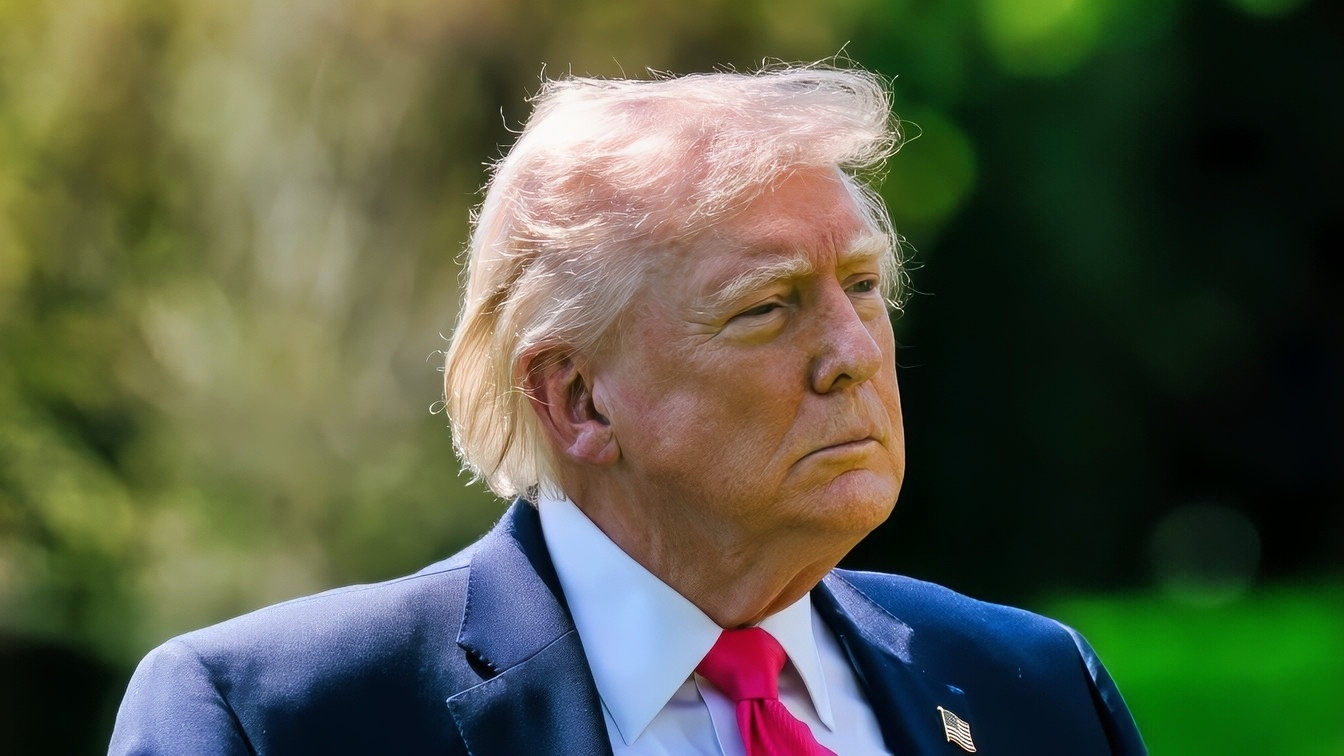
President Donald J. Trump speaks with members of the media before boarding Marine One on the South Lawn of the White House, Thursday, April 16, 2026, en route Joint Base Andrews for a trip to Las Vegas. (Official White House Photo by Molly Riley)
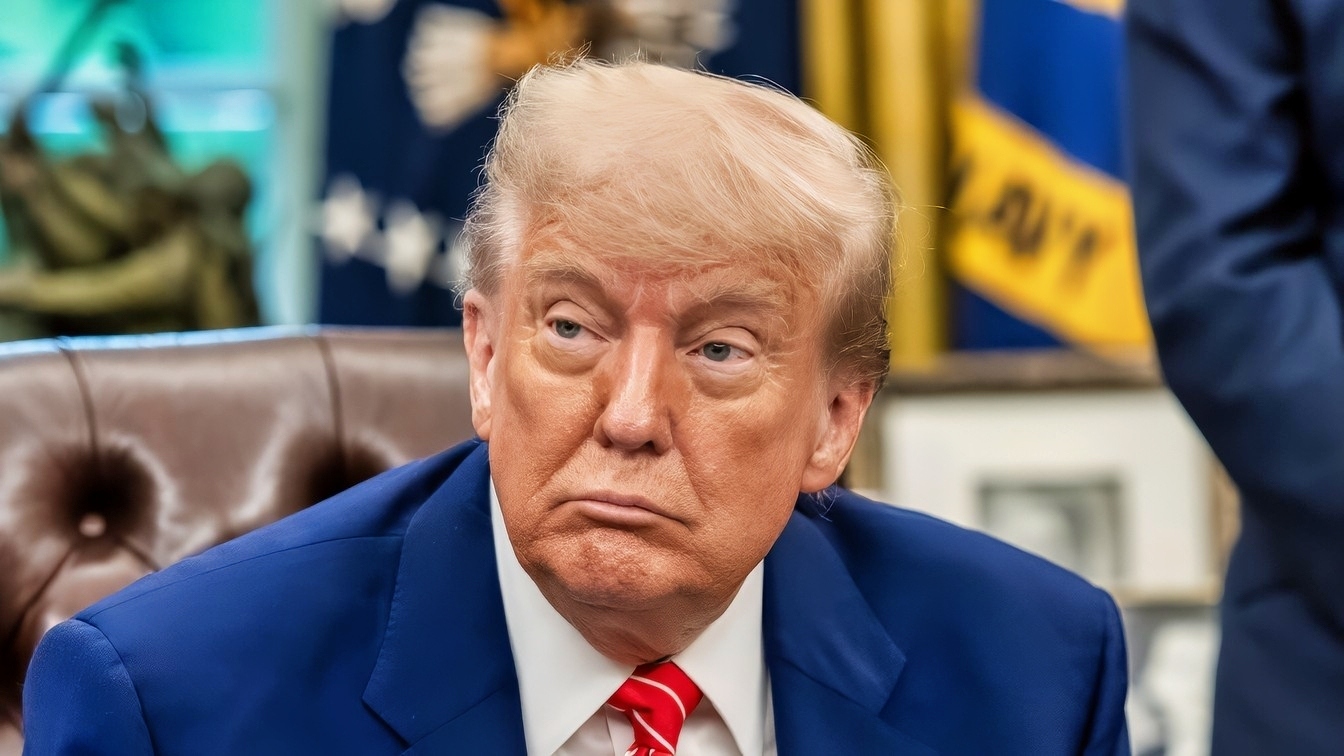
President Donald Trump is joined by Secretary of Commerce Howard Lutnick, Vice President JD Vance, British Ambassador Peter Mandelson, U.S. Trade Representative Jamieson Greer, and Secretary of Agriculture Brooke Rollins, while announcing a trade agreement with the U.K., Thursday, May 8, 2025, in the Oval Office. (Official White House Photo by Molly Riley)
Although some concerns remain about whether it will happen.
A History of Bad Negotiating
Not long after President Donald Trump announced he was staying his hand over the weekend in the hopes that negotiations would pan out, the two sides began walking back their earlier interest in a deal.
At first, the president claimed the Iranians had “begged” him for a deal. Tehran denied that it ever reached out to him.
In fact, Iran’s leadership insisted that they were not directly speaking with American representatives.
One might say it was the war over the possible peace deal.
Anyway, Iran went about downgrading expectations for a deal. They rejected the Omani proposals to share a voluntary fund for co-management of the SoH.
Instead, Al Jazeera reports that Muscat and Tehran are in the final stages of a brand new–albeit temporary–deal to reopen the SoH.
That deal, by the way, heavily favors the Islamic Republic because it grants Iran expanded, unilateral control over shipping routes in the SoH.
This deal, if approved, is expected to last up to three months. According to Reuters, Oman and Iran will merge their shipping routes into a single central path.
What Iran Wants
Tehran is demanding total control over inbound traffic and increased oversight and intervention power over all outbound traffic. The deal gets worse for the American side, which totally opposed Iranian control over the SoH until five minutes ago.
The Telegraph reports that a “service fee” will be made mandatory for all ships utilizing the SoH. Revenue will be divided jointly between Oman and Iran.
Contrary to what the president would have you think, the United States has effectively been kept out of what amounts to bilateral negotiations between the Islamic Republic and Oman.
If that deal is signed (and that is the only real deal being discussed by anyone right now), then the Iranian regime’s path to regional dominance and legitimacy will be assured.
President Trump insists that the deal will see the reopening of the SoH and the free flow of ships to prewar conditions. The Iranians have not commented on this.
If the reports in The Telegraph, New York Times, Jerusalem Post, and Reuters are accurate, though, the president’s claims are not correct.
And that likely explains why Trump has been launching social media tirades in the last day or so directed at the Iranians.
He understands that even a temporary deal with Iran harms the US position — begging the question of how Washington could either allow this deal to go forward or how the Americans could abide by it even for three months?
Why Is Trump So Angry If He’s Getting a Deal?
Trump spent the last day attacking Iranian mediators on social media while calling for decapitation strikes against the Islamic Republic.
In a clear show of force (and defiance), the Iranians possibly attacked a dry bulk cargo vessel.
Nevertheless, senior members of the administration, such as Scott Bessent, insist that a deal is coming within the next 24 hours.
No matter what, the administration will make bold claims about how effective their dealmaking has been.
Trump and his team will argue publicly that the deal will fully reopen the SoH and that it will be, in the president’s parlance, a “very strong” deal favoring the United States.
Tehran will know who the boss is.
While the president’s ever-diminishing diehard supporters in “MAGA” will accept whatever he says as gospel, the reality is that the deal will be temporary.
It will cede considerable control over the Strait. The proposed deal will also impose a fee. What’s more, the Iranian side is making claims that the US sanctions must be lifted and the frozen Iranian assets held by the United States must be returned in full.
This War Might Not Be Over…
There’s a chance that at least some of those other demands will be acquiesced to by the American side, which is desperate to restart the flow of energy through the SoH (and is under strain from diminishing weapon stockpiles and angry regional allies who want the war over).
Then again, multiple Israeli sources–including a retired IDF brigadier general–tell me that they believe the current round of negotiations with Iran is merely a “pause” in the fighting and that Trump will ultimately resort to force against the Islamic Republic.
If the past is prologue, that stance is likely correct.
So, it remains to be seen whether Trump and Bessent are serious about a deal or are buying time to relieve pressure on markets and arsenals.
About the Author: Brandon J. Weichert
Brandon J. Weichert is the Senior National Security Editor. He also manages The Weichert Brief on Substack. Weichert also hosts “National Security Talk” on Rumble. He is the author of four bestselling national security books, the most recent of which is A Disaster of Our Own Making: How the West Lost Ukraine (Encounter Books). Follow him via Twitter/X @WeTheBrandon.


