

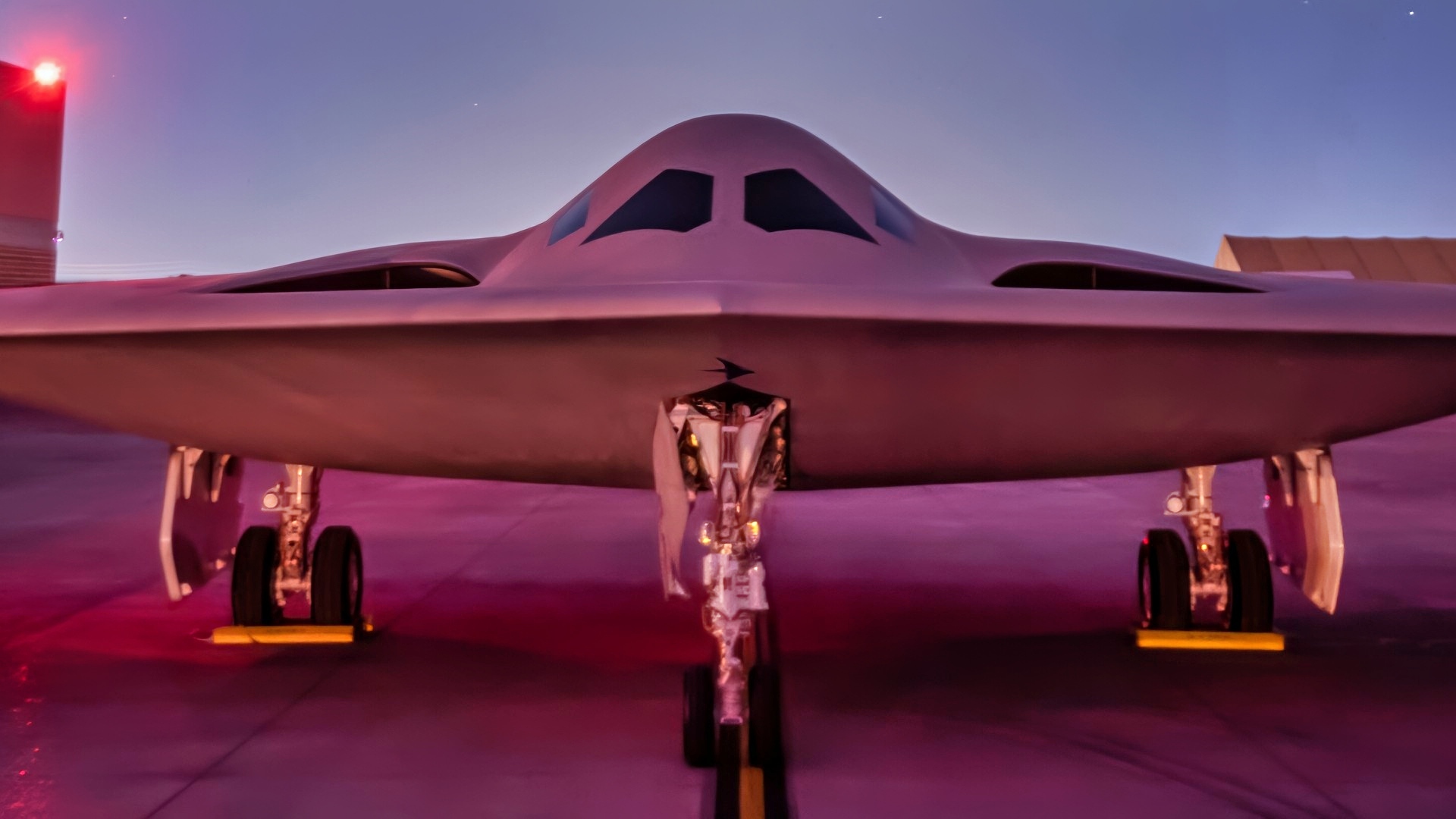
The sleek, bat-like design of the emerging B-21 Raider stealth bomber is understandably generating interest in the mysterious, largely “secretive” new program. Yet developers and senior Pentagon leaders have been clear in emphasizing some of its intended missions and corresponding Concepts of Operation.
Eluding enemy air defenses to penetrate and attack hostile targets is, of course, its primary mission. For years, many Air Force leaders and weapons developers have made it clear that the B-21 Raider incorporates new, paradigm-changing stealth technologies.
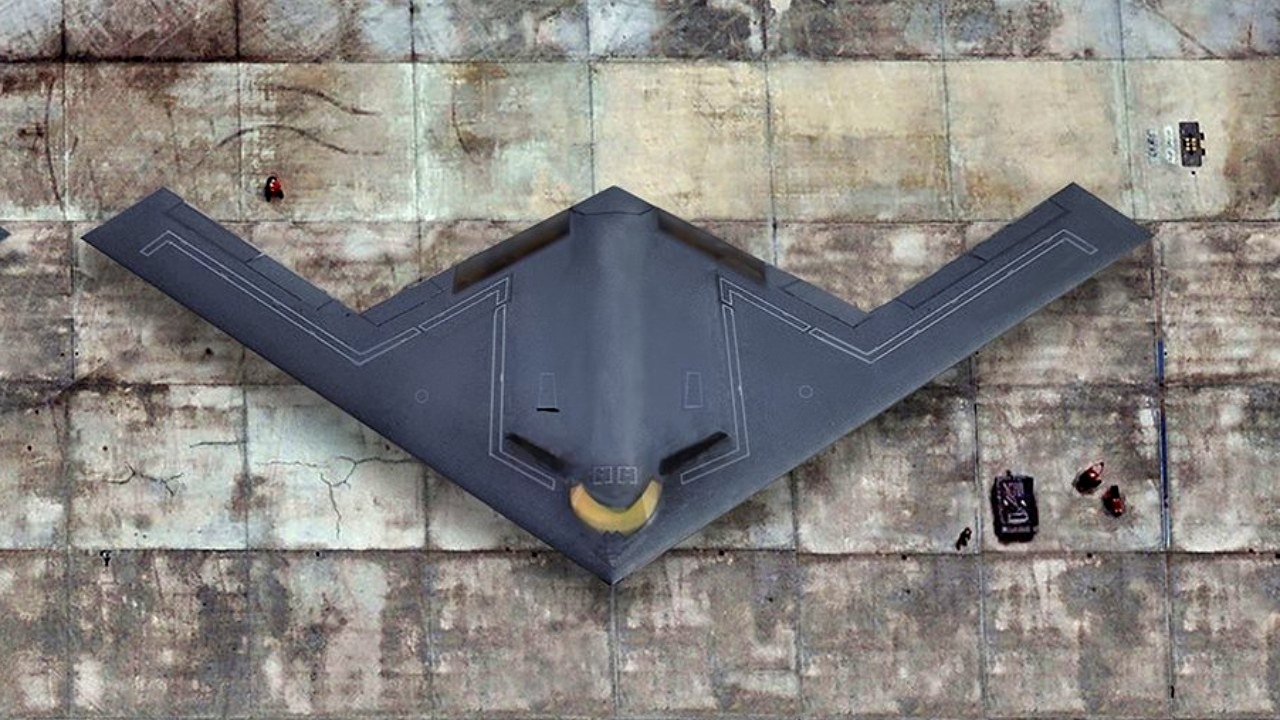
B-21 Raider Stealth Bomber Artist Image. Image Credit: Creative Commons.
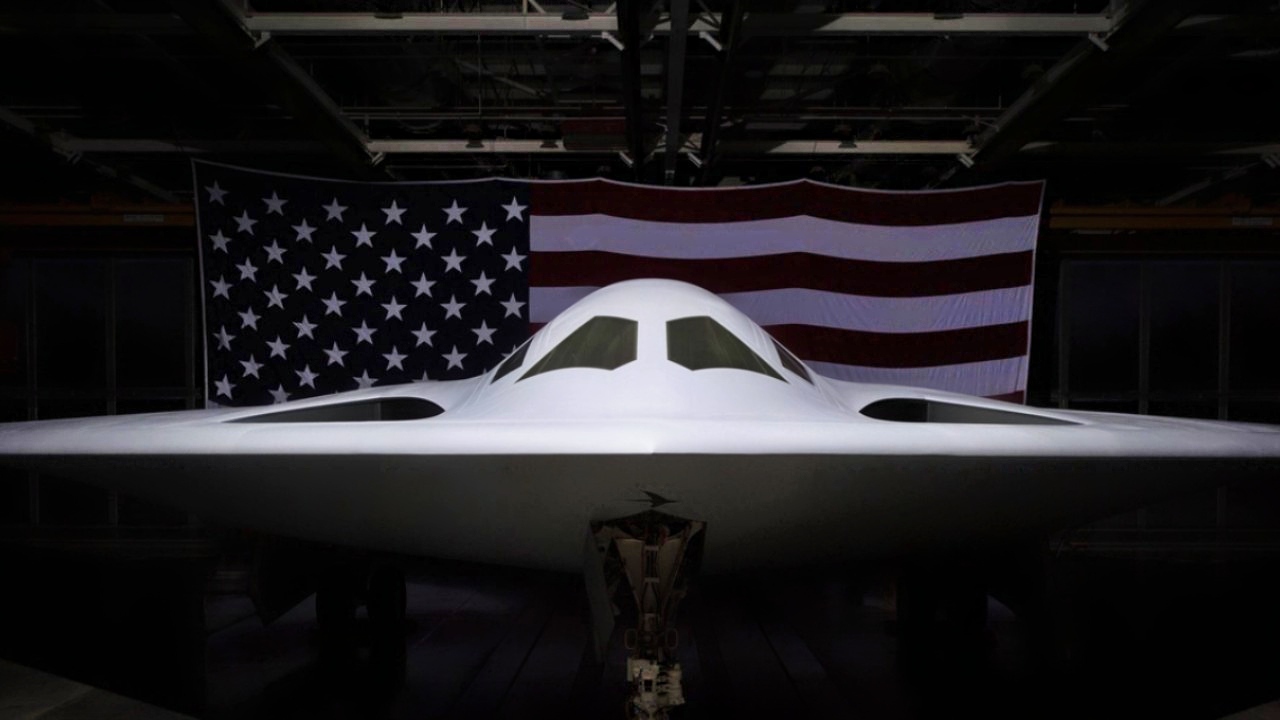
B-21 Raider Bomber. Image Credit: Creative Commons.

B-21 Raider. Image Credit: Creative Commons.
Beyond its stealthy design and bomb-attack mission scope, the B-21 platform will also operate as a critical sensor or intelligence node in the sky, functioning as a multi-domain, networked gateway point for collecting, processing, analyzing, and transmitting vast pools of time-sensitive, combat-relevant information.
B-21 Raider Stealth Bomber as Aerial Node
Of course, specific mission details, concepts of operations, and technological capabilities of the B-21 remain mysterious and largely unavailable for security reasons, as it is a largely black or secret program. The bomber will likely serve as an indispensable data-processing and transmission node within a broader, integrated multi-domain combat network.
Senior Air Force leaders have said the B-21 is expected to be able to control drones from the air.
The B-21 could use its stealth and advanced altitude-based sensing to identify previously unseen high-value air, ground, or surface targets and transmit detailed information to other air- and ground-based command-and-control nodes.
This mission concept is, of course, an integral part of the Pentagon’s Joint All Domain Command and Control program, a highly prioritized effort to link data across domains in real time through a joint air, land, sea, and space force.
This will be made possible by secure transport-layer communication technologies, technical interfaces, and gateways that can essentially translate information gathered from otherwise incompatible data formats.
B-21 Controls Drones
This advanced sensing and computing technology will enable the B-21 to control nearby drones, process incoming sensor data from air, sea, ground, and space information-collection nodes, and transmit high-value target details to other nodes, platforms, attack systems, and human decision-makers.
Using advanced, high-speed computer processing and AI-enabled analytics, the B-21’s sensors and on-board computing may help determine the optimal effector or method of attack to destroy an enemy target.
Should key targeting information arrive via an RF signal, datalink, satellite, or wireless computer, an AI-enabled data gateway system can integrate otherwise incompatible data formats to gather and analyze targeting and intelligence information.
B-21 & AI
Using AI at the point of collection, B-21 computers would be positioned to integrate new incoming information from disparate sources and bounce collected details off a vast database to make determinations, perform analysis, and present an integrated, multi-domain targeting and threat landscape picture to human decision-makers in the cockpit or on the ground.
Through what Senior Air Force weapons developers describe as software-hardware synergy, it seems conceivable that B-21 sensors, computers, and electronics could better scale, deploy, and streamline procedural functions such as checking avionics specifics, measuring altitude and speed, and integrating otherwise disparate pools of sensor information.
Among other things, this approach means war-sensitive sensor, targeting, and navigational data will be managed and organized through increased computer automation.
This will allow pilots to make faster and more informed combat decisions.
Often referring to the B-21 in the context of a “family of systems,” senior Air Force leaders have for quite some time discussed the new aircraft as expected to be capable of unmanned missions.
B-21 & Autonomy
This concept of operations could evolve in several ways, including preparations for the B-21 to fly unmanned missions itself or to operate groups of networked drones from the aircraft’s cockpit.
While there is, of course, no substitute for the unique decision-making attributes of human cognition, deemed critical to real-time dynamic adjustments amid a host of fast-evolving air warfare variables, there are also unprecedented advantages to using drones in close coordination with the bomber.
This kind of “loyal wingman” capability, now advancing rapidly through Air Force testing and development, enables a manned crew to control the aircraft’s flight path and sensor payload from the cockpit. This not only allows manned crews to operate at a safer stand-off range but also enables operation of a forward “node” or sensor platform from which to conduct surveillance, test enemy air defenses, or even drop weapons when directed by a human.
Manned-Unmanned Teaming
Through programs such as the Air Force’s Valkyrie drone, the service has already demonstrated that an F-35 or F-22 can fly alongside and operate drones such as the Valkyrie. This greatly reduces latency by avoiding the need to route time-sensitive surveillance and targeting data through a ground station.
B-21 manned-unmanned teaming also introduces a wide range of new tactical possibilities, including the ability to deliver a much larger weapons payload, increase dwell time over target areas, and conduct attacks over a wider engagement envelope.
Armed drones could also be directed to fire on and jam enemy air defenses with EW, or even drop weapons, when directed by a manned B-21 operating in the role of command and control. Unmanned systems could also incorporate what Air Force senior leaders refer to as “attributable,” lower-cost mission systems.
About the Author: Kris Osborn, Warrior Maven President
Kris Osborn is the President of Warrior Maven – Center for Military Modernization. Osborn previously served at the Pentagon as a highly qualified expert in the Office of the Assistant Secretary of the Army—Acquisition, Logistics & Technology. Osborn has also worked as an anchor and on-air military specialist at national TV networks. He has appeared as a guest military expert on Fox News, MSNBC, The Military Channel, and The History Channel. He also has a Masters Degree in Comparative Literature from Columbia University.


