

In the past months, Ukraine has been ramping up its drone attacks against Russian oil infrastructure. These attacks have been felt especially hard in Russian-controlled Crimea, which is forced to introduce fuel rationing in major cities like Sevastopol, resulting in long lines for citizens to fill up their cars. Crimea currently operates a limited number of supply corridors, with the most secure being the Novorossiysk highway, which connects the peninsula to other occupied territories of Ukraine. This highway has recently come under fire from Ukrainian drones, threatening the supply of the region.
Fuel Shortages in Crimea
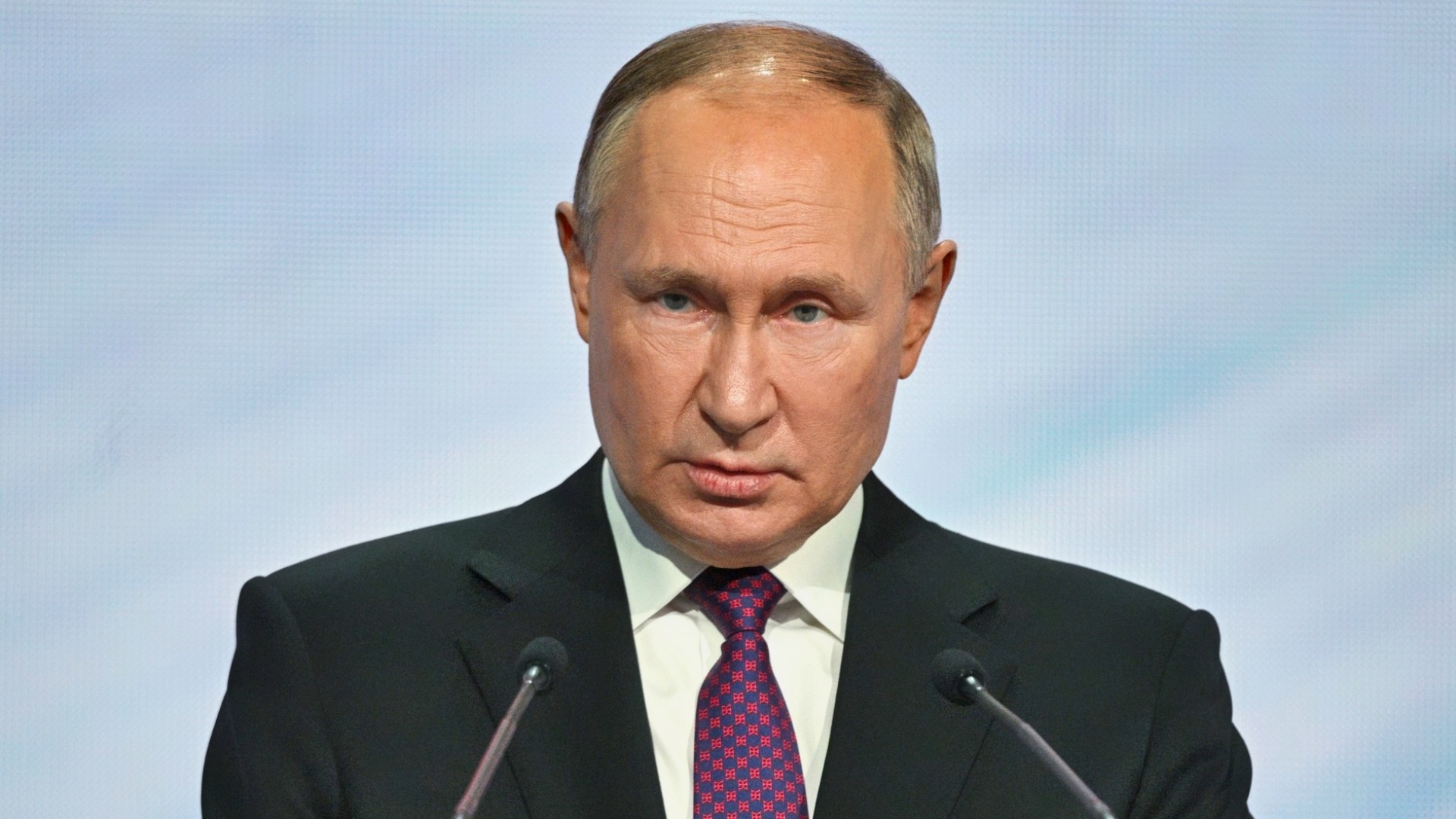
Putin Back in 2023 Speaking. Image Credit: Creative Commons.
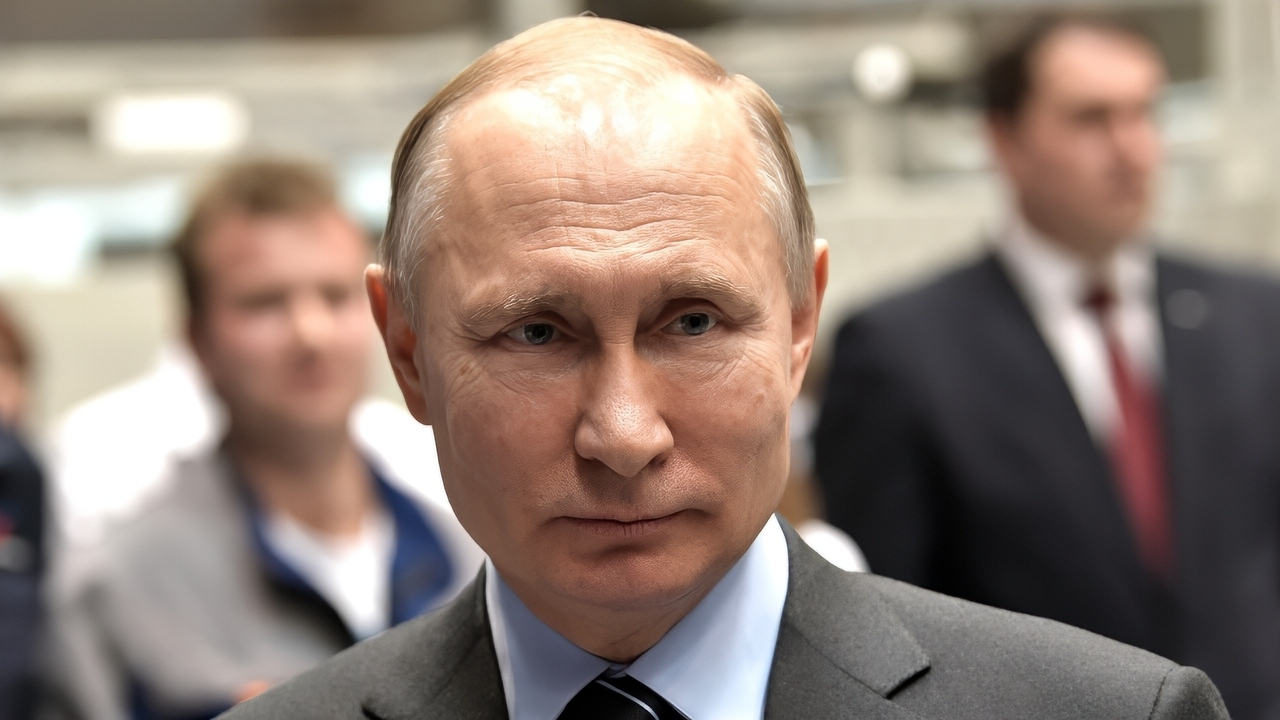
Putin March 2019. Image Credit: Creative Commons.
The shortages are a result of longer-range drone attacks targeting the shipment of fuel across the land bridge connecting Crimea to other portions of Russian-occupied Ukraine. Transit across the Crimean Bridge has also slowed down due to repeated attempts to attack it.
This leaves Russia with few options for efficiently transporting fuel into Sevastopol without coming under drone fire. Since 2022, the land bridge has been the most reliable mode of transportation because it has been relatively safe behind the front lines. Although there are currently no substantial fears of an invasion into Crimea, advances in medium to long-range drones have now threatened the previously safe roads into the peninsula.
Consequently, many civilians have been unable to fill up their cars with fuel. The Moscow-backed government has been forced to limit the sale of certain fuels, such as AI-95, and has restricted their sale to individuals with special coupons only. “I haven’t been able to fill up for two days now,” one resident told Reuters. “Yesterday there was no gasoline, and today I’m driving around town, and there’s no gasoline, neither 92 nor 95.”
The constant attack on Russian fuel infrastructure, combined with Western sanctions, has hit Crimea particularly hard. Unlike the rest of Russia, Sevastopol is relatively cut off, relying heavily on supply routes that are within range of Ukrainian drones.
Crimea is Forced to Endure Putin’s War
The governor of Sevastopol, the Moscow-backed Mikhail Razvozhayev, has tried to reassure the public and urged people not to panic amid fuel shortages. “The current difficulties are linked to the need to strengthen security measures and optimize the logistics routes used to deliver fuel to our city. These are temporary but objective challenges that we will overcome,” he said. Meanwhile, other regions of Russia, particularly those close to the border with Ukraine, such as Belgorod, have also been forced to impose restrictions on certain fuel sales to compensate for reduced supply.
Residents in Crimea are frustrated by these shortages, but with the war now in its fourth year, there is little to be done but to endure them.
This is not the first time that Crimea has had to deal with shortages. After the Russians annexed Crimea in 2014, Ukraine built a dam in the North Crimean Canal, which cut off the region from 85 percent of its water supply, resulting in shortages across the peninsula. Russia accused Ukraine of deliberately redirecting water from Crimea to other parts of the country, which Ukraine denied.
Attempts to negotiate a settlement for a steady flow of water were rejected by the Ukrainians, who somewhat understandably did not want to negotiate with the state that had just annexed part of their country. In 2022, just a few months after the invasion began, Russia blew up the dam in the North Crimean Canal, ensuring a steady stream of water into the region.
Ukraine’s Campaign Against Russian Energy and Its Effects (Or Lack Thereof)
Outside of Crimea, multiple regions of Russia have been targeted by Ukraine’s campaign to disrupt its oil and gas infrastructure. Just a few days ago, Saint Petersburg suffered one of its first and largest attacks of the war, which targeted oil storage and refinement sites near the port. Moscow has also suffered repeated attacks on its energy infrastructure from long-range drones. Interestingly, many of these drones appear to be smuggled inside Russia to bypass its air defenses or take flight paths through neutral countries to avoid being shot down in flight.
This is a risky move by Kyiv as it threatens to escalate the conflict beyond Ukraine. Russia, however, has made no response to discourage Ukraine from using other countries’ airspace, further enabling more asymmetric attacks.
Russia Making Serious Cash
Outside of Crimea and Sevastopol, the economic impacts of Ukraine’s campaign have been almost negligible. According to a Bloomberg report, Russia recorded some of its highest revenues from exporting fuel and oil despite months of drone attacks and Western sanctions.
This is due in part to the inflated price of oil, driven by the war in the Middle East. Russia has long been a key exporter of oil and fuel, and despite Western efforts to cut off Moscow’s exports, customers worldwide continue to demand Russian oil at premium prices. Other independent analyses show that, despite attacks, Russian oil refineries have resumed activity at almost full capacity.
MORE – The USS Gerald R. Ford Aircraft Carrier Fire Was Far Worse Than Anyone Knew
MORE – China’s New DF-100 Cruise Missile is a Supersonic Tomahawk aimed at U.S. Navy Aircraft Carriers
About the Author: Isaac Seitz
Isaac Seitz, a Defense Columnist, graduated from Patrick Henry College’s Strategic Intelligence and National Security program. He has also studied Russian at Middlebury Language Schools and has worked as an intelligence Analyst in the private sector.


