

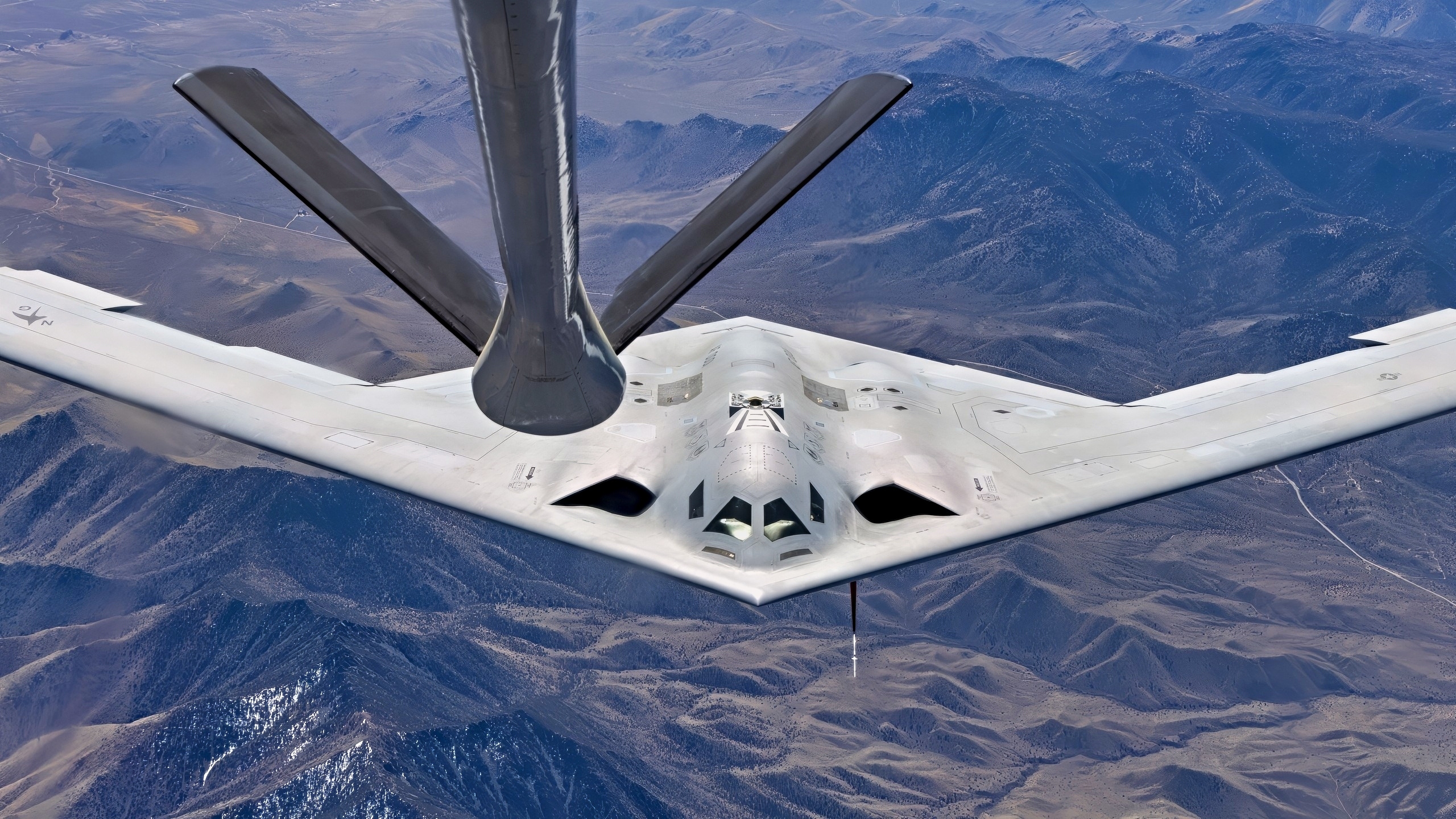
I Stood Next To The Only B-2 In The World At A Museum Last Summer — And Realized Why America Needs Every B-21 Raider It Can Build
Last July, I walked into the National Museum of the U.S. Air Force outside Dayton, Ohio, and stood beside the only B-2 Spirit on public display anywhere on earth. The photos and video I shot that day run throughout this piece, but no image quite captures the feeling of standing under that black flying wing in person. What struck me was not nostalgia. It was urgent. Looking at that aircraft, I could only think about how few of them the United States actually has, what they have just been asked to do in combat, and why the bomber meant to replace it, the B-21 Raider, needs to be built in far greater numbers than the hundred currently on order.
The Spirit in that hangar is a monument to a capability America is dangerously short of, and the wars taking shape right now are the proof.
What That B-2 Spirit Stealth Bomber Did Over Iran
The reason a stealth bomber matters is not abstract, and it was demonstrated against Iran in the most dramatic terms.
In Operation Midnight Hammer, seven B-2 Spirits flew from Whiteman Air Force Base in Missouri and dropped 14 30,000-pound GBU-57 Massive Ordnance Penetrator bunker-busters on Iran’s Fordow and Natanz nuclear sites, the first operational use of the weapon. It was the largest B-2 strike in history and one of the longest missions the fleet had ever flown.
The detail that should stay with every American defense planner is how the mission ended. As the Pentagon recounted it, Iran’s fighters never flew, its surface-to-air missile systems apparently never saw the bombers, and the strike package retained the element of surprise the entire way in and out, with no shots fired at the aircraft. A heavily defended adversary was struck at the heart of its most protected program and never laid eyes on the weapon that did it.
That is what penetrating stealth buys: the ability to reach targets nobody else can touch and come home untouched.
No cruise missile, no fighter, no other aircraft in the inventory can do what those bombers did that night.
The Problem Is There Are So Few Of Them
Here is the uncomfortable arithmetic I kept turning over in that museum last year.
The entire American B-2 fleet numbers around 19 aircraft, and the broader bomber force is old and shrinking, leaning on B-1s and B-52s designed generations ago and unsuited to the defended airspace of a modern war.
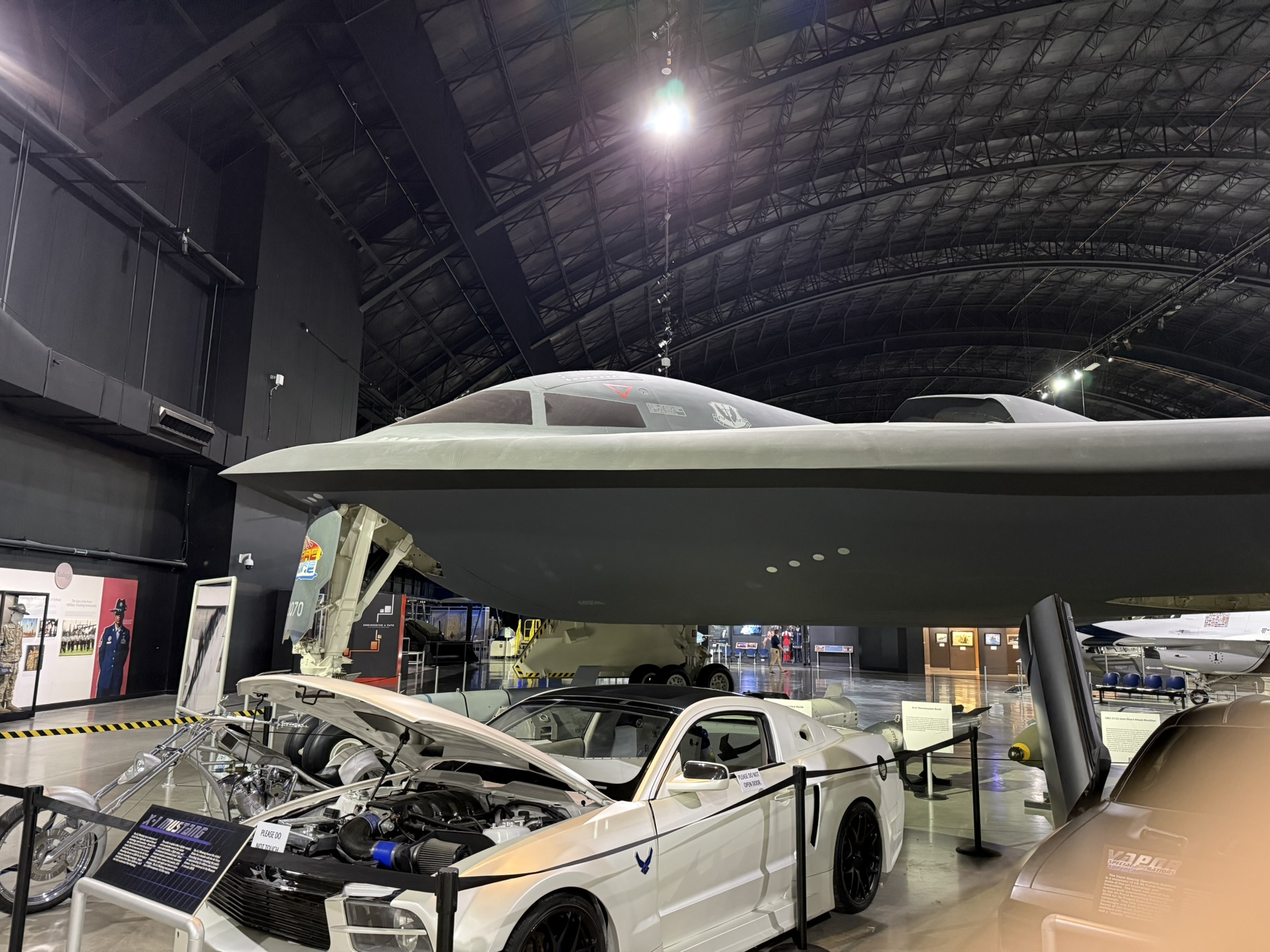
B-2 Spirit from the National Museum of the U.S. Air Force. Image taken by Harry J. Kazianis for National Security Journal.
The Air Force’s answer is the B-21 Raider, a sixth-generation stealth bomber meant to replace the B-1B Lancer and the B-2 Spirit and eventually carry the strategic bomber mission alone. The first operational Raiders are on track for Ellsworth Air Force Base in South Dakota in 2027, with the program so far having produced 21 aircraft across five low-rate initial-production lots.
The official program of record stands at “at least 100” Raiders. That phrasing was always meant as a floor rather than a ceiling, and the case that 100 is nowhere near enough has now moved from outside critics into the senior ranks of the Pentagon itself. The single most important thing to understand about the number 100 is that it does not mean 100 bombers available to fight.
The Math Problem Nobody Wants To Say Out Loud
A fleet of 100 aircraft does not translate into 100 mission-ready jets. Once you subtract the airframes tied up in training, those in deep maintenance, those being upgraded, and those held in reserve or lost over years of operations, the number actually available for a war is a fraction of the headline figure.
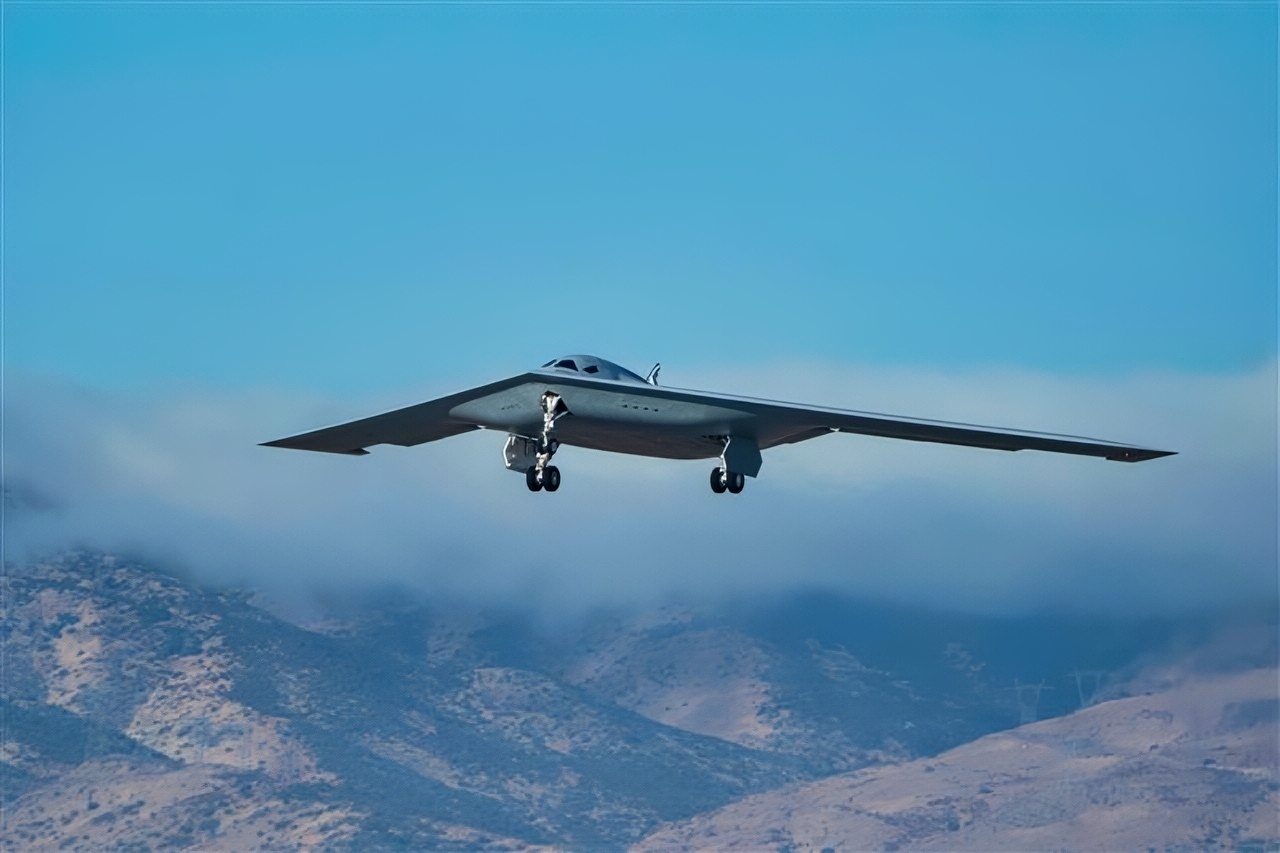
A second B-21 Raider, the nation’s sixth-generation stealth bomber, joins flight testing at Edwards Air Force Base, Calif., Sept. 11. The program is a cornerstone of the Department of the Air Force’s nuclear modernization strategy, designed to deliver both conventional and nuclear payloads. (Courtesy photo)
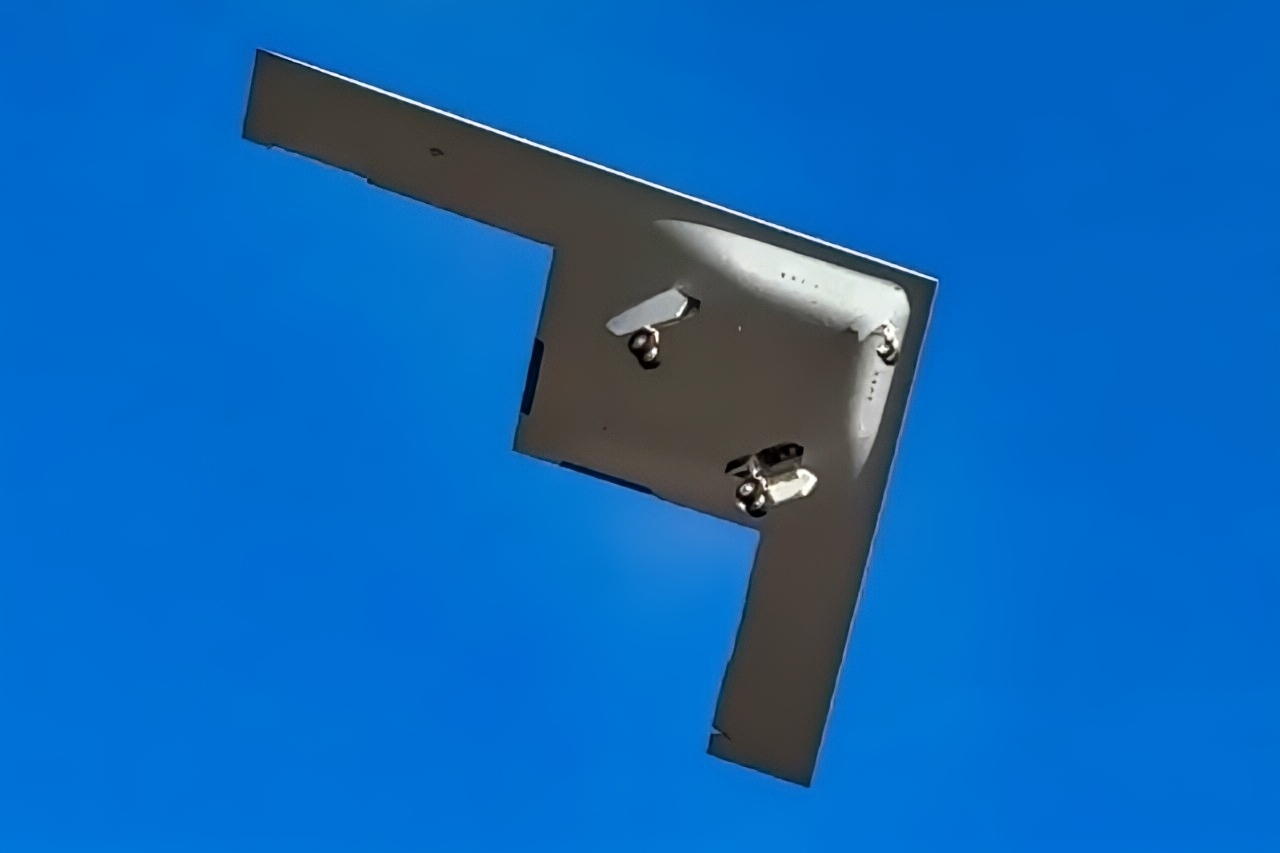
B-21 Raider New Flight of Second Bomber. Image X Screenshot from Video Posted.
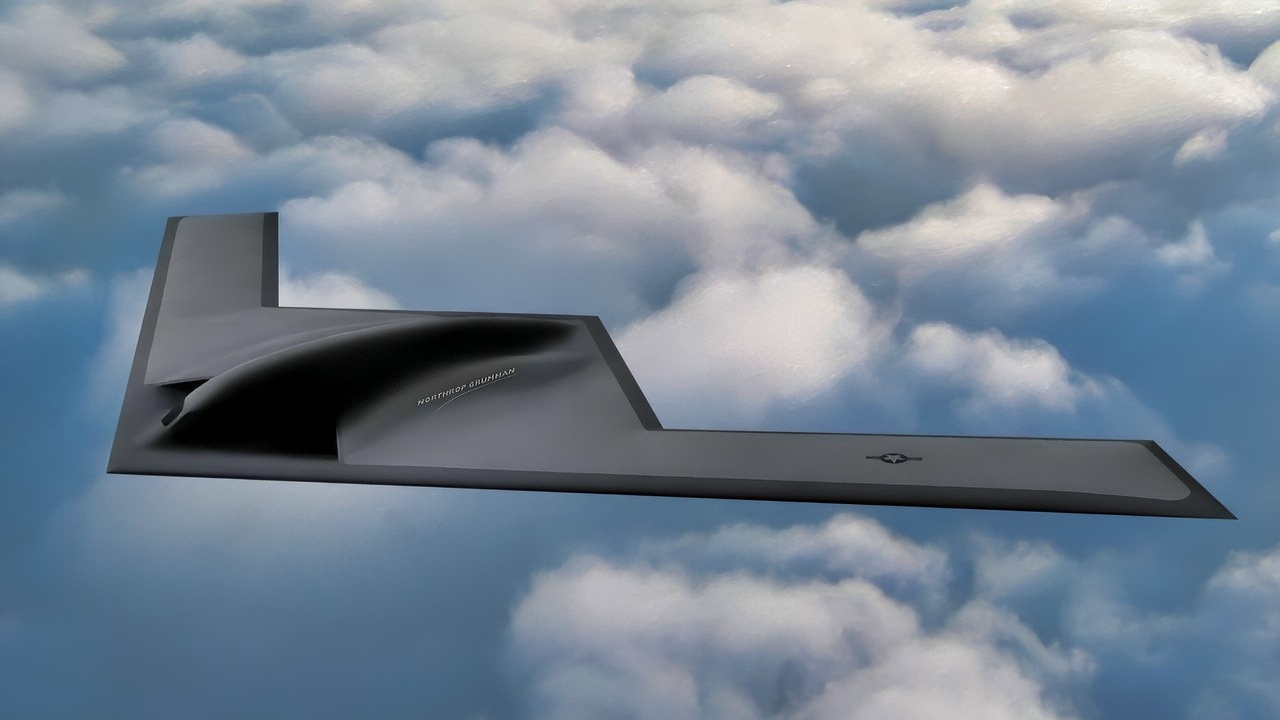
B-21 Raider Bomber Photo. Image Credit: Northrop Grumman.
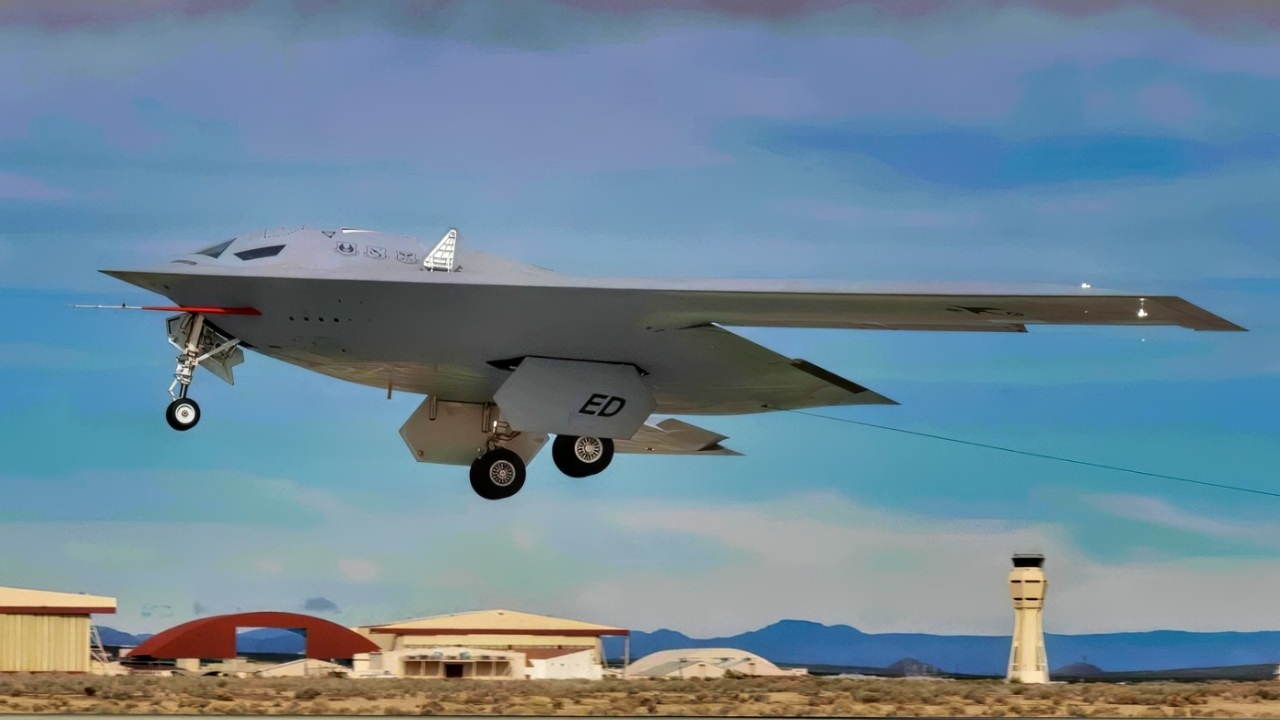
A B-21 Raider conducts flight tests, which includes ground testing, taxiing, and flying operations, at Edwards Air Force Base, California, where it continues to make progress toward becoming the backbone of the U.S. Air Force bomber fleet. The B-21 will possess the range, access, and payload to penetrate the most highly-contested threat environments and hold any target around the globe at risk. The B-21 program is on track to deliver aircraft in the mid-2020s to Ellsworth Air Force Base, South Dakota, which will be the first B-21 main operating base and location for the B-21 formal training unit. (Courtesy photo)
That gap is the heart of what some analysts bluntly call the B-21’s math problem, and it is precisely why the calls for a 200-bomber buy exist. To put a meaningful number of penetrating bombers over a target on any given day in a long war, you have to own far more than that number to begin with.
The strategic logic compounds the arithmetic. A larger Raider fleet would allow American bombers to operate with relative safety and deny an adversary operational sanctuaries from which to launch attacks while staying out of reach. A handful of irreplaceable aircraft cannot be everywhere, cannot absorb losses, and cannot sustain the tempo a peer war demands. Numbers are their own form of capability, and in this case, the United States lacks them.
The Pentagon Now Agrees, On The Record
What makes this more than another think-tank argument is that the people running the force are now saying it out loud. Defense Secretary Pete Hegseth told lawmakers the Air Force will need “a lot more” than 100 Raiders. U.S. Strategic Command has pushed to expand the planned fleet toward 145 aircraft and floated opening a second production line, and the House Armed Services Committee has questioned whether the current target supports the National Defense Strategy at all. A draft of the fiscal 2027 defense bill would force the Pentagon to deliver a report by December 2026 evaluating how many B-21s are truly needed for both nuclear and conventional missions.
The revision is already in motion. In testimony before the House Armed Services Committee in May, a senior Air Force official confirmed that the service is actively determining its revised program of record, with a new, larger number expected in the FY2028 budget request due in spring 2027. When the defense secretary, the head of Strategic Command, and the Air Force’s own planners are all signaling that 100 is too few, the debate is effectively over except for the final figure.
Why Iran Was The Easy Case
The hard truth buried in the Midnight Hammer success is that Iran was the easy version of the problem.
A limited stealth bomber force may suffice against weakened states like Iran, but is inadequate for high-end warfare against a peer adversary with sophisticated, layered air defenses and the ability to strike back at the bases the bombers fly from.

Really Up Close B-2A Spirit Bomber. Image Credit: Harry J. Kazianis/National Security Journal.

B-2 Bomber at USAF Museum National Security Journal Image. All Rights Reserved.
The total American bomber fleet has stagnated as its average age has climbed past 40 years, and one projection sees the force shrinking to around 172 aircraft by 2030, dominated by aging B-52s and B-1s that cannot survive in contested airspace.
That is the gap a war with China would expose instantly. A Pacific conflict would demand a penetrating strike against the most advanced integrated air defenses on the planet, across the vast distances of the theater, sustained over weeks or months rather than a single 36-hour raid. The B-21’s range and stealth are exactly what that fight requires, and its ability to hold targets at risk deep inside defended territory is what would deny China the sanctuaries from which it would otherwise operate freely. But none of that capability means anything without mass.
A war against China is not a one-night strike on three buildings. It is a grinding campaign in which bombers would be lost, worn out, and run ragged, and where the side that can keep putting survivable aircraft over the target wins. Nineteen B-2s proved the concept against Iran. They would be swallowed whole by the demands of a peer fight.
The Russia Scenario Makes The Same Point
A NATO confrontation with Russia tells the same story from a different angle. Russia fields dense, modern air defenses layered across its western approaches and around the high-value targets that would matter most in a war, the command nodes, the missile fields, the naval bases.
Cracking that kind of defended airspace is the specific job a penetrating stealth bomber exists to do, and it is a job the non-stealthy bulk of the current American fleet simply cannot perform against a top-tier opponent.
The deterrence value is just as important as the war-fighting value. A large, survivable B-21 fleet able to range the whole of a continental adversary and strike anywhere, at any time, with little warning, is the kind of capability that shapes an opponent’s calculations before a shot is ever fired. A small fleet invites the opposite, tempting an adversary to believe it can absorb or outlast a limited number of bombers.
In a confrontation with Russia, where escalation management and credible conventional strike both matter enormously, the difference between a hundred bombers on paper and a genuinely deep, ready fleet could be the difference between deterring a war and fighting one.
Build As Many As America Can
The production picture is finally beginning to match the rhetoric, if only partway.
The Air Force and Northrop Grumman have agreed to expand annual B-21 capacity by 25 percent, drawing on $4.5 billion in supplemental funding, with production reportedly running up to eight aircraft per year and the final fleet size expected to be classified. Senior leaders within Air Force Global Strike Command have pointed to a need for a total bomber force of around 225 aircraft, which, with only the re-engined B-52s expected to survive the retirement of the B-1 and B-2, implies a need for something like 150 Raiders at the low end and closer to 200 to sustain penetrating strike in a prolonged Indo-Pacific war.
There is a real counterargument, and it deserves a fair hearing. The B-21 is expensive, and every dollar spent on more bombers competes with the F-47 fighter, with drones and autonomous systems, and with the munitions stockpiles that another recent war showed can be drained alarmingly fast.

U.S. Air Force Airmen with the 912th Aircraft Maintenance Squadron prepare to recover the second B-21 Raider to arrive for test and evaluation at Edwards AFB, Calif., Sept. 11, 2025. The arrival of a second test aircraft provides maintainers valuable hands-on experience with tools, data and processes that will support future operational squadrons. (U.S Air Force photo by Kyle Brasier)
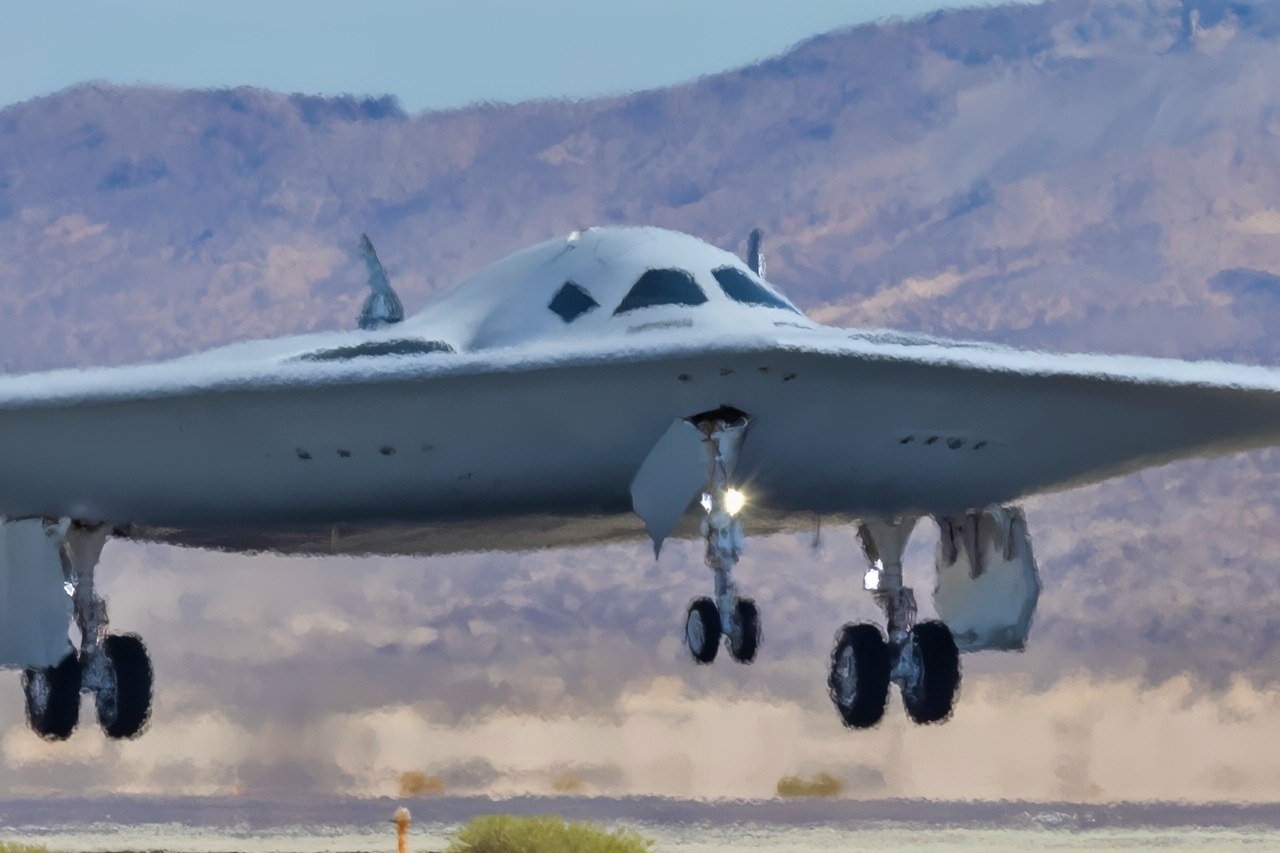
A B-21 Raider test aircraft lands at Edwards Air Force Base, Calif., during ongoing developmental flight testing, Sept. 11, 2025. The B-21 will be the backbone of the bomber fleet; it will incrementally replace the B-1 Lancer and B-2 Spirit bombers. (U.S Air Force photo by Todd Schannuth)
Some would argue the future belongs to cheaper, more numerous unmanned systems rather than exquisite manned bombers, and that pouring money into a 200-aircraft Raider fleet bets too much on a single platform. Those are legitimate concerns about how to balance a finite budget, and they should be argued honestly.
But they do not change what I saw standing next to that B-2 in Ohio. The aircraft in that museum represents a capability the United States has proven it cannot do without and currently cannot field in adequate numbers. Iran showed what even a handful of stealth bombers can accomplish against a defended enemy. China and Russia would demand far more than a handful, sustained far longer, against defenses far tougher. The B-21 is the answer the Air Force has already chosen, and the only real question left is whether the country buys enough of them before it needs them, or learns the cost of building too few the hard way. Every argument I can find points in the same direction.
Build as many B-21 Raiders as America possibly can, and start now.
About the Author: Harry J. Kazianis
Harry J. Kazianis (@Grecianformula) was the Senior Director of National Security Affairs at the Center for the National Interest (CFTNI), a foreign policy think tank founded by Richard Nixon based in Washington, DC. Harry has over a decade of experience in think tanks and national security publishing. His ideas have been published in the NY Times, The Washington Post, The Wall Street Journal, CNN, and many other outlets worldwide. He has held positions at CSIS, the Heritage Foundation, the University of Nottingham, and several other institutions related to national security research and studies. He is the former Executive Editor of the National Interest and the Diplomat. He holds a Master’s degree focusing on international affairs from Harvard University.


