

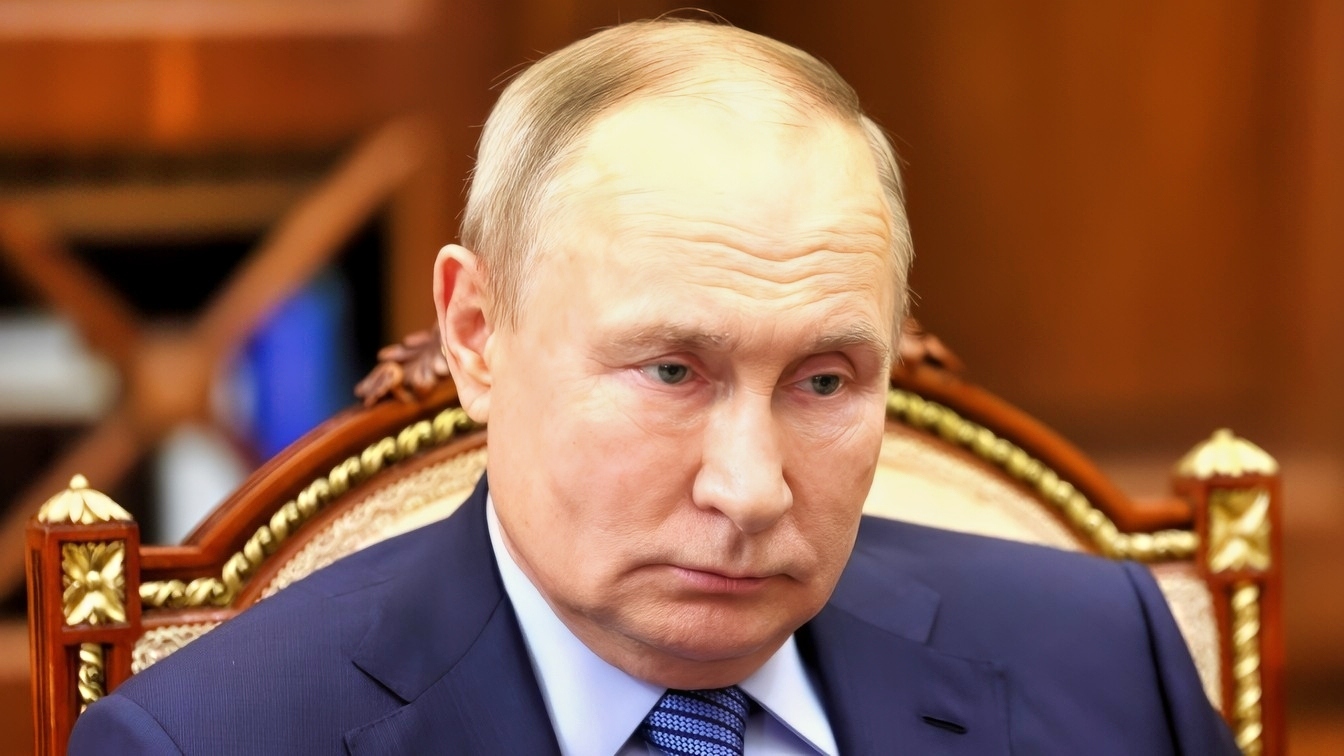
Ukrainian President Zelenskyy says intelligence shared at NATO indicates that China privately urged Russia not to use nuclear weapons in Ukraine.
China’s request was reportedly delivered after Russian nuclear rhetoric spiked in response to Ukraine’s expanding and persistent long-range drone campaign.
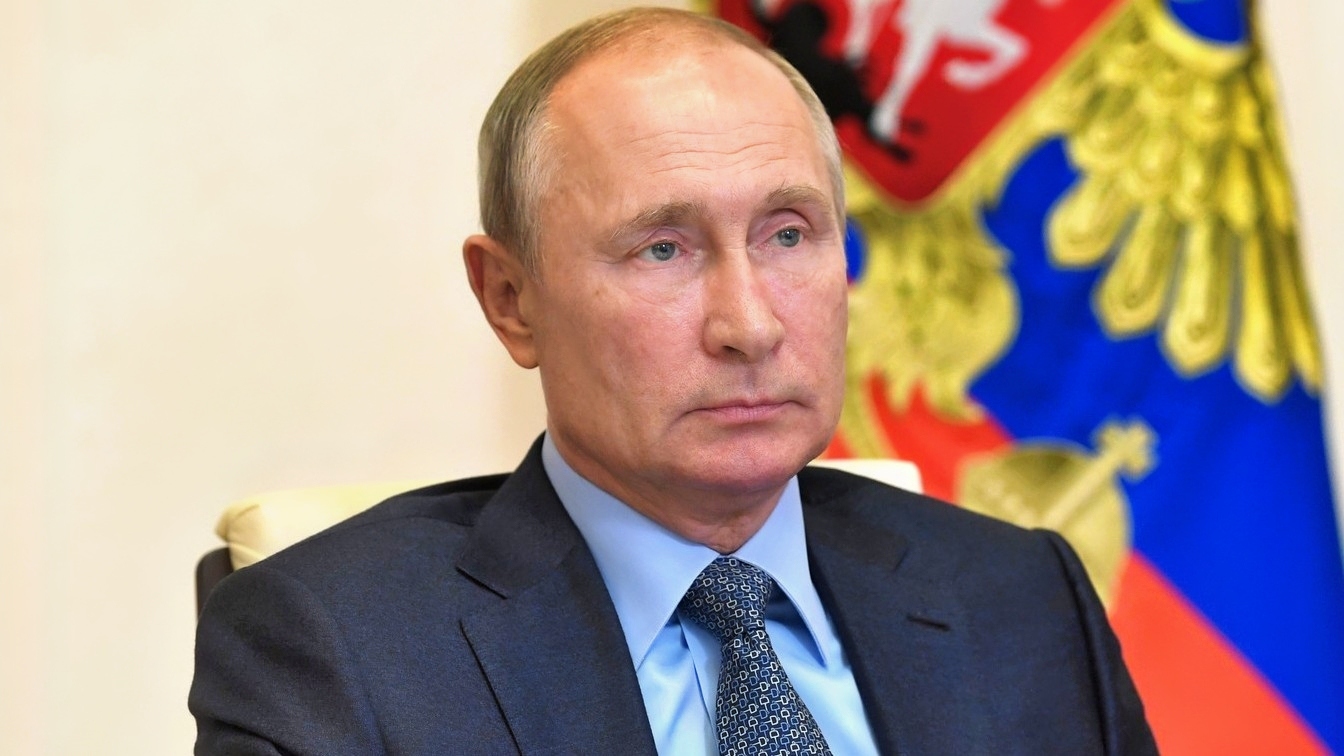
Putin in June 2020 Russian Federation Photo
The news is important; Beijing has generally opposed nuclear use rhetorically, but reports now suggest that the intervention was more direct and forceful than previous statements, suggesting that China may have significant influence over Russia, which may in turn enjoy less strategic freedom than initially imagined.
China’s Traditional Nuclear Position
China has long maintained a “no first use” nuclear policy. Repeatedly, Beijing has stated that nuclear weapons should not be used or threatened in Ukraine. This fits the longstanding Chinese interest in avoiding nuclear escalation.
The difference now, however, is that previous messaging was mostly public and diplomatic, while the latest messaging was private and forceful.
China likely chose to intervene because Russia’s interests differ from China’s. Beijing benefits from prolonged Western attention being divided between Europe and the Indo-Pacific; China wants the West preoccupied in Ukraine for as long as possible.
Beijing also maintains an interest in stable global trade, a functioning global economy, and continued energy imports. A Russian tactical nuclear strike could dramatically escalate NATO involvement, trigger sanctions, destabilize global markets, and create a worldwide diplomatic backlash.
So understandably, China is wary of crossing the nuclear threshold, seeing limited if any upside.
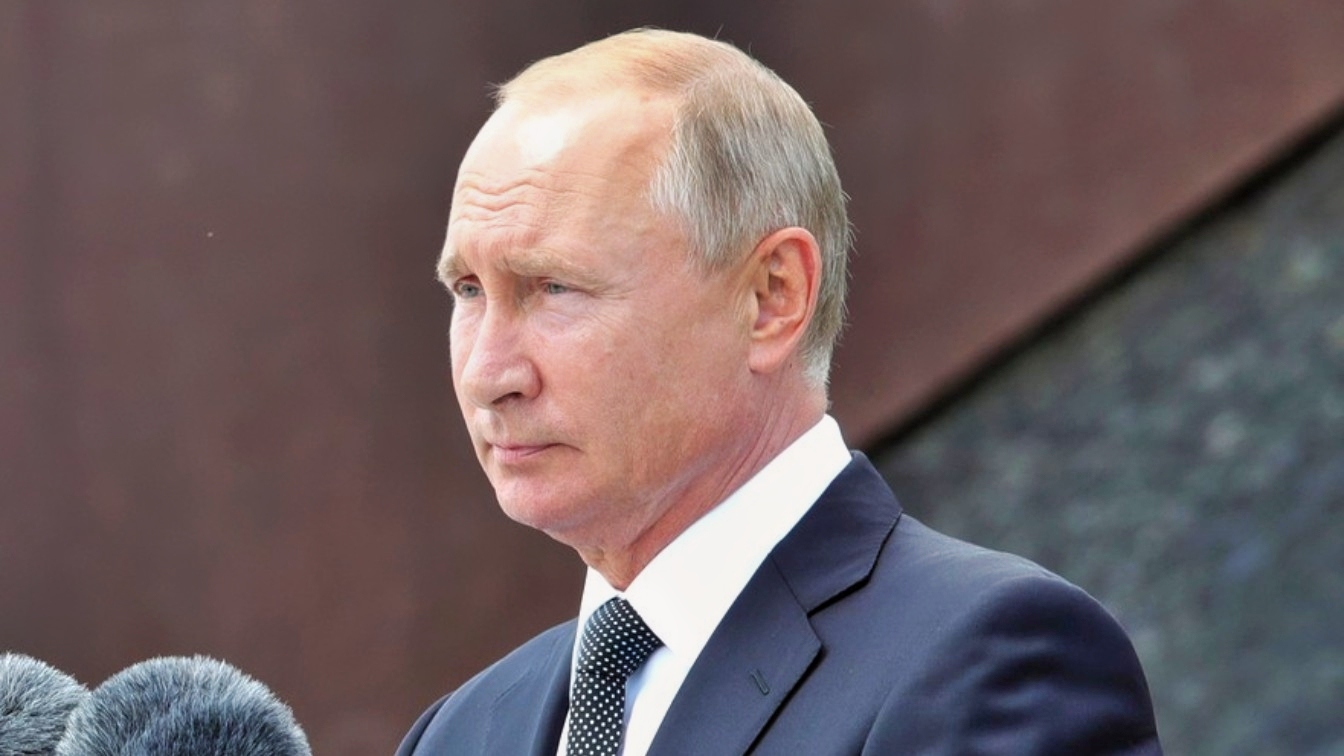
Putin Speaking With Leader of Belarus Russian Federation Photo.
China knows that if nuclear weapons were used, the war would be changed in ways that Beijing cannot easily control.
Russian Dependence on China
The Sino-Russian relationship has changed since 2022. Western sanctions have forced Russia eastward economically, with China becoming Russia’s largest energy customer, a major supplier of dual-use goods, and a critical source of electronics and industrial equipment. Accordingly, the yuan has become increasingly important in bilateral trade. Russia today, arguably, depends on China more than China depends on Russia. That doesn’t mean Beijing can puppet Moscow. But it means that the asymmetric dependence creates leverage for China in a way that did not exist before the Russian invasion of Ukraine. So if China opposed nuclear escalation, Russia would have significant incentives to listen.
Western observers have often described the Sino-Russian relationship as being without limits, but the reality is beginning to appear more nuanced.
Though both countries share a mutual opposition to Western influence, this does not mean that both countries have perfectly consistent strategic interests.
While Russia is focused on winning the Ukraine war, China is instead focused on economic stability, Taiwan, preserving trade relationships, etc. Russia and China are partners, yes, but they are not allies the way that NATO countries are allies.
Strategic Implications
If the report of Chinese intervention proves accurate, then China will in fact be an important actor in managing escalation.
And Moscow may suffer from strategic constraints that were not apparent earlier. This does not mean that the nuclear danger disappears; Putin still controls Russia’s nuclear forces, not Xi.
But having another major power—one which happens to offer an economic lifeline—signaling not to cross a specific line adds another layer of deterrence. This is also shaping up to be a case study in how economic leverage can shape strategic behavior.
The biggest takeaway here, perhaps, is that Beijing has placed limits on Moscow’s behavior. China’s priority appears to be preventing a conventional war from becoming a nuclear war.
If this turns out to be accurate, then the episode illustrates how modern great-power competition increasingly blends military power, economic leverage, diplomacy, and strategic restraint rather than relying solely on military threats.
What will be worth keeping an eye on in the near future is whether any new reporting corroborates the initial report of a private Chinese intervention. Will Beijing continue trying to restrain escalation?
The episode underscores China’s growing role as a stakeholder in European security despite not being directly involved in the fighting itself.
And because Russia is so entangled with China on trade and technology, this likely gives Beijing leverage that conventional diplomacy would not.
Whether Chinese leverage changes the Kremlin’s decision-making remains uncertain. But having China committed to preventing nuclear escalation seems to be a positive development for Western interests.
About the Author: Harrison Kass
Harrison Kass is a writer and attorney focused on national security, technology, and political culture. His work has appeared in Tablet, City Journal, The Hill, The Spectator, and The Cipher Brief. He holds a JD from the University of Oregon and a master’s in Global & Joint Program Studies from NYU. More at harrisonkass.com.


