

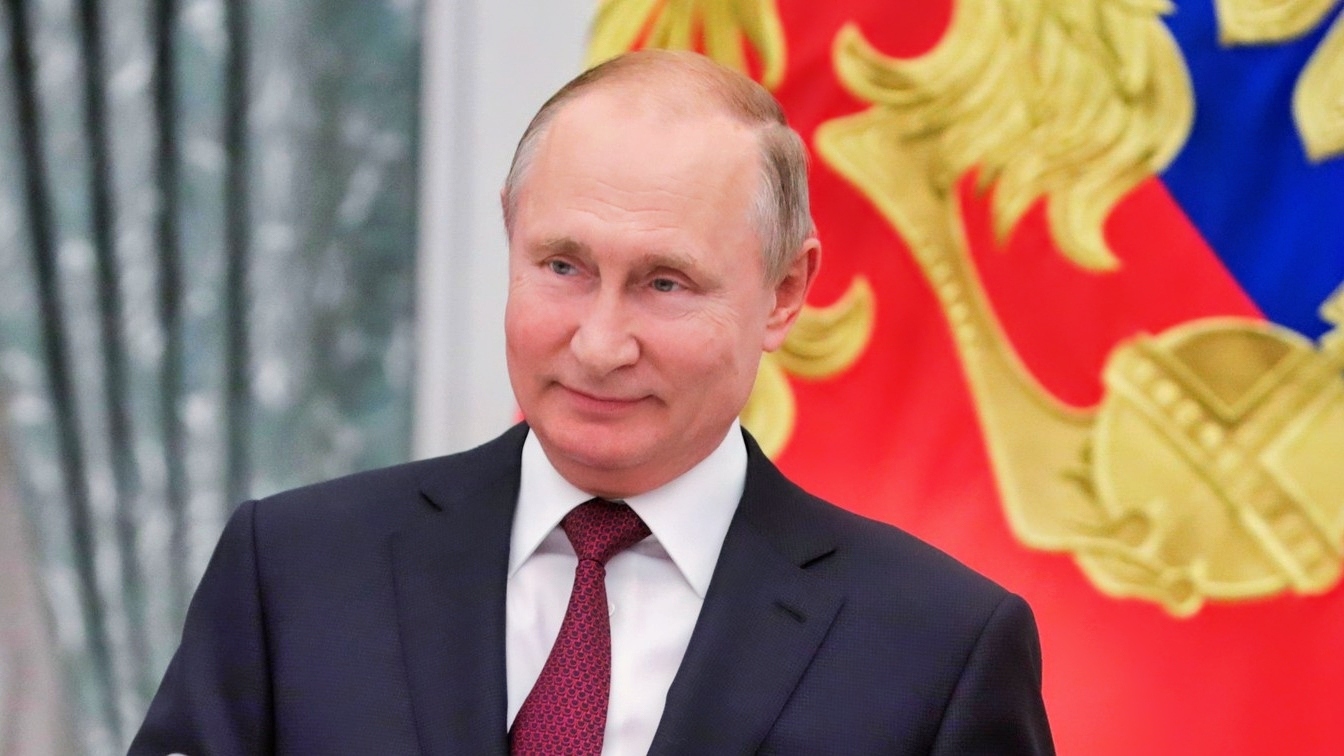
Will Putin Resort to Tactical Nuclear Weapons in Ukraine? The Ukraine War is heating up in ways that we haven’t seen in months. First, the Russians captured one of the key Ukrainian “Fortress Cities” that formed a barrier in the east against further Russian attacks. Not long thereafter, the Ukrainians initiated a sustained campaign of drone attacks directed against energy, transportation, and agricultural production infrastructure in Russia. For his part, US President Donald Trump is encouraging the Ukrainians to continue attacking into Russia with their drones.
Many are wondering what the next Russian President, Vladimir Putin, will do as the Ukrainians continue harassing Russia in their own territory. Fears abound that the Russians might resort to nuclear weapons. Indeed, the Russians have long viewed nuclear weapons–specifically non-strategic nuclear weapons–differently from the Americans and their allies.
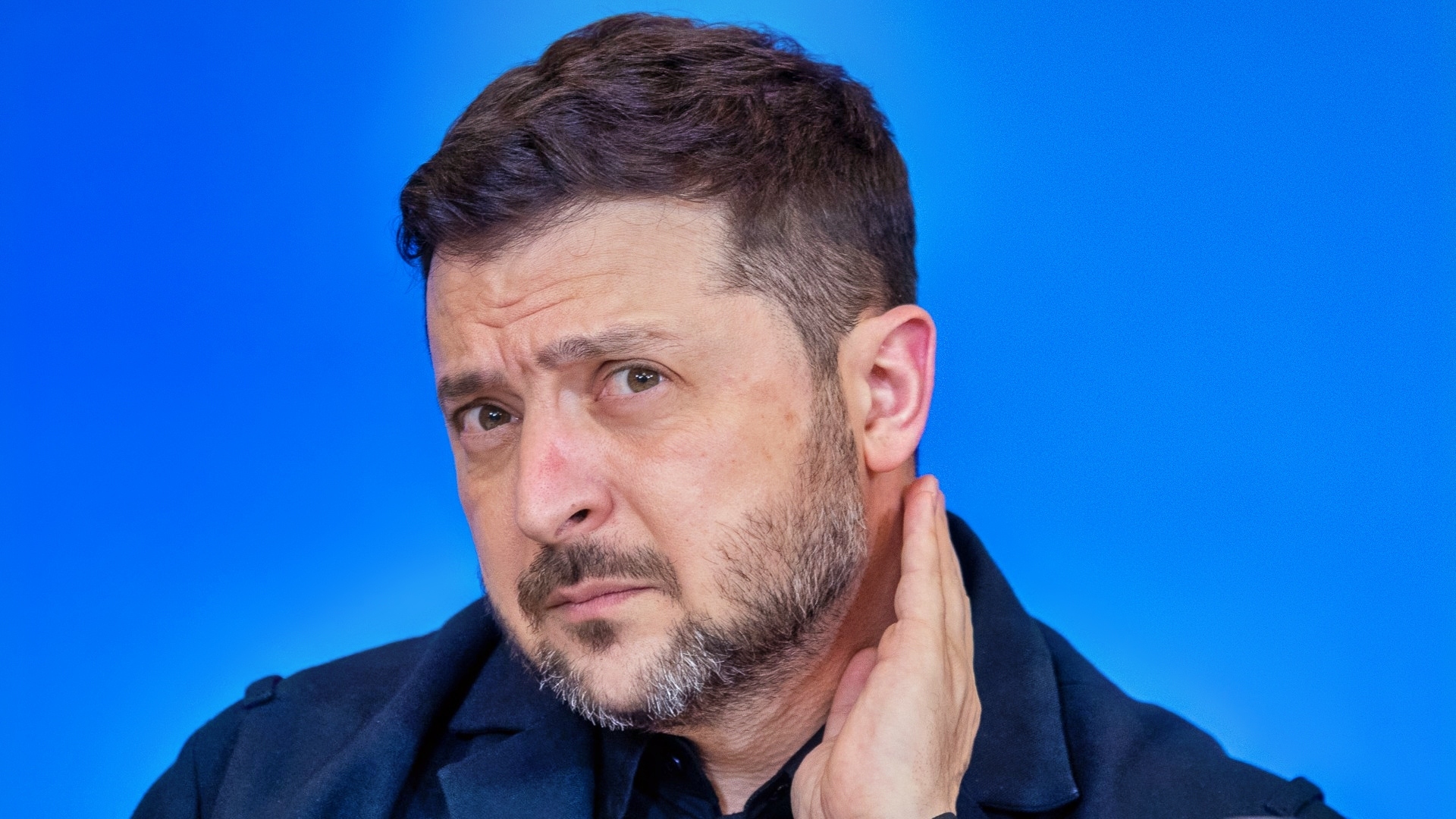
Ukraine President Zelensky 2026 Creative Commons Photo
Understanding Tactical Nuclear Weapons
Non-strategic nuclear weapons, or tactical nuclear weapons, are weapons designed specifically for use on the battlefield. Strategic nuclear weapons are those fired via an intercontinental ballistic missile (ICBM). They’re the city killers. But non-strategic nuclear weapons are used for purely battlefield purposes. Indeed, that is the reason why they are usually excluded from nuclear weapons treaties.
Tactical nukes are generally used for shorter ranges. They typically have lower yields than larger, longer-range strategic nuclear weapons. What’s more, they don’t require traditional missile launchers. Tactical nuclear weapons can be fired by cruise missiles, naval depth charges, gravity bombs, or even artillery.
The fear has long been that the Russians will utilize these weapons if they feel the tactical situation in the Ukraine War requires it. Indeed, various Russian leaders have, at times, threatened to use these weapons. Thus far, none have been used. All manner of other devastating Russian systems–including the Oreshnik hypersonic missile–have been used instead.
Most analysts believe that the Russians possess 1,500 to 2,000 non-strategic nuclear weapons. It is the largest known stockpile of such weapons in the world.

Iskander-M. Image Credit: Creative Commons.
What Russian Nuclear Doctrine Actually Says
But it is important to understand that there are specific parameters governing the use of nuclear weapons in the Russian Armed Forces. The Russians are unlikely to just open with the use of nuclear weapons of any kind. In fact, Russian doctrine specifically outlines the conditions under which they will deploy their nuclear weapons.
At its core, Russian forces will only deploy nuclear weapons if their leadership believes that the territorial integrity or survival of Russia (and Belarus) is at risk.
Once Russia employs its nuclear weapons, though, it will likely first use tactical nuclear weapons to punch holes through the battlefield as part of a larger strategy to punch through entrenched enemy lines (such as those “Fortress Cities”). During the Cold War, NATO feared a Soviet armored blitz through the Fulda Gap in Germany. The belief was that the Soviets would first employ tactical nuclear weapons to soften NATO lines there, allowing for the larger heavy infantry to move through those irradiated holes.
Today, similar fears abound not only in Ukraine but in the Suwalki Gap near Poland.
Why Putin Has Refrained So Far
Yet, even though Ukraine (with the backing of NATO) is attacking soft targets in Russia, disrupting civilian life and the economy there, few indicators are present showing that either Putin or his top commanders are going to deploy nuclear weapons in the war. Indeed, one report from the NATO conference last week indicates that, earlier in the war, when Putin’s government considered employing nuclear weapons against Ukraine, Beijing intervened and forcefully dissuaded Moscow.
One source I spoke with about this issue insists that Putin was never serious about using those weapons. He merely let the Chinese (and the world) think that he would, knowing that Beijing would intervene, allowing Putin the ability to tell the hardliners in his government that their hands were basically tied by the Chinese.
So, Putin could continue prosecuting the “Special Military Operation” as he wanted.
What Would Happen if Russia Crossed the Nuclear Threshold?
Anyway, if the Russians opted to employ their tactical nuclear weapons, if only to punch through Ukraine’s defensive line in the east, given the numerical advantage in troops and armor that the Russians possess there, it is likely that the Russians would have little difficulty in getting their forces all the way to Odesa before being rebuffed.
But the Russians are also trying to keep the risk of uncontrolled escalation down. They know using nuclear weapons–even tactical systems designed to merely punch through fortified lines as part of a larger conventional operation–could rapidly move the war into a nuclear world war that no one will win. Moscow is intent on winning its war with Ukraine.
Thus, Putin will likely avoid deploying nuclear weapons, assured that he not only possessed the world’s largest tactical nuclear weapons arsenal but also that his conventional advantage over Ukraine remained great.
Still, the world is closer to the use of nuclear weapons than at any other time before. That is why de-escalation in the war in Ukraine is so important. The risk of unintended consequences is very high right now.
About the Author: Brandon J. Weichert
Brandon J. Weichert is Senior National Security Editor. He also manages The Weichert Brief on Substack. Weichert also hosts “National Security Talk” on Rumble. He is the author of four bestselling national security books, the most recent of which is A Disaster of Our Own Making: How the West Lost Ukraine (Encounter Books). Follow him via Twitter/X @WeTheBrandon.


