


Key Points and Summary – On October 2, 2021, USS Connecticut, one of just three ultra-secretive Seawolf-class attack submarines, smashed into an uncharted seamount in the South China Sea.
-A Navy investigation called the mishap “preventable,” citing poor navigation, weak risk management, and a bad command climate.
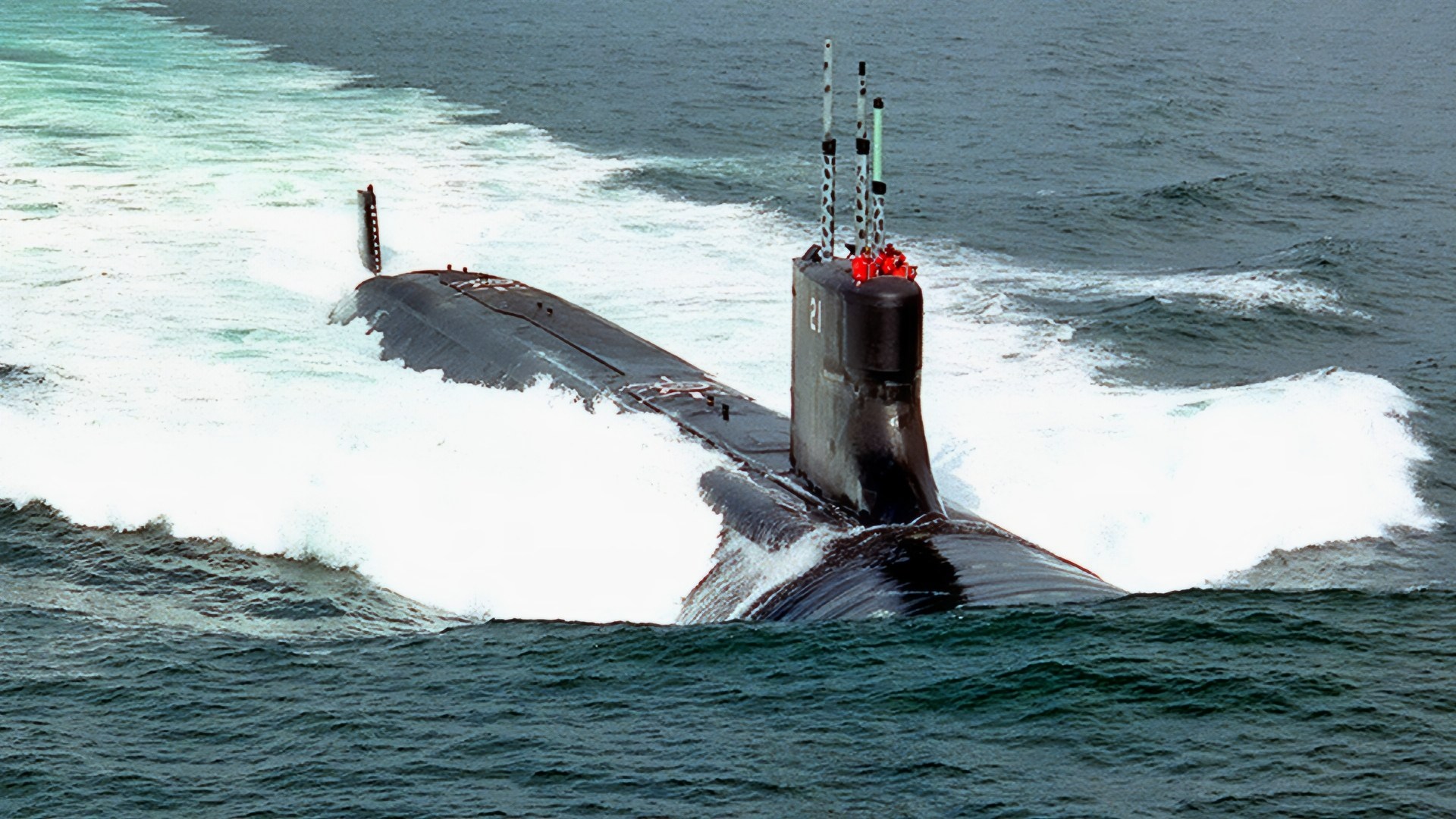
Seawolf-Class Submarine. Image Credit: Creative Commons.
-Now in an extended overhaul at Puget Sound, Connecticut won’t return to service until late 2026, with repair costs likely running into the hundreds of millions on a sub already worth roughly $10 billion in today’s dollars.
-Even so, the Navy is using the downtime to upgrade a boat it still sees as vital to Indo-Pacific undersea strategy.
The USS Connecticut Has a Hard Message for America’s Submarine Force
On October 2, 2021, the USS Connecticut crashed into an underwater seamount in the South China Sea. And the attack submarine has been out of action ever since, now more than four years later.
According to a command investigation, released in May of 2022 and reported on by USNI News, the attack sub “grounded on an uncharted bathymetric feature while operating submerged in a poorly surveyed area in international waters.”
No one was killed, but 11 crew members were injured.
“This mishap was preventable. It resulted from an accumulation of errors and omissions in navigation planning, watch team execution, and risk management that fell far below US Navy standards,” the investigation concluded. “Prudent decision-making and adherence to required procedures in any of these three areas could have prevented the grounding.”
The investigation also concluded that the Connecticut would be “unavailable for operations for an extended period of time due to damage sustained during the grounding.”
“Poor Seamanship”
A separate USNI story went into more detail, and it found that “a pattern of uneven oversight and a poor command climate from former Connecticut commanding officer Cmdr. Cameron Aljilani set the conditions for the boat’s performance on the day it grounded on the seamount in the South China Sea.”
The report also found that the commander of Submarine Development Squadron Five, Capt. Lincoln Reifsteck had written the commander a “letter of performance,” and that the Connecticut had hit a pier in Point Loma, Calif., in April of that year, and that an investigating officer had recommended “disciplinary action for dereliction of duty” for the commander and others.
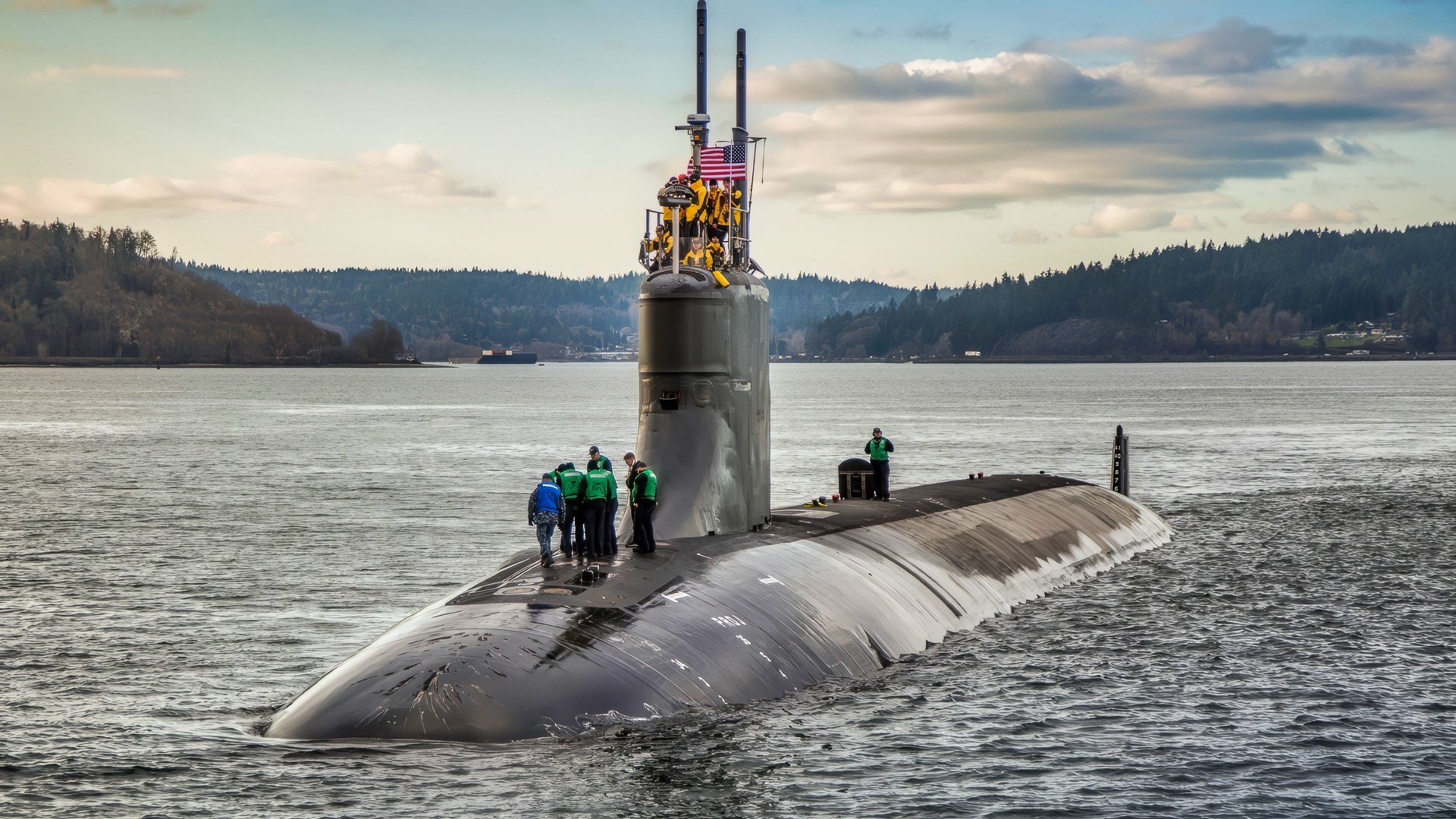
(Dec. 15, 2016) – The Seawolf-class fast-attack submarine USS Connecticut (SSN 22) departs Puget Sound Naval Shipyard for sea trials following a maintenance availability. (U.S. Navy photo by Thiep Van Nguyen II/released)
However, Reifsteck overrode that recommendation, “while this investigation revealed degraded standards in navigation, planning, poor seamanship, and ineffective command and control, it represented an anomalous performance and not systematic failure.”
After the crash, however, Aljilani, Executive Officer Lt. Cmdr. Patrick Cashin, and Chief of the Boat Master Chief Sonar Technician Cory Rodgers were all relieved of duty in November of 2021.
Now, we have a projected return date for the USS Connecticut.
Back in 2026
The War Zone reported in July of this year that USS Connecticut will return to service next year.
There had been indications that it would be back in 2025, especially around the time the repairs began in early 2023. But the return to service for the USS Connecticut will wait until 2026.
The repairs are ongoing at Puget Sound Naval Shipyard, where, in 2023, images had surfaced of the submarine.
The Navy confirmed the submarine’s status to TWZ in that July story.
“USS Connecticut (SSN 22) is in Dry Dock at Puget Sound Naval Shipyard & Intermediate Maintenance Facility (PSNS & IMF) in Bremerton, Washington, undergoing an Extended Docking Selected Restricted Availability (EDSRA), which is a major maintenance availability that all submarines undergo during their maintenance life cycle.”
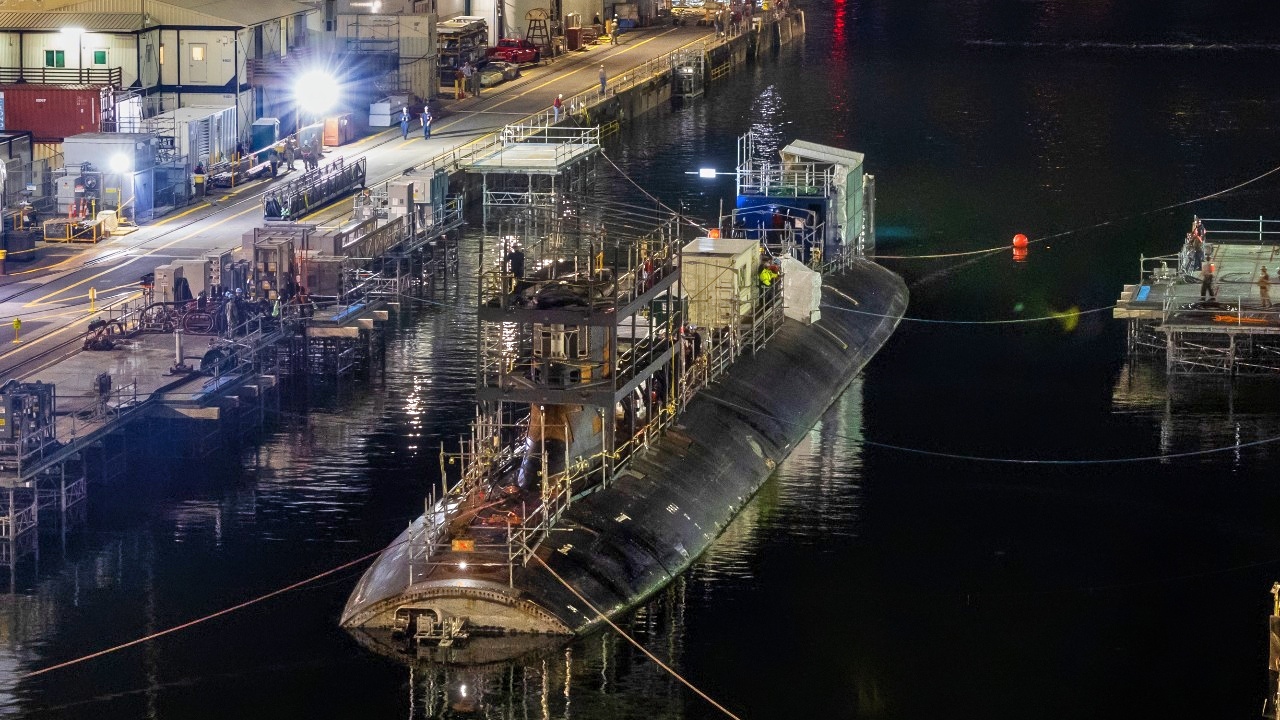
USS Connecticut (SSN 22) is docked for its Extended Docking Selected Restricted Availability July 12, 2023 at Puget Sound Naval Shipyard; Intermediate Maintenance Facility.
“The damage USS Connecticut sustained in October 2021 is also being repaired during this EDSRA. Connecticut is expected to return to service in late 2026. PSNS & IMF and Naval Sea Systems Command are continuing to prioritize investments in materiel, infrastructure, and personnel to meet the needs of the fleet.”
How much will the repairs cost? That’s not clear. Per TWZ’s report, “Congress approved an initial trench of $40 million for ’emergency repairs’ and an additional $10 million for a new bow dome in 2021.” However, that’s not believed to include the total cost.
TWZ had reported in 2023, around when the repairs started, that fixing such submarines is a challenge, because the Seawolf class is “long out of production, and parts can be hard to come by.
An Expensive Navy Sub
TWZ also shared some background on how the submarine was built.
“The small size of the Seawolf class fleet is a byproduct of post-Cold War U.S. defense spending drawdowns. The truncated purchase plan made each one extremely expensive – approximately $3.1 billion apiece in 1983, or just over $10 billion in 2025 dollars – and they remain the most costly attack submarines ever built. Given the advanced capabilities the boats offer, the Navy utilizes them for a variety of specialized tasks, for which they are in very high demand.”
TWZ also noted that the Navy, in its budget request this year, asked for funding for a spare Seawolf bow dome, to “hedge against an incident like this happening again in the future.”
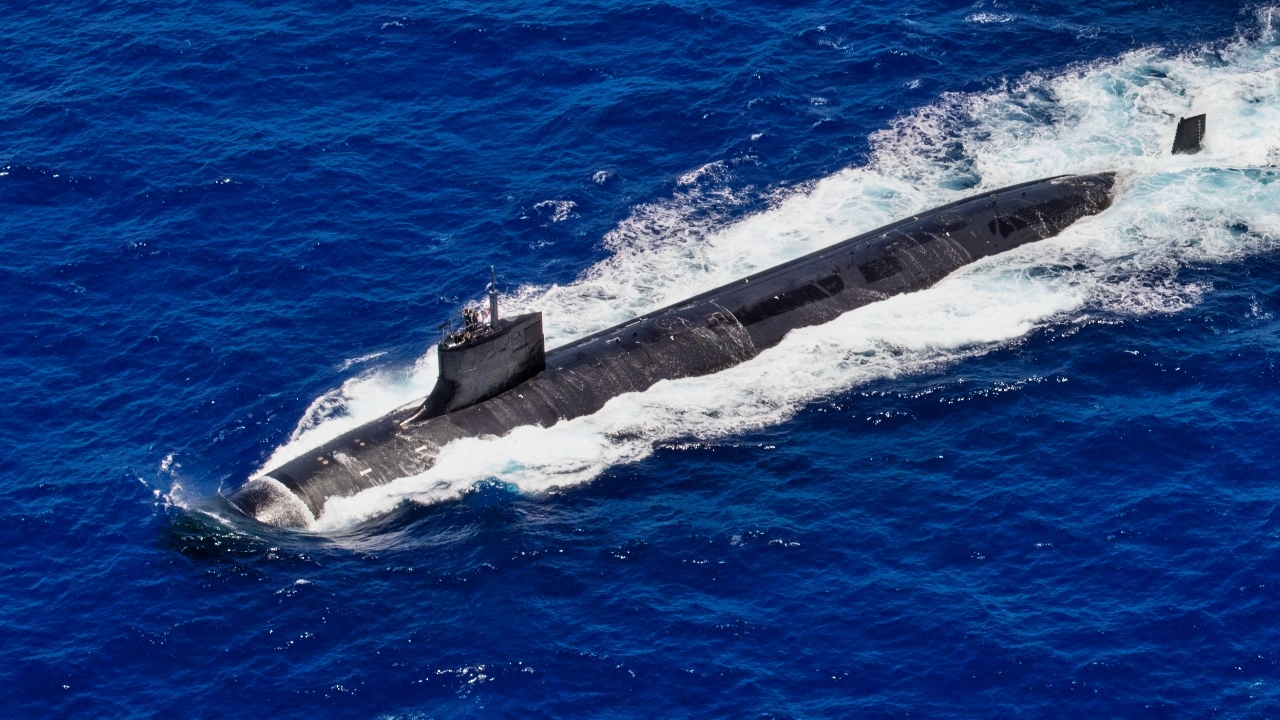
(June 22, 2021) Seawolf-class fast attack submarine USS Seawolf (SSN 21) transits the Pacific Ocean, June 22, 2021. Seawolf is currently underway conducting routine maritime operations in U.S. 3rd Fleet. (U.S. Navy photo by Mass Communication Specialist 3rd Class Olympia O. McCoy)
“The Seawolf Class submarines’ sustainment strategy did not include the provisioning of replacement bow domes; therefore, no replacement bow domes for these in-service submarines are within the Navy’s inventory,” the budget documents said. “This program would procure one Seawolf-class bow dome for use in the event replacement is required. Funds in FY25 are to purchase a bow dome, which has a three-plus-year lead time.”
The Navy’s 2026 Fiscal Year budget, meanwhile, “puts additional emphasis on getting Connecticut finished before the end of next year.”
Meet the Seawolf-Class
Only three Seawolf-class submarines were built: The Seawolf, the Connecticut, and the Jimmy Carter.
“Despite the mishap, the Navy is using the repair window as an opportunity to enhance Connecticut’s lethality. As one of the most advanced and stealth-capable submarines in the fleet, the vessel is seen as critical to future U.S. naval strategy in the Indo-Pacific. Its capabilities include speeds exceeding 35 knots, under-ice operations, and the ability to carry up to 50 weapons. That includes weapons like Mk 48 torpedoes, Tomahawk cruise missiles, and Harpoon anti-ship missiles.
“Despite the mishap, the Navy is using the repair window as an opportunity to enhance Connecticut’s lethality,” Straight Arrow News reported this summer of the process.
“As one of the most advanced and stealth-capable submarines in the fleet, the vessel is seen as critical to future U.S. naval strategy in the Indo-Pacific. Its capabilities include speeds exceeding 35 knots, under-ice operations, and the ability to carry up to 50 weapons. That includes weapons like Mk 48 torpedoes, Tomahawk cruise missiles, and Harpoon anti-ship missiles.”
About the Author: Stephen Silver
Stephen Silver is an award-winning journalist, essayist, and film critic, and contributor to the Philadelphia Inquirer, the Jewish Telegraphic Agency, Broad Street Review, and Splice Today. The co-founder of the Philadelphia Film Critics Circle, Stephen lives in suburban Philadelphia with his wife and two sons. For over a decade, Stephen has authored thousands of articles that focus on politics, national security, technology, and the economy. Follow him on X (formerly Twitter) at @StephenSilver, and subscribe to his Substack newsletter.


Darkwing
December 5, 2025 at 10:20 am
Why does the US military need 30 subs???????