

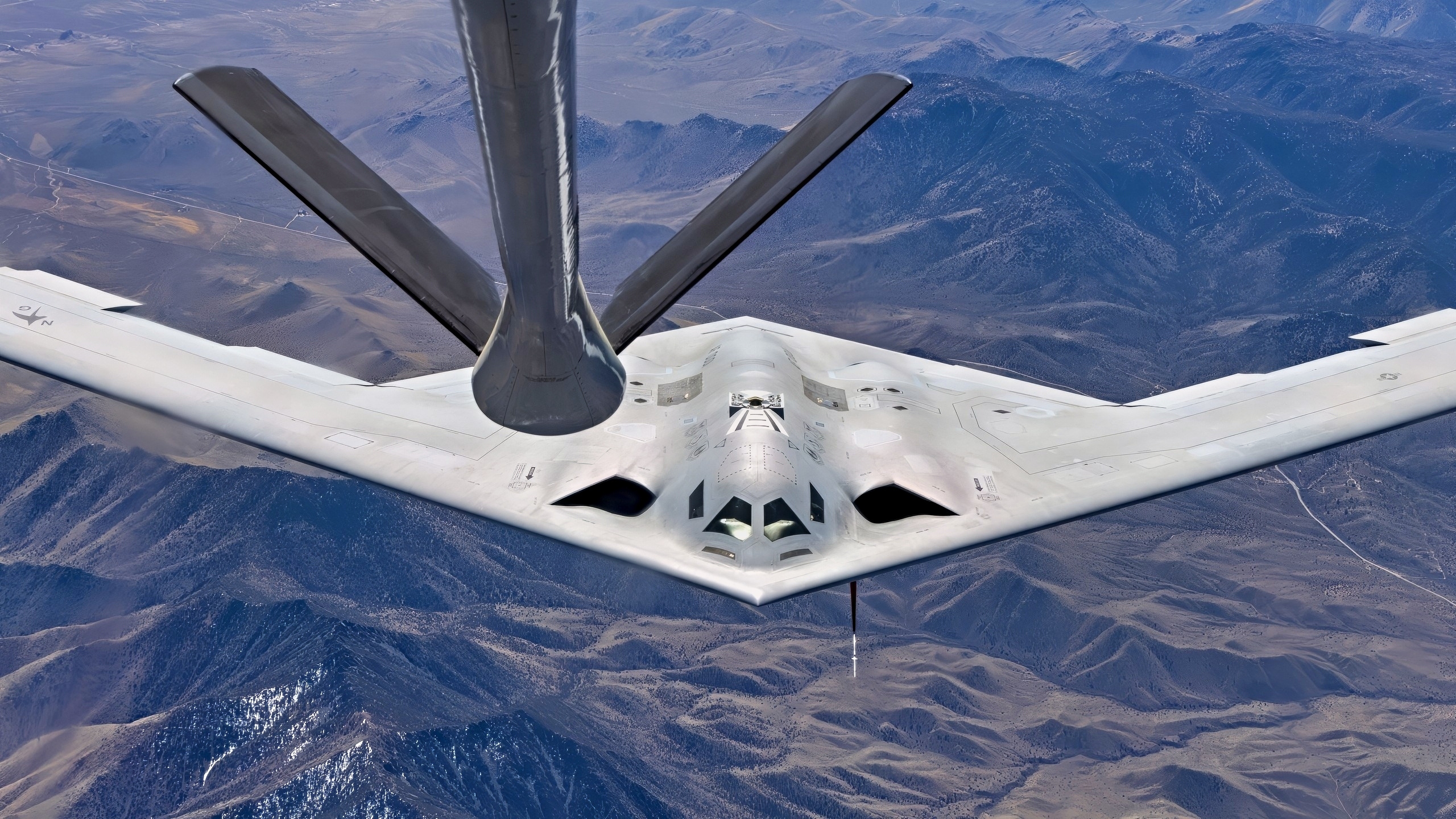
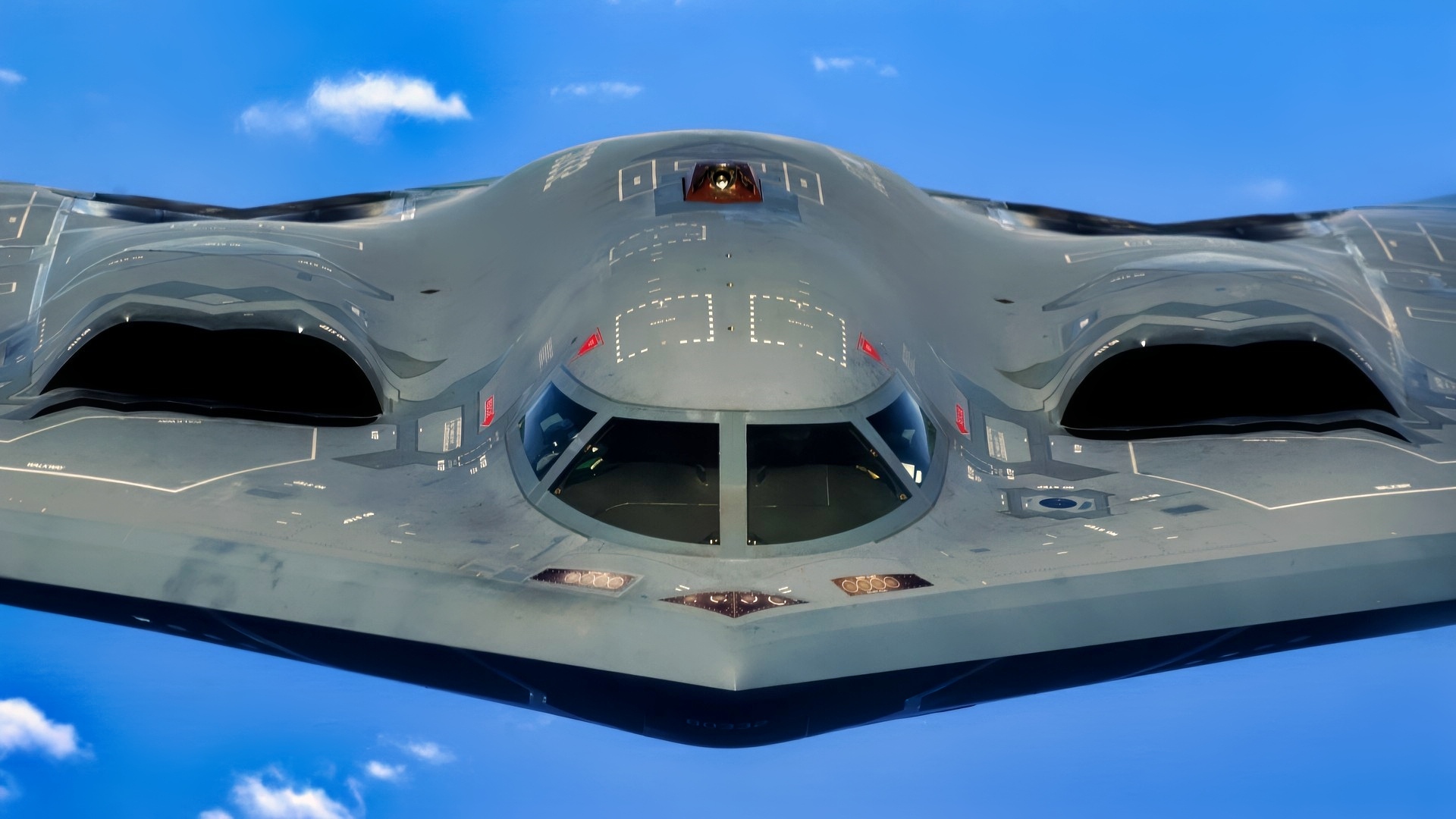
Northrop Grumman’s B-21 Raider is the U.S. Air Force’s sixth-generation stealth bomber, intended to replace the B-2 Spirit and operate alongside the B-52H. Recent photos taken during aerial refueling show a 132-to-150-foot flying-wing aircraft roughly half the empty weight of the B-2, powered by two engines instead of four, with deeply recessed inlets and chevron-shaped low-observable exhausts mounted far forward of the trailing edge. Its radar cross-section has been compared to a mosquito, smaller than the bumblebee-sized signature of the B-2 and F-22. The first B-21 is scheduled to arrive at Ellsworth Air Force Base in 2027.
What Do The Recent B-21 Raider Photos Tell Us?
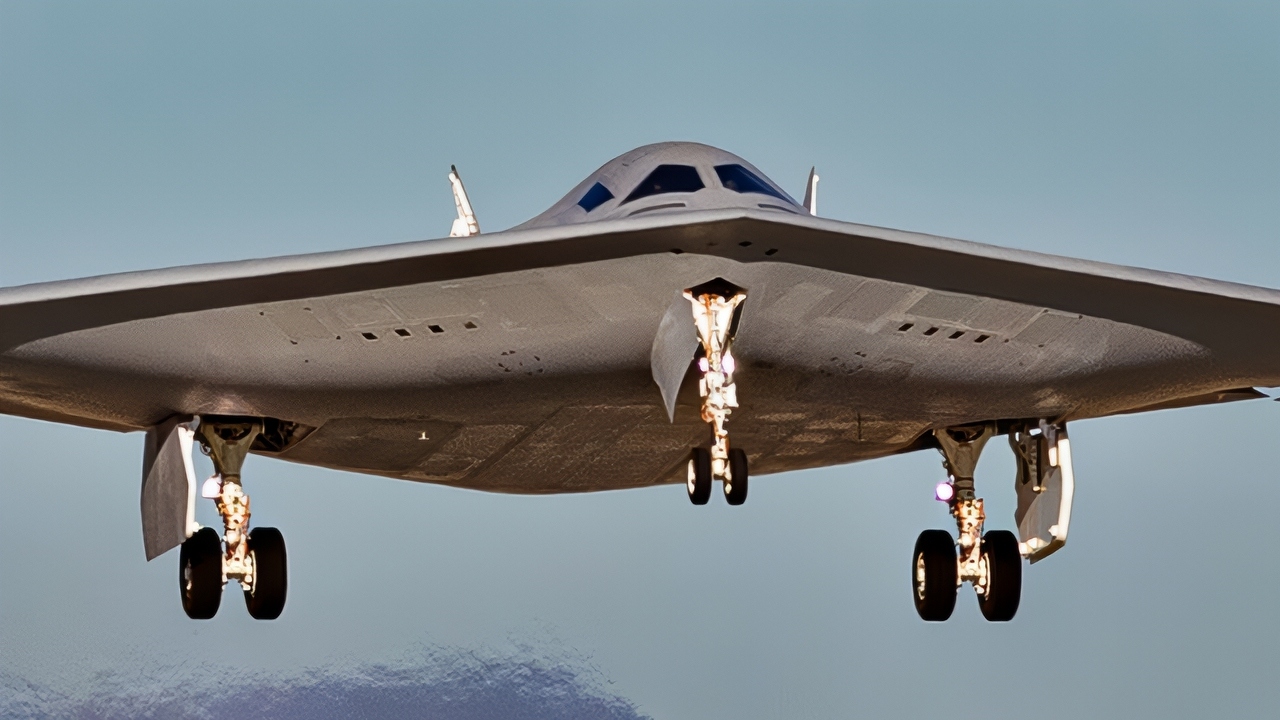
A second B-21 Raider test aircraft takes off, Sept. 11, from Palmdale, Calif., to join the Air Force’s flight test campaign at Edwards Air Force Base, Calif. The addition of the second test aircraft expands mission systems and weapons integration testing, advancing the program toward operational readiness. (Courtesy photo)
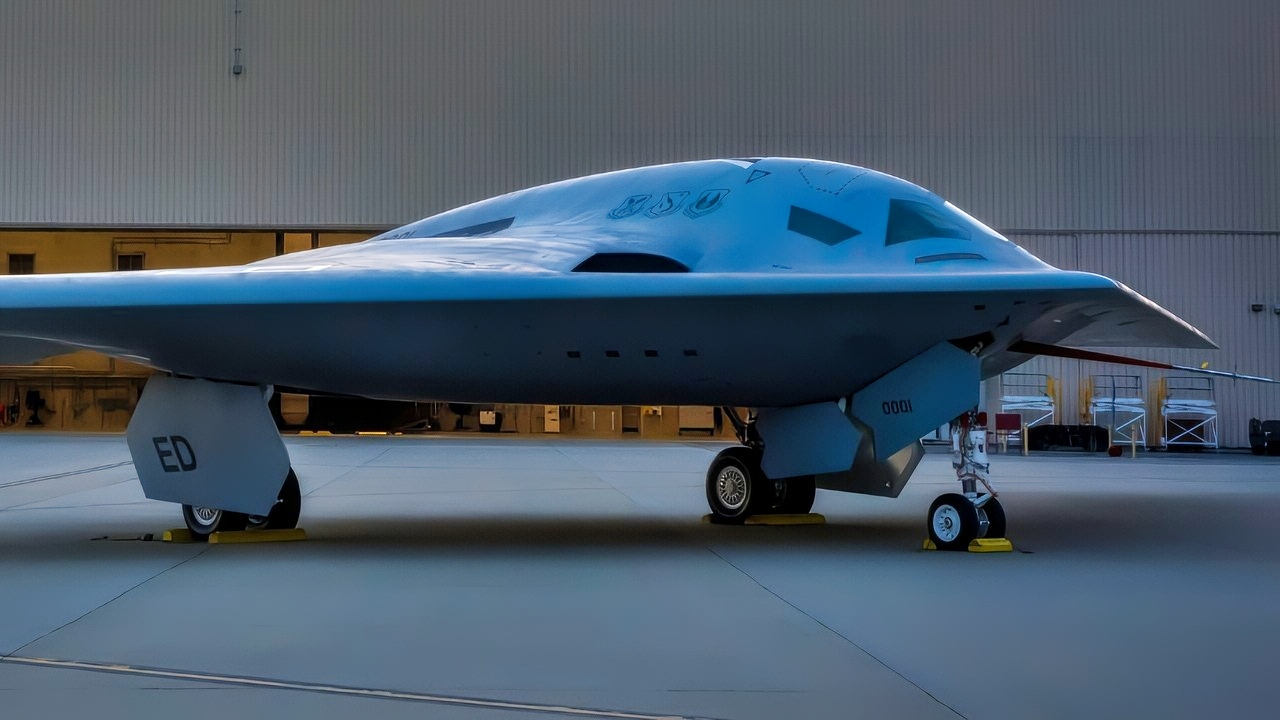
The B-21 Raider is designed with an open systems architecture, enabling rapid insertion of mature technologies and allowing the aircraft to be effective as threats evolve. The bomber was designed up front for supportability and maintainability-based upon decades of lessons learned and best practices from prior aircraft programs-to improve long-term affordability and outcomes in operations and sustainment. The B-21 first flight is anticipated to take place in calendar year 2023. (U.S. Air Force photo)
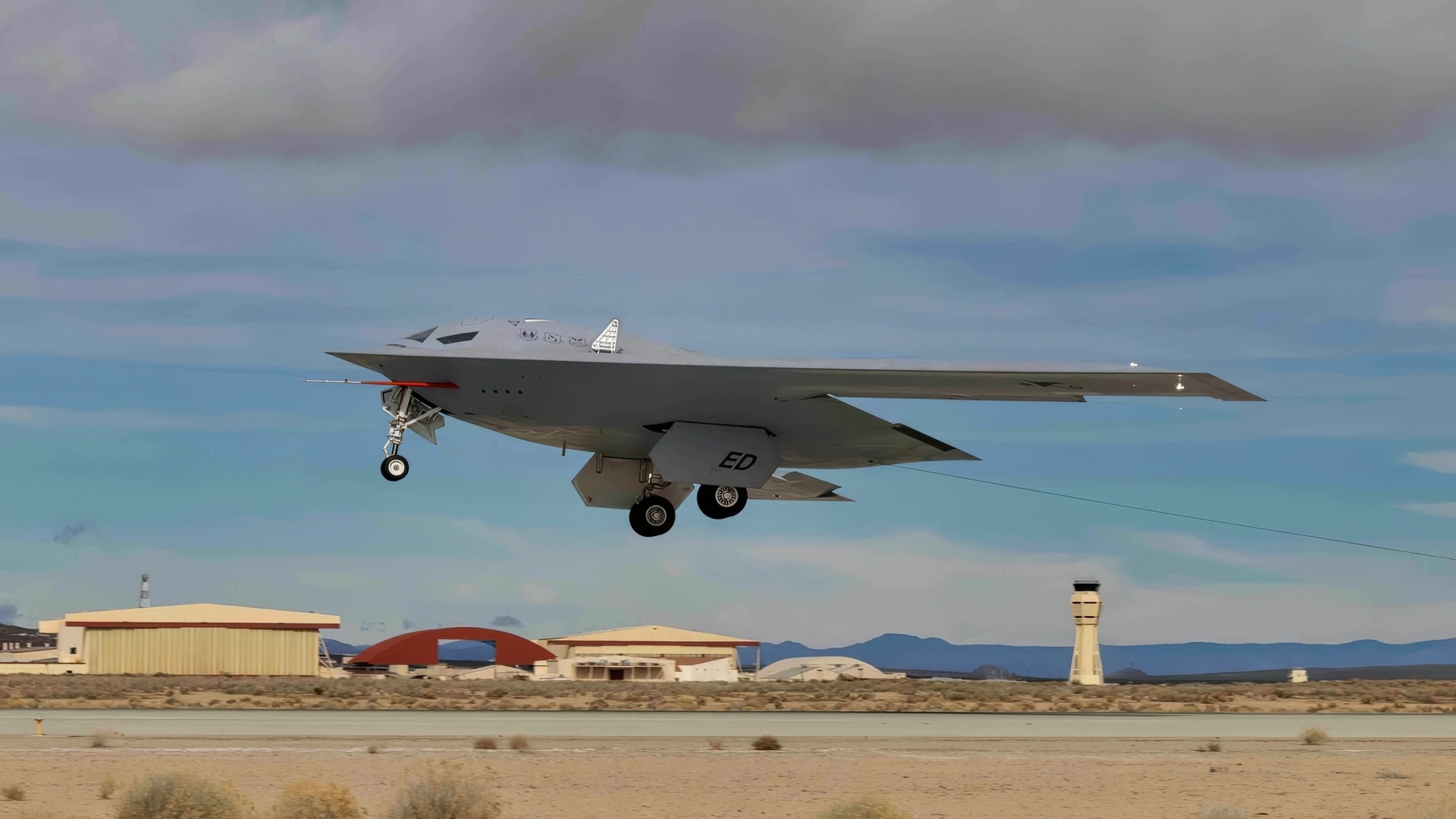
A B-21 Raider conducts flight tests, which includes ground testing, taxiing, and flying operations, at Edwards Air Force Base, California, where it continues to make progress toward becoming the backbone of the U.S. Air Force bomber fleet. The B-21 will possess the range, access, and payload to penetrate the most highly-contested threat environments and hold any target around the globe at risk. The B-21 program is on track to deliver aircraft in the mid-2020s to Ellsworth Air Force Base, South Dakota, which will be the first B-21 main operating base and location for the B-21 formal training unit. (Courtesy photo)
The Northrop Grumman B-21 Raider, a sixth-generation stealth bomber, will be one of the stealthiest aircraft in U.S. history.
Although it outwardly resembles the B-2 Spirit, it is a smaller aircraft with a wingspan estimated at 132-150 feet. compared with the B-2’s 172 ft., and is approximately half the empty weight.
Developed under the Long Range Strike Bomber (LRS-B) program, it is intended to replace the B-2 Spirit, and eventually join with the B-52H as part of a modern, long-range bomber force.
Recent Photos During Aerial Refueling Are Quite Revealing:
Recent B-21 Raider photos, released this week during an aerial refueling operation, confirm that it is a compact, highly advanced flying-wing aircraft with deeply blended engine intakes, small cockpit windows for enhanced stealth, and a unique two-piece clamshell dorsal refueling door.
The imagery indicates a mature, operational-ready design that focuses on reducing infrared signatures through hidden exhausts.
It appears the aircraft is close to entering operational service.
“Our teams are moving the B-21 Raider through testing at an unprecedented pace, continually proving its outstanding performance – including aerial refueling,” said Tom Jones, corporate vice president and president, Northrop Grumman Aeronautics Systems.
“We’ve designed and built a reliable, adaptable aircraft that is vital to our warfighters’ missions, while operating with a sense of wartime urgency to accelerate production and deliver this capability.”
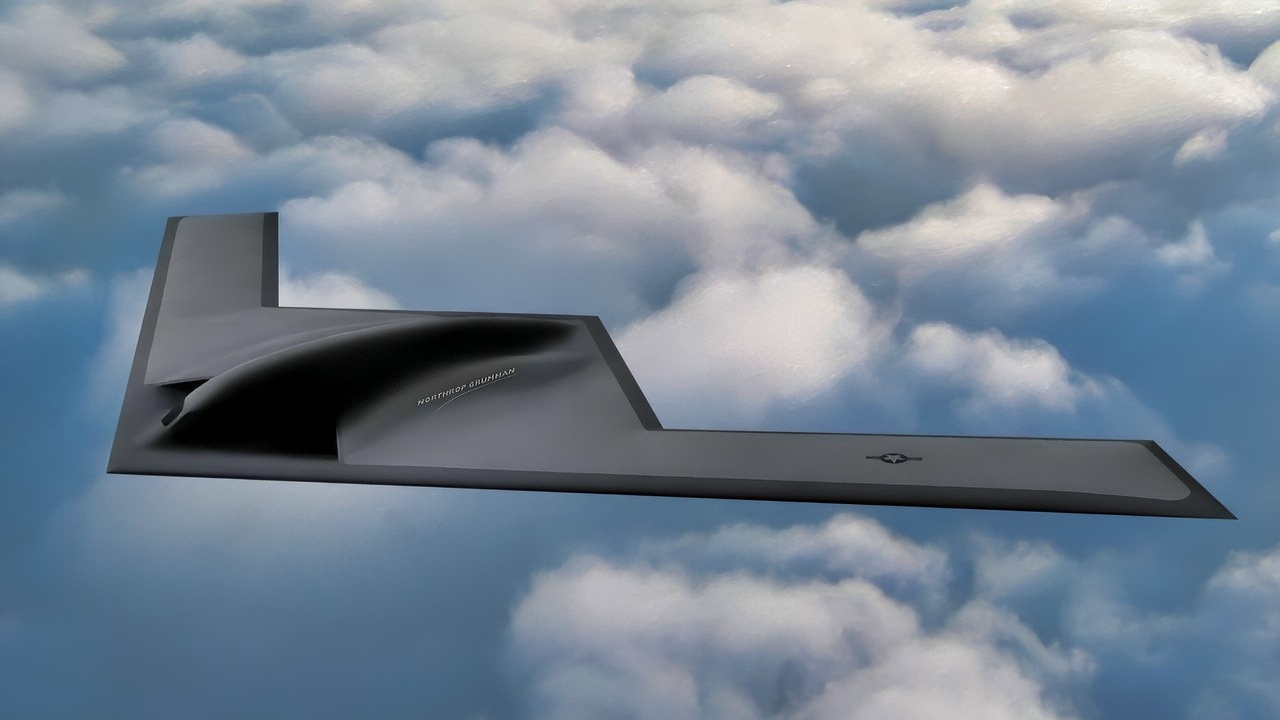
B-21 Raider Bomber Photo. Image Credit: Northrop Grumman.
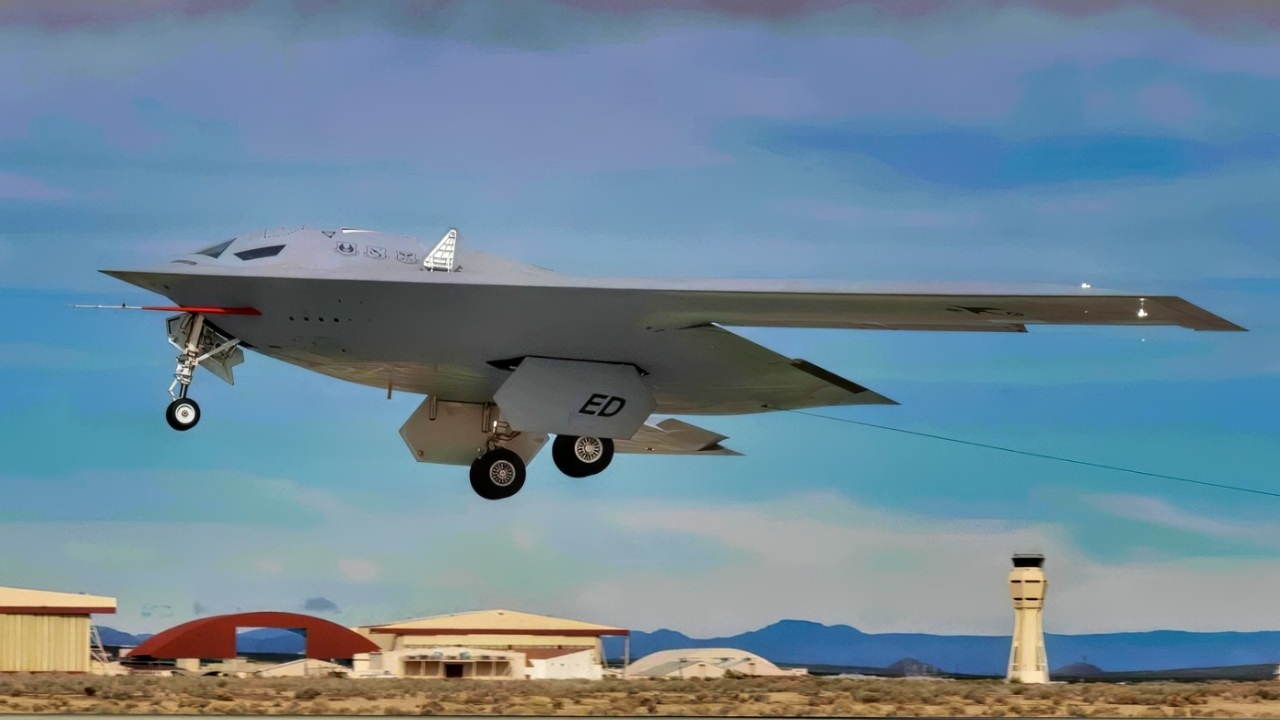
A B-21 Raider conducts flight tests, which includes ground testing, taxiing, and flying operations, at Edwards Air Force Base, California, where it continues to make progress toward becoming the backbone of the U.S. Air Force bomber fleet. The B-21 will possess the range, access, and payload to penetrate the most highly-contested threat environments and hold any target around the globe at risk. The B-21 program is on track to deliver aircraft in the mid-2020s to Ellsworth Air Force Base, South Dakota, which will be the first B-21 main operating base and location for the B-21 formal training unit. (Courtesy photo)
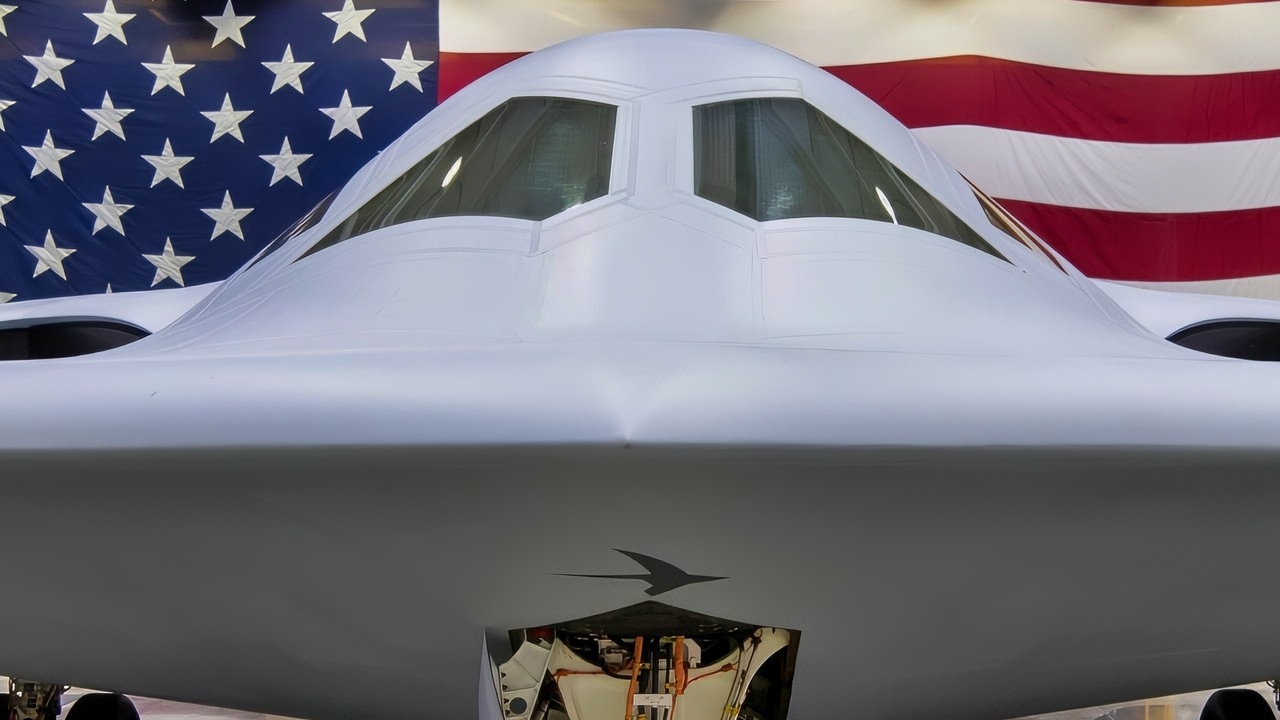
The B-21 Raider was unveiled to the public at a ceremony on December 2, 2022, in Palmdale, Calif. Designed to operate in tomorrow’s high-end threat environment, the B-21 will play a critical role in ensuring America’s enduring airpower capability. (U.S. Air Force photo)
“Most Fuel-Efficient Bomber Ever Built”:
“As the most fuel-efficient bomber ever built, the B-21 consumes a fraction of the fuel used by fourth- and fifth-generation aircraft. This reduces demand for theatre tanker logistics and provides operational commanders with greater flexibility in force packaging,” Northrop Grumman said in its press release.
“With more than $5 billion invested in digital technologies and manufacturing infrastructure for the B-21 program, Northrop Grumman is accelerating its production, with the first aircraft planned to arrive at Ellsworth Air Force Base in 2027.“
With two engines rather than four, a smaller payload, and more fuel, the aircraft was designed to have a longer range with less reliance on aerial refueling.
“This capability ensures we can deliver penetrating long-range strike anywhere in the world, at any time,” Air Force Global Strike Command boss Gen. S.L. Davis said in an announcement. “For our bomber crews and the combatant commanders they support, this is about endurance and mission readiness.”
Engine Inlets And Exhausts Are Seen Clearly:
The overhead photo was particularly significant because it exposed parts of the aircraft that are typically among the most closely guarded in stealth design: the engine inlets and exhaust configuration.
The inlets are deeply recessed, and the exhausts are much more rounded than the B-2.
The B-21 has deeply blended air intakes and, as TWZ noted, is the “deeply-sunk chevron-shaped (inverse direction compared to B-2) low-observable exhausts placed very far forward of the aircraft’s trailing edge to help mask its infrared signature. But what’s missing is any kind of special material that would attenuate the heat generated from the hot gases and protect the airframe from it.”
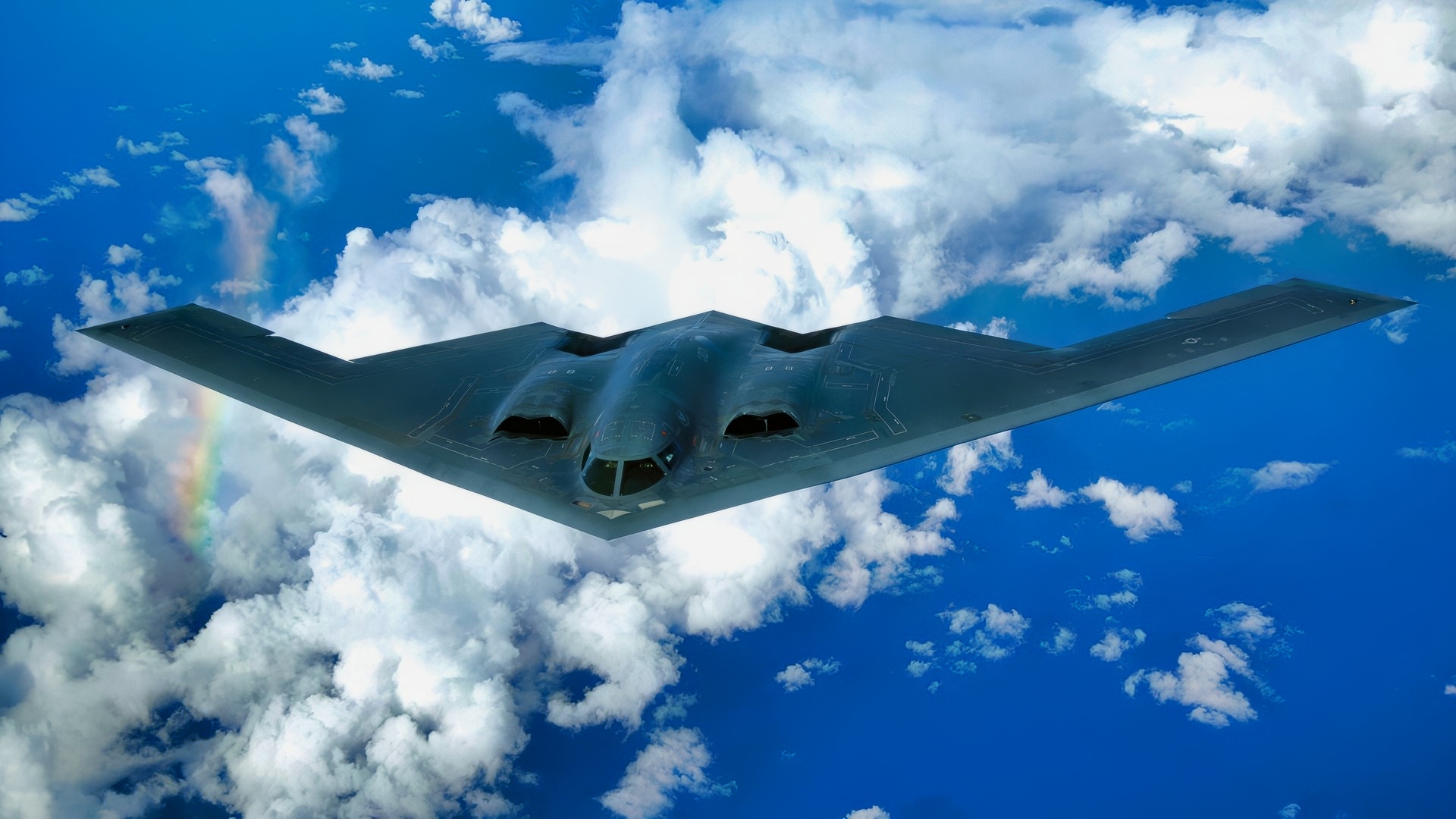
A B-2 Spirit soars after a refueling mission over the Pacific Ocean on Tuesday, May 30, 2006. The B-2, from the 509th Bomb Wing at Whiteman Air Force Base, Mo., is part of a continuous bomber presence in the Asia-Pacific region. (U.S. Air Force photo/Staff Sgt. Bennie J. Davis III)
B-2A Spirit Stealth Bomber USAF Image.
That itself raises the question of how thermal management, i.e., heat dissipation, is achieved. TWZ theorized that the image could have been altered to protect that technology.
The cockpit windows are also much smaller than the B-2’s, which is a tradeoff between the pilot’s visibility during aerial refueling operations and minimizing its radar cross section.
The “Skunk Works” Said The Smaller Size Was Part of the Plan:
The B-21’s smaller size is a deliberate design choice, said Lockheed Martin’s famous “Skunk Works” experimental division. According to the engineers, the smaller size enhances the plane’s strategic and operational advantages.
Bigger isn’t always better (in stealth aircraft). As sensors, signal processing methods, and the integration of multi-band systems have evolved, modern systems are much better at detecting even stealth aircraft.
Stealth aircraft minimize their radar cross section through angular shapes that deflect waves, absorbent materials (RAM), and extreme attention to reflective parts (leading edges, fins, air intakes). Low-frequency radars are better at detecting stealth aircraft.
The smaller the aircraft, the smaller the radar cross-section and radar return. The radar cross section (RCS) of the B-1 bomber is 10m2. The B-2 bomber has an RCS of 0.0001m2, the same as the F-22, the size of a bumblebee. The B-21 bomber is virtually invisible to UHF/VHF radar. It’s about the size of a mosquito.
Sixth-Generation Stealth Characteristics Play A Huge Part in the B-21:
The B-21 Raider has a 132-150-foot wingspan in contrast to the B-2’s 172-foot wingspan; however, the primary differences between the aircraft are not measured by size, but the technology.
The B-2 features Gen-1 stealth technology, developed in the 1980s and 90s. This technology is still effective—as seen during the B-2’s June airstrikes, inside Iranian airspace. The B-21, however, features far more advanced 6th-Generation technology, the type that is on the cutting edge today.
The computerized AI-assisted design of the B-21 was configured to calculate the placement of every surface, bolt, and seam to reduce signature across RF, IR, and acoustic spectrums.
The result is an aircraft that has 360-degree low observability. In contrast, the B-2 was built with stealth optimization merely from the front, whereas it was much more detectable from the rear.
Modernized processes will also make the B-21 easier and less costly to maintain than prior systems, ensuring the fleet’s operational readiness for our nation’s most critical missions.
Smaller, More Flexible, Survivable:
The B-21’s compact design will enable it to penetrate China’s area-denial strategy, known as Anti-Access/Area Denial (A2/AD), more effectively, ensuring it can deliver precision strikes or gather intelligence in high-threat environments where the larger B-2 might face greater risks.
The B-21’s smaller size also translates into greater operational flexibility. The B-2 Spirit, with its massive wingspan and heavy payload capacity, was designed for long-range, high-payload missions, often carrying large nuclear or conventional munitions over intercontinental distances.
The B-21’s open-system architecture will enable frequent updates to its onboard systems, not only affecting the types of weapons it can carry but also making it easier to upgrade the bomber’s avionics.
It has been reported that the B-21 can take off and land from smaller, more austere airfields. The aircraft will not require climate-controlled hangars like the B-2s.
The B-21 Raider Prioritizes Precision Over Payload:
Advancements in weapons and targeting systems have changed the Air Force’s doctrine. The massive Arc Light bombing of B-52s over Vietnam isn’t needed as much any longer. Instead, the B-21 will focus on delivering precision weapons.

B-52 Bomber. Image Credit: Creative Commons.
The B-2 Spirit had a weapons payload of 40,000 pounds. The B-21’s payload will be smaller, possibly only 30,000 pounds, but enough capacity to carry the 30,000-pound GBU-57 Massive Ordnance Penetrator (MOP). But with more weapon precision, the effectiveness of the Raider will increase.
The smaller B-21 will have greater flexibility and play a key role in multi-domain operations, integrating with space, cyber, and ground-based assets to provide a comprehensive and coordinated response to threats, including the CCA “loyal wingman” program.
B-21 Program Has Accelerated Production:
The Air Force announced a $4.5 billion deal with Northrop Grumman in late February to accelerate production of B-21 bombers by 25 percent. Congress approved the additional funding for the deal as part of its reconciliation package—officially called the One Big Beautiful Bill Act—last summer.
While the photos do not paint a complete picture of the aircraft, they do show its improvements in stealth, endurance, and efficiency. Best of all, the program is scheduled for on-time, on-budget delivery.
About the Author: Steve Balestrieri
Steve Balestrieri is a National Security Columnist. He served as a US Army Special Forces NCO and Warrant Officer. In addition to writing on defense, he covers the NFL for PatsFans.com and is a member of the Pro Football Writers of America (PFWA). His work was regularly featured in many military publications.


Nuno Santos
May 19, 2026 at 5:48 am
A Radar Cross-Section The Size of A Mosquito?!?!
That’s simply fake news!!
Stephen R Sieh
May 20, 2026 at 3:10 pm
I am proud of the legacy I leave to humanity.
To God be the glory in blessing our country.
Amen