

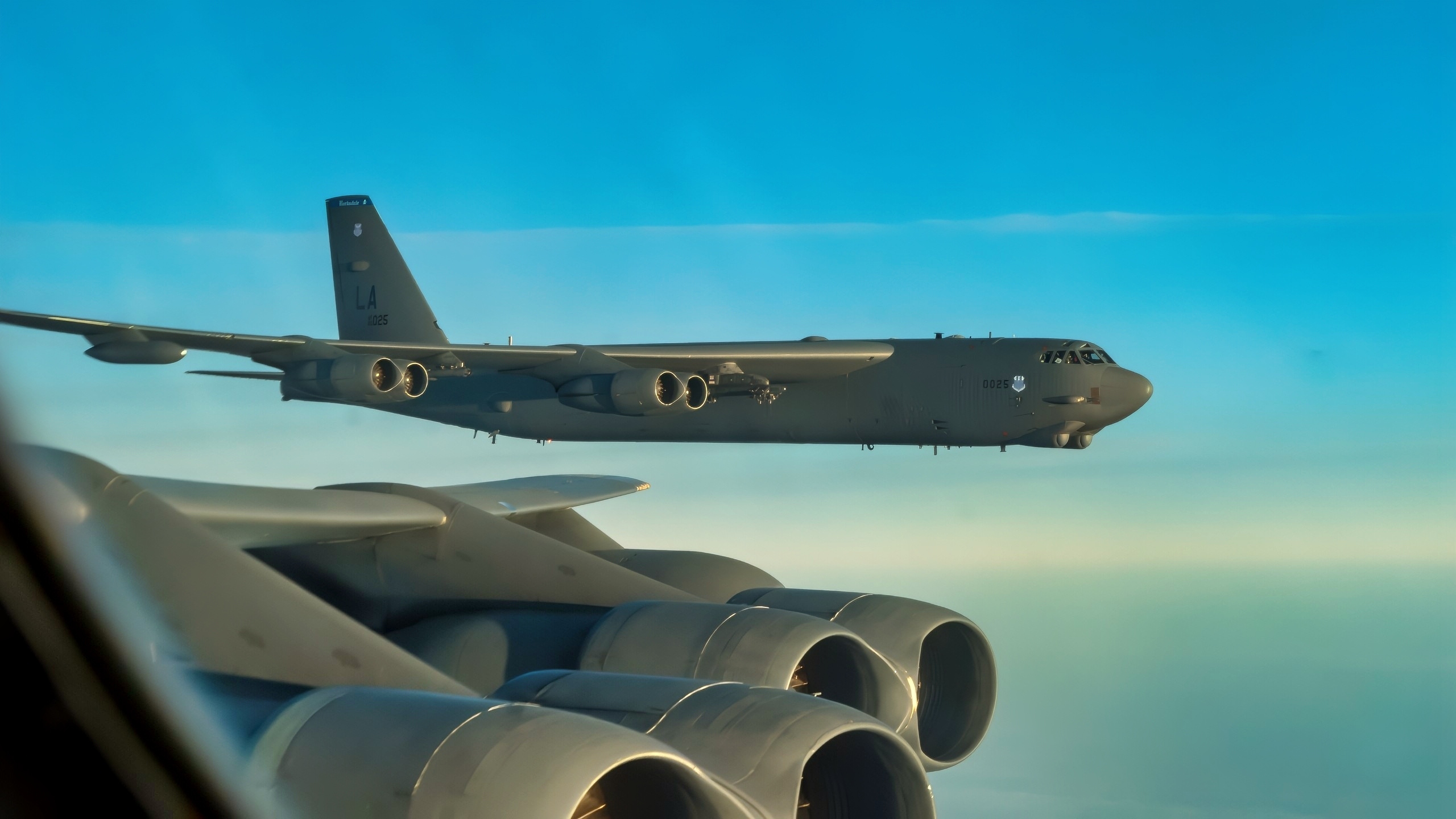
The U.S. Air Force is upgrading its B-52H Stratofortress fleet to the B-52J standard, extending the bomber’s service life into the 2050s and pushing the airframe toward a century in operation. The upgrade replaces the eight original engines with new Rolls-Royce F130s, adds a modern radar, and integrates JASSM-ER, LRASM, hypersonic weapons, and the LRSO nuclear cruise missile.
The B-52 Makes Comeback After Comeback
The U.S. Air Force is upgrading the B-52H Stratofortress to the B-52J to modernize the aging fleet and ensure the platform remains viable until the 2050s.
Key upgrades include new Rolls-Royce F130 engines for better fuel efficiency/reliability, a new radar system, and enhanced weapons capacity to carry advanced hypersonic and standoff missiles.
The B-52J acts as a cost-effective, reliable “bomb truck” that supports the nuclear triad while bridging the gap in bomber numbers as the new B-21 Raider is fielded.
But what is it like to fly the massive, older weapons platform?
Flying the “Buff” Is Demanding:
Flying the B-52 Stratofortress (“BUFF”—Big Ugly Fat F***er) is a demanding, noisy, and physically uncomfortable experience characterized by long-duration missions, intense concentration, and sluggish, heavy controls.
Pilots manage a massive 8-engine aircraft with significant wing flex, often navigating via a complex, antiquated, and cramped cockpit for over 10 hours, making it both taxing and professionally rewarding.
Dario Leone of the Aviation Geek Club quoted former B-52 pilot Lee Alloway, who said he enjoyed the experience.
“From my perspective, the B-52 was fun to fly. Half my Air Force career was spent in direct flying jobs as a pilot, instructor, or evaluator in eight different aircraft flying for SAC, MAC, and Air Training Command.
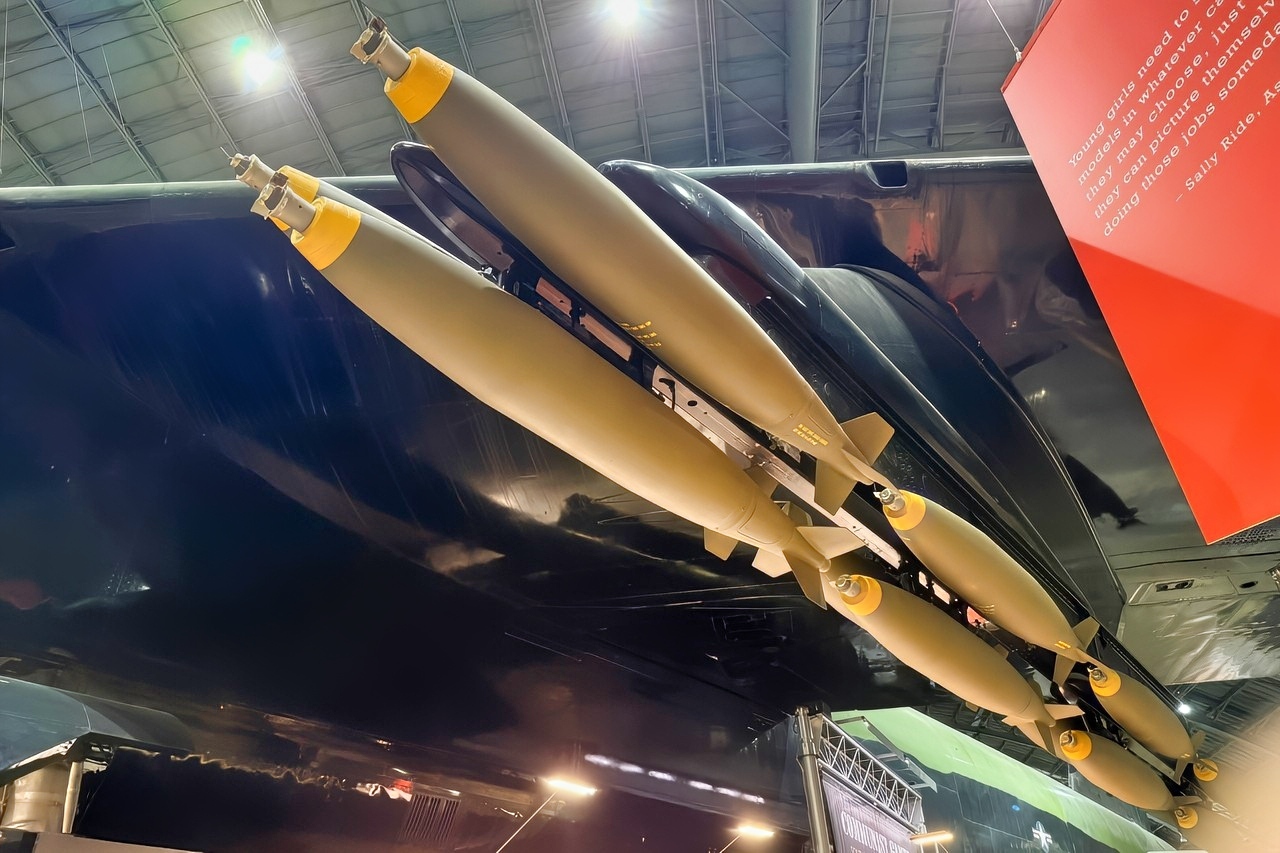
B-52 Bomber Bombs Ready to Go. Image Credit: National Security Journal.
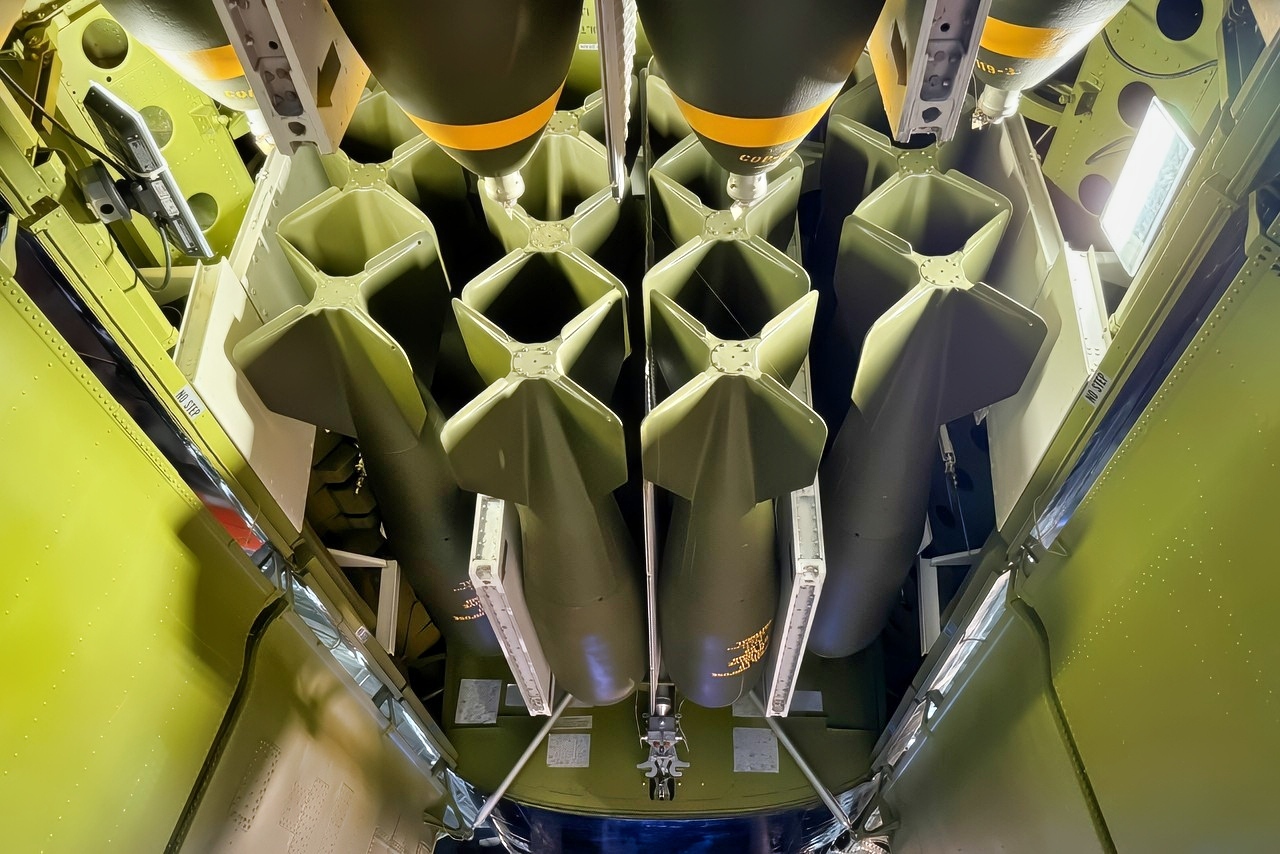
Bombs Inside the B-52 Bomber. Photo taken by Harry J. Kazianis/National Security Journal.

B-52D Bomber at USAF Museum. Image Credit: National Security Journal.
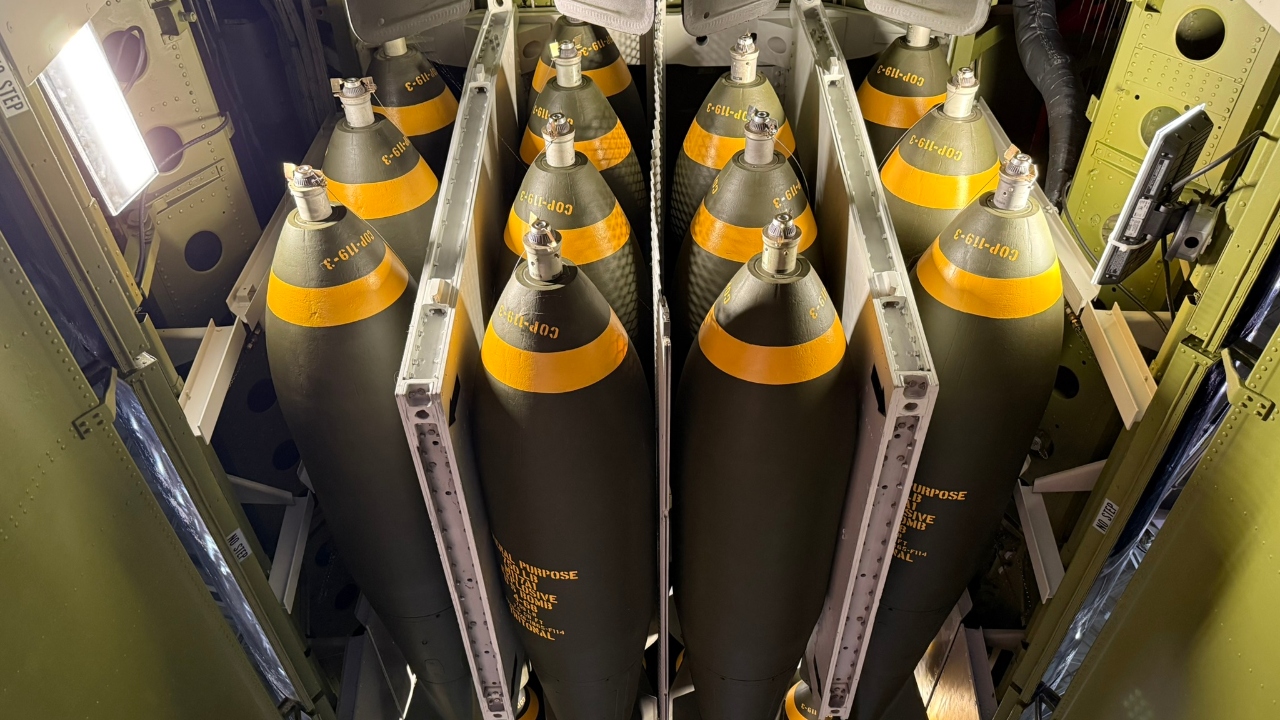
B-52 Bomber Bombs. Image Credit: National Security Journal.
“Each of those aircraft was fun to fly, given the opportunity to leave the local area and do something other than fulfill HHQ-directed training requirements. The BUFF was not the most agile, comfortable, or attractive aircraft, but the mission and the challenge of flying it well made up for its shortcomings. With any flying assignment, the fun factor has more to do with the unit personnel, leadership, and mission than the aircraft,” he said.
“For me, flying the B-52D from Guam was the best. Great people, good mission, occasionally quirky leadership, and each airframe had its own personality.
“Too many years in the salt air took its toll on the hardware, but maintainers had enough workarounds to get us in the air. Once there, things started falling apart. No mission came back with a Code 1 aircraft. My last flight on the D came back with 100 maintenance issues,” he added
Still, she flew, always took care of us en route, and got us home. For those who say she is sluggish, I recommend kicking off autopilot and learning to feel what the aircraft is asking for. Embrace her design, fly her with subtlety, and she will dance the skies like a (somewhat portly) ballerina.”
B-52: Another Pilot Has A Different Perspective
Leone quoted another B-52 pilot, Vilmos Shepard, from Quora.
“It handles terribly, is sluggish, and has some weird behaviors due to the location of the spoilers and the flexibility of the wing. The plane is incredibly noisy and has a low cabin pressure differential, so you must be on oxygen whenever you’re cruising at high altitude.
“Every regular crew member sits on an ejection seat that is about as comfortable as sitting in an…… ejection seat, except unlike a fighter crew member who is typically in the seat for an hour or so, a typical B-52 mission is 10+ hours,” he said.
“There is no bathroom, only a piss can hanging on a wall where the ceiling isn’t high enough to stand up straight, and a bucket under the EW instructor seat for the women on board or the poor sucker who has to take a dump. There is no legit bed for sleeping on extremely long flights, just a bit of floor where you can lie down. I would say it was the most unpleasant plane I ever flew,” he added.
“But the mission was challenging. An hour of air refueling on every mission, several hours of low-level flying every mission (not done anymore), day, night, VMC or IMC.
“And an hour of approaches and touch-and-goes at the end of each flight. So at least it wasn’t pure boredom, like flying an airliner on a 10+ hour flight,” Shepard said.
Will The USAF Field A 100-Year-Old Bomber? It Is Possible
The Air Force has had one constant in the past 70+ years: the B-52 bomber. The B-52J is a proposed upgrade to the B-52 Stratofortress, aiming to extend its service life well into the 2050s with new engines, advanced radar, and updated avionics. That would put the iconic bomber’s age at the century mark.
The B-52J bomber remains the subject of ongoing debate, with some advocating for its continued service and modernization, while others question its long-term value and strategic relevance. It is costly, and with the modern B-21 Raider set to enter service, they argue that the funds would be better spent on the Raider.
The Air Force Wants The B-52J Model
The Air Force is considering combining the B-21 Raider and the B-52J into a package that will deliver massive amounts of firepower, range, and the ability to penetrate enemy defenses to deliver precision weapons.
The B-52J won’t penetrate an enemy’s anti-access and aerial denial (A2/D2) umbrella; it would be highly vulnerable to modern air defenses. That is for the B-21 Raider to do.
Weapons integration has also been improved; the J-variant was designed to carry the JASSM-ER, LRASM, hypersonic weapons, and the LRSO nuclear cruise missile.
The B-52J becomes a stand-off missile arsenal, that launches long-range cruise missiles, such as the Long Range Stand-Off (LRSO) weapon and hypersonic missiles, without entering contested, heavily defended airspace.
The B-52 Is An Old Aircraft
During Ronald Reagan’s first presidential campaign in 1980, then-Sen. Barry Goldwater said the B-52 “was so old that I think some of them fought with Custer”, referring to the Battle of the Little Bighorn, also known as Custer’s Last Stand. Goldwater’s quip was made 46 years ago.
But even with the more modern B-1 and B-2 stealth bombers that have come into service and then been retired or soon will be, the B-52’s heart beats on. The B-52 remains a superb conventional and nuclear bomber, owing to numerous upgrades and models.
The Bomber Force, Both Old And New
Once the B-21 Raider and B-52J are in full production, the US bomber fleet will number approximately 200, with more than 100 B-21s and the remainder B-52Js, thereby enlarging the force.
According to Gen. Thomas Bussiere, commander of the Air Force Global Strike Command (AFGSC), the bomber force currently stands at approximately 141.
However, one intriguing possibility for the B-52J is its deployment with the Air Force’s newest aircraft, the Collaborative Combat Aircraft (CCA).
“It is the ability of the B-52 to carry such a large payload that can put these unmanned systems into the middle of the fight that makes a difference and will provide more justification for the cost of the upgrade,” said a US air power specialist who was quoted by Reuben Johnson.
“It will make the ‘long arm’ of the B-52 even longer.”
The B-52 isn’t the most comfortable aircraft to fly, and isn’t meant for the faint of heart, but it has been a steady, reliable aircraft for the past 70+ years.
And the Air Force has no plans to retire it anytime soon.
About the Author: Steve Balestrieri
Steve Balestrieri is a National Security Columnist. He served as a US Army Special Forces NCO and Warrant Officer. In addition to writing on defense, he covers the NFL for PatsFans.com and is a member of the Pro Football Writers of America (PFWA). His work has been regularly featured in many military publications.


