

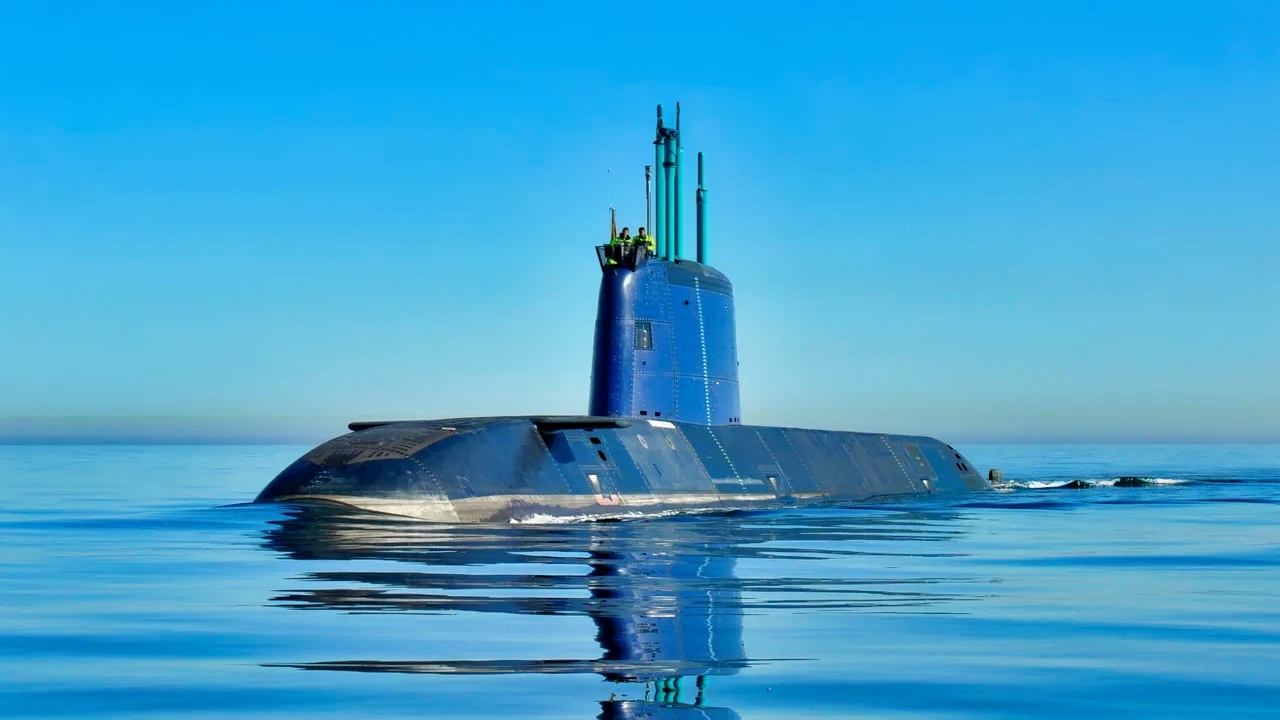
Israel operates a fleet of German-built Dolphin II submarines designed by ThyssenKrupp Marine Systems as the cornerstone of the country’s sea-based nuclear deterrent. The 225-foot boats displace 2,400 tons submerged, reach 25 knots, and use air-independent propulsion to stay submerged for up to 18 days. The INS Tanin and INS Rahav were commissioned in 2014 and 2016. The submarines carry six standard 533mm torpedo tubes for DM2A4 torpedoes and Harpoon missiles, plus four enlarged 650mm tubes widely believed to fire nuclear-armed Popeye Turbo cruise missiles with a range of up to 1,500 kilometers. The newer INS Drakon, delivered in 2023, has an enlarged sail.
Israel’s Dolphin-Class II Submarine: Built for a Nuclear War?

Dolphin-Class Submarine. Image Credit: Creative Commons.
Israel’s German-built Dolphin II-class submarines are the largest and most expensive vessels constructed in Germany since World War II.
Designed by ThyssenKrupp Marine Systems, they are widely considered the cornerstone of Israel’s sea-based nuclear deterrent, providing a survivable second-strike capability.
While Israel remains non-committal on whether the Dolphin II carries nuclear weapons, the German government has also refused to comment on modifying the Dolphin-class submarines delivered to Israel to fit cruise missiles armed with nuclear warheads.
However, German officials such as former Head of the Policy Planning Staff of the German Ministry of Defense Hans Rühle have stated that they assumed Israel intended to equip the submarines with nuclear weapons.
Meet The Dolphin II Submarines
The Israeli Navy acquired three Dolphin-class submarines from Germany between 1999 and 2000. The Germans donated the first two diesel-electric submarines and split the cost of the third with the Israeli government.
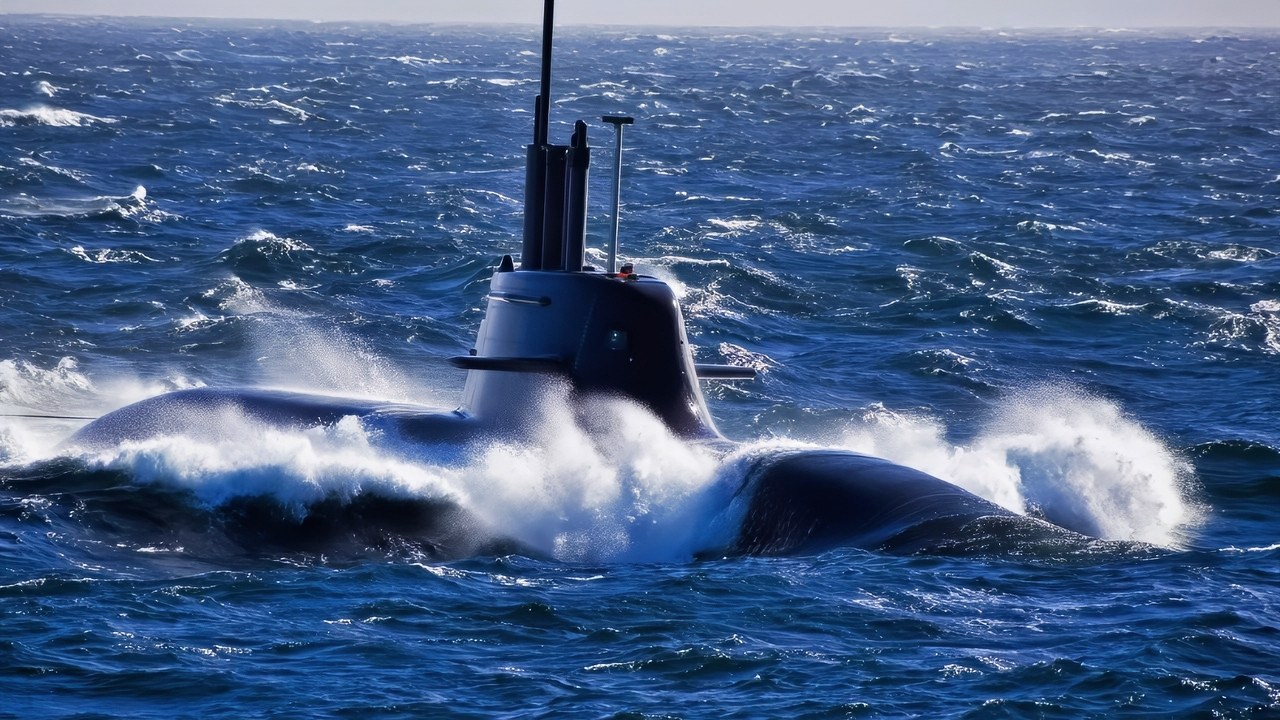
Type 212 German Submarine. Image Credit: German Navy.
In 2006, Israel agreed to purchase two Dolphin II submarines equipped with air-independent propulsion (AIP). The two subs were delivered in 2012 and 2013, respectively. The INS Tanin was commissioned in September 2014, and the INS Rahav was commissioned in 2016.
Shayetet 7 operates the boats, which provide the Israelis an array of capabilities, ranging from intelligence collection and special operations support to antisurface warfare and deterrence patrols.
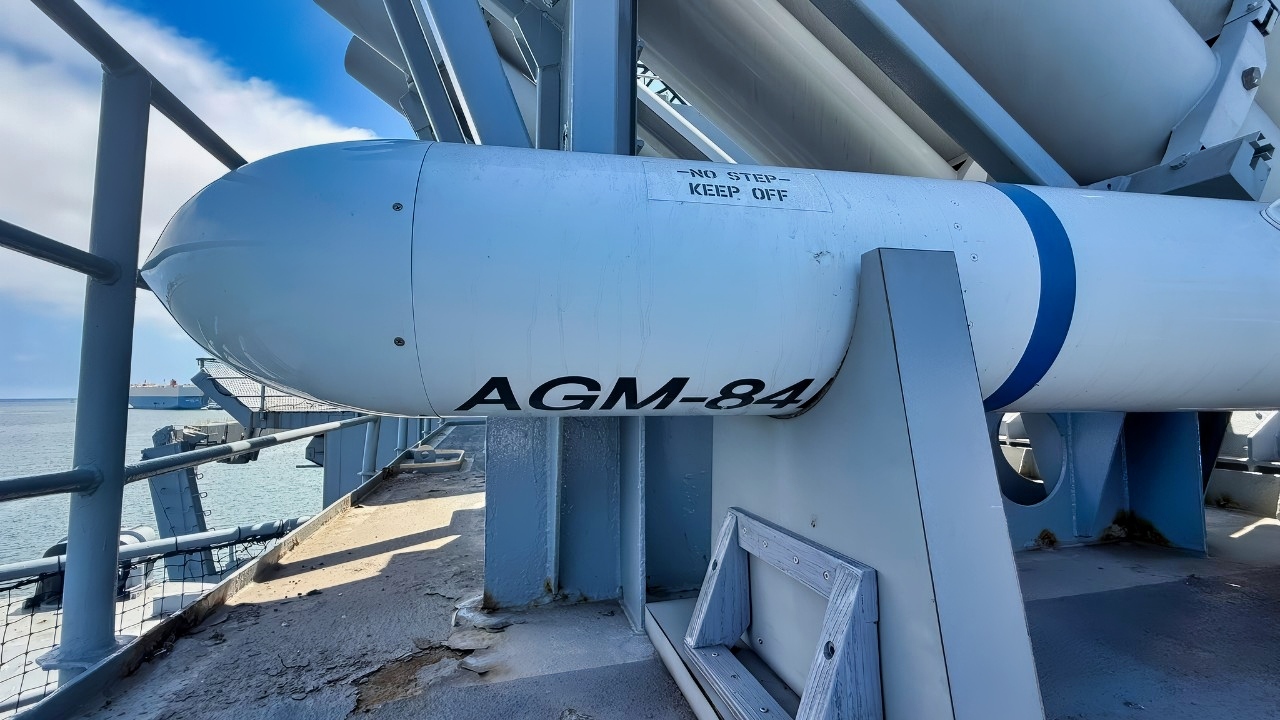
Harpoon Missile Onboard USS Iowa. Image Credit: National Security Journal.
The Dolphin II Boats Have 10 Torpedo Tubes
The Dolphin II submarines are larger at 225 feet in length than the original designs to accommodate the 37-foot-long AIP propulsion system. This allows the submarines to remain submerged for up to 18 days without surfacing.
They displace 2,400 tons submerged, have a top speed of 25 knots, and carry a crew of 35.
They carry six standard 533 mm torpedo tubes for conventional DM2A4 torpedoes and Harpoon anti-ship missiles.
The subs are also equipped with four enlarged 650mm torpedo tubes. These tubes are believed to fire nuclear-armed Popeye Turbo cruise missiles (with a range of up to 1,500 km or about 932 miles).
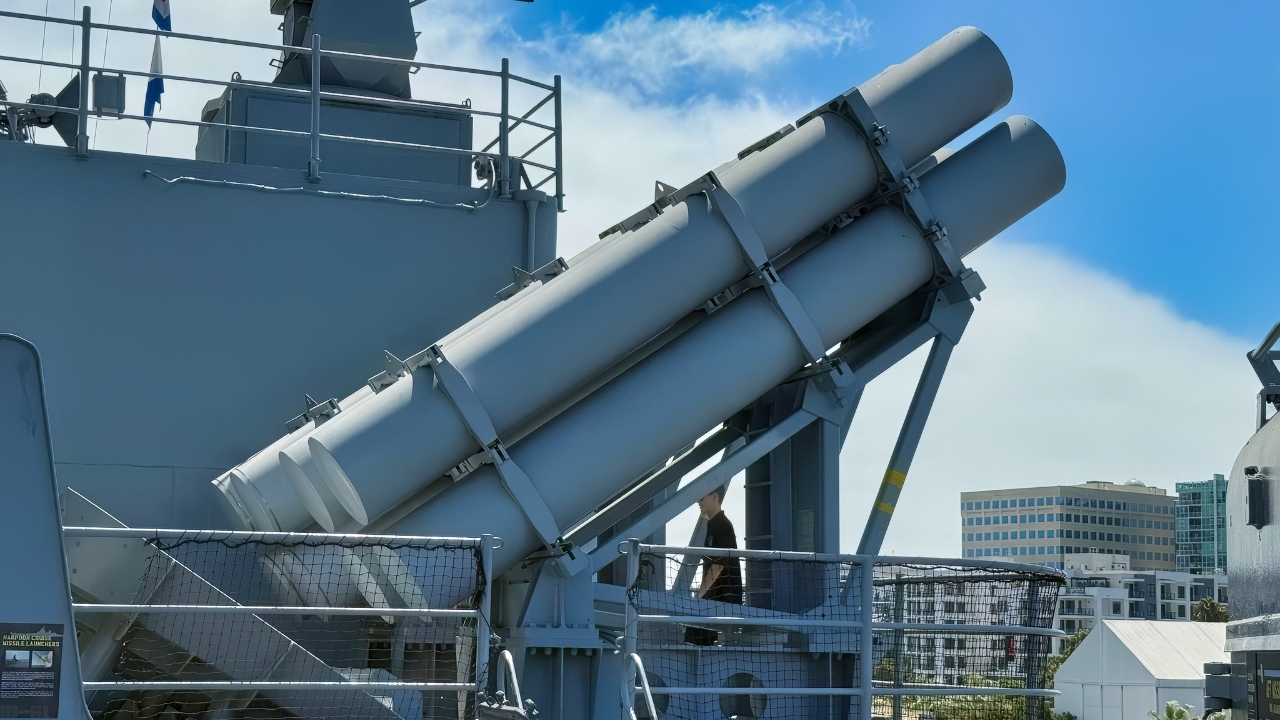
USS Iowa Harpoon Canister. Image Credit: Harry J. Kazianis/National Security Journal.
In addition to their purported secondary-strike role, the Dolphin-class submarines are used for intelligence and surveillance missions. Their stealth and endurance make them ideal platforms for gathering electronic intelligence and monitoring enemy movements.
They are also capable of supporting Israel’s Special Operations Forces, such as Shayetet 13 (Flotilla 13), Israel’s naval commandos, equivalent to the U.S. Navy SEALs, and the UK’s Special Boat Service (SBS). They specialize in sea-to-land operations, maritime sabotage, and counter-terrorism.
The submarines can deploy swimmer delivery vehicles and other equipment through their larger torpedo tubes. This makes them a versatile tool for covert operations in hostile or contested environments.
INS Drakon (Dragon) Has Even More Capabilities
In 2023, the Israelis purchased another, larger submarine, the INS Drakon, which is rumored to pack even more firepower.
After lengthening the Dolphin I boats to hold the AIP propulsion system, the Israelis lengthened the Dolphin II boats. Photographs confirm that the Drakon has a much larger sail, which may accommodate vertical launch missile silos.
As is their M.O., the Israelis don’t publicly share details on their units, weapons systems, and tactics and procedures. But the Drakon is considered another big leap forward in their capabilities.
Dolphin I Submarines To Be Replaced With The Dakar Class
The Israeli Navy is slated to begin replacing the Dolphin I class in 2027 with a new class of submarines, the Dakar Class. This class is named after an Israeli submarine that sank in mysterious circumstances in 1968.
The Dakar-class submarine is another class of submarine produced by the German-based naval conglomerate ThyssenKrupp Marine Systems (TKMS).
The submarine is expected to include an enlarged sail along the hull, which the Sea Forces website says would be used for:
-Integration of an airlock for special operations.
-Additional space for deploying unmanned underwater vehicles (UUV) or unmanned aerial vehicles (UAV).
-Expansion of command-and-control facilities for supporting various types of ISR capabilities.
Additional space for equipping submarine-launched ballistic missiles (SLBM).
If the enlarged sail were indeed to be used for housing ballistic missiles, the sail would accommodate vertical launch system (VLS) cells, similar to the first generation (Golf-class) of Soviet-designed ballistic missile submarines, for example, which carried their missiles in the sail.
The Dakar class is expected to include an “X-shaped” rudder configuration, similar to that of the Dolphin-class submarines; however, the Dakar-class design omits the smaller horizontal and vertical stabilizers used by the Dolphin class.
Despite the US and Israel’s efforts to eliminate Iran’s nuclear weapons program, the Iranian regime continues to search for a nuclear weapon. The Israelis are preparing for any eventuality where they may have to counterstrike a nuclear attack on their homeland. The Dakar-class submarines are built for that.
About the Author: Steve Balestrieri
Steve Balestrieri is a National Security Columnist. He served as a US Army Special Forces NCO and Warrant Officer. In addition to writing on defense, he covers the NFL for PatsFans.com and is a member of the Pro Football Writers of America (PFWA). His work was regularly featured in many military publications.


