

Summary and Key Points: Russia conducted its largest nuclear force exercise in years from May 19 to 21, mobilizing approximately 65,000 personnel, more than 200 missile launchers, 140 aircraft, 73 warships, and 13 submarines, including several capable of carrying nuclear-tipped ballistic missiles.
-The Russian Defense Ministry said the drills rehearsed the preparation and use of nuclear forces in response to aggression against Russia or Belarus. Footage showed troops loading mock nuclear warheads onto Iskander-M missile systems and Yars intercontinental ballistic missile launchers maneuvering through forested regions.

Image Credit: Creative Commons. Image is of a Russian missile being tested.
-Belarus participated directly — Alexander Lukashenko personally inspected Iskander launchers. The drills came months after New START — the final U.S.-Russia nuclear arms control treaty — formally expired on February 5, 2026.
Russia And Belarus Just Rehearsed The Use of Nuclear Weapons Together for 3 Days
Russia recently staged its largest nuclear force exercises in years, conducting three days of strategic drills involving tens of thousands of troops, missile launchers, submarines, aircraft, and nuclear-capable systems across Russia and neighboring Belarus as tensions with Ukraine and NATO continue to rise.
The exercises, which began on May 19 and continue through May 21, involve roughly 65,000 personnel, more than 200 missile launchers, 140 aircraft, 73 warships, and 13 submarines, including several capable of carrying nuclear-tipped ballistic missiles.
Russian officials said the drills are designed to rehearse the “preparation and use of nuclear forces” in response to aggression against Russia or Belarus. The exercises also come amid a surge in Ukrainian drone strikes inside Russia, the collapse of the final U.S.-Russia nuclear arms treaty earlier this year, and a growing Russian effort to integrate Belarus directly into Moscow’s nuclear posture.

Tu-160 bomber Creative Commons Image
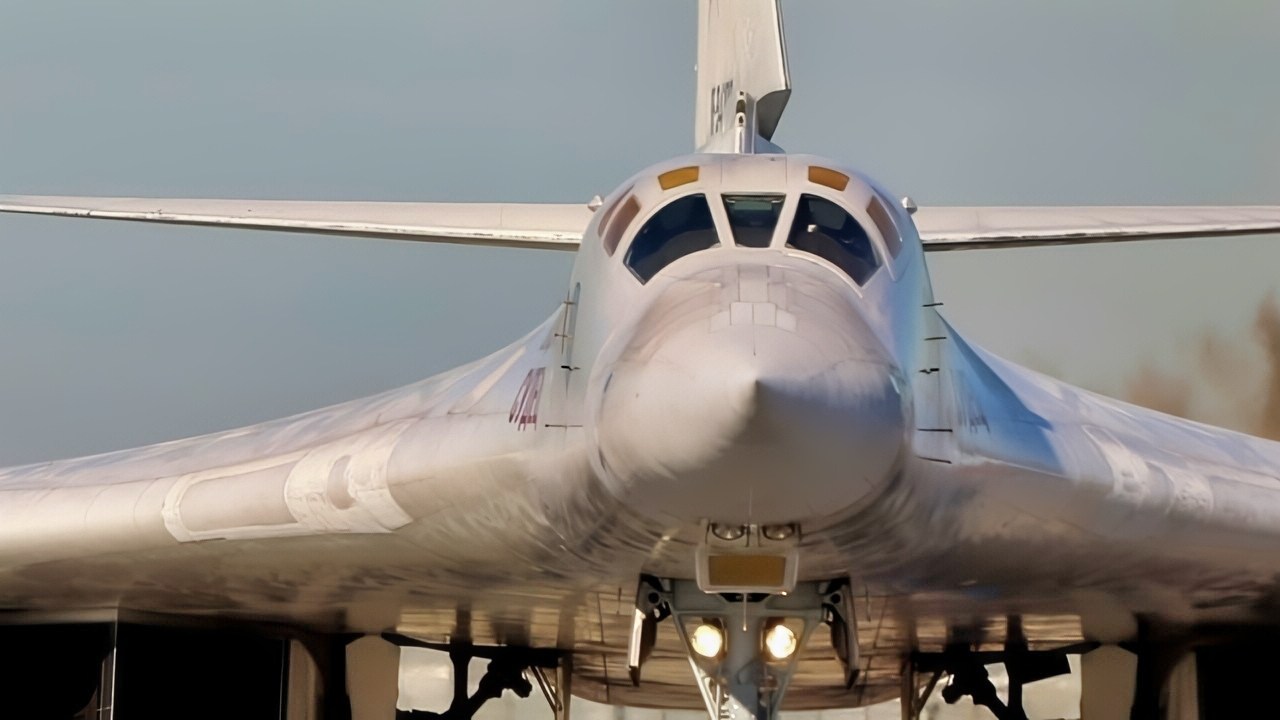
Tu-160 Up Close. Image Credit: Creative Commons.
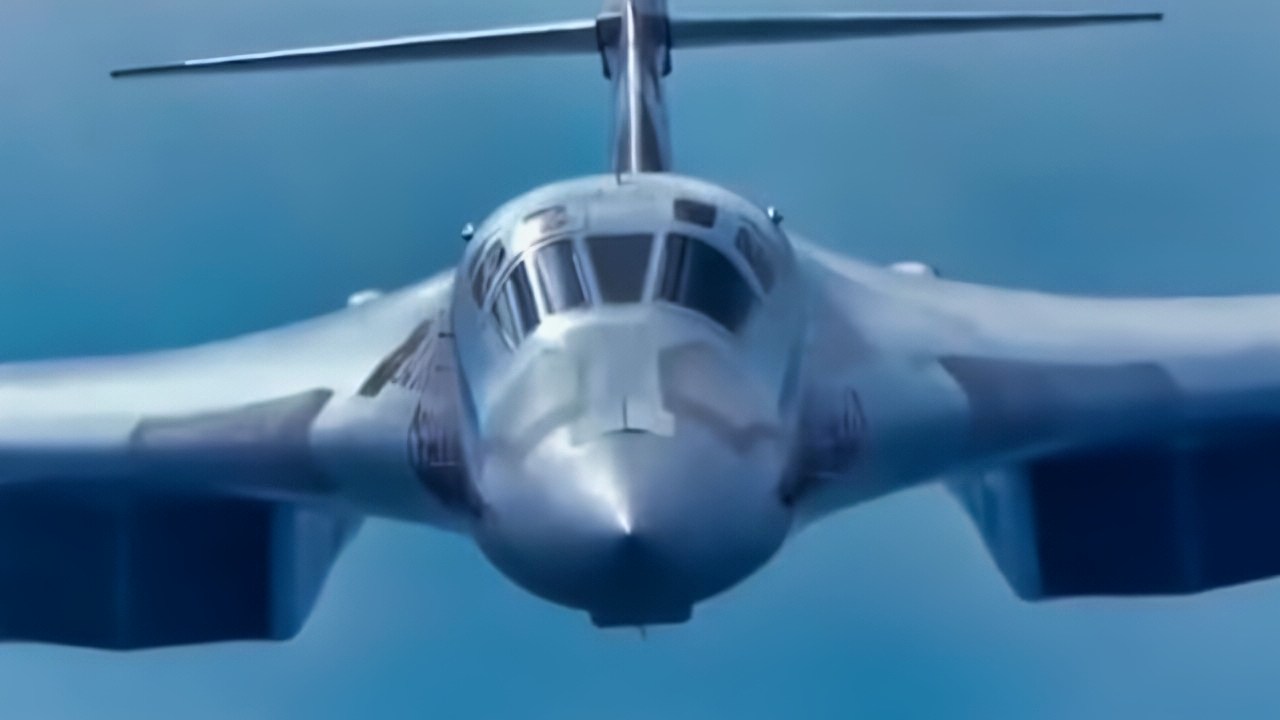
Tu-160 Bomber. Image Credit: Creative Commons.
Mobilizing Land, Sea, and Air Forces
Russia’s Defense Ministry said the drills include ballistic and cruise missile launch exercises, deployments of mobile intercontinental ballistic missile systems, long-range aviation activity, naval operations, and coordination between strategic nuclear units across multiple military districts.
Footage released by the Russian military showed troops loading mock nuclear warheads onto Iskander-M missile systems before transporting them to launch sites.
“From May 19 to 21, 2026, the Armed Forces of the Russian Federation are conducting an exercise on the preparation and use of nuclear forces in the event of a threat of aggression,” the defense ministry said in a statement.
The exercises involve Russia’s strategic rocket forces, as well as air and naval nuclear units. Trucks carrying Yars intercontinental ballistic missiles were shown maneuvering through forested regions while nuclear-powered submarines reportedly deployed from Arctic and Pacific Fleet bases.
Russian MiG-31 aircraft carrying Kinzhal hypersonic missiles and Zircon missile systems were also reportedly involved in the exercise.
According to the Russian Defense Ministry, the purpose of the exercise is to bring nuclear forces to “the highest levels of combat readiness” under conditions involving a threat of aggression.
The ministry said that the drills are also intended to improve coordination between Russia and Belarus under the framework of the Russia-Belarus “Union State.” The “Union State” is a longstanding political and military integration framework between Russia and Belarus, originally established in the 1990s to deepen economic cooperation and defense and security ties.
During a video conference with Belarusian President Alexander Lukashenko, Russian President Vladimir Putin described the drills and noted that the use of nuclear weapons would be an “extreme, exceptional measure for ensuring the national security of our states.” Over the years, the Russian president and other Kremlin officials have repeatedly stressed that strengthening Russia’s nuclear forces is a priority for Moscow.
Belarus Plays Increasingly Critical Role
One of the most significant aspects of the drills is the growing integration of Belarus into Russia’s nuclear planning. Russia has already stationed tactical nuclear weapons in Belarus and deployed the nuclear-capable Oreshnik missile system there as part of a broader effort to pressure NATO’s eastern flank.
Belarusian missile forces and aircraft participated directly in the drills, including units operating nuclear-capable Iskander systems. Lukashenko personally inspected Iskander launchers during the exercise and publicly praised the system, saying, “I once dreamed of this vehicle.”
“But nowadays we have more than one. And you know better than I do that these are good weapons,” he also said.
Although Russia maintains control over the nuclear weapons stationed in Belarus, the deployment has significantly altered the regional security environment along NATO’s eastern border and provides additional protection for Belarus.
The country borders Poland, Lithuania, and Latvia – all NATO members – while also sharing a border with Ukraine.
Kyiv has become increasingly concerned that Belarus could once again be used as a staging ground for offensive operations.
Ukrainian President Volodymyr Zelenskyy recently warned that Russia may be preparing new military activity from Belarusian territory and ordered Ukrainian forces to reinforce the country’s northern border. Zelenskyy said that it was “already tiresome that there is constantly such a threat to Ukraine that the Russians may at some point drag Belarus into an expansion of the war. They should understand there will be consequences for them, and they will be significant.”
Drills Arrive As Nuclear Arms Controls Collapse
The timing of the exercises is interesting because they come just months after the expiration of New START, the final remaining nuclear arms control treaty between the United States and Russia. The treaty formally expired on February 5, 2026, ending the last major framework that limited and monitored the world’s two largest nuclear arsenals.
Russia had already suspended participation in New START in 2023, but the treaty’s expiration removed many of the remaining verification and transparency measures that had survived even amid worsening relations between Moscow and Washington.
At the same time, the Ukraine war has continued to drive increasingly aggressive nuclear signaling from Moscow.
Since launching the full-scale invasion of Ukraine in February 2022, Russian officials have repeatedly referenced Russia’s nuclear capabilities and strongly hinted that they may be used if Russia feels as though its territorial integrity or security is threatened by Western involvement.
Russia also revised its nuclear doctrine in 2024, stating that a conventional attack supported by a nuclear power could potentially justify a nuclear response. Analysts have interpreted the change as a warning directed at NATO countries supporting Ukraine militarily.
About the Author: Jack Buckby
Jack Buckby is a British researcher and analyst specializing in defense and national security, based in New York. His work focuses on military capability, procurement, and strategic competition, producing and editing analysis for policy and defense audiences. He brings extensive editorial experience, with a career output spanning over 1,000 articles at 19FortyFive and National Security Journal, and has previously authored books and papers on extremism and deradicalization.


