

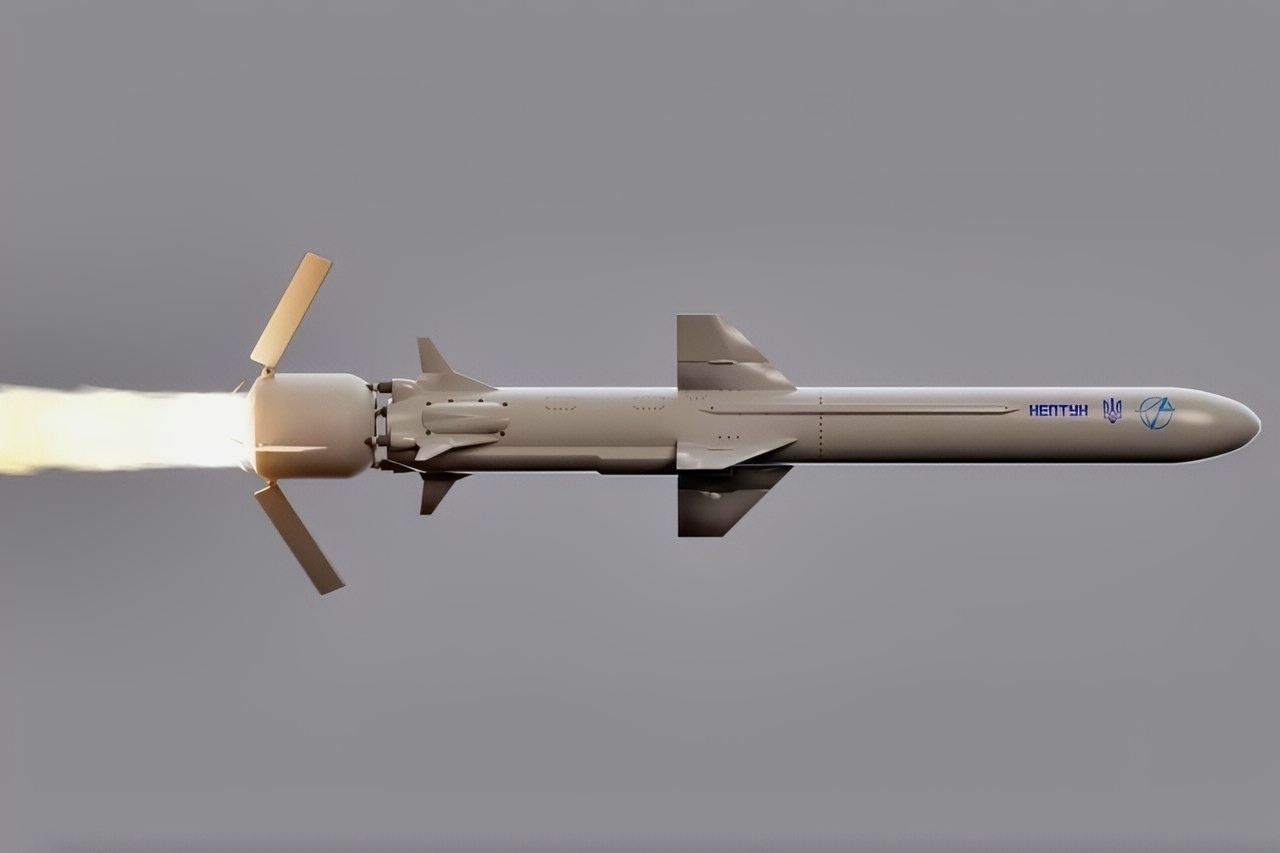
Reaching an area 800 miles from the border with Russia, on Sunday, 31 May, Ukrainian drones struck a Russian fuel depot, oil pumping station, and a refinery.
These attacks are another in what is becoming a regular practice of Ukraine taking out strategic sites that are hundreds of miles inside of Russia and well east of Moscow.
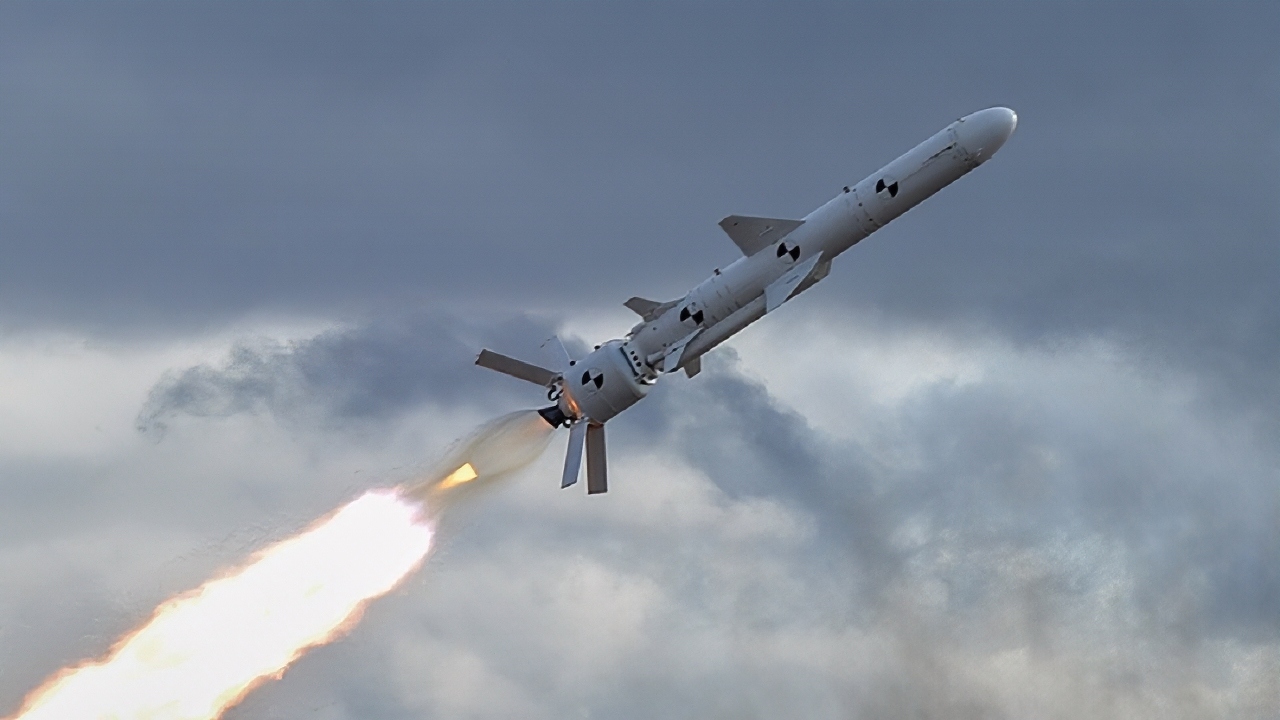
Neptune Missile. Image Credit: Creative Commons.
What is driving this Ukrainian air campaign is the desire to inflict maximum damage on Russian energy infrastructure.
This causes as much disruption as possible to Moscow’s ability to earn revenue from energy exports and to supply petrol to its own military.
Recent events would suggest that the strategy is working. There are already restrictions on the export of refined petrol for use in vehicles in Russia, and as of today, exports of aviation fuel are banned until 30 November.
There have been so many facilities taken out in these kinds of attacks that Moscow’s military is concerned about being able to provide fuel for its own forces, particularly its bomber and fighter-strike aircraft. So concerned that selling any of it outside of Russia is now forbidden.
Kyiv said the attacks had taken out the Lazarevo pumping station in the Kirov region, which is north-east of Moscow and about 800 miles from Ukrainian-held territory.
Alexander Sokolov, the regional governor, would only admit that drones had struck a “facility” and had caused a fire. He also claimed there had been no casualties and called on the population to remain calm.
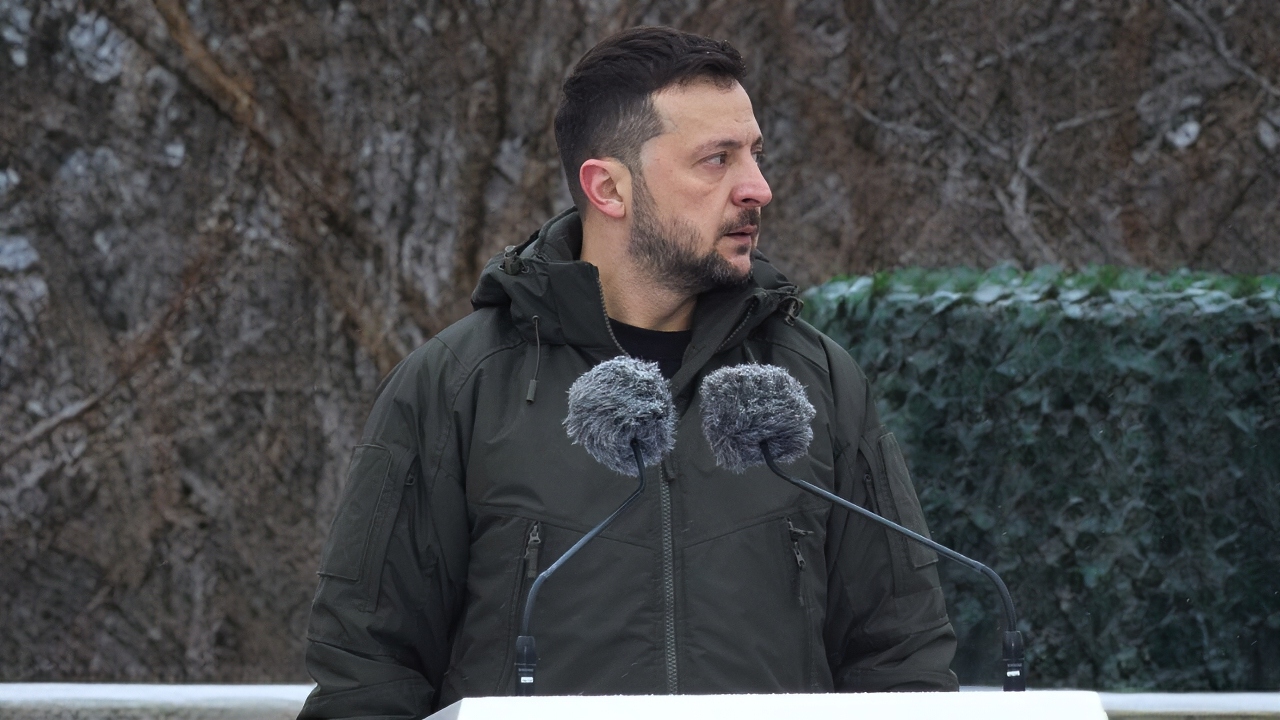
Image Credit: Office the the President, Ukraine.
A Dispersed Set of Attacks
What is interesting is that this station pumps oil from Russian oilfields in Siberia to Belarus. There have been rumors of late that Belarus might be used again, as it was in February 2022, for a launching point for another Russian incursion into Ukraine.
The suspicion is that part of the motivation for this attack is to cut off the fuel supplies a Russian force operating out of Belarus would need.
Ukraine’s General Staff announced additional attacks that had occurred on the same night.
One of these hit the Saratov oil refinery on the Volga River, causing a large fire during overnight strikes. “During the night, our soldiers applied Ukraine’s long-range sanctions against an oil refinery in Saratov, Russia. This is about 700km (430 miles) from the front line,” Volodymyr Zelensky, the Ukrainian president, announced after the attacks were made public.
Roman Busargin, the Saratov regional governor, said on Telegram that “civil infrastructure” had been damaged in the strike but provided no further details.
In the town of Matveyev-Kurgan in the southern Rostov region, which has been hit by Kyiv on a regular basis, officials declared a state of emergency after a local oil depot was struck by a drone, causing another large fire.
Dina Alborova, the town’s leader, said this blaze had spread over an area that was more than 4,000 sq yards.
The local administration has been publishing images of black smoke, and there are reports of damage to homes and businesses.
Specific Targeting
A former, now-retired senior US intelligence official who spoke to National Security Journal explained Ukraine’s strategy for these strikes, including which specific operations they are choosing to target.
“I remember back in the day when we were looking at the then-Soviet Union and how many US or other foreign components were used in these refinery operations – and therefore just how vulnerable to sanctions this made them,” he said.
“What you see now is just how specific some of the Ukrainian targeting is against these facilities. They have obviously done some serious research, and thus they know which building, which processing bloc, which bit of refining machinery will be the most difficult and time-consuming to replace. This ensures that the facility will not come completely back online for some months.”
There are now more frequent reports of Russian oil facilities with some vital link in their processing facility being shut down due to Ukrainian attacks or mechanical breakdowns. In some cases, the parts that Russian refineries need to get their facilities up and running are from US or other foreign companies that left Russia altogether after the February 2022 invasion. Buying from these suppliers legally is no longer possible under the current sanctions regime.
“If the stream of drones continues at this rate and Russian air defenses don’t improve, Ukraine will be able to cut Russian refining runs quicker than Russian firms will be able to repair them,” said Sergey Vakulenko, who spoke to Reuters on the subject two months ago.
Vakulenko is an expert on Russia’s energy industry and also a non-resident fellow at the Carnegie Endowment for International Peace.
About the Author: Reuben F. Johnson
Reuben F. Johnson has thirty-six years of experience analyzing and reporting on foreign weapons systems, defense technologies, and international arms export policy. Johnson is the Director of Research at the Casimir Pulaski Foundation. He is also a survivor of the Russian invasion of Ukraine in February 2022. He worked for years in the American defense industry as a foreign technology analyst and later as a consultant for the U.S. Department of Defense, the Departments of the Navy and Air Force, and the governments of the United Kingdom and Australia. In 2022-2023, he won two awards in a row for his defense reporting. He holds a bachelor’s degree from DePauw University and a master’s degree from Miami University in Ohio, with a specialization in Soviet and Russian studies. He lives in Warsaw.


