


Rumors in the past few days have raised fresh concerns that the Belarusian authoritarian president, Aleksandr Lukashenko, may permit Russia to use his territory to invade Ukraine for what would be a second time.
In 2022, he permitted Moscow’s military to use Belarus as a launchpad to send large convoys of an invasion force towards Kyiv, but the incursion quickly bogged down due to a combination of Ukrainian territorial defense forces ambushing these columns and mechanical breakdowns of numerous vehicles.
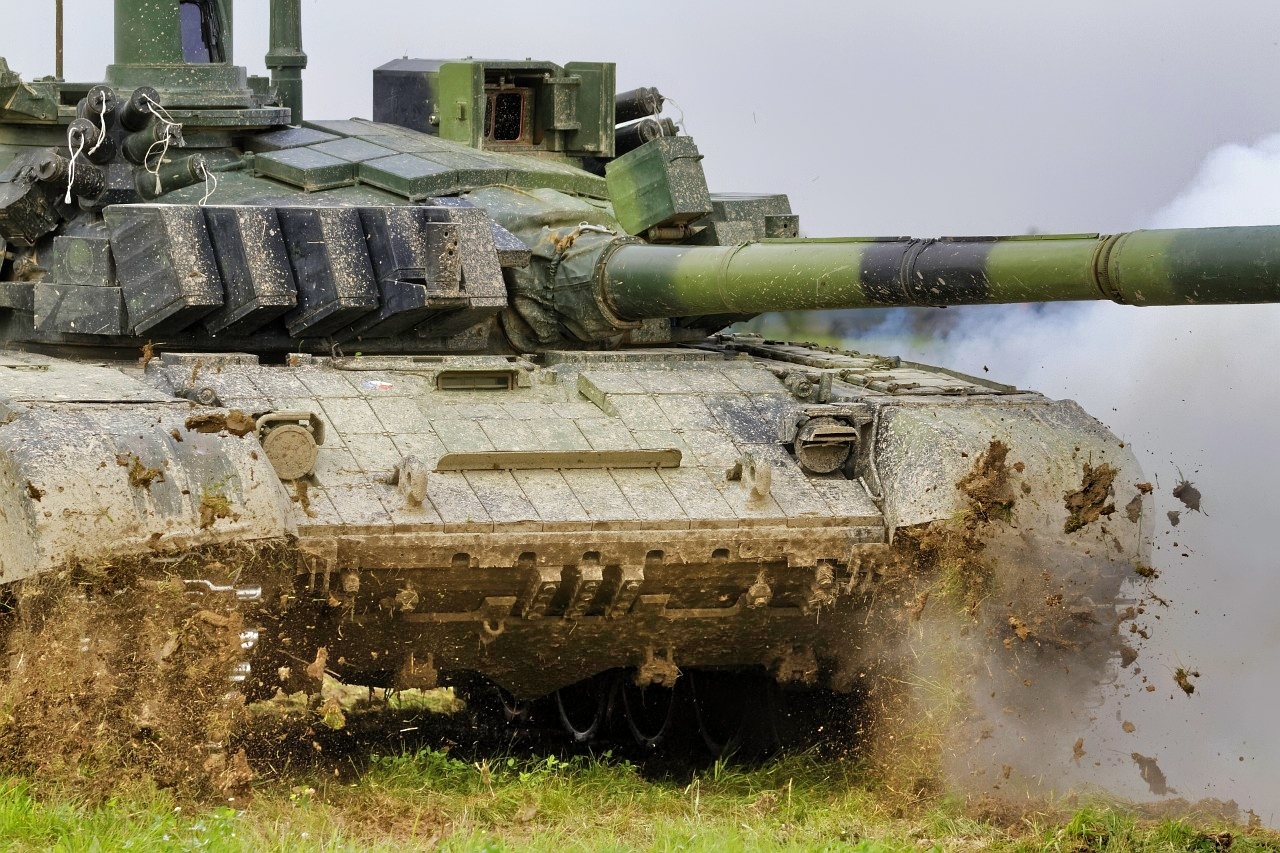
T-72 Tank. Image Credit: Creative Commons.
Officials in Kyiv are now warning that Lukashenko’s regime could again host a Russian invasion force.
The Ukraine War: A New Invasion Coming Soon?
Thus far, Belarus has not become an active participant in the conflict, with no Belarusian troops entering Ukraine.
This is despite the country being Russian President Vladimir Putin’s closest ally in the region.
What Belarus has done is to allow Russian aircraft that are firing munitions at Ukrainian cities to use Belarusian air bases.
Other military facilities are used by Russia that provide strategic depth for Russian forces.
Russia also utilizes Belarusian bases to house and operate drone relay stations that coordinate Iranian-designed attack drones aimed at Ukraine’s civilian population and energy infrastructure.
Belarus factories have also been producing components for Moscow’s military industries.
Sometimes these defense-industrial components are shipped from the People’s Republic of China (PRC) to Belarus for final assembly, and then sent as complete ship sets to Russia for its war against Ukraine.
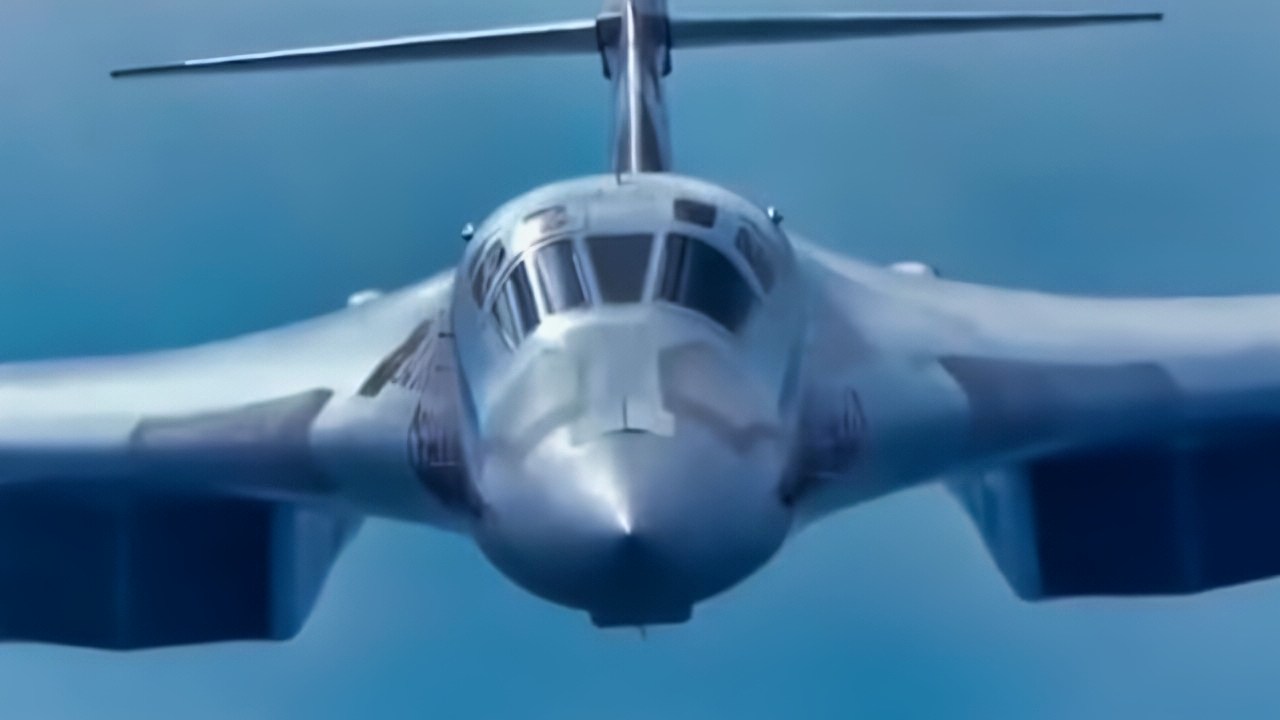
Tu-160 Bomber. Image Credit: Creative Commons.

Tu-160 Bomber Russian Air Force Photo
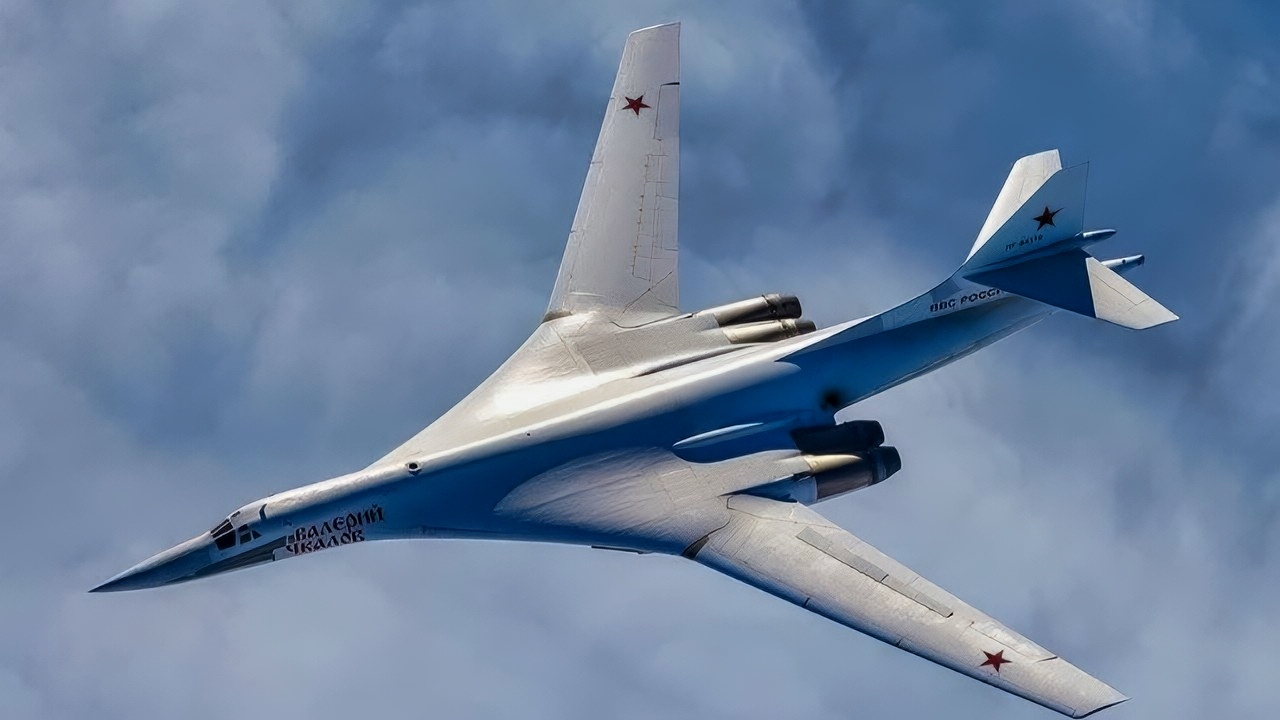
Tu-160 Bomber from Russia. Image Credit: Creative Commons.
The Nuclear Dimension
But the larger worry is Lukashenko’s decision to host Russia’s nuclear weapons and military infrastructure.
Earlier in the month, the two countries for the first time ever held joint drills of their nuclear forces for the first time ever, involving the Russian nukes deployed in Belarus.
Reports began in February 2026 that Russia would soon be basing its much-talked-about nuclear-capable Oreshnik ballistic missile on Belarusian territory.
Satellite intelligence has revealed that Russia is constructing a multi-tiered air defense and electronic warfare shield around the Krychev-6 military aerodrome in Belarus – the base identified as the future deployment site of the Oreshnik ballistic missile system.
On 17 February, a Radio Liberty/Radio Free Europe analysis of commercial imagery from Planet Labs that was acquired by investigative journalists revealed at least six fortified positions – all within a five-kilometer radius of the base.
Then, on 31 May, a follow-on report details Russian elements associated with the Oreshnik intermediate-range ballistic missile system that now appear to be stationed at the former Krychev-6 airfield in Belarus’s Mogilev region.
According to reporting published by the Belarusian opposition-linked monitoring group Community of Railway Workers of Belarus, rail transport records record a large Russian military train having arrived near the former Krychev-6 airfield between 20 and 29 December 2025.
This shipment reportedly originated at Russia’s Kapustin Yar 4th State Central Interservice Test Range and was delivered to Krychev I railway station, the closest rail hub to the aerodrome.
The transport documentation reviewed by the monitoring group shows the train consisted of 54 flatbed railcars carrying military cargo, six covered wagons, one additional wagon designated for explosive materials, and passenger carriages transporting personnel to support the installation.
Industrial Support
Vladyslav Vlasiuk, Ukraine’s presidential envoy responsible for sanctions policy, said fragments of an Oreshnik ballistic missile that Russia fired on Ukraine on 24 May were discovered to contain microchips produced in Belarus.
BELPOL, a group of former Belarusian military and law enforcement officers who oppose Lukashenko, say Belarusian industries have effectively been integrated into the Kremlin’s war machine.
According to BELPOL, over 500 Belarusian industrial plants are engaged in manufacturing weapons and ammunition, repairing military equipment, and providing logistics. “Lukashenko’s regime is quite seriously involved in the war,” BELPOL head Uladzimir Zhyhar told The Associated Press. “Lukashenko is helping Russia in every way he can.”
At this time, however, the Ukrainian Border Guards see no buildup of Russian units on the Belarus side of the border in preparation for an invasion, possibly because Moscow does not have the manpower to spare to open a second front against Ukraine. Belarus’ armed forces have only 48,600 troops, a small fraction of Russia’s 1.5 million. In case of war, Belarus is prepared to mobilize up to 290,000 armed men, but they would all need weapons and training to become combat-ready, which could take more than a year.
“The Belarusian army is unfit for offensive action,” said Alexander Alesin, a Minsk-based military analyst. “An attack from Belarus would require … mobilizing up to 500,000 troops. That would mean taking all the men from the national economy and then finding arms for them,” he said, adding: “I consider this option unlikely.”
About the Author: Reuben F. Johnson
Reuben F. Johnson has thirty-six years of experience analyzing and reporting on foreign weapons systems, defense technologies, and international arms export policy. Johnson is the Director of Research at the Casimir Pulaski Foundation. He is also a survivor of the Russian invasion of Ukraine in February 2022. He worked for years in the American defense industry as a foreign technology analyst and later as a consultant for the U.S. Department of Defense, the Departments of the Navy and Air Force, and the governments of the United Kingdom and Australia. In 2022-2023, he won two awards in a row for his defense reporting. He holds a bachelor’s degree from DePauw University and a master’s degree from Miami University in Ohio, specializing in Soviet and Russian studies. He lives in Warsaw.


