


For three years, anyone who said Ukraine could win was waved off as naive — the numbers were against them, the bean counters insisted, more Russians, more territory, more guns. Then something shifted on the front this spring. And the people now saying the war has turned against Putin aren’t pro-Ukraine bloggers or talk-radio hosts. They’re the most cautious, establishment voices in the field — and one of them just put it in the pages of Foreign Affairs.
The Ukraine War: Ukraine Is Winning Now?
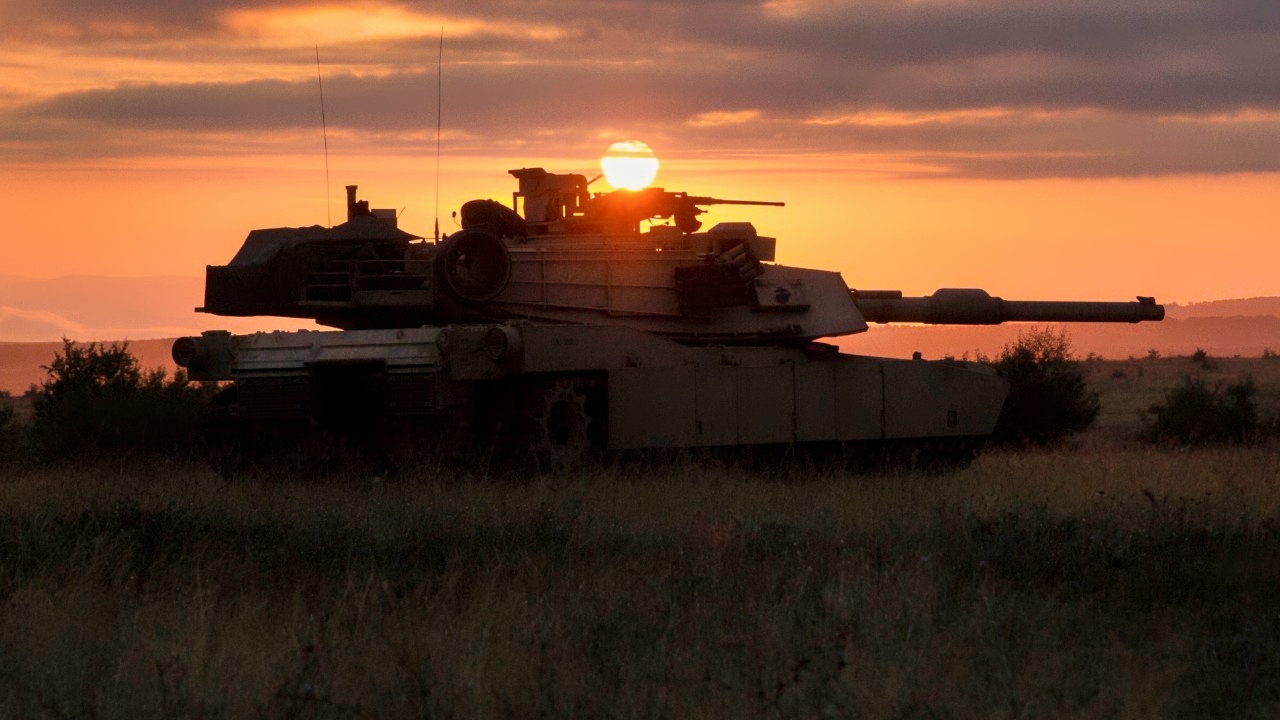
An M1 Abrams main battle tank provides security during the Combined Arms Company field exercise at Novo Selo Training Area, Bulgaria, Sept. 16, 2015. The CAC is a newly formed armor element supporting the Black Sea Rotational Force, which reassures our NATO allies and partners of our commitments and will enhance training exercises and operations with partners in the region. (U.S. Marine Corps photo by Cpl. Justin T. Updegraff/Released)
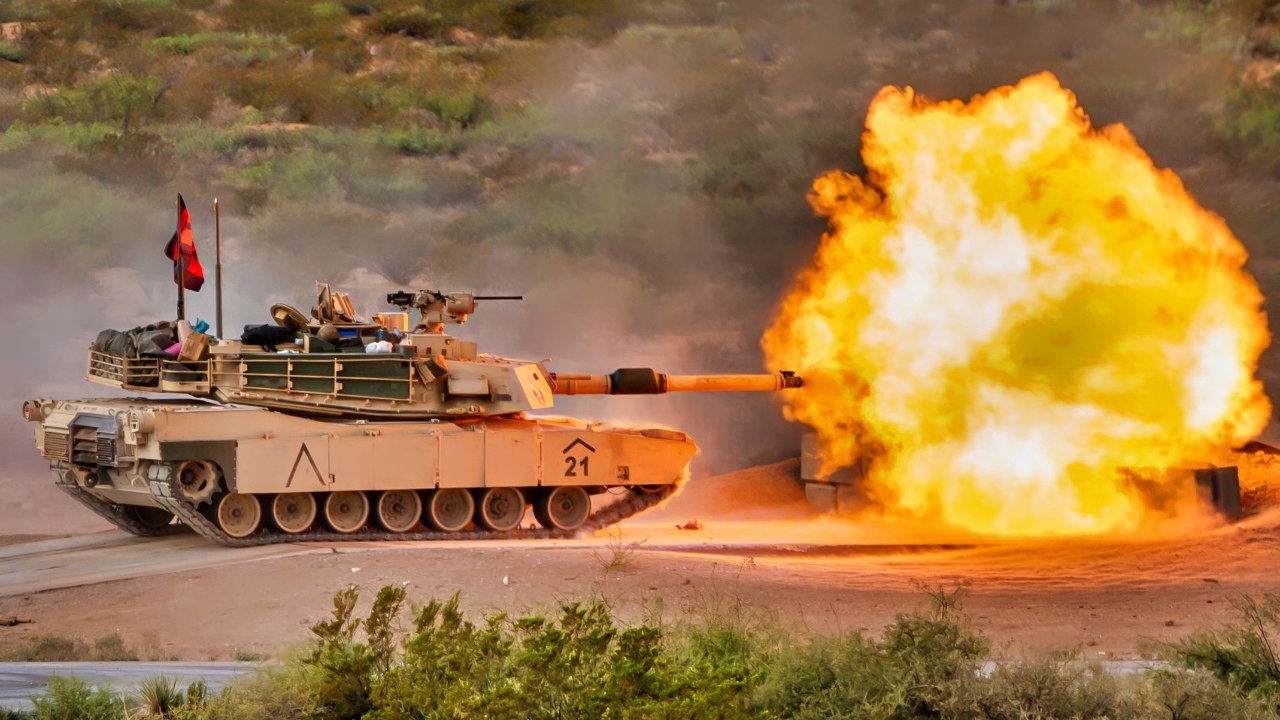
A U.S. Army M1A2 SEPv2 Abrams assigned to Alpha Company, 1st Battalion, 67th Armor Regiment, 3rd Brigade Combat Team, 1st Armored Division fires at a target before quickly disengaging into a defilade to load a new round at McGregor Range, New Mexico, Sept. 29, 2023. Alpha Co. executed Gunnery Table VI, which evaluates crews on engaging stationary and moving targets while utilizing all weapons systems in offensive and defensive positions, ensuring our crews are trained and ready for any mission. (U.S. Army photo by Spc. David Poleski)
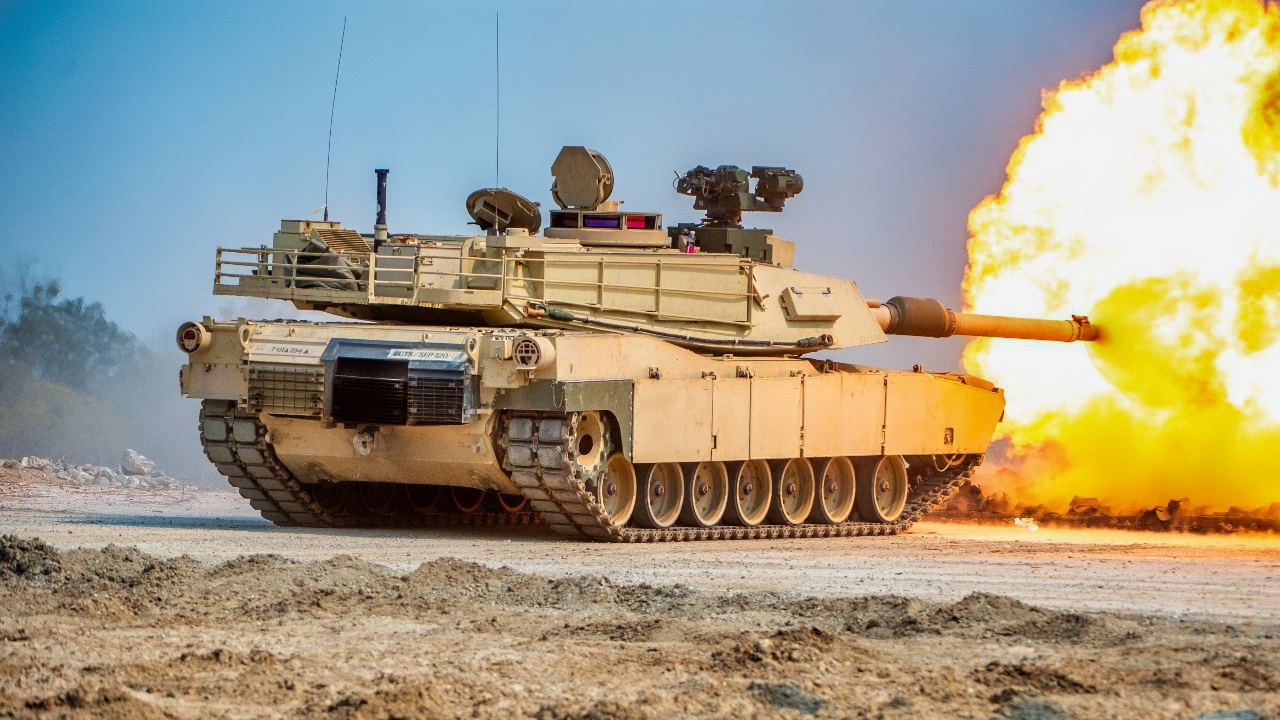
FORT MOORE , Ga. Maneuver Center of Excellence hosts the 2024 Armor Week media day on Harmony Church Mar. 14, 2024. The event featured live-fire demonstrations with the M1 Abrams Main Battle Tank, and an opportunity to get up close and hands-on with M1 Abrams and M2 Bradley Fighting Vehicle. Armor Week, April 29 to May 3, and the 2024 Sullivan Cup competition requires mastery of individual tasks, technical and tactical competence, and the ability to demonstrate an array of maneuver, sustainment, and gunnery skills. The competition focuses primarily on the performance of the Soldiers functioning as a crew. (U.S. Army photo by Patrick A. Albright)
For the first three years of this war – particularly after a much-anticipated 2023 counteroffensive failed to produce any dramatic change in the battlefield situation – those of us who lived for many years in Ukraine were subjected to an endless litany of how the country’s cause was hopeless.
“The Ukrainians can’t win,” was the most common one. “The Russians have more people, more territory, more resources – they outnumber the Ukrainians by too great a factor.” Then there was the constant drumbeat of “the killing has to stop. It just has to, no matter what.” As if the Ukrainians agreeing to an unconditional surrender would somehow make the world a magical place.
And rounding out the narrative was “this will end up with the Ukrainians having to just give up the territory.” The same territory that the Russians have now turned many areas into a moonscape of burned-out buildings, along with blackened and barren forested areas where one never hears the sound of birds singing.
We have a name for the people who have constantly been beating this drum since Russian armor rolled across the border of Ukraine in February 2022. They are called “bean counters.” If you believe their logic in determining the outcome of military conflicts, the French army in 1940 should have mopped the floor with the Wehrmacht and put Hitler behind bars – but as we all know, it did not quite turn out that way.
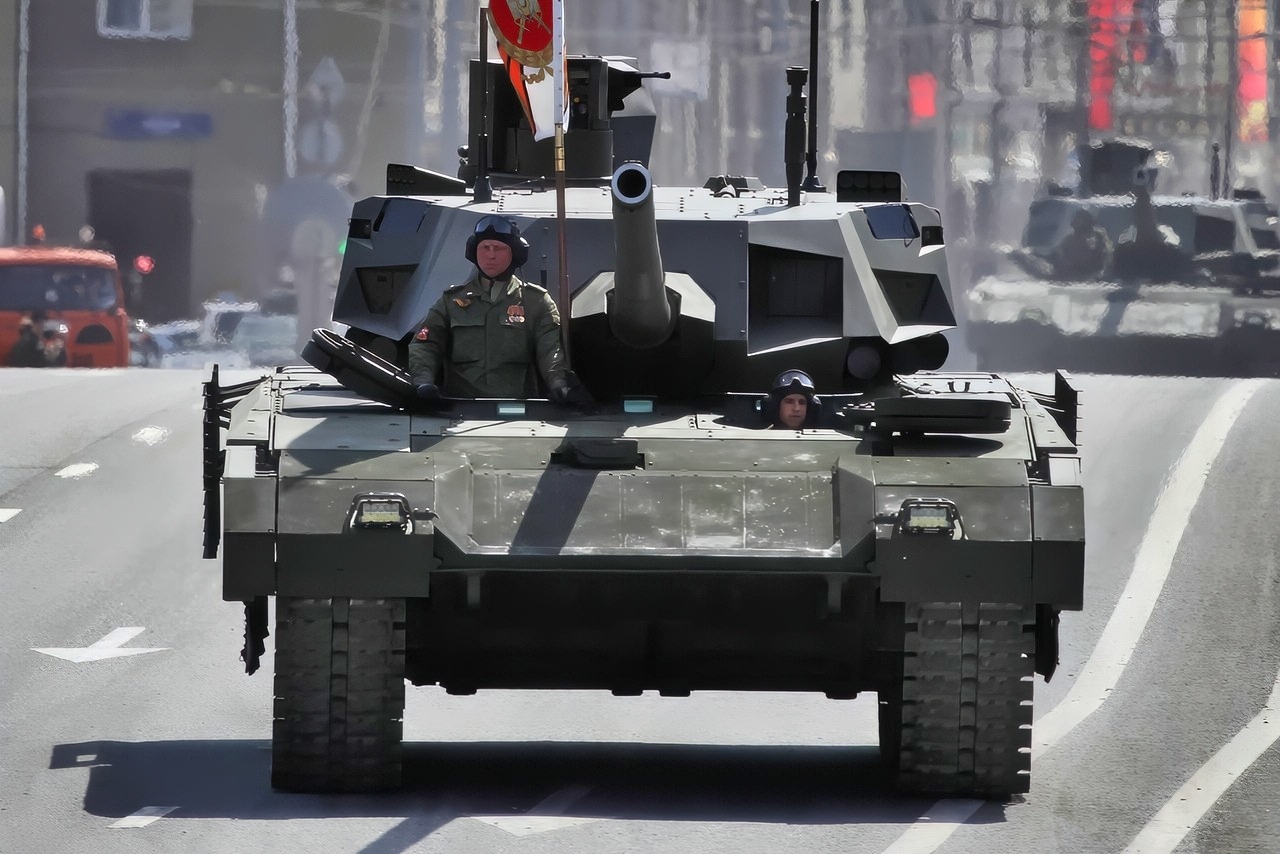
T-14 Armata Tank from Russia. Image Credit: Creative Commons.
As one of my retired military intelligence colleagues is fond of saying, “conventional wisdom isn’t.”
The Shifting Mood – And Narrative
How Ukraine “turned the tide” has become the theme of more than one article these days, and it is no longer the output of talk radio, pro-Ukraine websites, and Putin-haters like myself.
None other than the sober and judicious Council on Foreign Relations blue-ribbon journal, Foreign Affairs, has an article running on 1 June that discusses the how and why of the change in the war’s likely outcome.
The author, Jack Watling of London’s Royal United Service Institute (RUSI), describes the degree to which June 2026 is a complete turnaround from previous years of the conflict.
“Ukrainian troops in their dugouts along the front are once again seeing the steady rise of Russian strikes and attempted infiltrations. The mood among Ukrainian commanders, however, has changed,” he writes.
“Russian attacks are putting less pressure on their units than they did in previous years. Although drone strikes and shelling remain constant, Russian combat performance is waning. In Kyiv, there is a growing optimism that Ukraine can fight Russia to a cease-fire.”
As Watling points out, the change in the war’s disposition is “not the result of a radical transformation of how the war is being fought but rather stems from a subtle turn in several trends that together point to a major change in the war’s trajectory.”
Russia Falling
The reality is that Russia’s reliance on primitive tactics that amount to sending massive “meat assaults” with 80 percent or higher attrition rates has proven to be increasingly ineffective.
Consequently, Russia “is no longer on an inexorable path to achieving even its minimal military objective of securing the Donbas,” says Watling.
“As Ukraine manages to make gains along the frontline and frustrates Russian offensives, and as the Russian military increasingly feels the strain of the war and the deterioration of its combat power, what has long seemed so implausible has become more likely. Kyiv and its partners could convince Moscow that a cease-fire is its best option,” he concludes.
Andriy Biletsky, a senior Ukrainian commander, told Reuters on Wednesday that “the next six to nine months are a turning point.” Biletsky, who commands Ukraine’s elite Third Army Corps, told the agency he believes “Moscow’s forces are exhausted and unable to make any significant battle wins.”
“The lack of personnel no longer allows them to advance the way they did, for example, a year ago,” Biletsky told Reuters.
So much for the “Ukraine cannot win” conventional wisdom.
About the Author: Reuben F. Johnson
Reuben F. Johnson has thirty-six years of experience analyzing and reporting on foreign weapons systems, defense technologies, and international arms export policy. Johnson is the Director of Research at the Casimir Pulaski Foundation. He is also a survivor of the Russian invasion of Ukraine in February 2022. He worked for years in the American defense industry as a foreign technology analyst and later as a consultant for the U.S. Department of Defense, the Departments of the Navy and Air Force, and the governments of the United Kingdom and Australia. In 2022-2023, he won two awards in a row for his defense reporting. He holds a bachelor’s degree from DePauw University and a master’s degree from Miami University in Ohio, specializing in Soviet and Russian studies. He lives in Warsaw.


