

Summary and Key Points: With Iran’s blockade choking the Strait of Hormuz, America has quietly become the world’s oil backstop — shipping record crude to Asia to replace what’s no longer getting through. It’s an impressive show of U.S. energy muscle, and it’s keeping the crisis from spiraling. But there’s a catch buried in the numbers: much of that oil is coming straight out of America’s strategic reserve, the nation’s emergency stockpile. The U.S. can keep filling the gap — but not forever.
The Iran War and the Coming Oil Crisis?

The Air Force’s newest fighter, the F-15EX Eagle II, was revealed and named during a ceremony April 7 at Eglin Air Force Base, Fla. The aircraft will be the first Air Force aircraft to be tested and fielded from beginning to end, through combined developmental and operational tests. (U.S. Air Force photo/Samuel King Jr.)
As Asia faces an oil crisis caused by ongoing disruptions to commercial traffic in the Strait of Hormuz, the United States is shipping more crude oil to the continent than ever before to compensate for the loss. And the numbers are staggering.
According to shipping and commodities data compiled by Kpler, Asian countries imported approximately 63.6 million barrels of U.S. crude during May – the highest monthly total on record. The increase comes as governments and refiners across Asia scramble to replace lost oil supplies after Iran effectively shut down most traffic through the Strait of Hormuz following the outbreak of the war in February.
The figures are a sign of a growing problem facing global energy markets – and while the U.S. is capable of offsetting those losses for the time being, it can’t do it forever. While the U.S. may be able to produce the oil Asian markets need, it is not perfectly suited to refineries in Asia that were designed to process medium and heavy Middle Eastern crude, and production can only increase if demand remains consistent over long periods.
U.S. Exports Reach Record Levels
According to Kpler, Asia imported roughly 2.05 million barrels per day of U.S. crude during May. Even more oil is already en route, with arrivals projected to reach around 2.3 million barrels per day in June and more than 3 million barrels per day in July. That’s a dramatic increase compared to before the conflict began, when, during the three months leading up to February, Asia imported an average of roughly 1.37 million barrels per day of American crude.
Much of the additional American oil is now heading to major refining centers in China, India, South Korea, and other large energy-consuming economies. The increased flow from the U.S. – much of it coming from the strategic reserve – is a sign of just how bad the Strait of Hormuz crisis is becoming, and an indication of how much worse things can get once the strategic reserve is depleted.
The U.S. can keep making up the difference, but it cannot do so on an ever-larger scale.
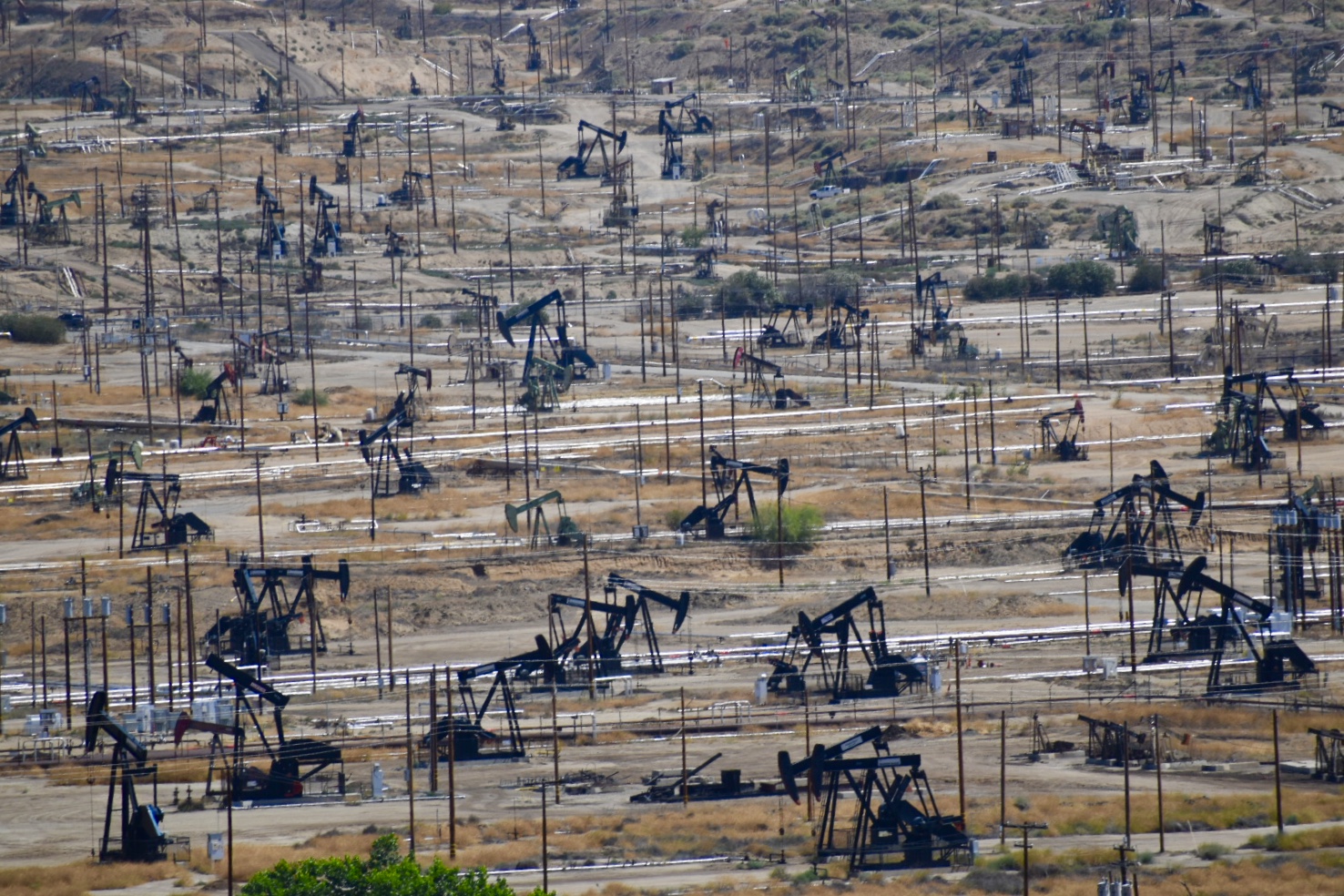
Oil fields. Image Credit: Creative Commons.
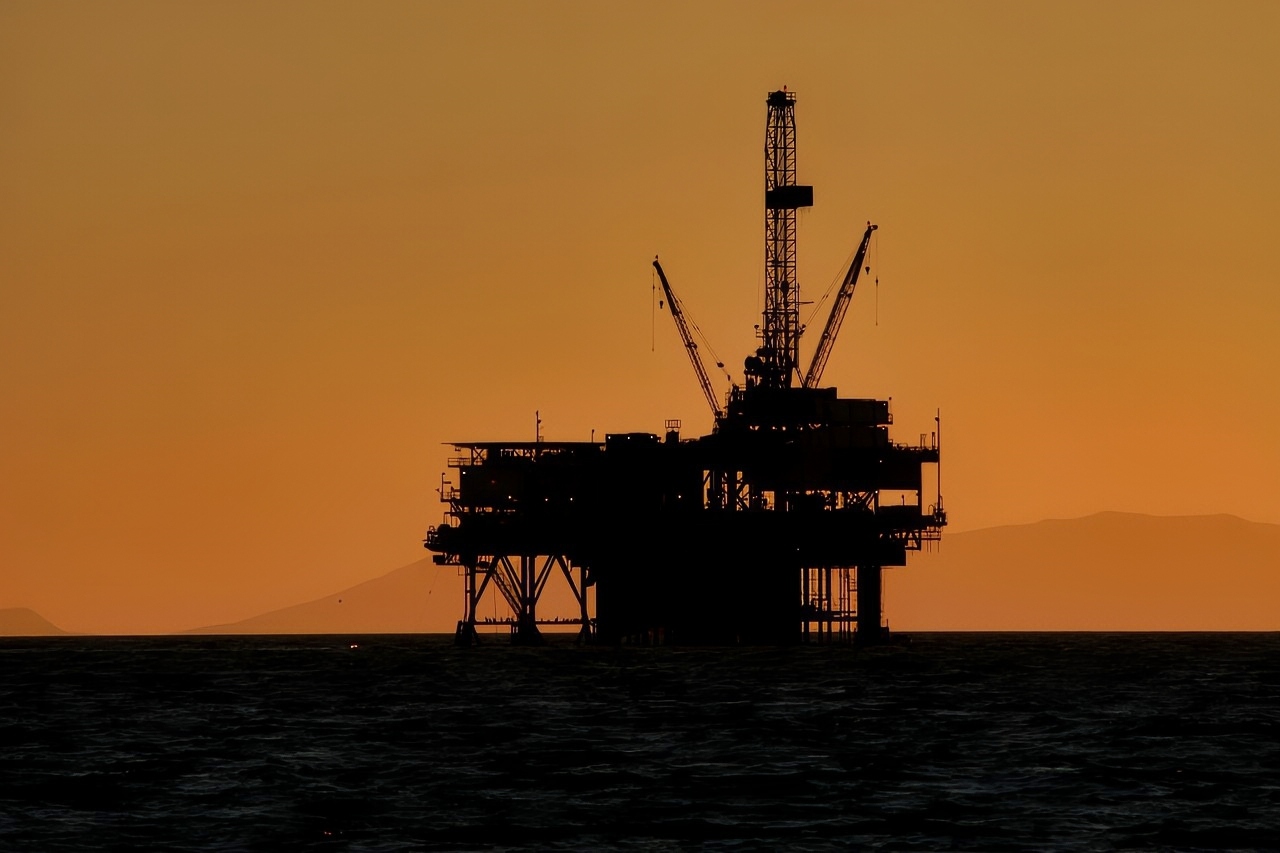
Oil Platform. Image Credit: Creative Commons.
The Hormuz Shortfall Is Enormous
Before the conflict, roughly one-fifth of the world’s oil and refined petroleum products moved through the Strait of Hormuz every day. The waterway connects the Persian Gulf to global markets and serves as the primary export route for Saudi Arabia, Iraq, the United Arab Emirates, Qatar, and Iran itself. And although some Gulf states have managed to reroute portions of their exports through alternative routes and ports outside the strait, the overall loss remains substantial. And there is no way to easily replace it.
According to vessel-tracking data compiled by Kpler, only about 1.2 million barrels per day of crude oil reached Asia through the Strait of Hormuz during May. That’s a dramatic decline from the levels prior, when the Strait of Hormuz carried about 20 million barrels per day of oil and petroleum liquids, with roughly 84% of crude passing through the strait headed to Asian markets. That’s somewhere around 16 million barrels per day.
The Coming Supply Crunch
A growing number of analysts are publicly warning that the world is moving towards an oil crisis – and Asia is particularly exposed. The immediate problem is not a lack of oil in the ground, but the inability to move sufficient quantities of that oil to the locations where it is needed – and to move specific qualities of oil to refineries prepared to process them.
If Hormuz remains closed through the summer, refiners may eventually have little choice but to reduce throughput even further. The result of that would be a tighter supply of gasoline, diesel, jet fuel, and petrochemical stocks – all of which will result in rising transportation costs, and therefore increased food prices. Inflation more generally will also begin to skyrocket.
Historically, energy markets balance these shortages in exactly this way. Price increases are necessary to force customers and businesses to use less fuel.
The countries most vulnerable to a scenario like this are those with limited domestic energy supply and production, as well as fewer financial resources to compete for available cargoes. Richer countries with domestic supply will fare better but will still experience overall price increases. Smaller economies with little to no domestic supplies will struggle. Import-dependent economies like Pakistan and Bangladesh would face extreme pressure.
Hope For Peace Keeps Markets Calm
For now, global markets appear to be betting that the crisis will not last indefinitely.
On June 2, Brent crude was trading at around $95 per barrel – far below some of the most worrying recent estimates – and West Texas Intermediate at roughly $92.
Those figures are surprising given the continued disruption in the Strait of Hormuz, but the markets appear to have been buoyed by President Donald Trump’s announcement that negotiations with Iran are ongoing despite claims on Monday that indirect communications had ceased.
That optimism may ultimately prove premature. Current oil prices reflect expectations that some form of agreement will eventually reopen the Strait of Hormuz and restore normal shipping flows, but as time passes and no deal is reached, prices will continue to trend upwards.
About the Author: Jack Buckby
Jack Buckby is a British researcher and analyst specializing in defense and national security, based in New York. His work focuses on military capability, procurement, and strategic competition, producing and editing analysis for policy and defense audiences. He brings extensive editorial experience, with a career output spanning over 1,000 articles at 19FortyFive and National Security Journal, and has previously authored books and papers on extremism and deradicalization.


Alex FITCH
June 2, 2026 at 5:29 pm
This is incredible . . . we are shipping our Strategic Petroleum Preserve to Asian markets, many or most of which are not helping put Iran down and solve the Hormuz Strait problem ?
ZCKS
June 2, 2026 at 6:52 pm
Domestic Oil production should be a national security matter.
Exporting domestic production shouldn’t frankly be allowed unless we are producing far more then we can use ourselves & even then only what we are not using should be allowed to be exported.