
Under growing pressure from Ukrainian drone strikes on its own territory, Russia launched one of its largest air attacks against Ukraine overnight on June 2. Reports described how Russian forces launched 656 drones and 73 missiles at targets across the country, with officials claiming that at least 22 were killed and more than 100 were injured. Major strikes were reported in Kyiv, Dnipro, Kharkiv, Poltava, and Zaporizhzhia.
The scale of the attack has drawn a great deal of media attention for obvious reasons. Not only was it an enormous strike, but it also paints a picture of a war moving off the battlefield, with both sides increasingly leaning on drones to conduct long-range strikes. Russia also used some of its most advanced ballistic and hypersonic missiles, which will likely see Ukraine respond by continuing its push for deliveries of more Patriot interceptor missiles from its Western allies.

Iskander-M. Image Credit: Creative Commons.
Russia’s Latest Large-Scale Attack
Russia launched a total of 729 long-range attack weapons during the barrage, including 656 drones and 73 missiles.
Kyiv Mayor Vitali Klitschko said six people were killed in the capital, while regional authorities in Dnipropetrovsk reported at least sixteen fatalities.
Over one hundred people were injured across the country, including children, after residential buildings and civilian infrastructure were targeted in the strikes, and several public facilities were damaged across major cities.
The attack came after days of warnings from Russia that Ukraine would face retaliation for its recent drone strikes that hit targets deep inside Russian territory. Moscow claimed the recent barrages targeted its military and defense-industrial sites, though Kyiv said that civilian areas took the brunt of the damage.
The Weapons Russia Used
According to open-source intelligence, among the weapons used in the strikes were 8 3M22 Zircon anti-ship missiles, 33 Iskander-M ballistic missiles, 27 Kh-101 cruise missiles, 5 Kalibr cruise missiles, and 656 Shahed and other drones.
Out of the weapons used, the Zircon hypersonic missiles and Iskander-M ballistic missiles are by far the most significant. Neither weapon is new to the war, but the scale of their use is relevant here because the Zircon is among Russia’s most advanced missiles – and every missile used is a missile lost.

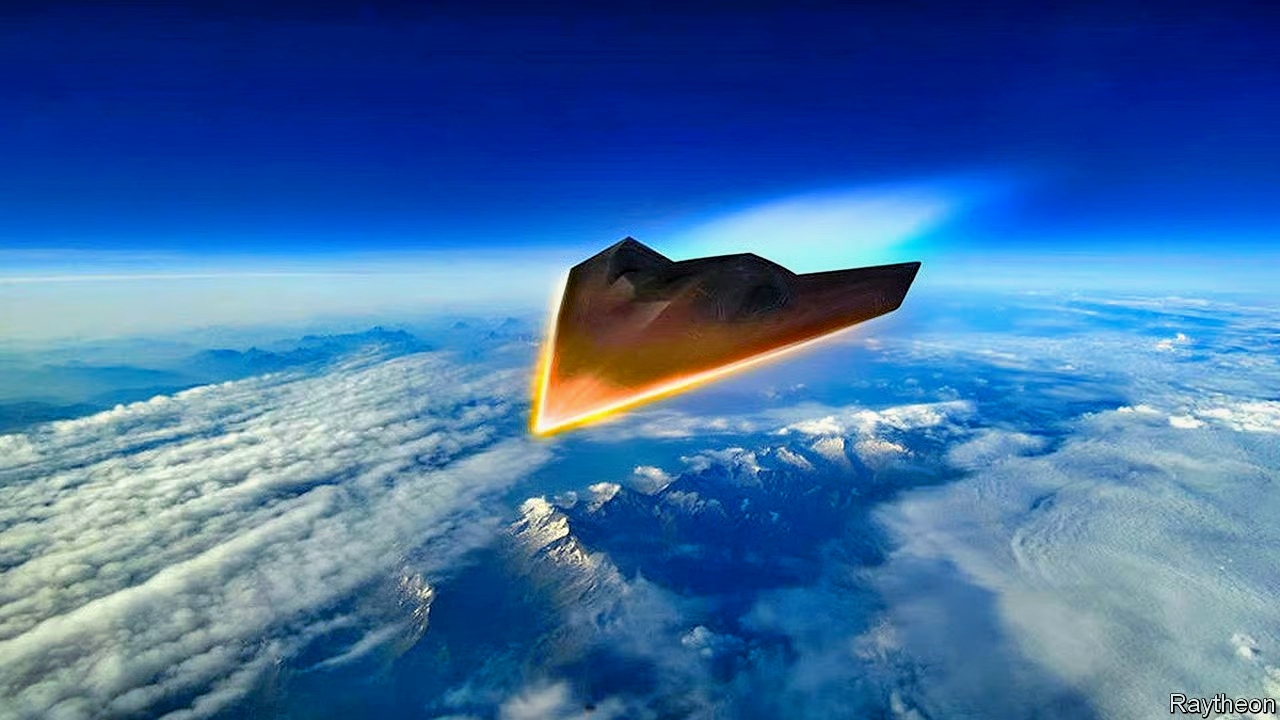
Typhon Hypersonic Missile. Image Credit: YouTube Screenshot.
Originally designed as a naval anti-ship weapon, the Zircon is reportedly capable of traveling at speeds of up to Mach 8-9 and can strike targets hundreds of miles away. Each missile is believed to cost several million dollars. The Iskander-M, meanwhile, is a short-range ballistic missile capable of reaching speeds above Mach 6 and can carry both conventional and nuclear warheads.
Both missiles are very difficult to intercept. Reports indicate that Ukraine shot down 11 of the 33 Iskanders launched and none of the Zircons. Ukrainian defenses did, however, shoot down almost all of the slower Kh-101 missiles and the vast majority of drones. The attacks suggest that Russia is now relying on its most advanced missile inventory to penetrate Ukrainian air defenses and ensure damage is caused. The strategy also forces Ukraine to expend scarce Patriot interceptor missiles.
Why Russia Is Using Long-Range Missiles
The most recent strikes are a clear indication that the war is evolving. Moscow continues its offensive operations along the frontline, but in recent months has seen a growing use of long-range missiles and drone strikes to place pressure on Ukraine far from the battlefield.
The latest barrage of hundreds of weapons indicates that Russia is not only looking to inflict damage, but to overwhelm Ukrainian air defenses by forcing defenders to respond to dozens of simultaneous threats. Even when most of the incoming weapons are intercepted, the cost of doing so can be high – not necessarily monetarily, but in terms of Ukraine’s stockpile.

Tu-95. Image Credit: Creative Commons.
Ukraine has a finite number of Western-supplied interceptors, and while Russia may be losing its own missiles in the attacks, they are at least inflicting damage and ensuring Ukraine is forced to expend its own.
Russia has rarely used its most advanced weapons in these numbers.
Ukraine Hits Back
Early Wednesday morning, Ukraine launched hundreds of drones at Russian targets, repeating strikes that prompted the latest round of Russian strikes, hitting St. Petersburg. The strikes occurred ahead of the International Economic Forum, an event often described as “Putin’s Davos.”
In an X post, Ukrainian President Volodymyr Zelenskyy confirmed the strikes, noting that “important facilities on Russian territory were hit last night.”
“Ukraine’s plan for long-range sanctions is being implemented exactly as needed to bring peace closer,” he continued.
Can Kyiv Keep Up?
Ukraine relies on a combination of Patriots, IRIS-T, NASAMS, and other Western-supplied air-defense systems to intercept incoming projectiles. Patriot interceptors are the country’s most effective defense against ballistic missiles like the Iskander-M.
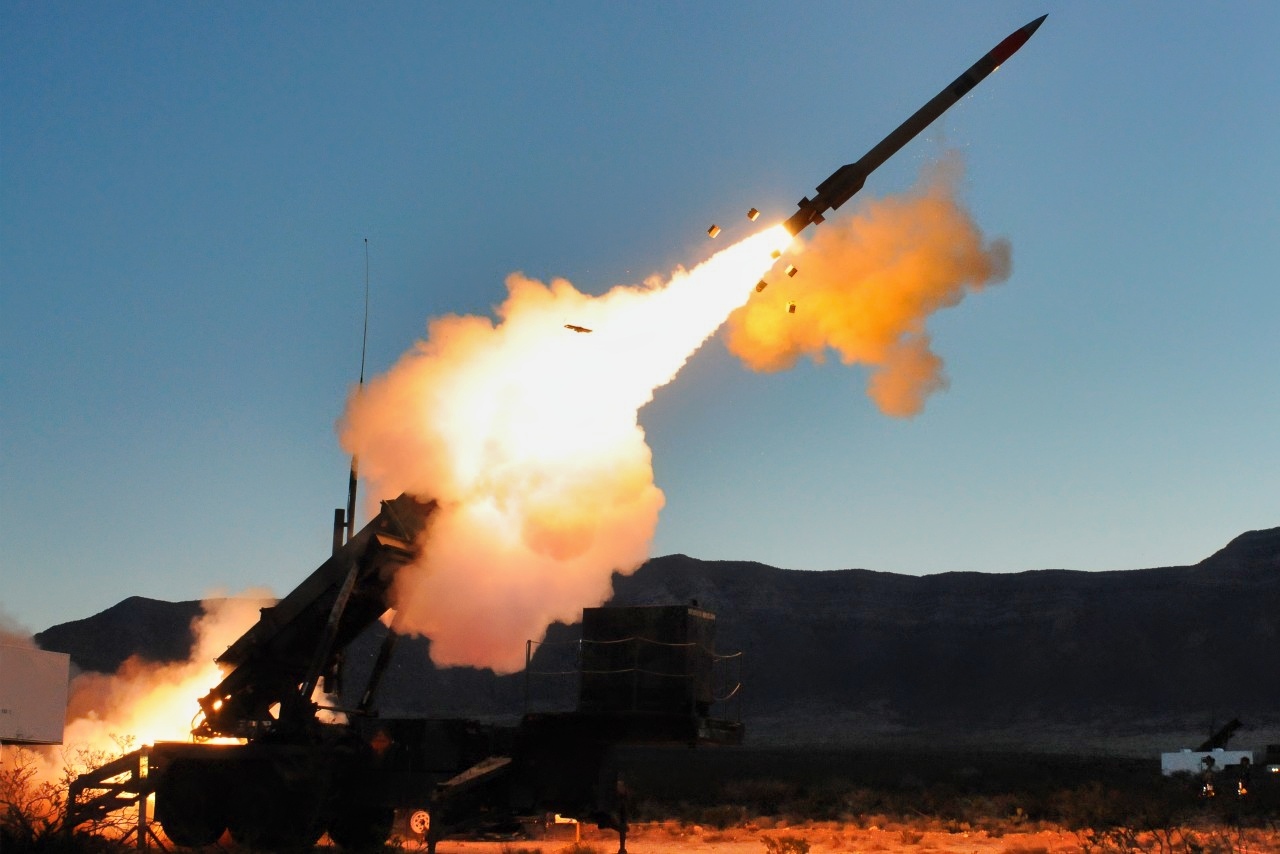
The PAC-3 MSE is a highly sought-after air defense munition due to its advanced capabilities and versatility. As a next-generation interceptor, it offers improved range, speed, and maneuverability, making it an effective counter to a wide range of threats, including tactical ballistic missiles, cruise missiles, and aircraft. (Official U.S. Army photo)
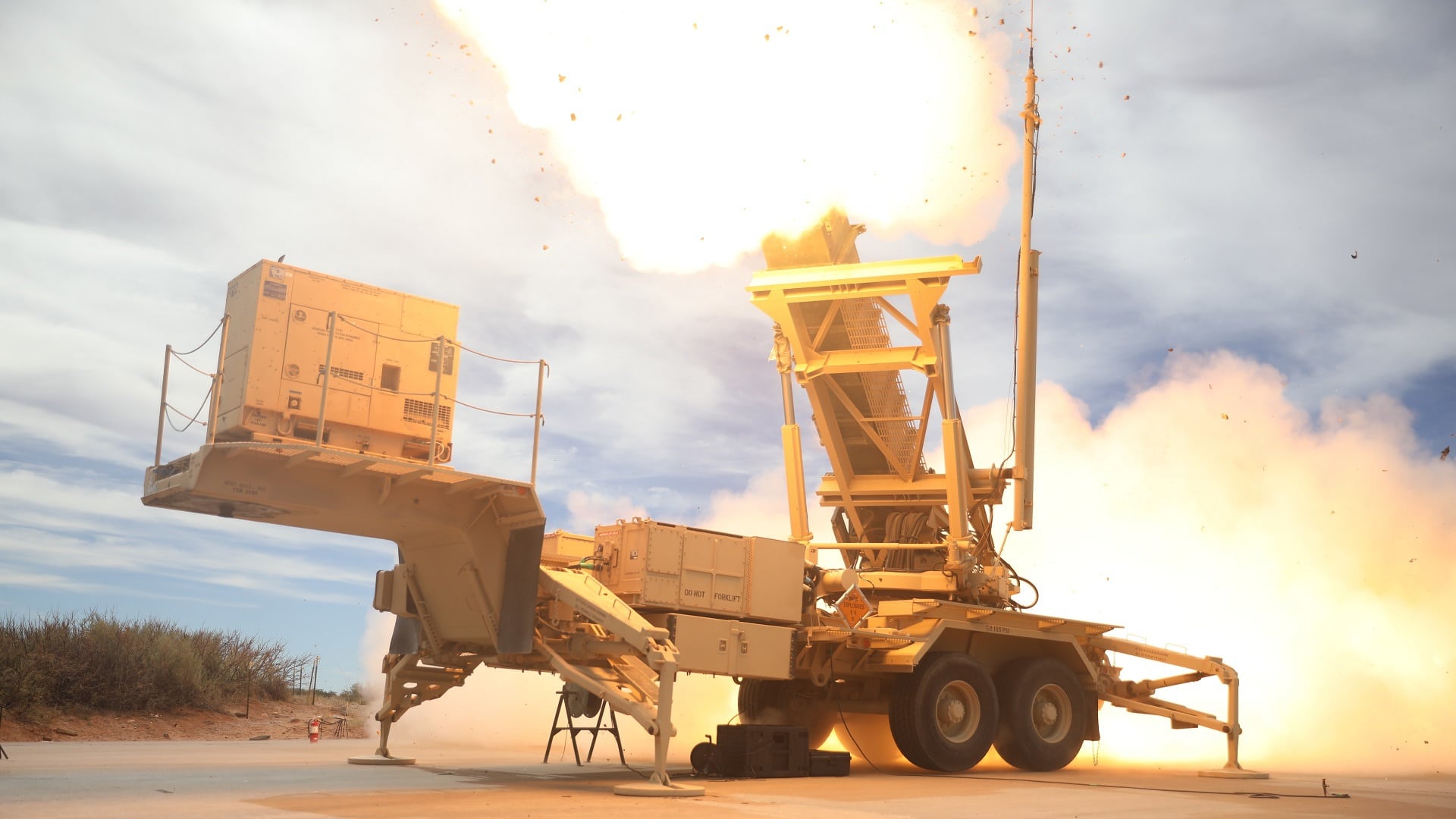
Patriot Missile. Image Credit: Creative Commons.
In late May, President Zelenskyy appealed directly to President Donald Trump and members of Congress for additional Patriot systems and PAC-3 interceptor missiles, warning that Ukraine’s supplies are limited and require constant replenishment – especially as Russia increases its use of advanced missiles.
About the Author: Jack Buckby
Jack Buckby is a British researcher and analyst specializing in defense and national security, based in New York. His work focuses on military capability, procurement, and strategic competition, producing and editing analysis for policy and defense audiences. He brings extensive editorial experience, with a career output spanning over 1,000 articles at 19FortyFive and National Security Journal, and has previously authored books and papers on extremism and deradicalization.


