

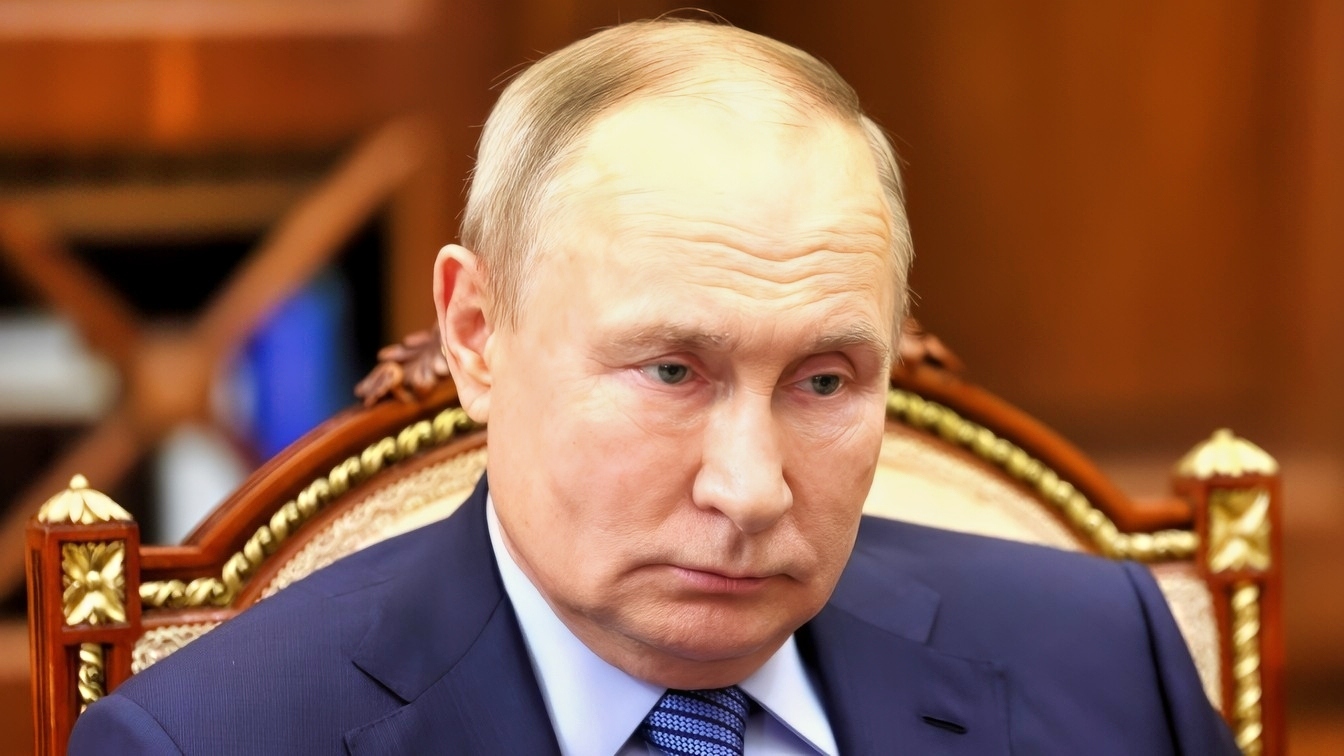
Vladimir Putin has a major problem, and it has to do with the availability of oil and gasoline.
The Ukrainians have come up with a stunningly effective tactic – hit Russia’s energy infrastructure with long-range loitering munitions that have crushed refineries and other fuel processing facilities.
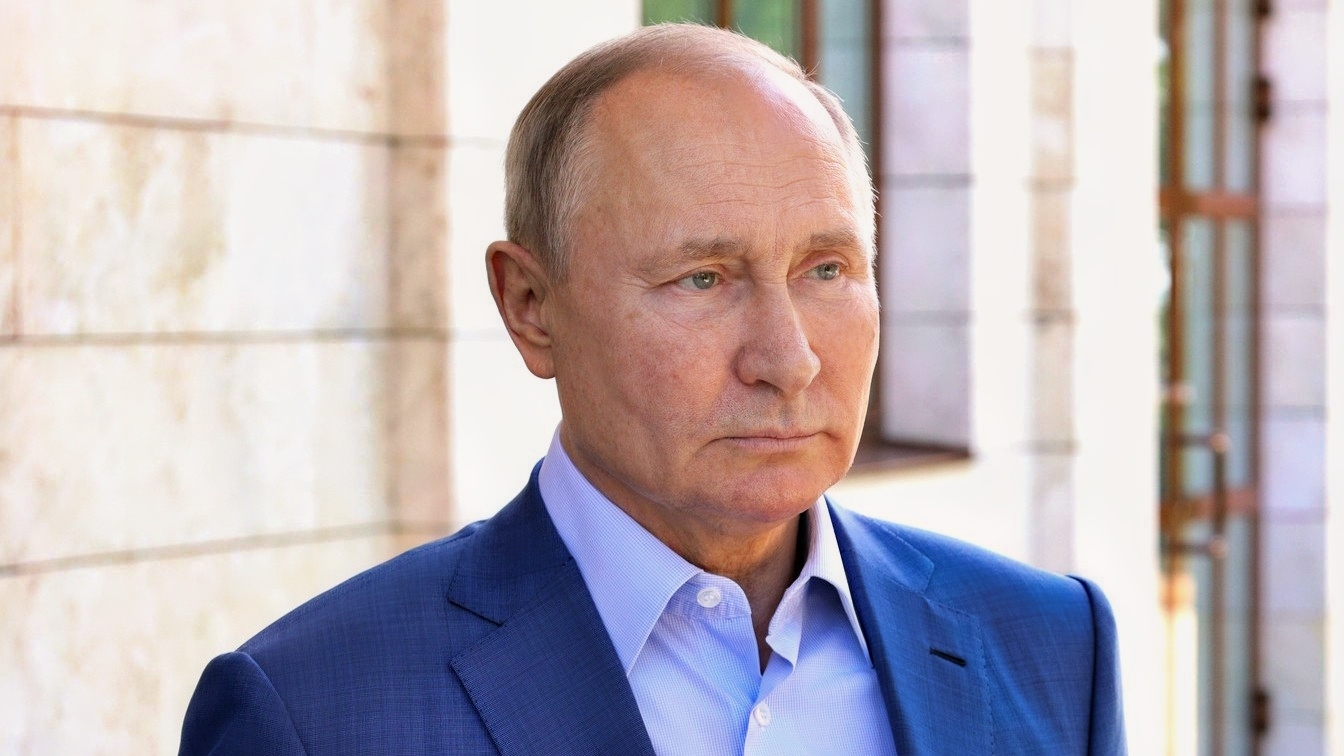
Putin in May of 2021 Russian Federation Photo
This has created pain at the pump for citizens who are not used to paying significant amounts for petrol.
The attacks keep on coming. On August 6, Volodymyr Zelensky’s drone forces flattened two oil refineries that are sure to cause even more supply problems for the Kremlin. The strikes happened at the Bashneft-Novoil refinery in Bashkortostan and the Slavneft-Yanos refinery in the Yaroslavl region, CNBC reported.
Kamikaze Drone Attacks Hurt Badly
The Slavneft-Yanos center is one of the biggest refineries in Russia, and it is located hundreds of miles from the Ukrainian border, which shows the range and effectiveness of Ukrainian unmanned explosive craft.
Russian War Funding Could Be Crimped Too
Zelenskyy said on social media that Ukraine’s long-range destruction had “once again worked to limit Russia’s oil revenues, which it uses to finance the war and the killing of Ukrainians.”
The Slavneft-Yanos refinery, located northeast of Moscow, processes a large volume of crude. This facility has been hit before, but the latest attacks may take it offline indefinitely.
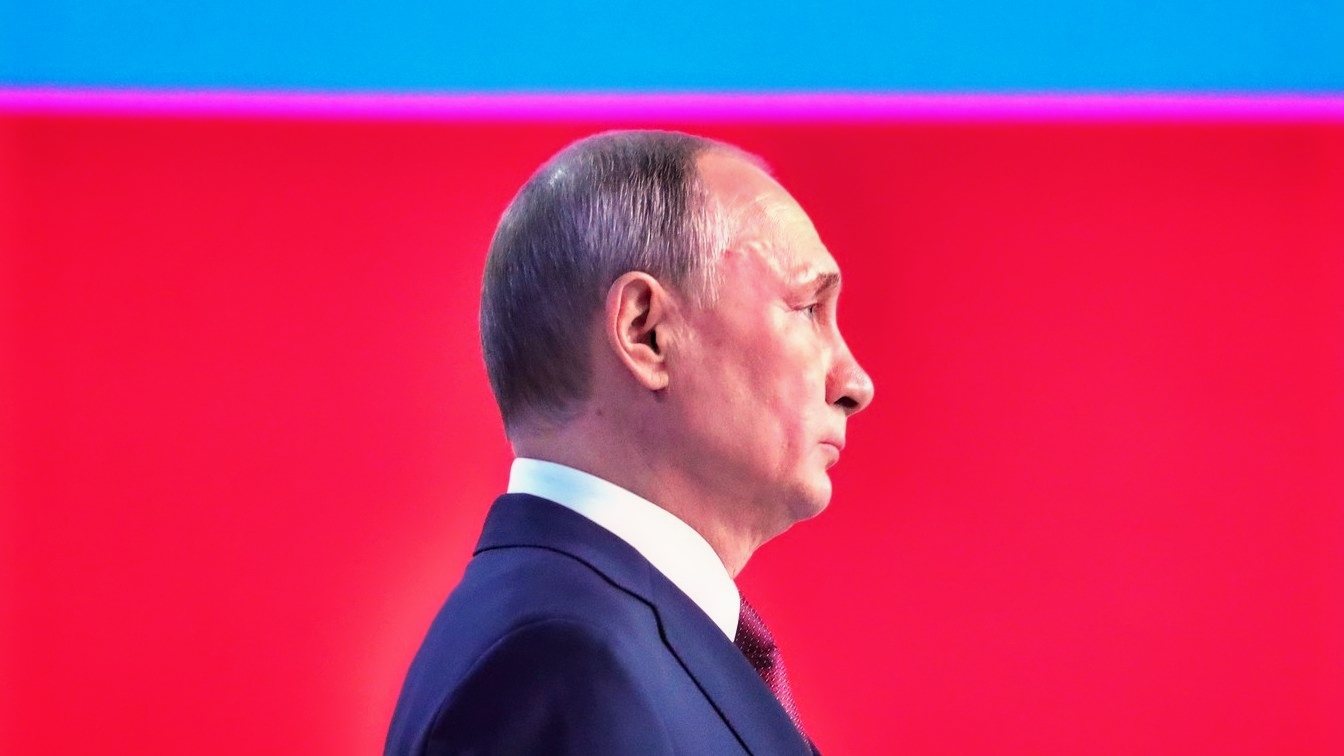
Putin Speaking to Large Crowd in 2019 Russian Federation Photo
Jet Fuel Reduction Could Hurt the Air Force
There are 3,500 people who work there, and it processes approximately 15 million tons of hydrocarbons each year. The fuel produced is for jet fuel, which is a big hit to the war effort. Gasoline for autos is also “cracked” down from the original heavy crude.
No one died in the latest attacks on the refineries, but four people were wounded.
Russia said it destroyed the diving drones, but material from the exploding unmanned systems created shrapnel that hit the energy infrastructure.
There Is No Way the Air Defense Network Can Protect the Entire Country
The strikes on Russia’s refineries are an Achilles’ heel. The military is not able to divert surface-to-air missile (SAM) systems to protect these facilities. Drone attacks have also targeted Russia and St. Petersburg, and nuclear weapons sites must also be protected with missile defense systems. Russia just doesn’t have enough air defenders to cover such a huge country.
Zelensky hopes to continue the attacks on the crude processing locations, and if Russia sends more SAMs to protect the sites, then the country will leave other areas open for attacks.
Gas Is Difficult to Buy
Russian citizens are hopping mad while waiting in long gas lines and having to pay more at the pump. There are reports of fistfights in the queues.
The government said that more fuel would be delivered to gas stations, but the latest strikes will crimp supplies and send prices spiking again.
Hit Them Again Where It Hurts the Russian Economy
To make ordinary Russians sting even more, the drones have found another weak point.
Kamikaze drones have hit warehouses belonging to e-commerce giant Wildberries. This is the Russian version of Amazon.
Dual-use defense products are sold there too, which upsets some soldiers who cannot find cheap kit, often because their military units do not provide it.
Not to mention that every day, Russians cannot shop as conveniently as they did before the war.
Zelensky Likes What He Sees
Zelensky watches all of this unfold with glee, while Vladimir Putin looks on with frustration. The war has arrived at citizens’ doorsteps.
They feel how much the conflict is costing them.
Ukraine, a global leader in drone technology, has now found the pain point that could allow it to punish people until they force Putin to end the war.
Russia Can Take a Punch
However, the Russians have proven in prior conflicts and acts of terrorism that they can absorb much hardship, and they know that Putin is the only commander-in-chief who can protect them despite the setbacks.
No Reason to Stop
Look for Ukraine to attack these civilian sites even more.
Their drones are plentiful and cheap. Every day means more chances to strike harder.
The Russian oil industry may never recover, and that is just fine with Zelensky, who sees that his unmanned system strategy is more effective than he had dreamed.
We’ll keep watching the demise of the Russian energy industry. Long gas lines may not be the spark in the heart that could end the war, but they are sure to frustrate people in Russia who have never realized that the conflict is more costly than ever.
Putin doesn’t have much of a choice.
He must protect the airspace over the capital and other top-tier cities. Plus, the nuclear weapons sites need a defensive umbrella.
Ukraine is finding weak points in this protective screen, and it is likely to exploit them to the full effect. More gas lines and higher gas prices are sure to come.
This could hurt the morale of the Russian people and create psychological effects on the citizenry that will crimp the war effort even more.
About the Author: Brent M. Eastwood, PhD
Author of now over 3,600 articles on defense issues, Brent M. Eastwood, PhD, is the author of Don’t Turn Your Back On the World: A Conservative Foreign Policy and Humans, Machines, and Data: Future Trends in Warfare, plus two other books. Brent was the founder and CEO of a tech firm that predicted world events using artificial intelligence. He served as a legislative fellow for US Senator Tim Scott and advised the senator on defense and foreign policy issues. He has taught at American University, George Washington University, and George Mason University. Brent is a former US Army Infantry officer. He can be followed on X @BMEastwood.


