

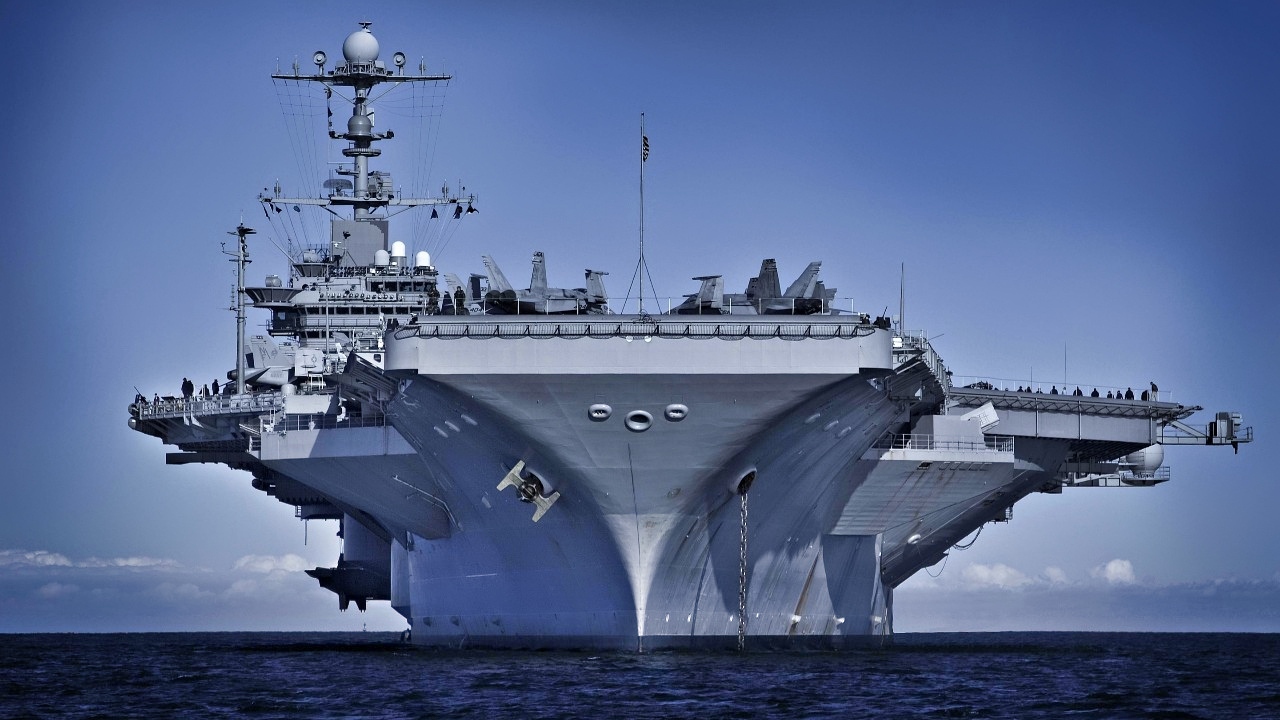
Summary and Key Points: It sounds invented, but it actually flew. In the 1930s, the U.S. Navy built two enormous airships — the Akron and the Macon — that doubled as flying aircraft carriers, each nearly 800 feet long and carrying its own fighter planes. The planes dropped away on a trapeze hook, then hooked back on in mid-flight. The Navy believed these leviathans would change warfare forever. Then they began falling out of the sky — and one crash killed more people than the Hindenburg the world still remembers. What doomed them, and why the idea may be quietly returning, is the strange part.
The Great Flying Aircraft Carrier Failure
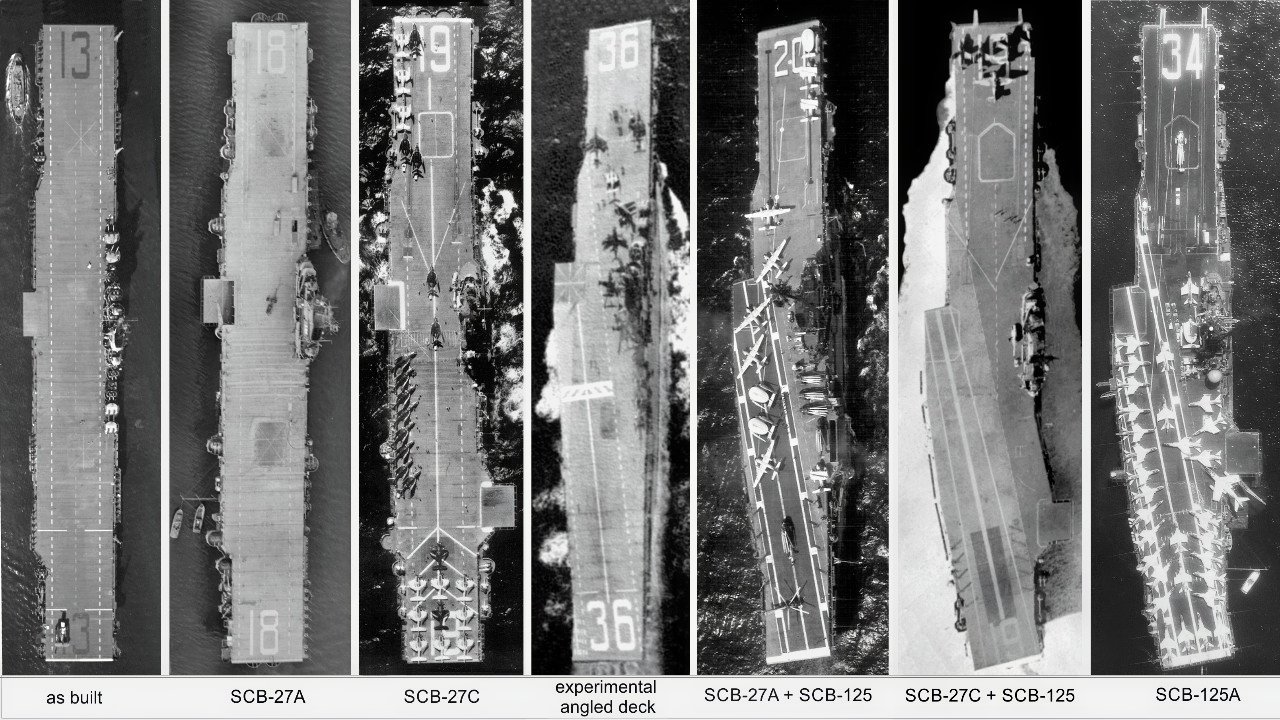
Essex-Class. Image Credit: Creative Commons.
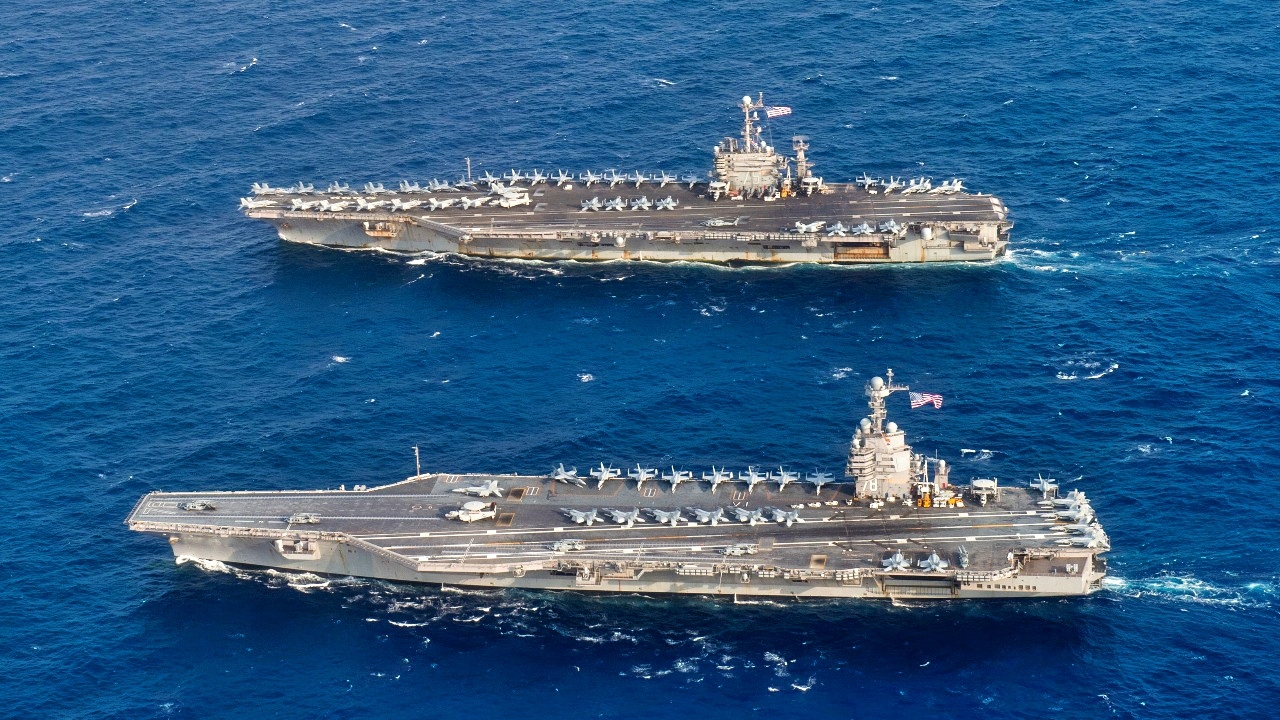
The U.S. Navy Gerald R. Ford–class aircraft carrier USS Gerald R. Ford (CVN-78) and the Nimitz-class aircraft carrier USS Harry S. Truman (CVN-75) underway in the Atlantic Ocean on 4 June 2020, marking the first time a Gerald R. Ford–class and a Nimitz-class aircraft carrier operated together underway.
A flying aircraft carrier? Yes, you heard me right.
In the early 1930s, there was a movement to launch and recover airplanes using what were called “rigid airships.” These were dirigibles like the Hindenburg that floated thousands of feet above the ground. Known as the “lighter than air” program, the two sister airships, the USS Akron and the USS Macon, were designed to carry airplanes, serving as on-water aircraft carriers.
The program didn’t last long, but it was an original concept that, if the U.S. military had proved and developed it further, could have brought more airplanes into the skies over battlefields during World War Two.
More Details About These Airships
The USS Akron was 785 feet long – just shorter than the Hindenburg. It once flew out of the Akron, Ohio, airport in 1931, with 150,000 people watching. There were at least 100 passengers on board, including the Secretary of the Navy.
The airship flew around 1,000 feet high during the four-hour test flight. In 1933, it flew over Panama. The Navy brass was excited and lauded the USS Akron as the lead ship in what would revolutionize military thinking about aircraft carriers at the time. The program actually deployed airships until 1962.
Airships were a big deal in the military starting around World War I. The USS Shenandoah dirigible flew all the way across the United States and then turned around and headed back across the country in 1924. Another airship flew more than 330 flights. Use Them for Reconnaissance
The idea behind the flying aircraft carrier was that airships could also fly ahead of waterborne aircraft carriers to conduct intelligence, surveillance, and reconnaissance missions. The airplanes aboard the airship could even travel farther for reconnaissance operations.
The airship had a hangar, then a large hook dropped to launch and recover the airplanes. The Akron had 60 “sailors” on board and weighed 110 tons. Not all was smooth; two sailors died after a fall when trying to dock the Akron. But the airship continued to cruise, visiting Cuba and Florida. Unfortunately, the Akron was somewhat cursed, and it crashed in 1933 in a tragedy that killed 73 personnel. A massive storm in New Jersey forced it to hit the water hard. Then the Navy focused on the Macon, but that airship had trouble too when an upper fin was torn off by wind shear in 1935, and two sailors died when the Macon sank.
Other Attempts at Flying Aircraft Carriers
Since then, other ideas have entailed aircraft flying from a mothership. After World War II, the Air Force wanted to fly a small jet out of a bomber, but the branch later gave up on that idea. In 2019, DARPA had a drone program in which the unmanned craft could be launched and recovered out of a C-130.
The flying aircraft carrier will probably never come to fruition. Now, autonomous drones can fly on their own. There is the “Loyal Wingman” concept, in which unmanned vehicles are tethered to 5th- and 6th-generation aircraft such as the F-35 and the Next-Generation Air Dominance fighter. The Air Force calls these drones Collaborative Combat Aircraft. This concept will likely be developed further in the coming years.
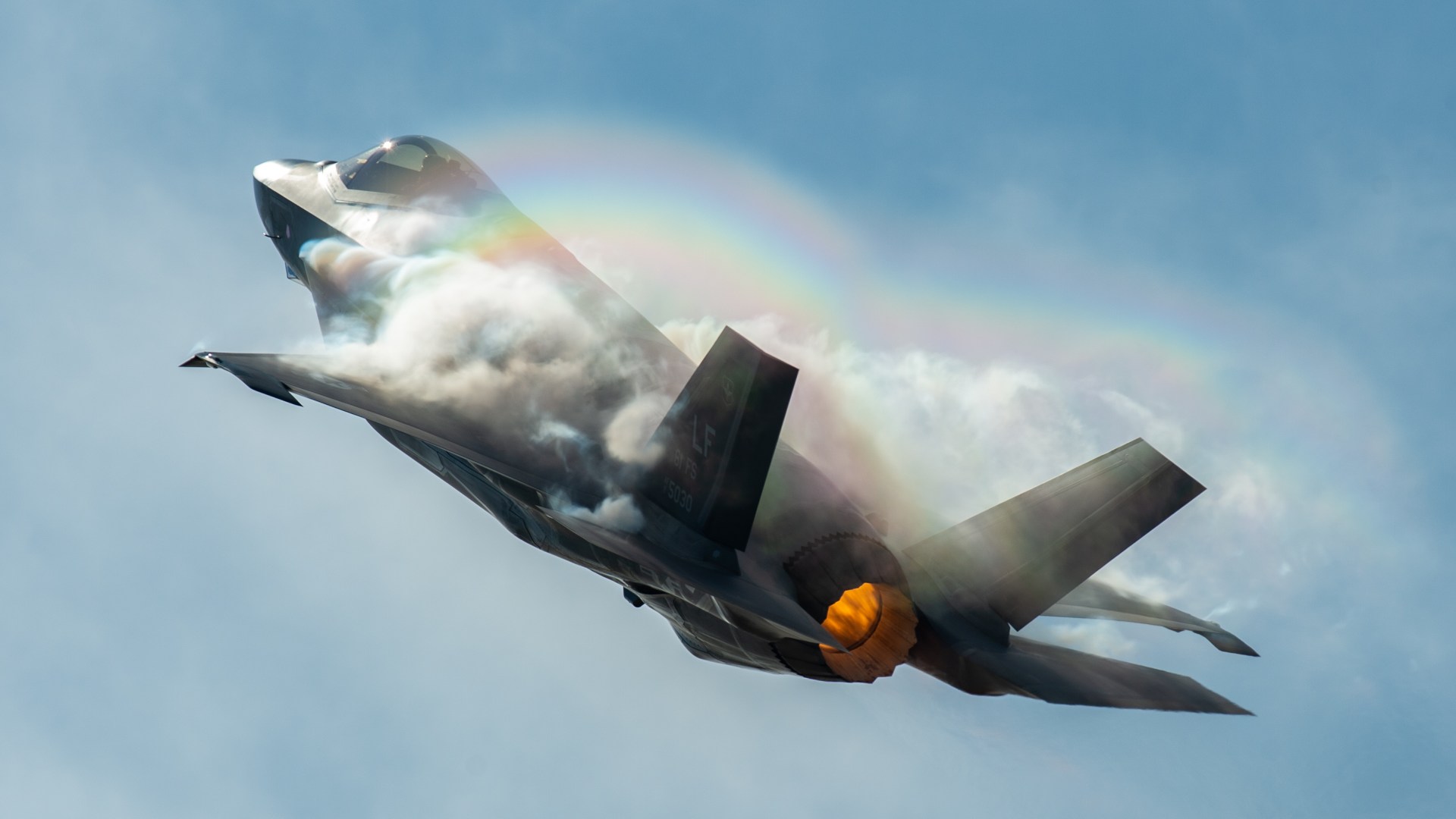
Capt. Andrew “Dojo” Olson, F-35 Heritage Flight Team pilot and commander performs a vertical climb in an F-35A Lightning II during the Bell Fort Worth Alliance Air Show Oct. 14, 2018, in Fort Worth, Texas. The F-35A Lightning II’s F-135 single-engine contains 43,000 pounds of thrust. (U.S. Air Force photo by Senior Airman Alexander Cook)
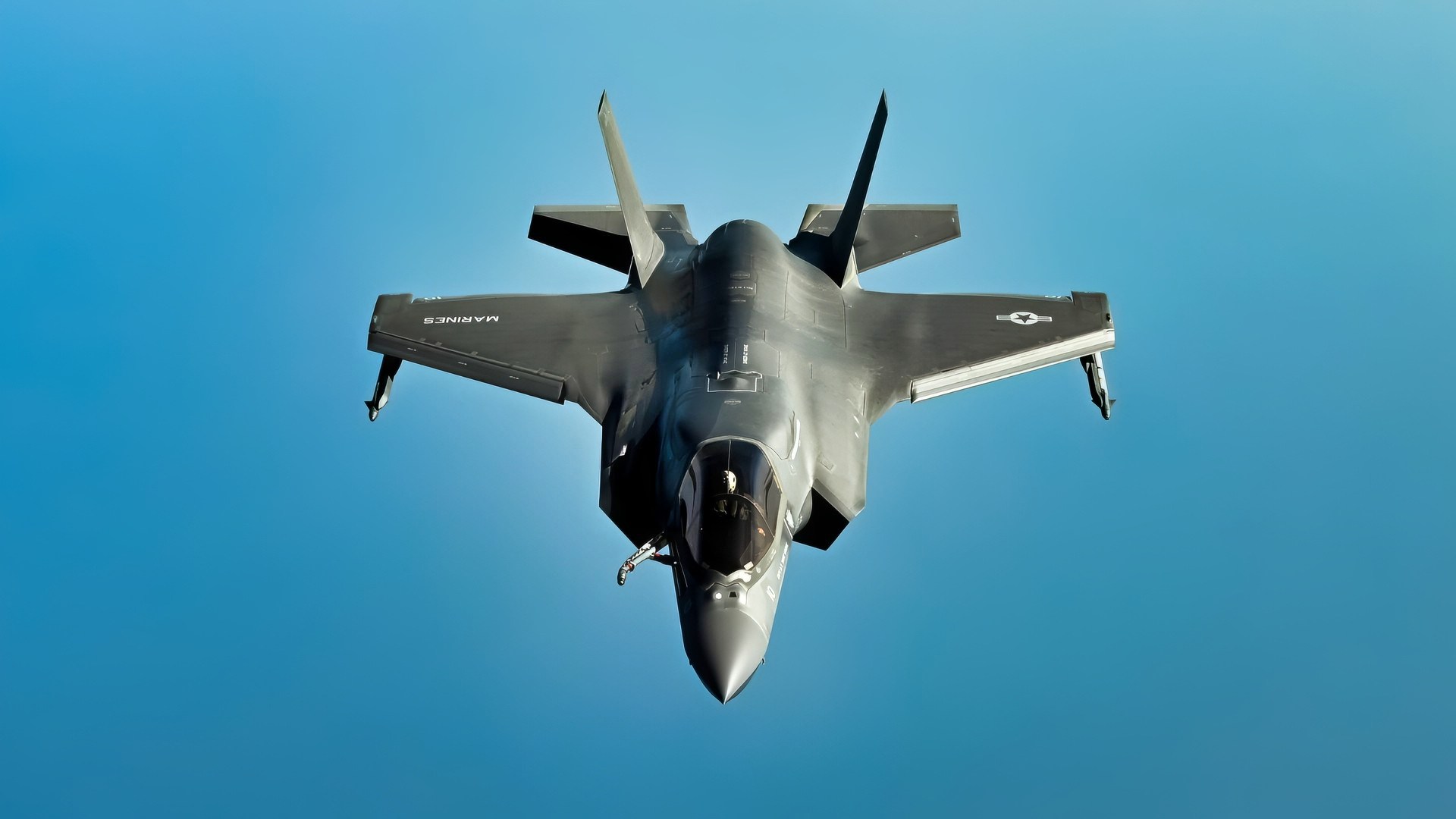
A U.S. Marine Corps F-35B Lightning II resumes a combat air patrol after aerial refueling with a U.S. Air Force KC-135 Stratotanker over the U.S. Central Command area of responsibility, Sept. 19, 2025. More than a fighter jet, the F-35’s ability to collect, analyze and share data, is a powerful force multiplier that enhances all airborne, surface and ground-based assets in the battlespace. (U.S. Air Force photo by Senior Airman Keegan Putman)
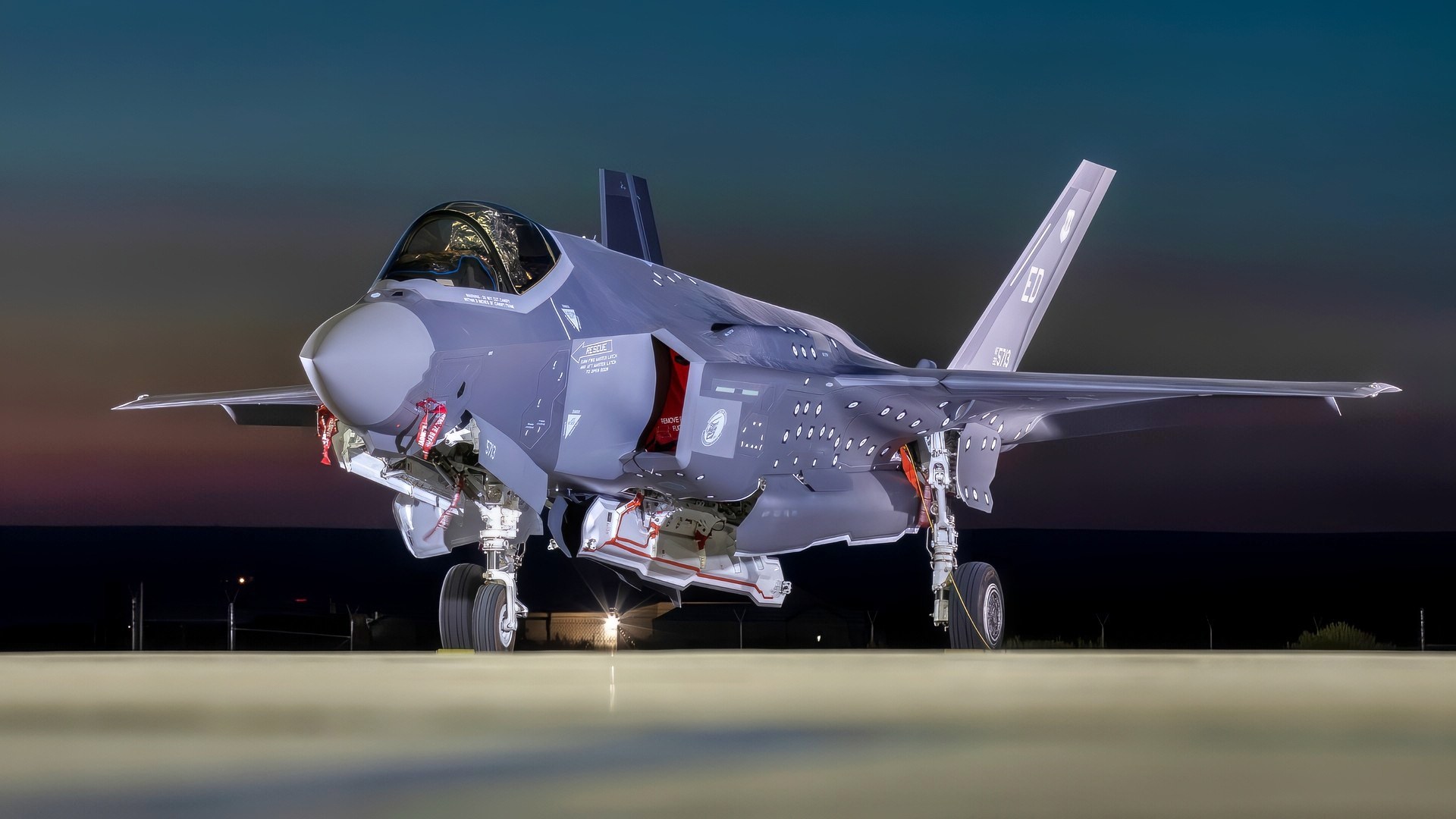
The 461st FLTS, F-35 Integrated Test Force, at Edwards Air Force Base in California received a newly instrumented F-35A aircraft. The unique airframe will boost flight and mission sciences testing for the warfighter at a critical time during developmental test. “This new aircraft arrives at a crucial time, supporting intensive testing of TR-3 software upgrades and next-generation weapons integration.” says Lt. Col. Daniel Prudhomme, F-35 ITF director. “As the world’s only F-35A capable of evaluating both mission systems and flight sciences, this new asset is key for rapidly fielding advanced capabilities to the warfighter.” (Courtesy photo)
Airships capable of carrying airplanes were novel before World War II, but they never came to fruition due to deadly accidents. Plus, the airship could never deploy many aircraft. Nuclear aircraft carriers can now steam worldwide, and a flying carrier is unnecessary. The idea behind an airship cruising out ahead of conventional aircraft carriers was the best concept to emerge from Akron and Macon. This recon mission will now be performed with the Collaborative Combat Aircraft. Drones have changed warfare so much that a mothership no longer needs to launch its own unmanned aircraft. These can now be tethered to fighters.
The flying aircraft carrier was novel and made sense at the time, but dirigibles were unsafe. Events overcame them, and the flying aircraft carrier is now just an interesting historical footnote.
About the Author: Dr. Brent M. Eastwood
Brent M. Eastwood, PhD, is the author of Don’t Turn Your Back on the World: A Conservative Foreign Policy and Humans, Machines, and Data: Future Trends in Warfare, plus two other books. Brent was the founder and CEO of a tech firm that predicted world events using artificial intelligence. He served as a legislative fellow for U.S. Senator Tim Scott and advised the senator on defense and foreign policy issues. He has taught at American University, George Washington University, and George Mason University. Brent is a former U.S. Army Infantry officer. He can be followed on X @BMEastwood.


