


Summary and Key Points: So far, the Iran War has hit Americans where they expected: at the gas pump, where prices have jumped 35% to a four-year high. By one estimate, it’s already drained around $100 billion from U.S. households — roughly $750 each — and the tax refunds that quietly softened the blow stopped covering it in mid-May. But economists say the real squeeze is still coming, somewhere less obvious: the grocery store. The Strait of Hormuz doesn’t just carry oil — it carries the natural gas from which the world’s fertilizer is made. As that supply tightens, the cost of growing food climbs toward a global shortage.
The Iran War Is Impacting the U.S. Consumer Hard

Puget Sound Naval Shipyard, Wash. (Aug. 14, 2003) — Illustration of USS Ohio (SSGN 726) which is undergoing a conversion from a Ballistic Missile Submarine (SSBN) to a Guided Missile Submarine (SSGN) designation. Ohio has been out of service since Oct. 29, 2002 for conversion to SSGN at Puget Sound Naval Shipyard. Four Ohio-class strategic missile submarines, USS Ohio (SSBN 726), USS Michigan (SSBN 727) USS Florida (SSBN 728), and USS Georgia (SSBN 729) have been selected for transformation into a new platform, designated SSGN. The SSGNs will have the capability to support and launch up to 154 Tomahawk missiles, a significant increase in capacity compared to other platforms. The 22 missile tubes also will provide the capability to carry other payloads, such as unmanned underwater vehicles (UUVs), unmanned aerial vehicles (UAVs) and Special Forces equipment. This new platform will also have the capability to carry and support more than 66 Navy SEALs (Sea, Air and Land) and insert them clandestinely into potential conflict areas. U.S. Navy illustration. (RELEASED)
Although Operation Epic Fury lasted just under a month, the conflict has had wide-reaching implications for the global economy. The price of oil and fuel has shot up across the West, and regular citizens have been feeling the effects. Now, with the conflict heating up again, the economic strains are bound to continue, if not worsen. The closure of the Strait of Hormuz will soon affect other industries, raising the prices of groceries and other consumer goods, according to economists.
The Rising Cost of the Iranian War
According to Mark Zandi, the chief economist at Moody’s Analytics, the war in Iran has cost US households around $100 billion during the four months of fighting.
Breaking down that number, the cost divides to around $750 per household, which may not seem like a lot, but for lower-income households, this is a significant financial blow. “The financial pressure is thus mounting quickly, particularly on already hard-pressed middle and lower-income households,” Zandi said. The biggest impact has been on the fuel industry, which has been forced to raise its prices in response to high demand and low supply. Since the beginning of the war, oil prices have risen by around 35%, and gas prices have reached their highest in four years.
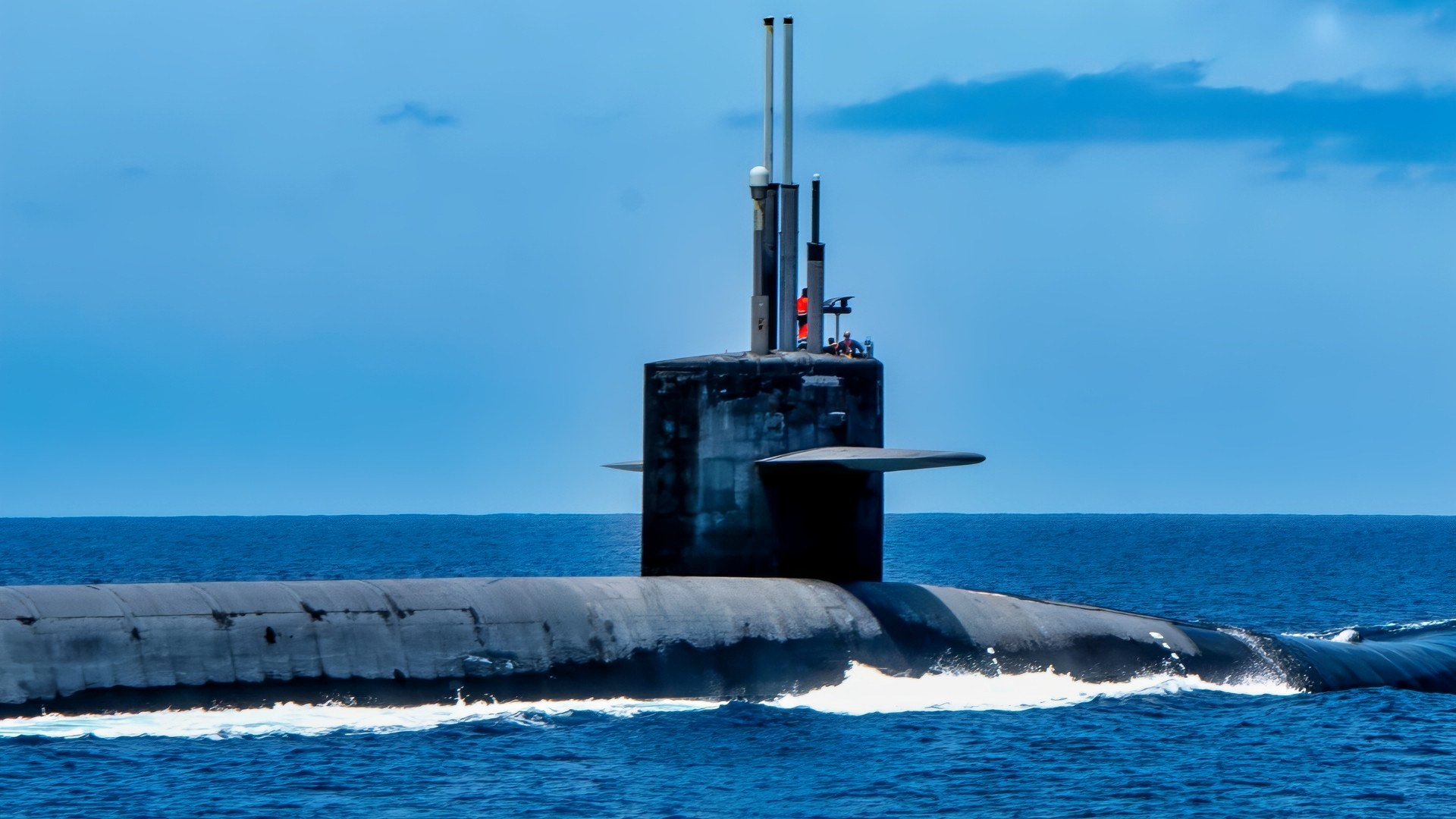
(July 29, 2025) – A U.S. Air Force A10C Thunderbolt II flies over the Ohio-class ballistic missile submarine USS Kentucky (SSBN 737) in the Pacific Ocean, July 29, 2025. The armed airborne escort exercise is designed to increase and demonstrate the Joint Force’s capability to protect strategic assets like Kentucky. Submarine Group (SUBGRU) 9, exercises administrative and operational control authority for assigned submarine commands and units in the Pacific Northwest providing oversight for shipboard training, personnel, supply and material readiness of submarines and their crews. SUBGRU-9 is also responsible for nuclear submarines undergoing conversion or overhaul at Puget Sound Naval Shipyard in Bremerton, Washington. (U.S. Navy Photo by Lt. Zachary Anderson)
To mitigate these economic ripple effects, the Trump Administration sought to implement larger tax cuts, which initially cushioned the blow. However, as traffic through Hormuz remained closed, the tax cuts could no longer soften the repercussions. “This is a big economic blow, but deficit-financed tax cuts have cushioned it. Until now,” Zandi added. “As of May 16th, the bigger tax refunds Americans have received this year no longer cover the higher costs of gasoline, diesel, and jet fuel caused by the war.” Oil prices started to drop during the second half of May, just in time for the conflict to pick up again at the beginning of June, when they are now surging once again.
Fuel is Just the Beginning
Oil and gas are not the only industries affected by the war. The war has directly affected the transit of plastics, helium, fertilizers, and other material goods. Fertilizer is an especially important commodity for farmers around the globe.
Fertilizer is made using natural gas, both as an ingredient and as a food source. With disruptions to gas production in the Middle East and to its transfer through the Strait of Hormuz, fertilizer prices have been rising worldwide. Spring is the worst time for a global fertilizer shortage. Consumers around the world rely on farmers who use fertilizers to ensure maximum crop yields. Global shortages could result in a global food crisis.
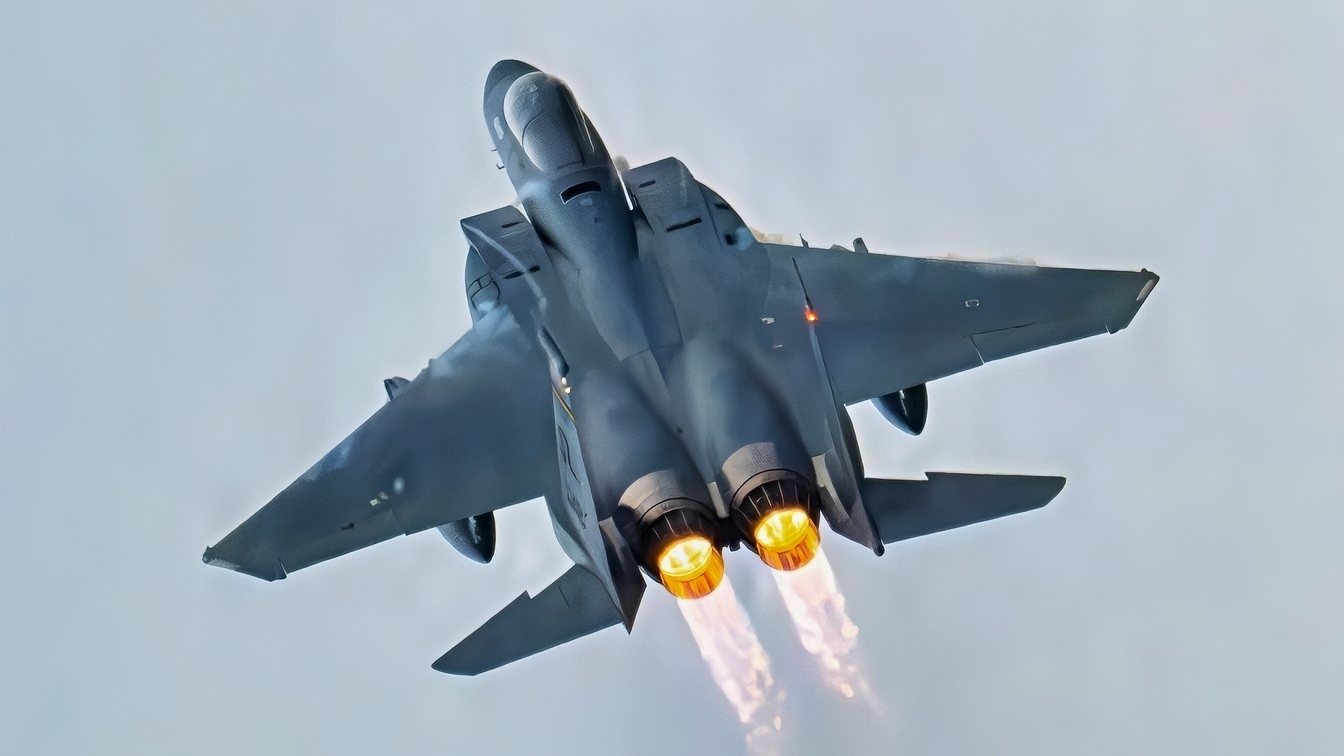
A Louisiana Air National Guard F-15C Eagle streaks above the Ohio River during the Thunder Over Louisville air show in Louisville, Ky., April 18, 2026. More than a dozen military aircraft performed during the show, including four Kentucky Air National Guard C-130J Super Hercules from the Louisville-based 123rd Airlift Wing and two UH-60 Black Hawks from the Kentucky Army National Guard’s Frankfort-based 63rd Theater Aviation Brigade. (U.S. Air National Guard photo by Dale Greer)
For most Americans, however, this will almost certainly result in a substantial increase in grocery prices. “All this uncertainty is happening from a global scale to the farmer’s field, which we are going to see, as the general public, on our grocery bill and on the dinner plate,” said Asim Biswas, a professor in the School of Environmental Sciences at the University of Guelph in Ontario.
A similar fertilizer shortage occurred in 2022, after the Russian invasion of Ukraine. Russia is a major exporter of fertilizer around the world, and after several sanctions packages, the West had to search for new producers to avoid funding Russia’s war effort. Now, the war in Iran is disrupting fertilizer production across the globe, and regular consumers will feel the impacts.
Despite Wall Street’s optimistic attitude that the war will end soon, most consumers, especially in the middle and lower classes, have been cutting back on their spending, according to some reports.
According to Bank of America’s most recent consumer checkpoint, lower-income households have been spending less on luxury goods, such as plane tickets. The report also confirmed Zandi’s analysis that the tax break imposed by Trump has been yielding diminishing returns as the war continues. Larger-income households, the checkpoint notes, have been less affected by the conflict and show little to no change in spending habits.
Who Wins in This War?
The war in Iran has been negatively affecting consumers all around the globe, leading to the question of why the war is still continuing and who is to benefit from the conflict.
Despite President Trump’s attempts to broker a peace deal among all sides, diplomatic efforts seem to have stalled, and no one appears willing to compromise.
Without an off-ramp to walk away from the Middle East, the U.S. has no option but to continue fighting until a clear victory or defeat is proclaimed. However, the longer this war continues, the more costly it will be for the consumers, which could spell disaster for Trump in the midterm elections.
It is important to note that the U.S. is not the only country affected by rising prices. Europe has also had to deal with the economic impacts of the war, with prices reaching their highest since Russia invaded Ukraine.
China has also experienced some hardships as a result of the conflict. China is the largest importer of crude oil from the Strait of Hormuz, with around 5.4 million barrels of oil passing through the Strait per day. While Hormuz is vital to China, the CCP does not seem overly worried about the war. China spent the last few decades diversifying its oil supply and building up its domestic power supply.
While the war with Iran has affected China, it has not felt the economic impacts as deeply as the U.S. and the West have.
About the Author: Isaac Seitz
Isaac Seitz, a Defense Columnist, graduated from Patrick Henry College’s Strategic Intelligence and National Security program. He has also studied Russian at Middlebury Language Schools and has worked as an intelligence Analyst in the private sector.


