


One of the clearer lessons from the ongoing war in Ukraine is that there is probably no single weapon or weapon system from the West that can fundamentally change the battlefield dynamic on its own. Nearly all the previously hyped wonder weapons or anticipated silver bullets have run into the reality that Ukraine and Russia are locked in a large-scale industrial war in which adaptation happens quickly, and neither side enjoys uncontested air superiority. But with those caveats aside, some systems given to Ukraine have indeed mattered a great deal, while a few have been less revolutionary than first anticipated.
Ukraine and HIMARS
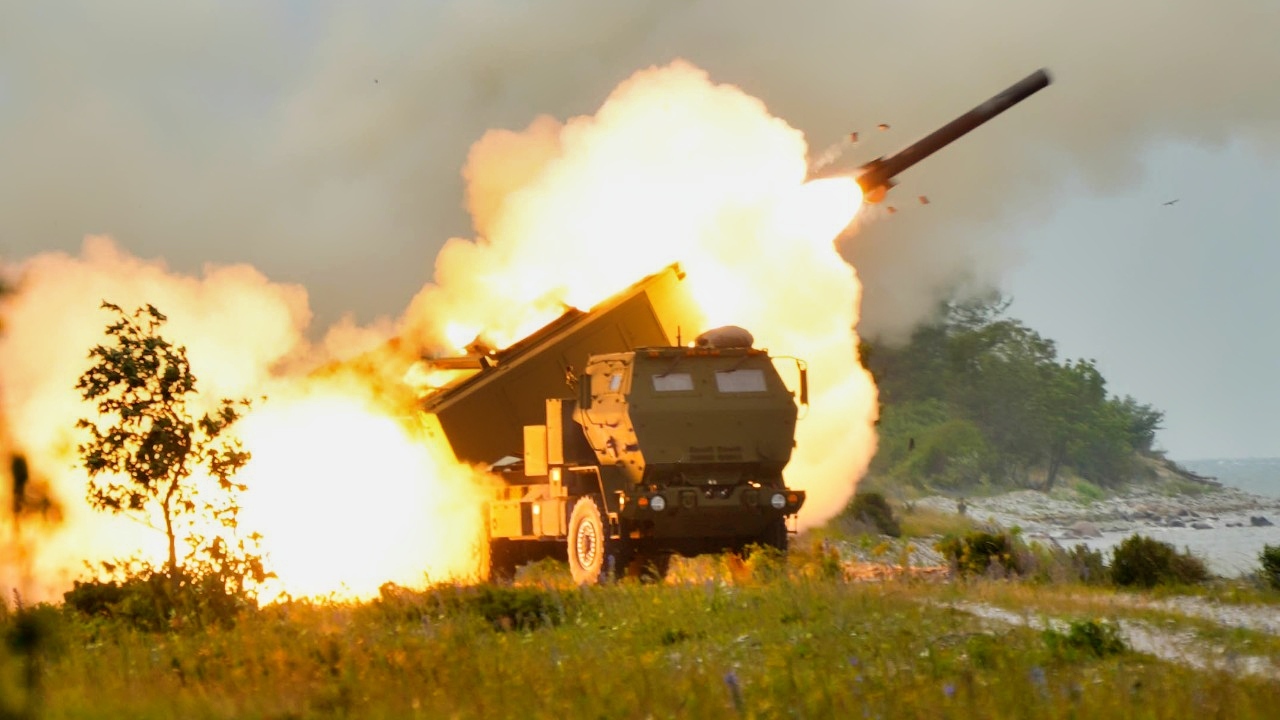
An Estonian Defense Forces M142 High Mobility Artillery Rocket System (HIMARS) fires a training rocket during a live-fire exercise in Undva, Estonia, July 11, 2025. U.S. Army elements from Bravo Battery, 1st Battalion, 14th Field Artillery Regiment, 75th Field Artillery Brigade, supporting Task Force Voit, assisted in the training process. The task force was originally formed in 2023 to support the Estonian Defense Forces in the creation of a HIMARS unit. Task Force Voit works closely with the Estonian Armed Forces, sharing critical defense strategies, training, and military readiness support. The presence of U.S. troops in the region serves as a cornerstone of NATO’s commitment to security in the Baltic region. The task force provides combat-credible forces to V Corps, America’s only forward-deployed corps in Europe. (U.S. Army photo by Staff Sgt. Rose Di Trolio)
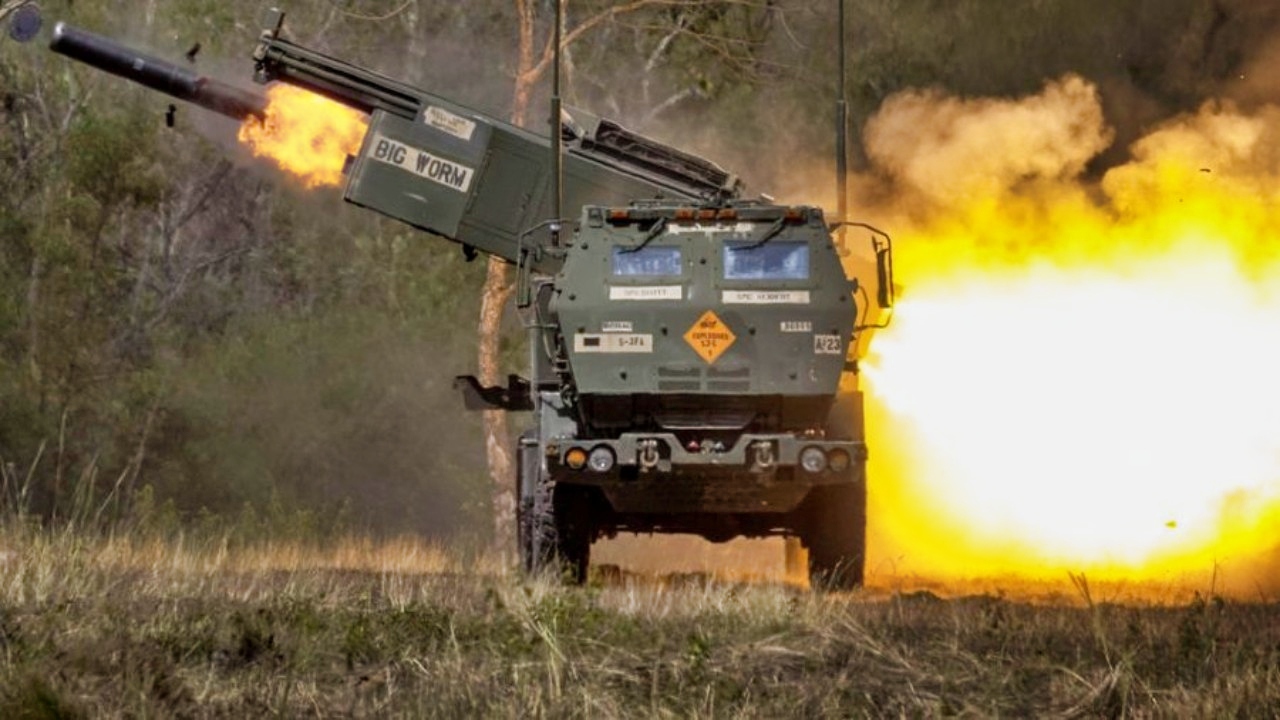
HIMARS. Image Credit: U.S. Government.

HIMARS Rocket. Image Credit: Creative Commons.
Perhaps the most obvious example of a weapon system that exerted a clear influence on the battlefield was the M142 HIMARS, a long-range, mobile multiple-rocket launcher. When HIMARS arrived in Ukraine in 2022, Russian logistics were relatively static and centralized — and therefore highly vulnerable. HIMARS gave Ukraine the ability to strike ammunition depots, fuel dumps, command nodes, bridges, and other vital locations well behind the front lines with a level of precision that was difficult to counter at first. Russian ammunition depots in particular exploded with surprising frequency. HIMARS, an American system, helped set the conditions that facilitated Ukraine’s initially highly successful counteroffensive, which culminated with the liberation of Kherson in the south and drove Russian forces eastward.
The success enjoyed by Ukrainian HIMARS artillerymen was not simply the launch system itself. When HIMARS arrived on the battlefield, Ukraine had the intelligence support necessary to identify high-priority targets, aided in large part by Western surveillance and reconnaissance. Russia would adapt by moving depots farther behind the front and dispersing its supply dumps more widely, but HIMARS remains a valuable capability for Ukraine, particularly later in the push into Russia itself.
Air Defenses
Another hugely important system for Ukraine was the West’s contribution of air defense systems like Patriot and NASAMS. These systems did not necessarily generate breakthroughs on the battlefield, but they were absolutely vital for preserving Ukrainian cities, particularly civilian infrastructure and military and political sites. Blunting Russian missile and air operations proved to be crucial for Ukraine. Strategically, these air defense assets may have ultimately mattered far more than other highly publicized weapon systems.
Ukraine and the Main Battle Tank
Western tanks are arguably a good example of weapon systems that were ultimately less decisive than pundits had originally anticipated. Ukraine now operates some of the most modern main battle tanks in the world, including Germany’s Leopard 2, the United States’ M1 Abrams, and the United Kingdom’s Challenger 2.
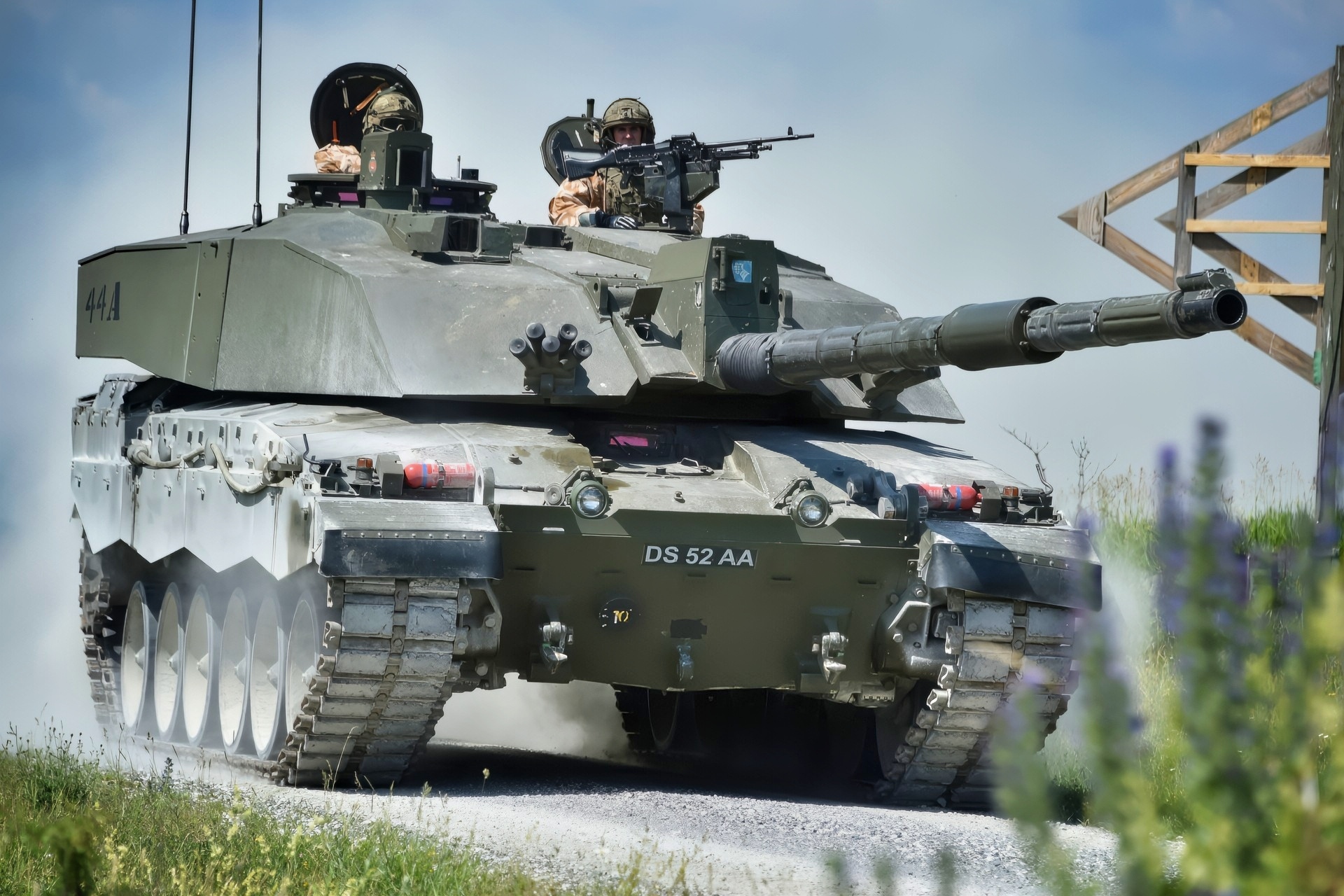
British soldiers with the Queen’s Royal Hussars move a Challenger II main battle tank down range during the Strong Europe Tank Challenge at the 7th Army Training Command’s Grafenwoehr Training Area, June 4, 2018. The U.S. Army Europe and the German Army co-host the third Strong Europe Tank Challenge, which is an annual training event designed to give participating nations a dynamic, productive and fun environment in which to foster military partnerships, form Soldier-level relationships, and share tactics, techniques and procedures. (U.S. Army photo by Gertrud Zach)
Though commentators heralded their arrival in Ukraine as a valuable tool to restore maneuver warfare to Kyiv’s forces, they did not prove to be the vital punch-through asset many had hoped for. Maine battle tanks arrived in an environment that was saturated with a variety of weapons that negated Western armor, including mines, drones, attack helicopters, artillery pieces, and a variety of anti-tank weapons. On a tactical level, the main battle tank proved to be a valuable asset, but its numbers were too low to exert a wider influence on the battlefield. Even with a few hundred of some of the world’s leading armored vehicles, the front line in Ukraine, hundreds of kilometers in length, was too wide a front to transform the battlefield.
Air Power and the F-16 Fighting Falcon
A similar dynamic was at play with air power in Ukraine and the arrival of the American F-16 Fighting Falcon fighter jet. Though Ukraine had long clamored for Western partners to donate jets, some observers of the war argued that F-16s would not quickly afford Ukraine air superiority. Russia retains a wide variety of air defenses in high numbers. Its combat aviation wing is substantially larger than Ukraine’s as well. And while F-16’s have certainly afforded Ukraine more capabilities than it previously had, they did not produce the breakthrough on the battlefield that many had anticipated.
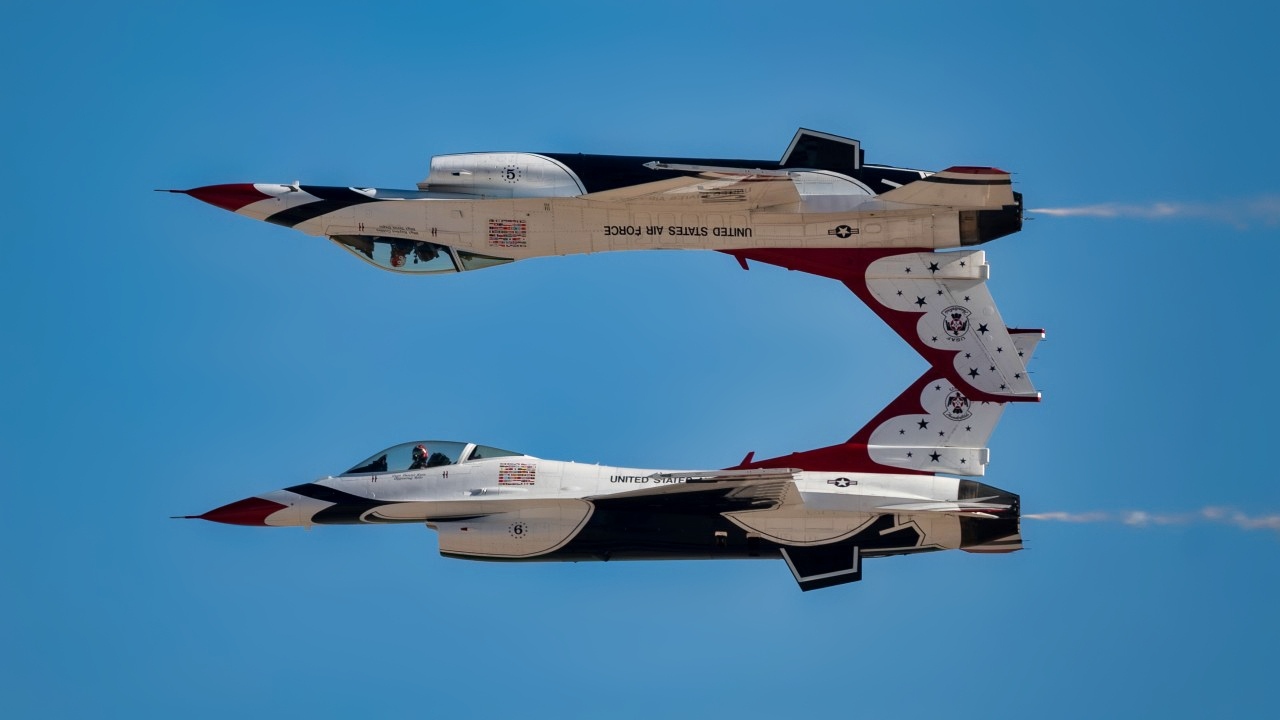
Two F-16 Fighting Falcon fighter jets assigned to the U.S. Air Force Air Demonstration Squadron “Thunderbirds” perform an aerial demonstration during the Aviation Nation 2022 airshow at Nellis Air Force Base, Nevada, Nov. 4, 2022. The Thunderbirds perform maneuvers that test and showcase what is required from every combat aviator. (U.S. Air Force photo by Airman 1st Class Josey Blades)

An F-16 Fighting Falcon aircraft assigned to the 113th Wing hooks onto the BAK-12 aircraft arresting system at Joint Base Andrews, Md., Aug. 13, 2024. The 316th Civil Engineer Squadron tested the overhauled arresting aircraft system to validate the stability of the emergency brake system. (U.S. Air Force photo by Senior Airman Bridgitte Taylor)
Cruise Missile Capabilities
Similarly, much was made of Western long-range cruise missiles like the United Kingdom’s Storm Shadow and its French analog, SCALP-EG. Both missiles enabled remarkable strikes against high-value Russian targets, damaging headquarters, ships, and a variety of Russian infrastructure.
They continue to exert an influence on the battlefield today, but have not fundamentally altered the balance of forces decisively in Ukraine’s favor, in part because the number of missiles is somewhat limited.
The Biggest Difference Today
Forced to innovate, Ukraine has managed to exert perhaps some of the greatest influence on the battlefield, using its homegrown systems.
Ukrainian long-range drone attacks well behind the front have seriously disrupted Russian logistics, forcing Russian forces to move materiel well behind the front. Today, around 80 percent of Russians killed or wounded in Ukraine are due to drone-related incidents.
The results are clear — for the first time since 2023, Ukraine is managing to wrest control of parts of the front from Russian forces.
It is intriguing that Ukrainian solutions to their thorny battlefield problems have proven as decisive, if not more so, than the employment of Western systems.
And therein lies an important lesson. Weapon systems are no silver bullet and are highly dependent on training, mode of employment, and battlefield conditions.
Unlike chess pieces on a chessboard, weapon systems are influenced by a variety of factors, as is clearly evident in Ukraine today.
About the Author: Caleb Larson
Caleb Larson is an American multiformat journalist based in Berlin, Germany. His work covers the intersection of conflict and society, focusing on American foreign policy and European security. He has reported from Germany, Russia, and the United States. Most recently, he covered the war in Ukraine, reporting extensively on the war’s shifting battle lines from Donbas and writing on the war’s civilian and humanitarian toll. Previously, he worked as a Defense Reporter for POLITICO Europe. You can follow his latest work on X.


