

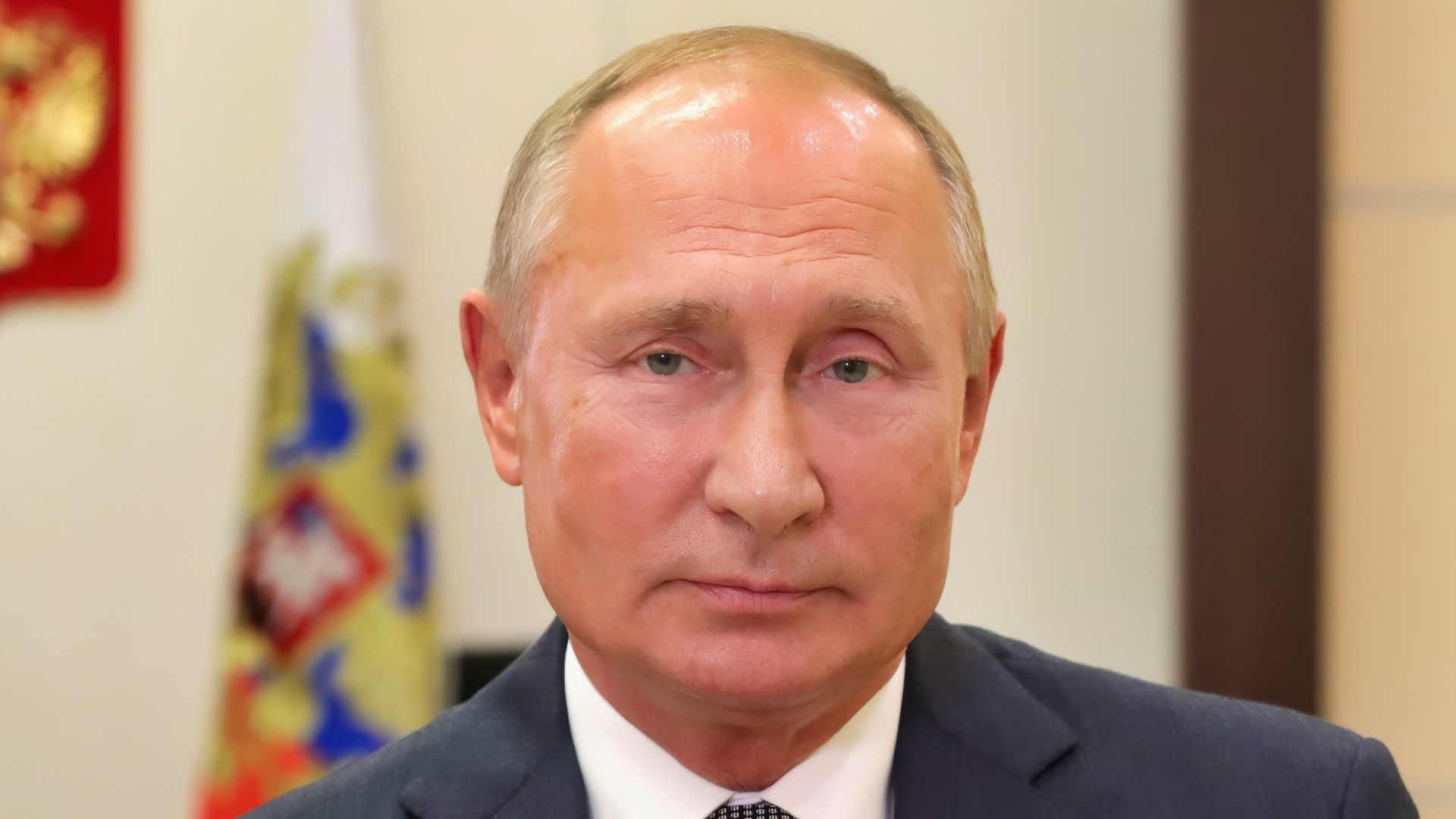
Recent reports suggest a shift within Russia whereby influential voices within the political establishment are increasingly questioning the trajectory of the Ukraine war. The criticism is not necessarily anti-war; the Russian population has mostly been, at least passively, accepting of the war. But the shift reflects a growing concern that Russia is trapped in a quagmire with no obvious path to victory, one that promises only to erode its economy and political capital. Yet as the front line remains entrenched and casualties mount, economic costs rise, and the economy solidifies into a wartime footing, Putin remains unmoved by growing elite frustration. The irony here is that the war was, in part, designed to enhance Putin’s image and position, but instead may ultimately degrade his standing.
New Phase
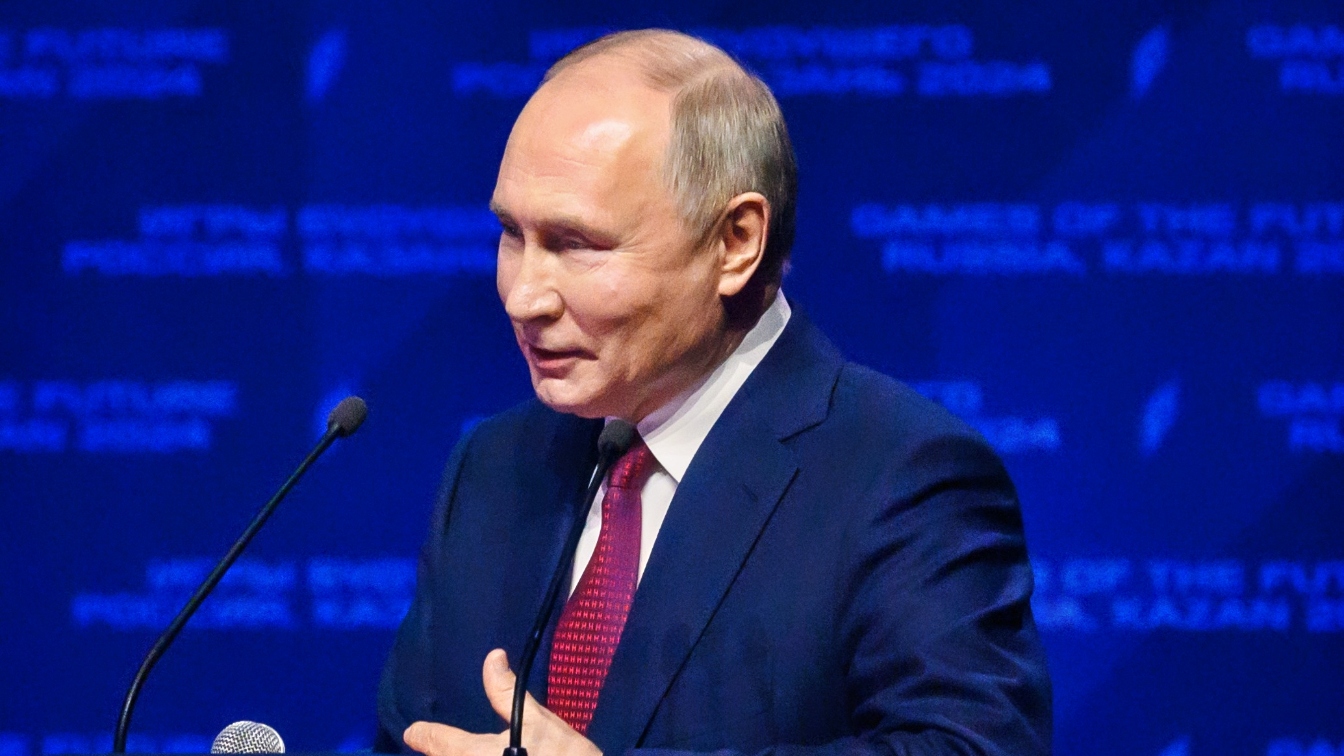
Putin Speaking Russian Federation Photo
The war began in February 2022, over four years ago, a time when many Russians accepted the conflict as being temporary. The correlating economic pain was expected to be brief and manageable. But that was four years ago.
Today, what was supposed to be a flash victory has long resembled a war of attrition, with minimal strategic gains. Understandably, the Russian citizenry is exhausted, hollowed out, as over 800,000 countrymen have been killed or wounded in the conflict. And now, even supporters of the war are recognizing that neither side appears capable of a decisive breakthrough.
Harder to Hide
The economic pain of the war is becoming harder to hide. Russia is now facing a reported federal deficit of roughly 5.9 trillion rubles, with wartime spending continuing to consume a larger share of national resources.
Inflation is rising. Ordinary Russians are increasingly dealing with rising food prices, generally higher consumer costs, and declining purchasing power as cash floods the economy through wartime investment, i.e., missiles, tanks, guns, etc., but no consumer products are being made for civilian purchase. This is problematic for Putin, who spent years exerting maximum political control, with minimal resistance, because the economy was stable. But that tradeoff is becoming harder to maintain.
Revolution?
Mass revolution seems unlikely. The context does not suggest imminent regime collapse or anything so dramatic. But dissatisfaction is rising and may manifest indirectly, e.g., through labor unrest or a decline in confidence in state institutions. Most Russians are not openly challenging the state and are unlikely to do so in the near term. But what began as passive support for the war has shifted from quiet concern to a more visible exhaustion.
Can Russia absorb the criticism?
Brittle states suppress criticism and become vulnerable when problems accumulate. Russia is facing several overlapping problems—a stagnant battlefield, economic strain at home, demographic destruction, and elite satisfaction. None is fatal on its own. But when combined, they create systemic stress, enough perhaps to cause gradual erosion.
Putin’s Dilemma
Putin is in a tough spot. He can seek a compromise or escalate. Compromising risks upsetting the hardliners, who view negotiations as a form of defeat. But escalating means additional mobilization, increased economic burden, more deaths, more destruction, and greater public frustration. Basically, Putin has limited strategic flexibility, limited optionality.
And now, as the Wall Street Journal recently reported, elite opinion is shifting; figures who were previously quiet are now speaking out, suggesting that Putin’s greatest political challenge may soon come from insiders rather than protestors on the street.
Russia and Putin remain powerful. Putin personally remains firmly in power, with no evidence of an imminent regime collapse. But the shift in elite sentiment is worth keeping an eye on.
The greatest danger for the Kremlin may not be a dramatic uprising or palace coup, but an accumulation of problems that are becoming increasingly difficult to solve.
Russia seems to have successfully pivoted into a true wartime economy, meaning it can continue funding the fight for years to come.
Yet the long-term harm from maintaining the fight may be significant, both economically and politically, at home and abroad.
If the fight continues without a clear victory or exit, Russia’s domestic fatigue may harden into something more troubling for Putin and his government.
About the Author: Harrison Kass
Harrison Kass is a writer and attorney focused on national security, technology, and political culture. His work has appeared in City Journal, The Hill, Quillette, The Spectator, and The Cipher Brief. He holds a JD from the University of Oregon and a master’s in Global & Joint Program Studies from NYU. More at harrisonkass.com.


