
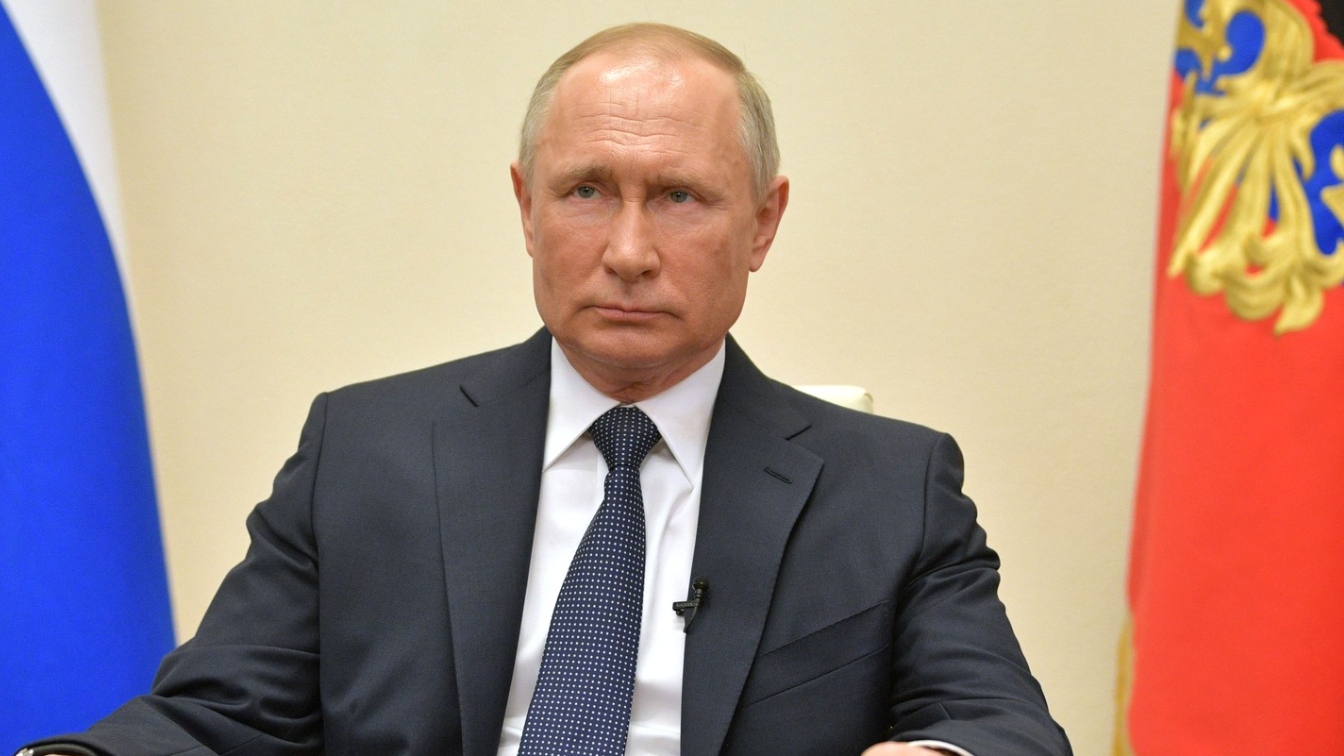
Russia has long held that Western sanctions have failed and that its economy is resilient. Moscow continues to insist that it can fight in Ukraine for as long as is necessary. But at Russia’s flagship economic forum this week, one of President Vladimir Putin’s most senior economic officials admitted that the war has damaged the Russian economy.
Speaking to reporters at the St. Petersburg International Economic Forum on June 5, Kremlin investment envoy Kirill Dmitriev acknowledged that the war has “cost us a lot.” The Russian official still argued that the national economy was performing well – and that it was doing better than that of the United Kingdom – but the significance of the admission is hard to ignore here. Even senior Kremlin figures are now openly discussing, it seems, the economic burden of a conflict that Moscow thought would only last a matter of weeks.
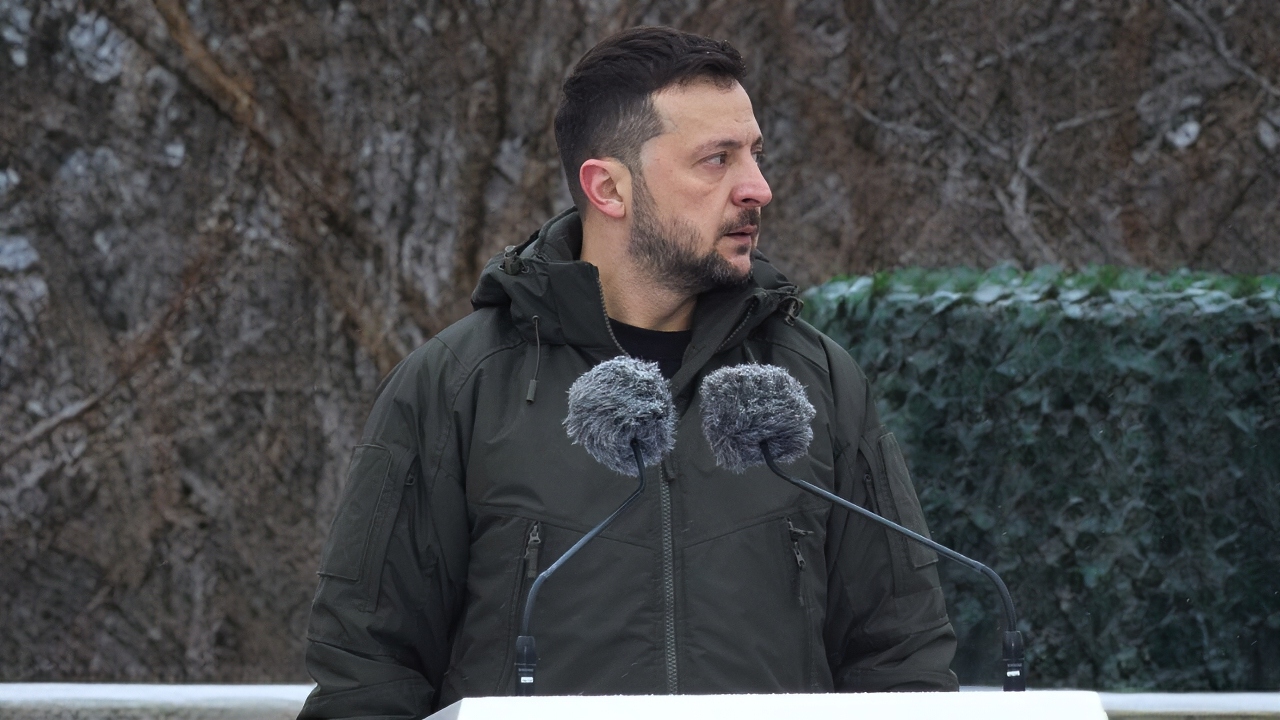
Image Credit: Office the the President, Ukraine.
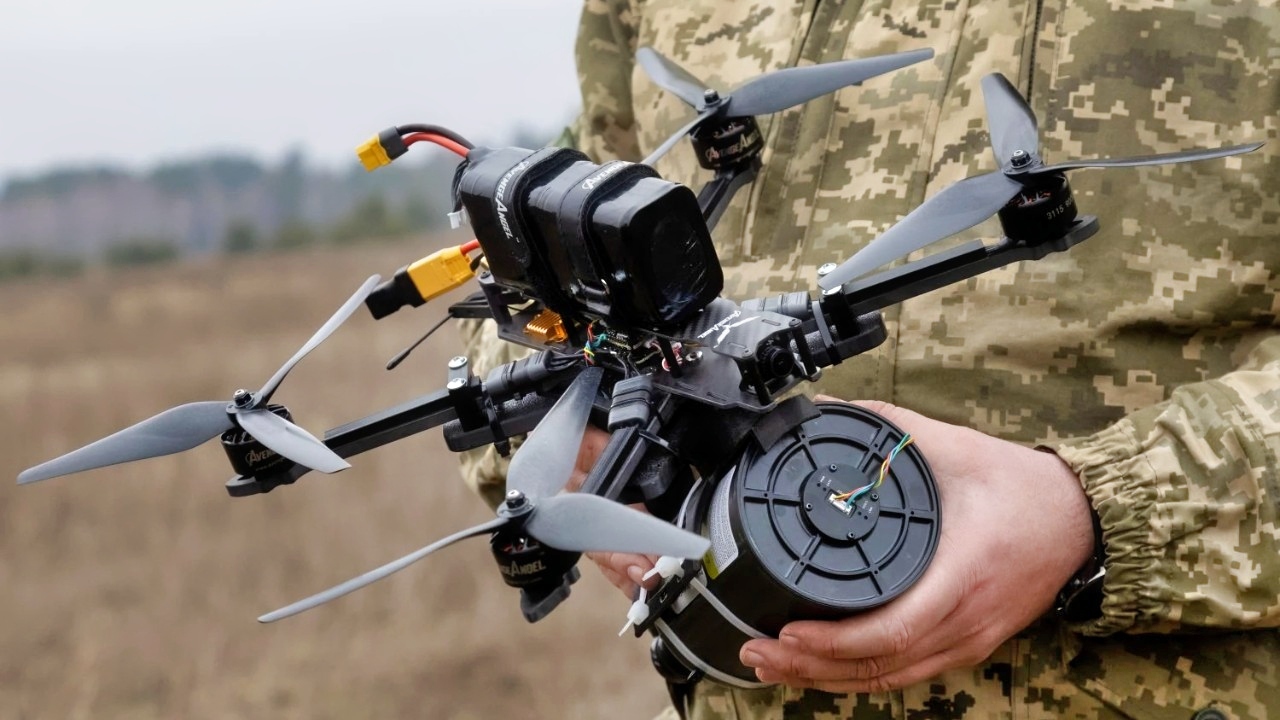
Ukraine Drone. Image Credit: Creative Commons.
Dmitriev’s comments also come amid a very public exchange by the Ukrainian and Russian presidents over the prospects of peace talks – and as Ukrainian drones keep striking deeper into Russian territory.
Zelenskyy Says Russians Are Feeling the Pressure
In an open letter published by Ukrainian President Volodymyr Zelenskyy on June 4, he argued that ordinary Russians are becoming frustrated by inflation and economic uncertainty, as well as the growing number of Ukrainian strikes on Russian territory. He also threatened that the situation would grow worse for Russia as Ukrainian capabilities expand.
“If you do not personally come to the conclusion that it is time to end this war, Ukraine will continue fighting for its existence. We will have those who support us,” Zelenskyy also wrote.
“But you, too, will have to fight much harder for your own existence – not Russia’s, but your own. And this is not a threat from me or from Ukraine.”
The Ukrainian leader also invoked history, stating, “It is a fact of Russian history that you know well: when Russia grows tired, change comes.”
Putin responded publicly the following day at the St. Petersburg forum, saying that he had only seen the letter in passing. The Russian leader said that he saw no immediate reason for the face-to-face meeting Zelenskyy had requested, but said Russia was still interested in reaching a long-term settlement with the country.
Ukraine Takes the War Deeper Into Russia
One reason the Russian economy is feeling the heat beyond Western sanctions is that Ukraine’s drone campaign is becoming more effective, striking high-value targets deep inside Russian territory and causing significant disruption to its energy economy.

Su-34 Fullback. Creator: Vitaly V. Kuzmin. Credit: Vitaly V. Kuzmin
Throughout much of the war, Russia has enjoyed “strategic depth,” whereby Ukrainian forces lacked the capability to consistently strike military and industrial targets far behind Russian lines. That is no longer the case.
Recent Ukrainian drone strikes have targeted oil terminals near St. Petersburg and fuel depots in Crimea. They have struck ammunition facilities and caused damage hundreds of miles away from the battlefield, sometimes thousands. Strikes on a St. Petersburg oil terminal this week also destroyed one tank and damaged six others, hitting critical oil infrastructure in the process.
In a June 3 analysis for Jamestown, researcher Vadim Shtepa argued that Ukraine is steadily eroding Russia’s traditional geographic advantages.
“Russia is losing the strategic depth that has provided it domestic shelter against the effects of the war, revealing the crumbling state of Moscow’s war machine,” Shtepa writes.
According to estimates cited in the same analysis, around one-quarter of Russian territory containing approximately 70 percent of the country’s population is now within range of Ukrainian drones – including major industrial centers in the Urals that would have historically been considered untouchable.
Russia’s Economy Under Strain
The military pressure is one thing, but Russia is facing severe economic pressure as a result of it. Bloomberg reported this week how Russian finance officials have warned Putin that war spending has become unaffordable, with defense officials requesting billions of dollars in additional funding as the cost of the war continues to rise. And with fuel shortages already appearing in some areas, the problems are compounding.
In Russian-controlled Crimea, authorities have already suspended cash sales of gasoline and tightened rationing measures after Ukrainian strikes disrupted supply chains. The result has been long lines forming at gas stations. Labor shortages continue to affect sectors across the Russian economy, with military recruitment and defense production absorbing workers who would otherwise be active in other areas.
Even some of the voices speaking at the St. Petersburg forum acknowledged the scale of the challenge. Former Russian intelligence officer Andrey Bezrukov, for example, told attendees that Russia may now need to prepare for a conflict that could last for decades.
“We have to admit that we will be at war in the next few years, maybe for a couple of decades,” Bezrukov said.
Russia is under economic strain – and it knows it.
About the Author: Jack Buckby
Jack Buckby is a British researcher and analyst specializing in defense and national security, based in New York. His work focuses on military capability, procurement, and strategic competition, producing and editing analysis for policy and defense audiences. He brings extensive editorial experience, with a career output spanning over 1,000 articles at 19FortyFive and National Security Journal, and has previously authored books and papers on extremism and deradicalization.


