


Summary and Key Points: Most people picture China’s South China Sea islands as little more than runways carved out of the sea. The reality is far more imposing — and far stranger. Thousands of Chinese troops now live on these man-made outposts year-round, scattered across dozens of reefs, crewing missile batteries, radar arrays, and runways that push Chinese air power hundreds of miles toward America’s allies.
China’s South China Sea Island Reality
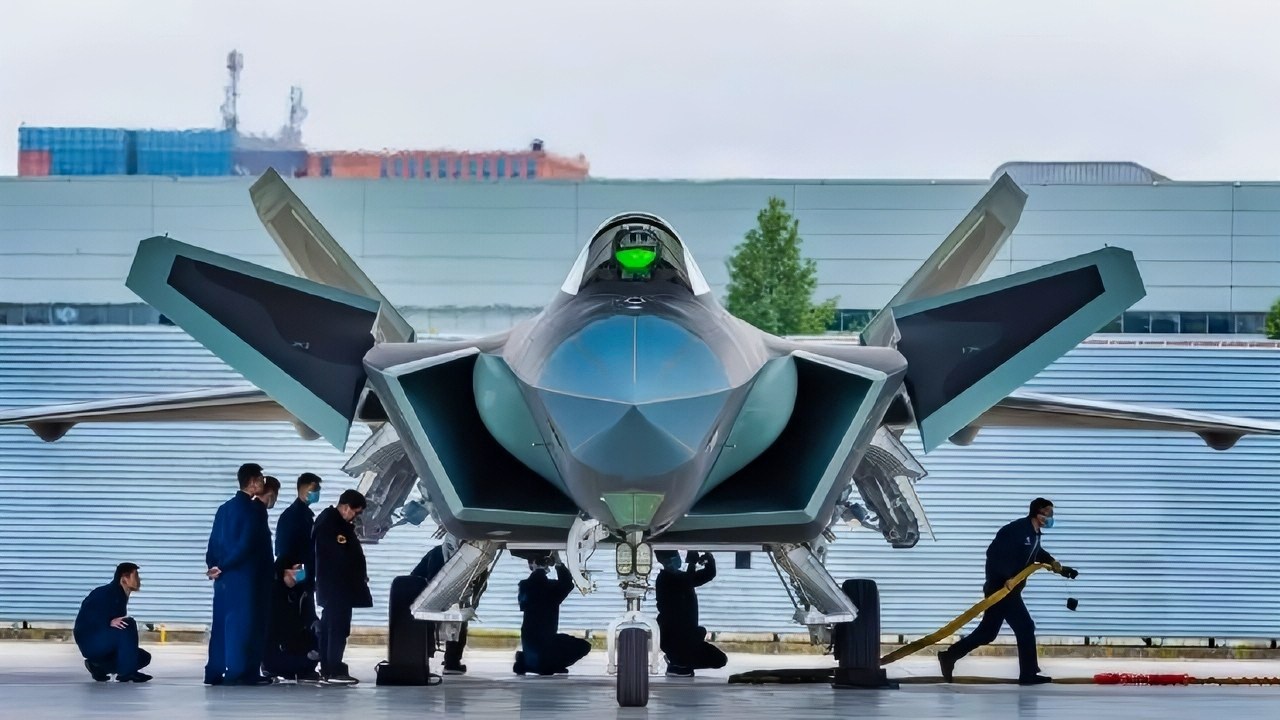
J-20 Fighter Fueling Up. Image Credit: Chinese Weibo.

J-20 Fighter Weibo Image Screenshot
China’s artificial islands in the South China Sea aren’t just military infrastructure—they’re permanently staffed military nodes housing between 5,000 and 10,000 troops across 27 outposts. The “Big Three” bases at Fiery Cross Reef, Subi Reef, and Mischief Reef host aviation units, missile batteries, and radar installations capable of supporting more than 70 fighter aircraft and extending Chinese air power 800-plus miles from the mainland.
China’s artificial islands, best known for runways capable of supporting fighter and bomber operations, also house between 5,000 and 10,000 troops. Spread across 27 outposts, these thousands of military personnel mean the islands aren’t just infrastructure but permanently staffed military nodes.
Where Are the Troops?
The biggest concentration of troops is at the “Big Three” bases: Fiery Cross Reef, Subi Reef, and Mischief Reef. With the largest garrisons, these bases host aviation units, missile batteries, and radar installations.
Sansha City on Woody Island is also important, operating as an administrative hub with hospitals, banks, and a five-thousand-ton wharf. These are not podunk outposts but fully functioning military settlements—underscoring the bases’ importance to China’s strategy to exert control over the region and extend its reach outward, further into the Pacific.
What Do the Troops Do?
Troop functions on China’s man-made islands break into a few distinct buckets. First, ISR (intelligence, surveillance, reconnaissance) operators, who run radar arrays and signal interception systems.

J-20 Fighter Weibo Screenshot.
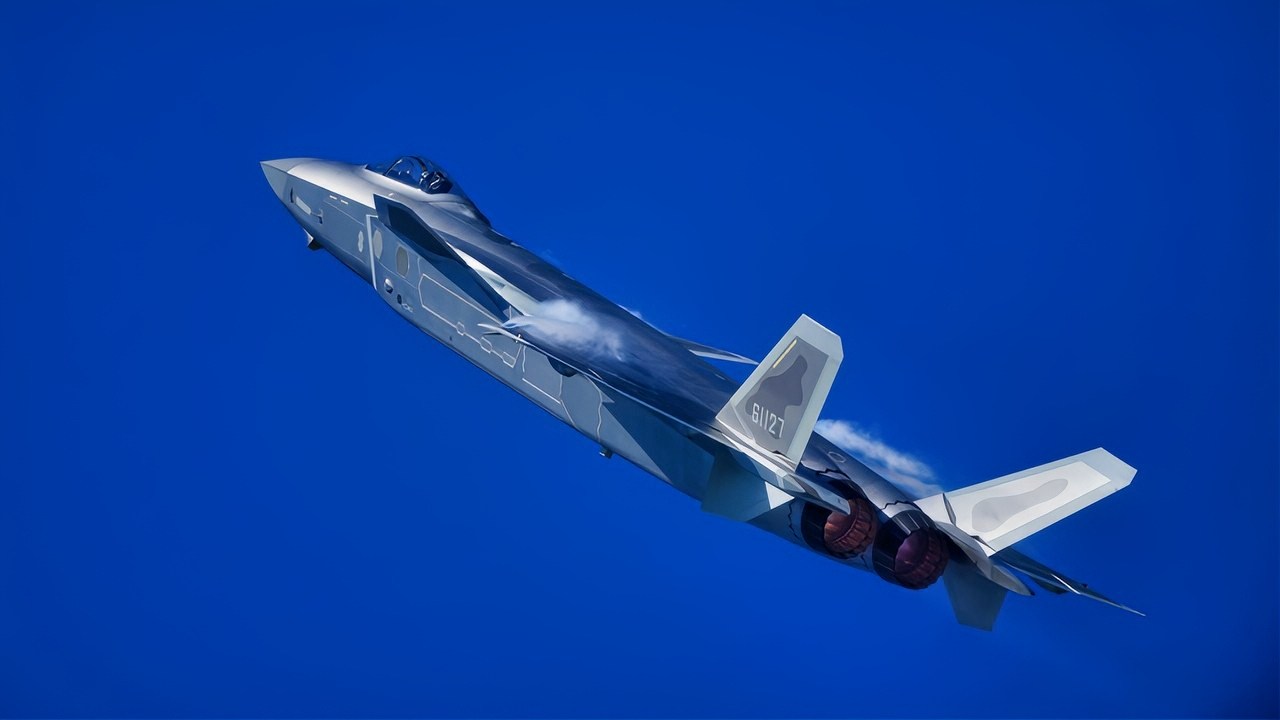
J-20 Stealth Fighter in 2024. Image Credit: Creative Commons.
These troops track ships and aircraft, collecting radar signatures and comms data. Second, missile crews who operate the HQ-9 SAM systems and YJ-12B anti-ship missiles.
These troops actually enforce the A2/AD bubble. Third, aviation support. These troops perform the unglamorous yet essential work of maintaining 10,000-foot runways with both routine and rapid maintenance. Fourth, logistics and engineering. These troops manage desalination plants, power systems, ports, and related infrastructure. Last, maritime militia coordination.
These troops are force multipliers, directing fishing fleet proxies who can create floating barriers.
Life on a Man-Made Island
Troops concentrated on these islands wake at 6:00 AM before conducting drills and firearms training. The operational posture has the troops in a state of constant monitoring, day and night.
The islands are largely self-sufficient, relying heavily on desalinated water and small-scale agriculture. For medical support, hospital ships rotate through. Amenities are sparse. Overall, the lifestyle is austere, repetitive, and strained through an emphasis on constant readiness.
Necessary Enablers
The troop presence on these islands enables the extension of Chinese air power through the support of 70-plus fighter aircraft, which extends China’s reach 800-plus miles from the mainland.
This is a massive strategic benefit. Similarly, island-posted troops provide “eyes and ears” through persistent surveillance, enabling real-time targeting. The islands are also convenient as a logistical hub, where coast guard and naval forces can take on resupplies.
In sum, the troops’ presence allows China to exert continuous operational control in the region.
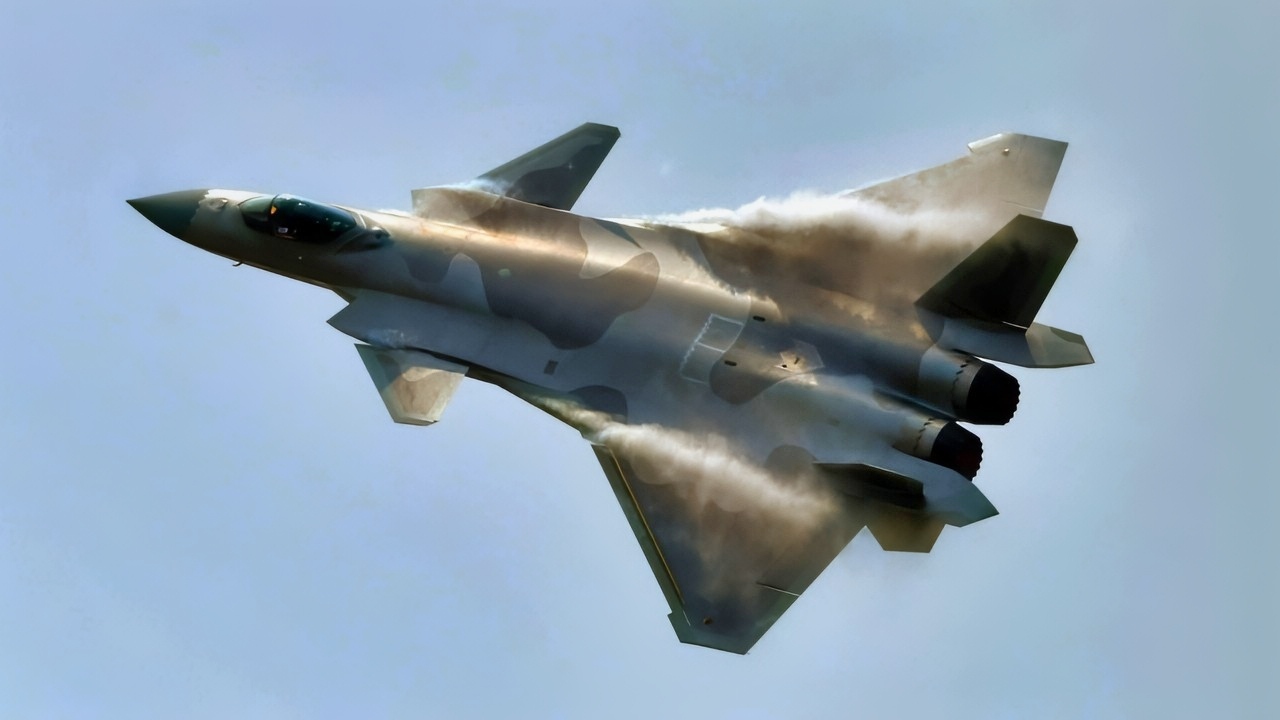
China J-20 Fighter in Camo 2021. Image Credit: Creative Commons.

J-20 Stealth Fighter in China. Image Credit: PLAAF.
More Coming Soon
Antelope Reef is currently under construction and, upon completion, is expected to be the largest future base in the South China Sea constellation. So expect the troop population in the region to spike once the base is completed.
The strategic purpose of Antelope Reef is redundancy and the dispersal of assets—showing that China is expanding rather than consolidating.
Strategic Implications
The troop and asset presence on man-made islands in the South China Sea gives China constant ISR coverage, significantly reducing the likelihood of surprise. The islands also allow for gray-zone dominance, in which overlapping vessels (militia, coast guard, navy) are used to isolate and seize control of additional territory.
The islands do have strategic downsides.
Forces are concentrated into a limited space, making them very easy to target and more vulnerable. The islands are also isolated, 600-plus miles from the mainland, meaning reinforcements are slow. Essentially, the troop concentration here creates both control in peacetime and risk in war.
US and Allied Response
In response to Chinese island-building and troop concentration, the US has expanded its presence in the region, with access to nine bases in the Philippines, and exercises like Balikatan 2026, which included 17,000 troops.
The US response shows that the islands are catalyzing a regional military buildup.
The US recognizes the significance of the islands, which are not empty bases but fully staffed systems that enable surveillance, sustain presence, and enforce control.
And that recognition is shaping planning across the entire Indo-Pacific. The focus is shifting toward dispersal, resilience, and denial. The islands are no longer a novelty but a permanent factor in the region, which is quickly becoming one of the most contested on Earth.
About the Author: Harrison Kass
Harrison Kass is a writer and attorney focused on national security, technology, and political culture. His work has appeared in City Journal, The Hill, Quillette, The Spectator, and The Cipher Brief. He holds a JD from the University of Oregon and a master’s in Global & Joint Program Studies from NYU. More at harrisonkass.com.


bobb
June 6, 2026 at 9:43 am
These outposts are vital to stopping Genghis, as populating these places represent the idea of putting the modern version of ‘placing the canary in the coalmine’ to work.
When the canary dies, it means Genghis is now coming right for the great treasure house.
Japan did that in the thirties.
First it was Manchuria in 1931. Later, the Japs swept down the entire coast, and proceeded to run amuck all over the place, while western observers watched with awe and amusement.
Until dec 1941. Heh, heh.
Dan
June 6, 2026 at 8:52 pm
What? No map???