

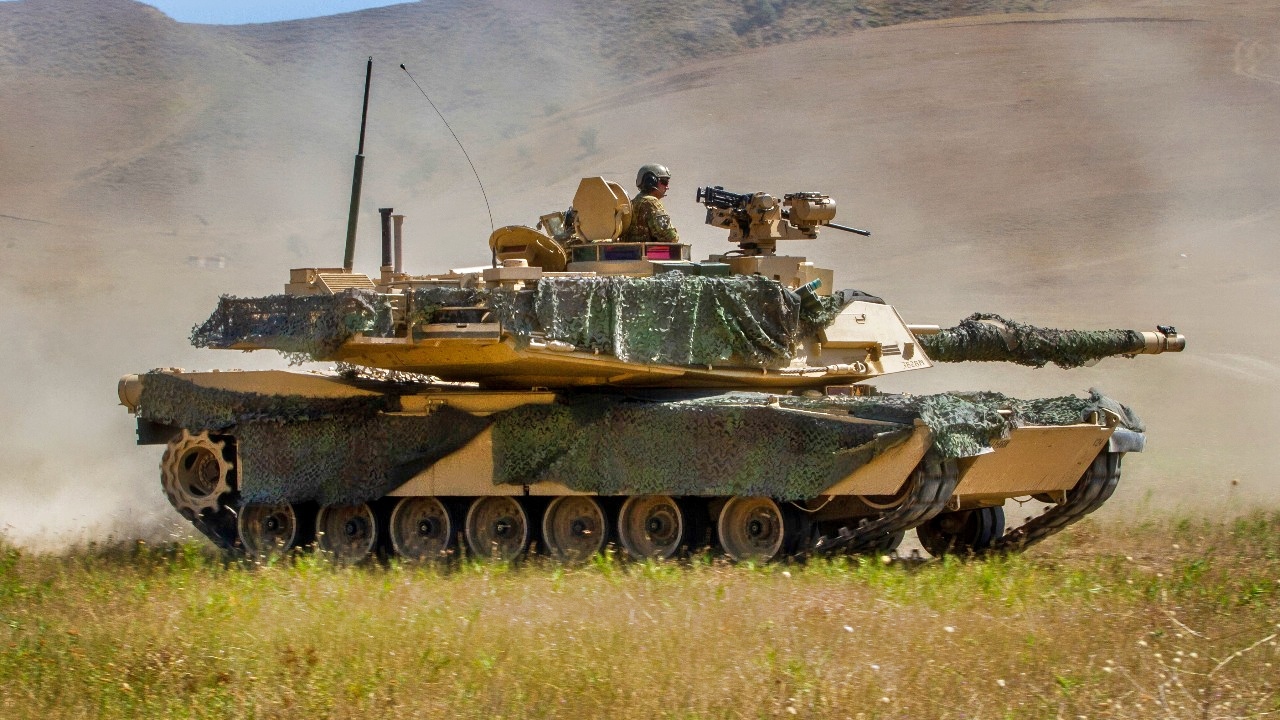
Russia’s military recruitment is down by 20 percent in the first quarter of 2026 compared with a year ago, and by all indications, it is not getting any better.
Russia is locked in a meat grinder of a war with Ukraine and has suffered nearly 1.4 million casualties. Which is why Russia is offering unheard-of incentives to fight in Ukraine.
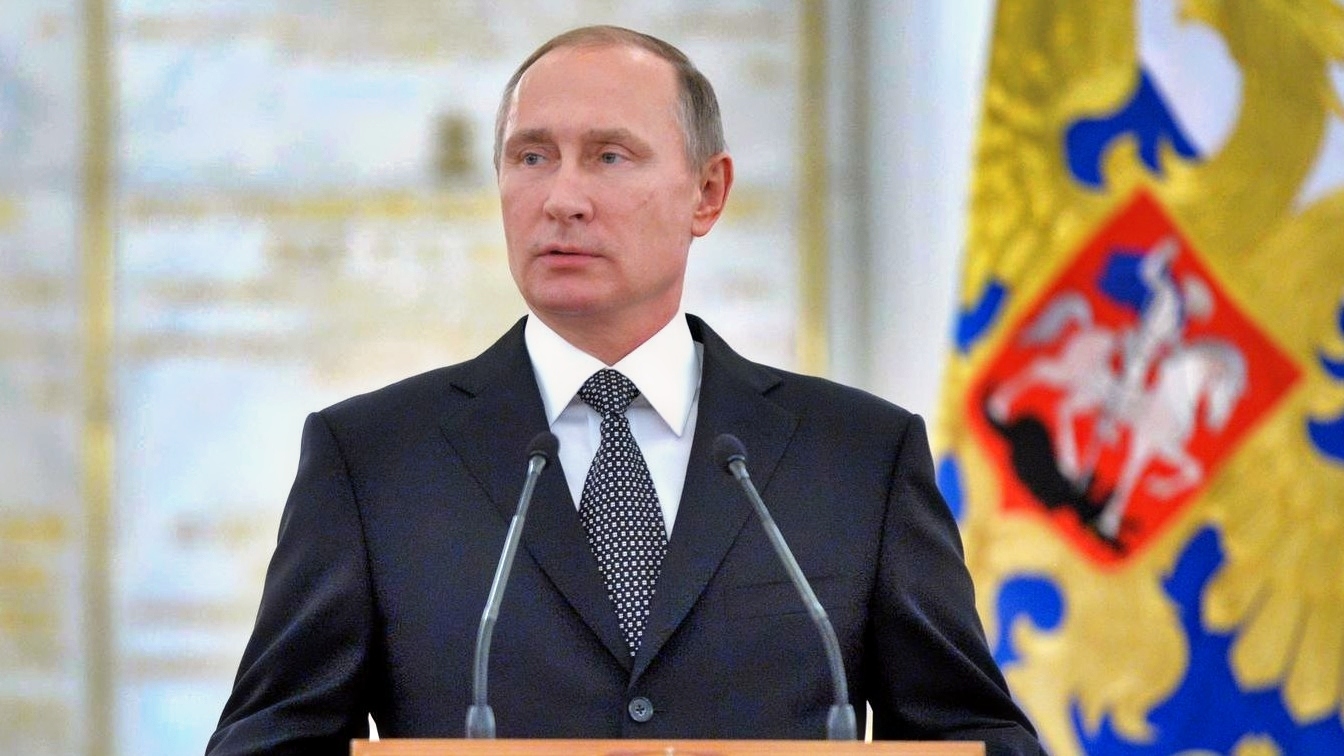
Putin Back in 2026 Photo From Russian Federation Collection Creative Commons
The bonuses Moscow is offering amount to several years’ worth of salary for the average Russian citizen, but the recruiting drives are failing.
The bloody war in Ukraine is costing Russia more soldiers than it can recruit. And the young men in the country, despite not getting an accurate picture of the fighting and the lack of progress from the state-run news services, have ears and eyes.
“Rubles don’t fight wars,” said Nigel Gould-Davies, a senior fellow for Russia and Eurasia at the International Institute for Strategic Studies (IISS).
He added that this is the first war in Russia’s history in which the state is paying citizens to fight rather than forcing them to do so, and that this is leading to economic strain and manpower issues.
“There are signs that this incentive may no longer be working effectively, and that Russia has begun to lose more troops than it can recruit,” Gould-Davies said recently.
Russia’s Failure In Ukraine Is Plain To See
Russia’s young men are told that the “special military operation” is going to plan, but it has been ongoing for nearly four and a half years.
They can talk to the survivors who return from fighting in Ukraine. And those soldiers tell them of the horrible way that soldiers are being treated on the battlefield.
And now they can see that the Ukrainians are hitting Russia regularly with drone strikes, even in cities such as Moscow and St. Petersburg.
Russian military failures in Ukraine encompass catastrophic manpower and equipment losses, logistical breakdowns, and the failure to achieve primary strategic objectives like overthrowing the Kyiv government or making major territorial breakthroughs.
These systematic missteps have drastically depleted Russian combat power and prolonged the conflict.
After suffering horrendous losses early in the war due to overconfidence and the underestimation of Ukraine’s will to resist.
Moscow’s strategy has long been to outlast Ukraine in an attritional war, profiting from its immense population and large military industry that can sustain a slow, grinding campaign.
Manpower Shortages Are Country-Wide
Gould-Davies told CNN that the manpower shortages are not just confined to the military. He said the Russian industry is operating at maximum capacity.
“The whole Russian economy is suffering from the most severe labor shortage in history,” he said.
With the recruitment drive tanking, Putin will likely be forced to make more unpopular decisions this year if he wants to continue his invasion of Ukraine.
Russia has recruited an estimated 140,000 to 180,000 convicts to fight in Ukraine since the summer of 2022.
Initially spearheaded by the Wagner Group, the practice of trading military service for pardons and conditional release, and to be used as cannon fodder, failed.
The Putin government has also had three separate waves of North Korean “volunteers” to avoid a call-up of reserves.
This could mean a second forced mobilization of military reservists, coupled with measures such as curtailing citizens’ freedom to leave the country, particularly men of conscription age.
That’s something Putin has been keen to avoid, after the first “partial mobilization” proved hugely unpopular and caused many thousands of Russians to leave the country.
“The Kremlin will soon face a fundamental choice over whether to radically escalate its demands on Russia’s economy and society or to scale back its war aims,” Gould-Davies told CNN.
Economic Strain Is Taking A Toll
The war effort accounts for 9.5 percent of the total federal budget and 2 percent of the country’s GDP, by some estimates.
Food prices have skyrocketed by more than 18 percent in the past year and a half. Utility bills are rising, as is the cost of fuel.
Ukrainian drone strikes on Russia’s gas and oil industries have led to critical shortages in some areas, especially in occupied Crimea.
The Institute for the Study of War (ISW) posted on Sunday that Ukraine struck several oil and gas refineries.
The Ukrainian campaign against Russian energy infrastructure, including refineries, depots, and pipelines deep inside the country, has particularly hurt the Russian economy, which is now more than four years into the war.
On Friday, Russian President Vladimir Putin acknowledged that Ukrainian strikes are “causing us damage,” but said Russia would recover quickly and escalate its own attacks on Ukrainian infrastructure.
Why Another Mobilization Is Forcing Putin To A Breaking Point
Russia has avoided a second call-up of reservists since 2022, after so many young men left the country.
But the Russian military is suffering between 30,000 and 35,000 casualties a month, and needs an influx of at least that many to keep the troop levels up to par.
Ukrainian intelligence claims that about 70,500 new Russian soldiers signed contracts in the first three months of 2026, falling short of the Russian Defense Ministry’s goal by about 30,000.
Max Bergmann, an analyst at the Center for Strategic and International Studies (CSIS), said that “If Russia does trigger military mobilization, it is a sign that the regime is under tremendous strain and is politically trapped.”
Many fear that the backlash of another call-up of reserves would be much worse than the one in 2022.
The war has not gone well for Russia, and the incessant meatgrinder in Ukraine, despite the regime’s best efforts, is forcing ordinary Russians to the realization that the war is unwinnable.
And as Gould-Davies stated, Russia’s long-standing strategy of leveraging its large population advantage over its adversaries may be a thing of the past, despite the financial incentives it is offering.
About the Author: Steve Balestrieri
Steve Balestrieri is a National Security Columnist. He served as a US Army Special Forces NCO and Warrant Officer. In addition to writing on defense, he covers the NFL for PatsFans.com and is a member of the Pro Football Writers of America (PFWA). His work was regularly featured in many military publications.


