

Ukraine has increased attacks on Russian energy facilities in recent months, and it is having a devastating effect on the country’s oil and gas infrastructure as well as the already stretched Russian economy.
Fuel shortages are affecting Russia everywhere, even in Moscow, where the nation’s fifth-largest oil producer, Tatneft, has implemented restrictions on the sale of gasoline and diesel at all its stations across Russia, limiting purchases to 20 liters of gasoline and 40 liters of diesel per car for Russian consumers.
Recent Drone Attacks In Moscow And Elsewhere
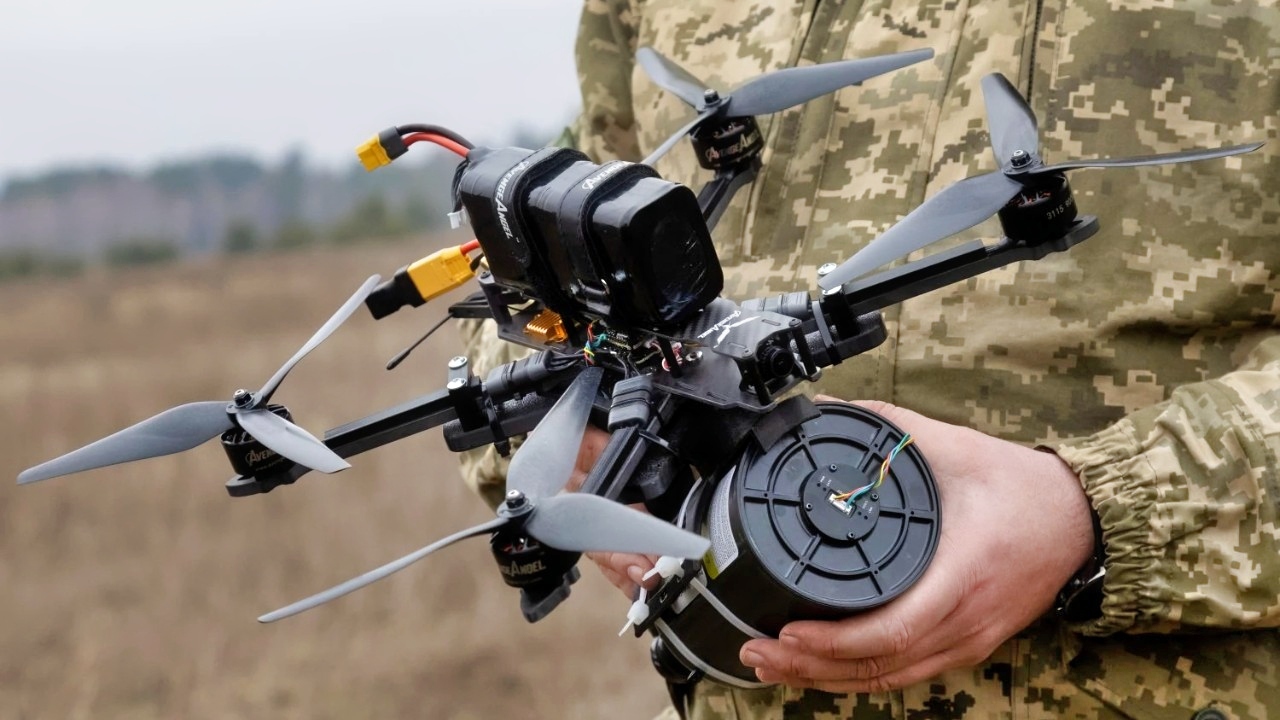
Ukraine Drone. Image Credit: Creative Commons.
Ukraine responded to a massive Russian drone and missile strike in Kyiv on early Monday morning by hitting a Moscow oil refinery and a large fuel depot in the Krasnodar region.
The Moscow strike set the refinery ablaze, while the Poltavskaya oil depot, which supplies fuel to gas stations in the region, was also set on fire. Russian authorities said that the fire was put out seven hours later.
The Kyiv Post reported that Krasnodar Krai has been facing gasoline shortages since early June, following devastating Ukrainian drone attacks on Crimean fuel resupply routes and trucks.
Emergency officials in the Russian-occupied zone said more than 500 gas stations are currently out of fuel.
This latest attack just highlights how effective Ukraine’s targeting of Russia’s oil and gas infrastructure has been.
Russia Unable To Take Advantage Of Rising Oil Prices
Russia has been unable to reap the windfall of oil prices following the US and Israeli bombing campaign against Iran, and the subsequent shutdown of the Strait of Hormuz.
Ukrainian drone attacks continue to target Moscow’s oil production facilities.
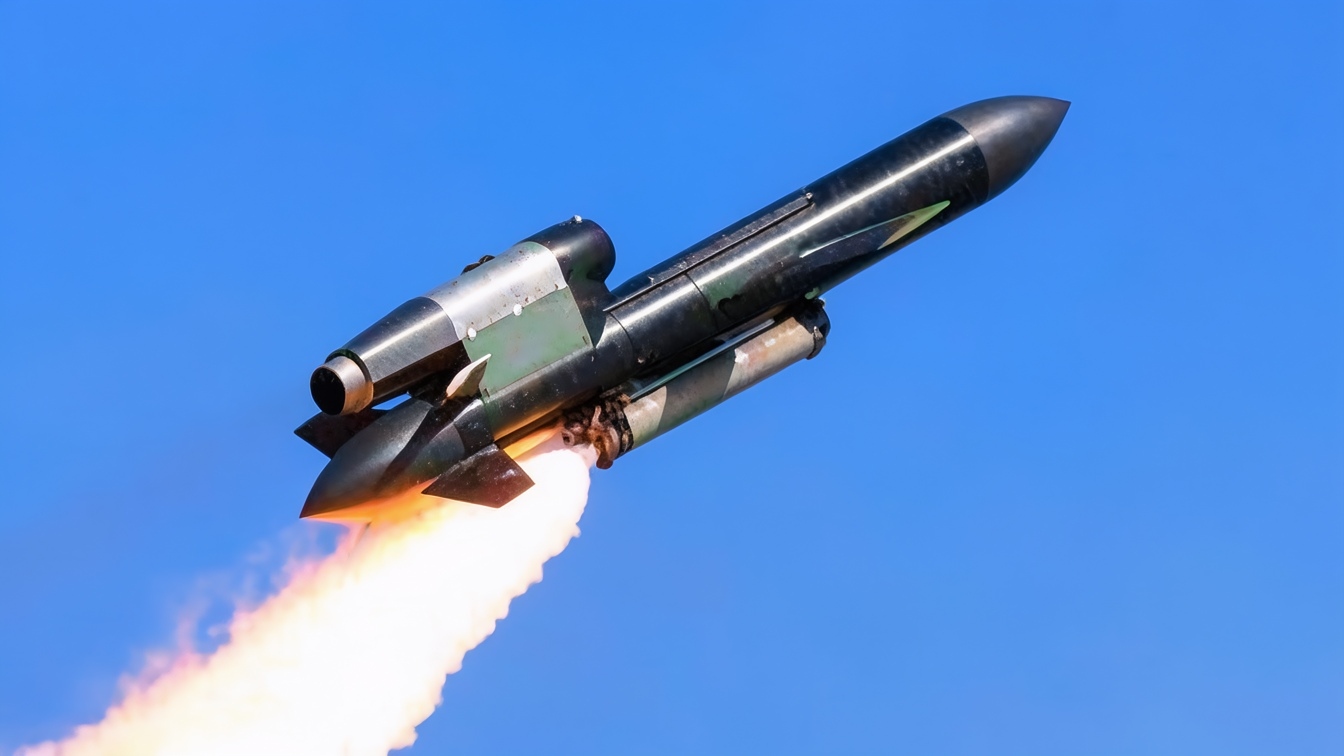
Ukraine Cruise Missile. Image Credit: Government of Ukraine.
Although some analysts believe the damage isn’t as extensive as Ukrainians have claimed, a late-May report from Russian Forbes says it has been minimal. Analysts surveyed by Russian Forbes believe that the data cited in Reuters publications (30-40 percent disruption) is exaggerated.
However, the reality on the ground speaks otherwise.
Despite a late May report from the Energy Ministry that the fuel market in Russia remains stable, and the industry is prepared for seasonal demand growth, the industry is hurting.
Fuel shortages are getting worse across the country; Crimea is experiencing fuel and food shortages, where drone attacks have been so successful against Russian fuel trucks and convoys that Moscow is attempting to camouflage fuel trucks to look like milk trucks.
“It has reached the point where they are already constructing false superstructures over fuel trucks, disguising them as civilian cars,” Dmytro Pletenchuk of the Ukrainian Navy said.
“We have information that they have begun using vehicles intended for transporting food products – for example, milk tankers – to move fuel.”
Crimea Under Increasing Strain
Occupied Crimea and the Black Sea region are facing an acute fuel crisis, driven by a relentless campaign of Ukrainian drone strikes targeting Russian energy infrastructure and critical supply routes.
These strikes have significantly crippled Russia’s ability to transport and supply petroleum products to the peninsula, creating severe civilian shortages and logistical bottlenecks for the military.
This has been the worst fuel shortage since the 2014 invasion and annexation of Crimea by “little green men,” and has resulted in localized food rationing.
People in Crimea are also facing caps on gasoline sales to just 20 liters a week, using prepaid coupons.
Following devastating Ukrainian drone and missile attacks on Russia’s Black Sea Fleet, Moscow was forced to move the remains of the fleet to Novorossiyk.
Now, Ukrainian drone strikes have hit major oil refineries in Novorossiysk, on the Black Sea.
Due to the strikes at Novorossiysk, Russian oil refineries have been diverting their oil output to the Baltic Sea ports of Primorsk and Ust-Luga and the port of Murmansk on the Barents Sea.
Disruptions at other Black Sea export hubs, such as Taman, have led to a major decline in seaborne petroleum and diesel exports from the region.
This has resulted in supply shortages, forcing Russia to impose gasoline export bans and to deal with panic buying in its southern regions.
Russia Is Losing $100 Million Per Day Because Of Drone Strikes
Russia’s oil production has declined for a sixth consecutive month, due to escalating Ukrainian drone attacks on the country’s energy infrastructure.
During the month of May, Ukraine conducted 31 attacks on Russian oil and gas refineries, export terminals, and pipelines, according to a Bloomberg report.
That was the highest monthly total since the start of the war.
Russia’s refinery output in May was the lowest since 2009.
Ukraine’s campaign of long-range strikes on Russian territory is having a far greater impact on the Russian economy and military production than is commonly believed, according to a recent post in The Economist.
“Dramatic images are helpful.
They bring the war closer to ordinary Russians, far from the front lines.
They demonstrate that Russia is not invincible,” the article added.
“This spring, Russian oil refinery production was 15 percent lower than the year before, despite high prices,” the article said.
According to OilPrice.com, Ukrainian long-range drone strikes on Russian energy infrastructure cost Russian oil companies $13 billion in 2025, with continued strikes causing Moscow to lose up to $100 million per day in potential earnings.
Ukraine Has Targeted Nearly All Of Moscow’s Major Refineries
Since the Russians invaded Ukraine in February 2022, the Ukrainians have conducted at least 158 strikes against Russian oil refineries. And those strikes have been conducted against 24 of 33 major Russian refineries.
Those attacks have intensified in the past year. Up to this point in 2026, Ukrainian drone strikes against oil facilities have already surpassed all of 2024.
Evgeny Borovikov, deputy CEO of the Russian insurance broker Mains, said that direct damage to oil and gas infrastructure from drone attacks exceeded 100 billion rubles (around $1.1 billion).
He added that when other economic effects are taken into account—including lost production and secondary disruptions—the total impact rises above 1 trillion rubles (approximately $13 billion).
Russia’s economy relies on oil and gas taxes for 25 to 30 percent of its budget. It is already stretched tight, and this loss of revenue will stretch it to the breaking point.
Ukraine’s plan is to cripple Russia’s oil and gas infrastructure and its economy. And it is succeeding.
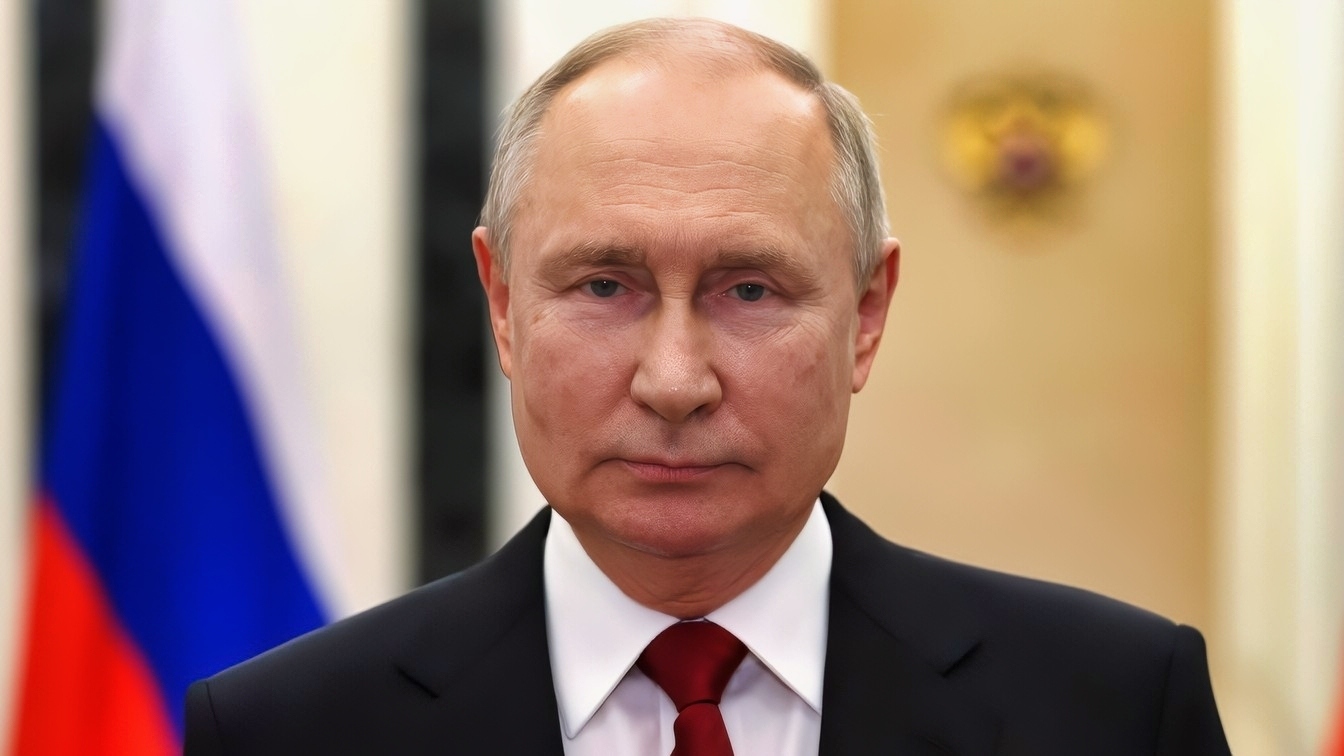
Last week, Russian President Vladimir Putin acknowledged that Ukrainian strikes are “causing us damage,” but said Russia would recover quickly and escalate its own attacks on Ukrainian infrastructure.
About the Author: Steve Balestrieri
Steve Balestrieri is a National Security Columnist. He served as a US Army Special Forces NCO and Warrant Officer. In addition to writing on defense, he covers the NFL for PatsFans.com and is a member of the Pro Football Writers of America (PFWA). His work was regularly featured in many military publications.


