

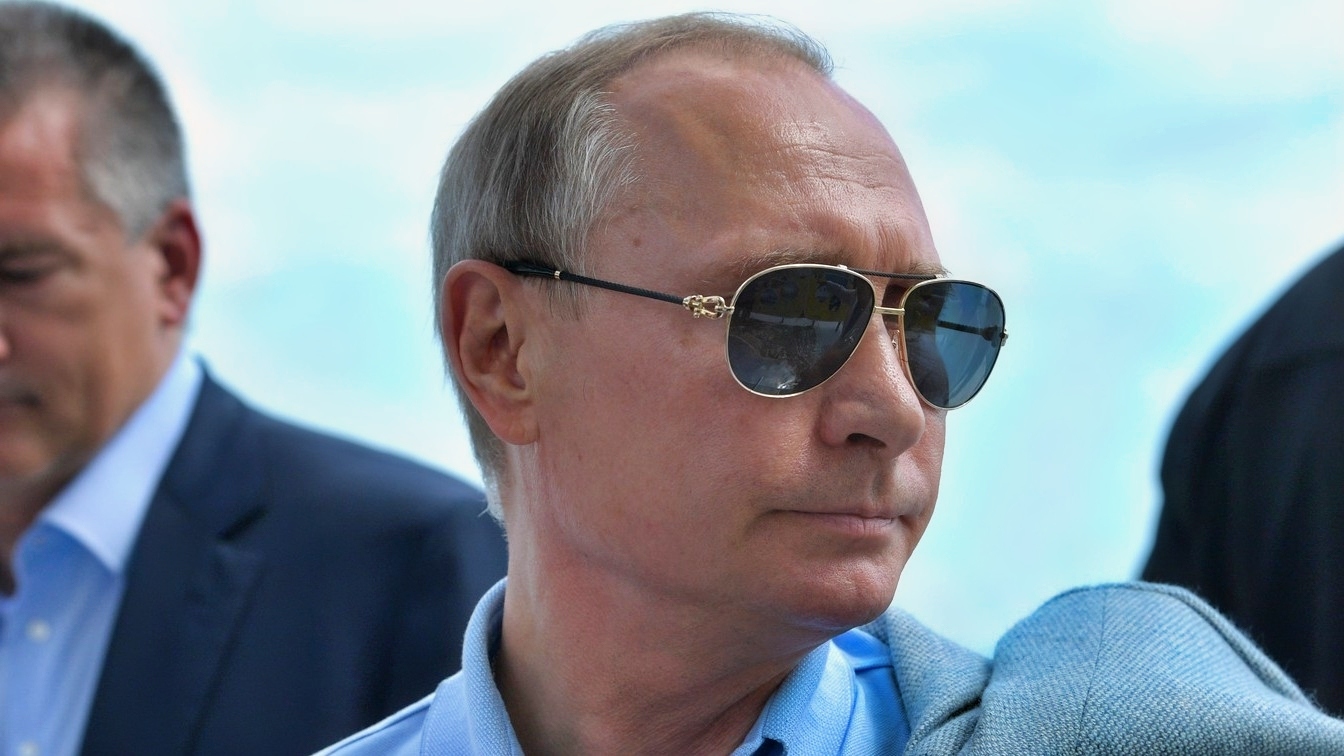
Pompano Beach, Florida – Russian President Vladimir Putin’s paranoia is once again on full display. As rumors continue to mount about plans being hatched to remove him from power and as plots to assassinate him gain more credibility, the former KGB Lt. Col. is making, as they say, “the appropriate adjustments.”
When Putin makes one of his heavily scripted, fully controlled public appearances in locked-down locations, the organization charged with safeguarding him is the Federal Protective Service (FPS). The organization as a whole comprises tens of thousands of people – some estimates put the number as high as 50,000 – all of whom serve the cause of protecting the Russian president and his inner circle.
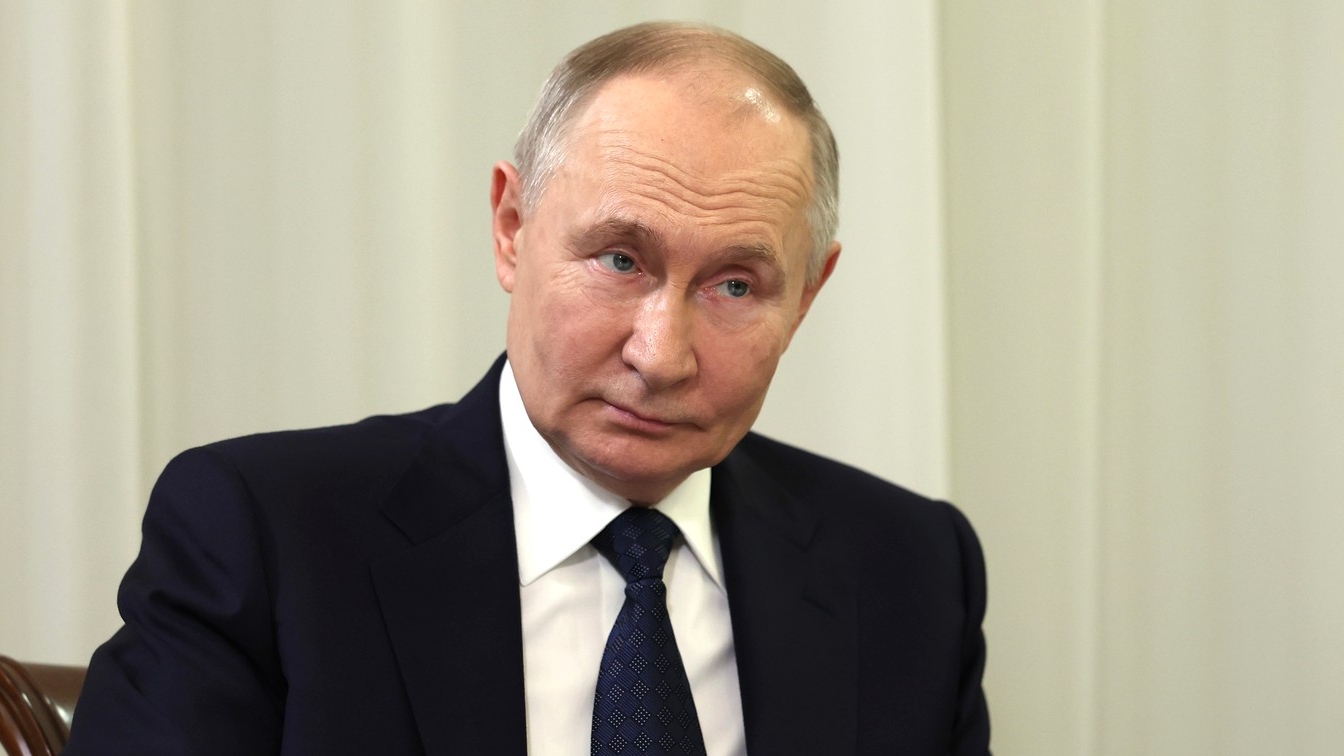
Putin in 2024 Image Credit: Russian Federation
But most of those 50,000 are not bodyguards, marksmen, or professional special-agent types.
The bulk of the payroll is composed of assistants, housekeeping staff, drivers, cooks, communications technicians, physicians, and medical staff. Almost any possible service that the great dictator might require is provided by someone working for this organization. All of them are also specially cleared to be trusted to be within proximity to him.
What is changing slightly now is that – for the fourth time since the beginning of the February 2022 invasion of Ukraine – the cap on the number of personnel in his personal security detail is being raised.
Increased Personal Protection
A draft decree has now been published on Russia’s official portal for proposed legislation that would raise the maximum number of military and civilian personnel assigned to the FSO’s central staff. That number will now increase from 785 to 812, according to the independent Russian outlet Verstka. The change is now set to take effect as of today, 1 July.
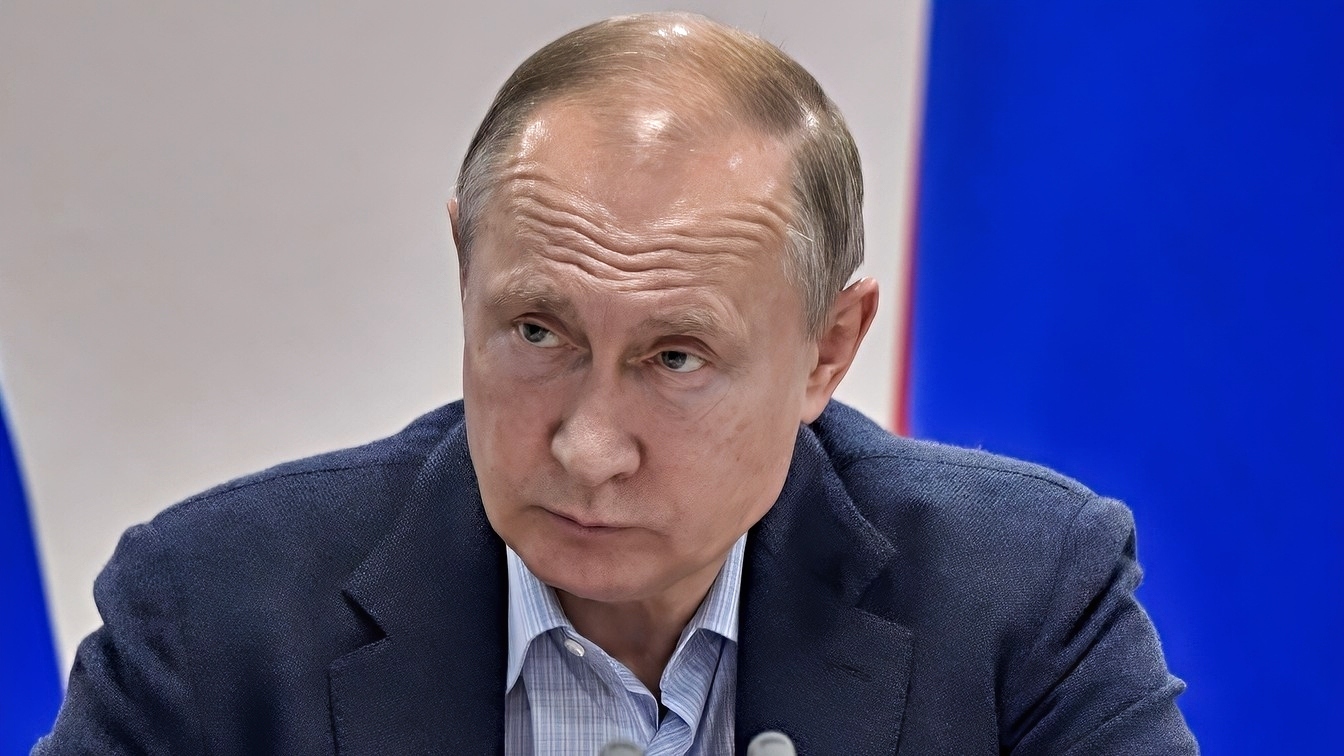
Putin in July 2019 Russian Federation Photo
This increase will be the fourth expansion of the FSO’s central staff since the Ukraine war began. At the end of 2022, Putin had raised the staff level from 725 to 760. Then, in January 2024, he approved two subsequent increases.
The first of those raised the service personnel level to 775, effective from 1 January 2024, followed by another increase to 785, implemented on 1 January 2025. Before 2022, the FSO’s central staff had not seen a single increase in nearly 13 years.
These expansions in the protective service force level apply to the special FSO unit responsible for Putin’s personal protection. These officers not only accompany him on trips and guard the facilities and his residences, but they also are in charge of special communications for the president. Additionally, they monitor public opinion and the political situation, among other activities.
Some of the protective staff – perhaps not surprisingly – are also charged with ensuring that spoiled or poisoned dishes are not prepared for the head of state. FSO personnel also taste any food or drink first: “Before the food is served, we try everything. We sample it, and each of us is responsible,” said one former Russian officer who worked for the service.
Strict requirements apply not only to food but also to the surrounding environment. One FSO officer, while showing the Our Service film crew around the Novo-Ogaryovo residence, mentioned that Putin prefers “a specific temperature regime” and “no drafts anywhere.”
A State Within A State
According to the investigative outlet iStories, the agency’s influence has increased exponentially over the 4 and a half years of the war: The FSO’s officers’ consistent proximity to Putin, plus the sensitive information they gather on senior officials, makes them the most valuable intelligence asset at Putin’s disposal.
They have become practically a state within a state
Russian independent media have followed the FSO’s growing influence throughout the war and chronicled its transformation into one of the most powerful entities operating inside the Kremlin. Due to Putin’s paranoia, the war continuing for far longer than originally planned, and the suspicions that there are those who would like to remove him, the Russian leader ordered up a set of increasingly restrictive and intrusive protocols for those who are serving in the FSO.
Constant threats from long-range drones and fears of a potential coup or an assassination are, according to European intelligence assessments, behind a raft of new rules for those who are at Putin’s side or in his presence. These restrictions include their being forbidden from using mobile phones or other internet-connected devices, or even making any use of public transport. They have also had security systems installed inside their homes to monitor them.
Putin has striven to project the image of a man always in control and to present his Special Military Operation (SVO) as still going according to plan.
But the fact is that there are more signs every day that his authority is slowly deteriorating, and fewer people still believe the myth that he is in charge and has a plan for victory. Should these trends continue, it is quite likely that this will not be the last time the Russian leader decides to add more staff to his special protection detail.
About the Author: Reuben F. Johnson
Reuben F. Johnson has thirty-six years of experience analyzing and reporting on foreign weapons systems, defense technologies, and international arms export policy. Johnson is the Director of Research at the Casimir Pulaski Foundation. He is also a survivor of the Russian invasion of Ukraine in February 2022. He worked for years in the American defense industry as a foreign technology analyst and later as a consultant for the U.S. Department of Defense, the Departments of the Navy and Air Force, and the governments of the United Kingdom and Australia. In 2022-2023, he won two awards in a row for his defense reporting. He holds a bachelor’s degree from DePauw University and a master’s degree from Miami University in Ohio, specializing in Soviet and Russian studies. He lives in Warsaw.


