
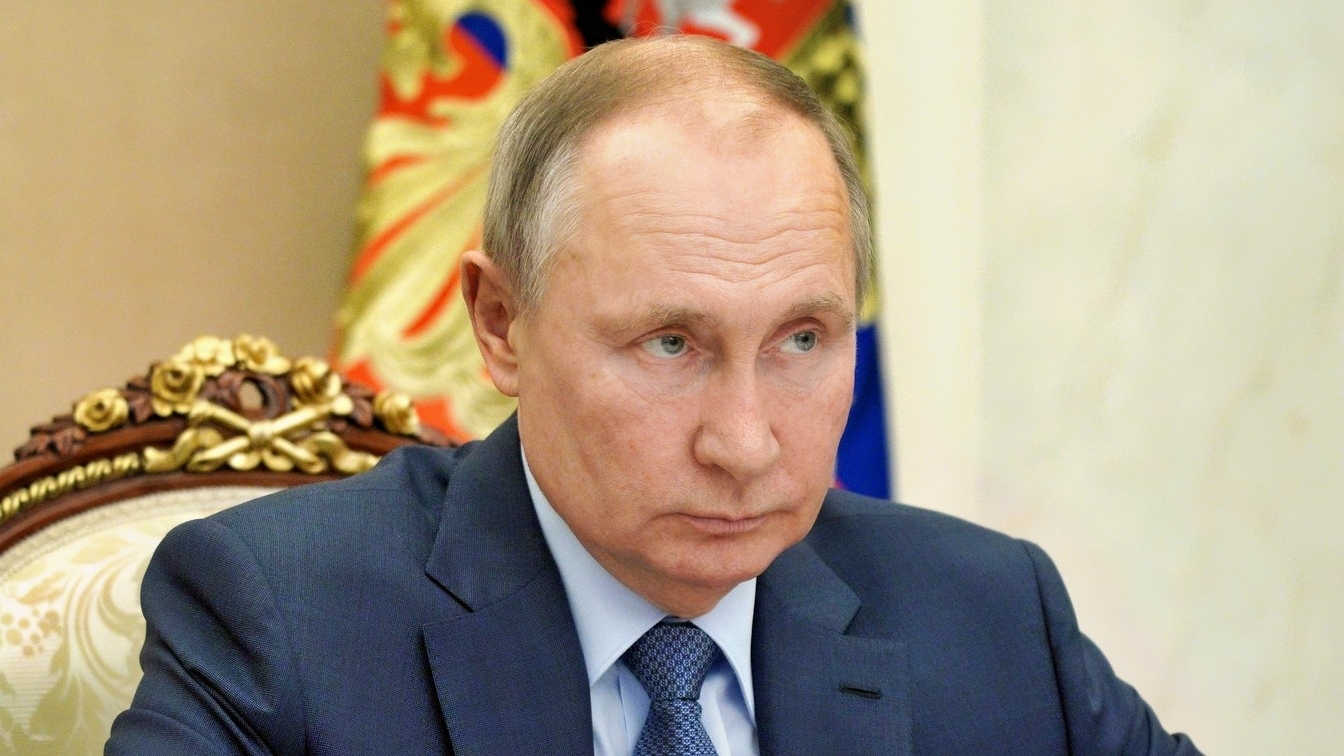
Putin Is Under Pressure At Home: Ukraine’s long-range strikes against Russia continued overnight, with drones and missiles hitting more energy infrastructure. This time, an oil terminal near St. Petersburg was hit, igniting a major fire and causing explosions that were recorded and shared online. Additional attacks hit power infrastructure in the Belgorod region and military facilities supporting the war effort. It’s just the latest round of attacks in an ongoing Ukrainian barrage that is forcing Moscow to rethink how it fights this war.
And for Russian President Vladimir Putin, the strikes are much more than a minor military setback – they are eroding the Kremlin’s promise that ordinary Russians could continue living their lives largely unaffected by the conflict, and that Ukraine’s Donbas region would be reclaimed and liberated from “Nazis” in Kyiv.
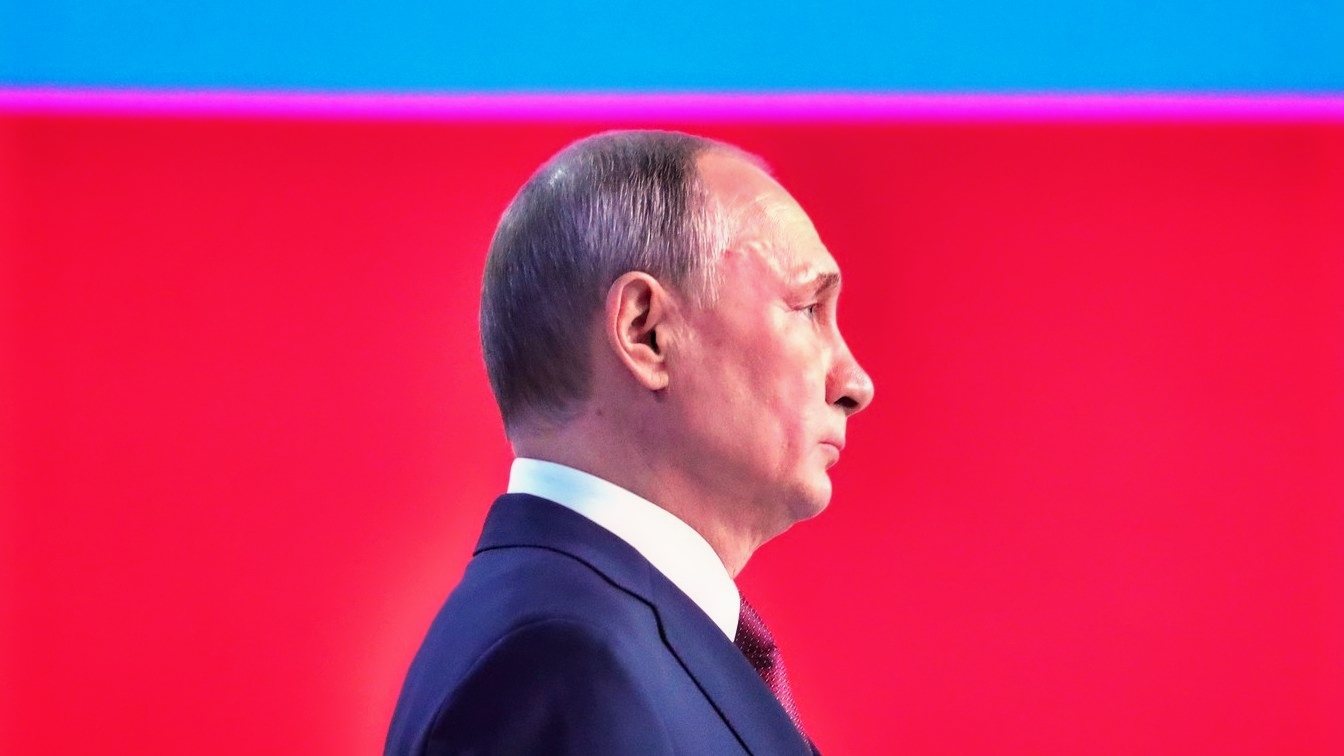
Putin Speaking to Large Crowd in 2019 Russian Federation Photo
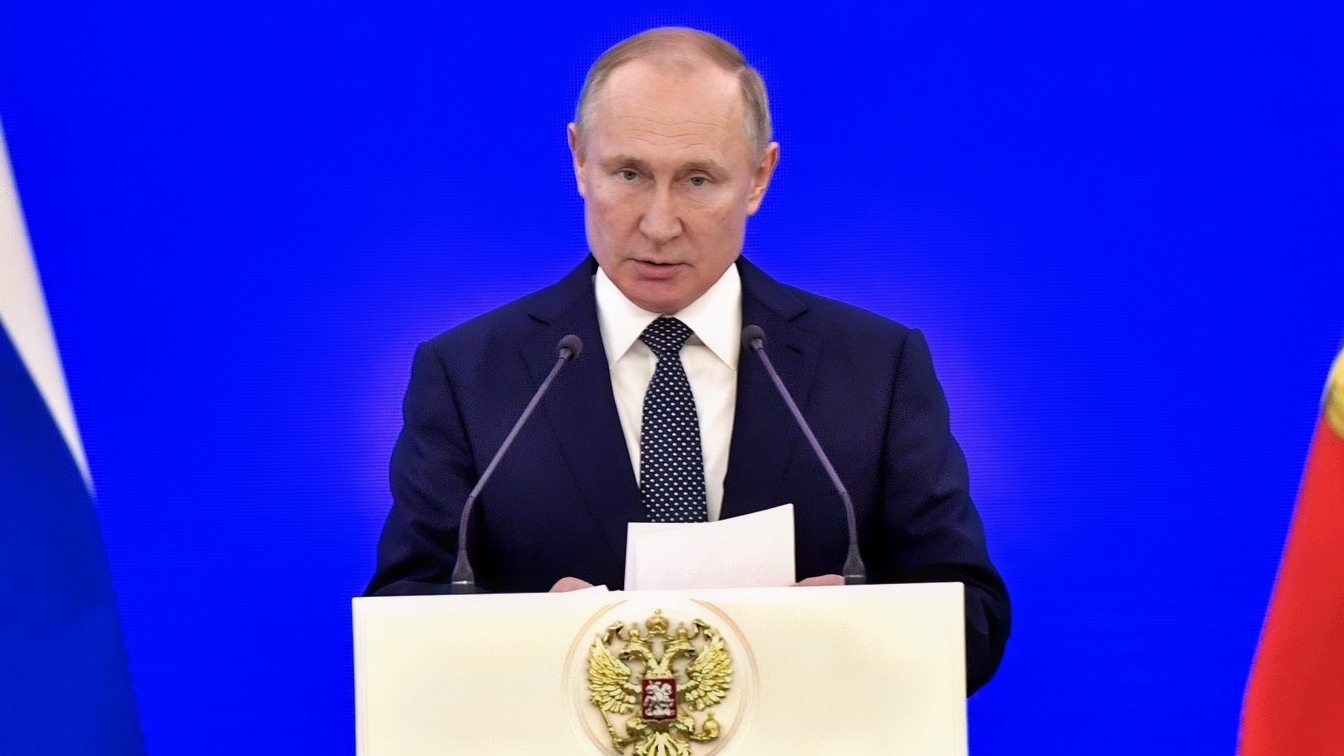
Putin Back in 2019 Russia Federation Photo
But now, fuel shortages and power disruptions are disrupting regular Russian citizens’ lives; repeated airport closures are also causing problems, and frequent drone attacks are taking out critical infrastructure that supports the country’s wartime economy.
And as the damage mounts, Putin is facing growing pressure not only from military commanders and professionals across various industries, but from Russian citizens who fear the conflict will bring even greater hardship to their own towns.
Ukraine Expands Long-Range Campaign Overnight
Ukraine’s overnight strikes hit the St. Petersburg Oil Terminal in the city’s Kirovsky District on the Baltic Sea, one of Russia’s most important fuel export facilities. Strikes also targeted military infrastructure on Kronstadt Island, home to elements of Russia’s Baltic Fleet.
St. Petersburg Governor Alexander Beglov said that the region had come under a large-scale drone attack and claimed that Russian air defenses intercepted 72 Ukrainian drones over the city and the surrounding Leningrad region. Several projectiles, however, penetrated the defenses and reached the targets.
Russian officials also confirmed that the overnight attacks left much of the Belgorod border region without electricity after power infrastructure was damaged.
Ukrainian President Volodymyr Zelenskyy once again described the operation as “long-range sanctions” against Russia.
“Last night, our Ukrainian long-range sanctions against Russia over this war reached targets near St. Petersburg. Ukraine’s Defense Forces struck port oil infrastructure that generates revenue for Russia’s war, and there were also successful strikes on Kronstadt – an important military target. The distance from Ukraine’s state border is more than 850 kilometers,” Zelenskyy wrote on X.
What Russians Are Saying
A report from The Hill offers a detailed look at some of the criticism and pressure the Russian president is facing at home, citing Russian citizens living in exile, Russian finance executives, and analysts. Those with deep knowledge of life as Russian citizens reveal how recent long-range Ukrainian strikes into Russian territory are changing how people see the war and making it visible to many people for perhaps the first time.
Russian economist Vladimir Milov, who today lives in exile, told the outlet that Russia has reached a make-or-break stage in the conflict, with attacks now taking out energy infrastructure and plunging cities into darkness.
“It is a crisis,” Milov said. “What we are seeing right now is an extreme acceleration of public admissions that we are in trouble.”
The report also cited German Gref, the head of Russian bank Sberbank, who is one of the most high-profile Russian elites to come out in opposition to continuing the war. Speaking on Russian television earlier in the year, Gref said that he does not believe there is a single person in Russia who is not concerned about “anything other than a rapid end of hostilities.”
The Polls Are Shifting
While there is little evidence that Putin is facing the prospect of an immediate coup, recent polling suggests that public confidence is beginning to erode as the costs of the war become harder to ignore. According to the independent Levada Center, Putin’s approval rating dropped from 79% to 74% in June – the biggest monthly decline since Russia launched its full-scale invasion of Ukraine in 2022.
At the same time, Russia’s economic prospects are worsening.
A Gallup survey published last week found that pessimism about the country’s economic outlook has reached its highest level in at least two decades.
Roughly 60% of Russians said that conditions in their local area are worsening, and 56% reported that their standard of living has declined. Confidence in the military also fell from 80% in 2022 to 66% today, with trust in the federal government dropping from 66% to 53%. The pressure is certainly piling on the Kremlin.
Importantly, the Gallup survey was actually conducted before Ukraine’s long-range strike campaign intensified and caused widespread fuel shortages and power outages inside Russia – so there’s no telling how low those numbers may be right now, or how low they will go in the coming weeks and months.
It’s make-or-break for Putin, and the world awaits his response to the crisis.
About the Author: Jack Buckby
Jack Buckby is a British researcher and analyst specializing in defense and national security, based in New York. His work focuses on military capability, procurement, and strategic competition, producing and editing analysis for policy and defense audiences. He brings extensive editorial experience, with a career output spanning over 1,000 articles at 19FortyFive and National Security Journal, and has previously authored books and papers on extremism and deradicalization.


