
“Moscow Will Fall” – The Overnight Strikes Just Got Worse – Overnight on July 2, Russia and Ukraine endured another night of long-range strikes overnight, with Moscow continuing its devastating aerial bombardments of Kyiv as Ukrainian forces struck more energy infrastructure in Russia and Russian-occupied territory. While Russia relied on overwhelming missile and drone strikes on Ukrainian cities, despite Moscow claiming the strikes targeted military sites, Ukrainian forces continued to target the fuel infrastructure that economically supports the war in Ukraine.
Rescue workers continued to search through the rubble in Kyiv on Friday following the Thursday night strikes, which killed at least 30 people and injured more than 90.

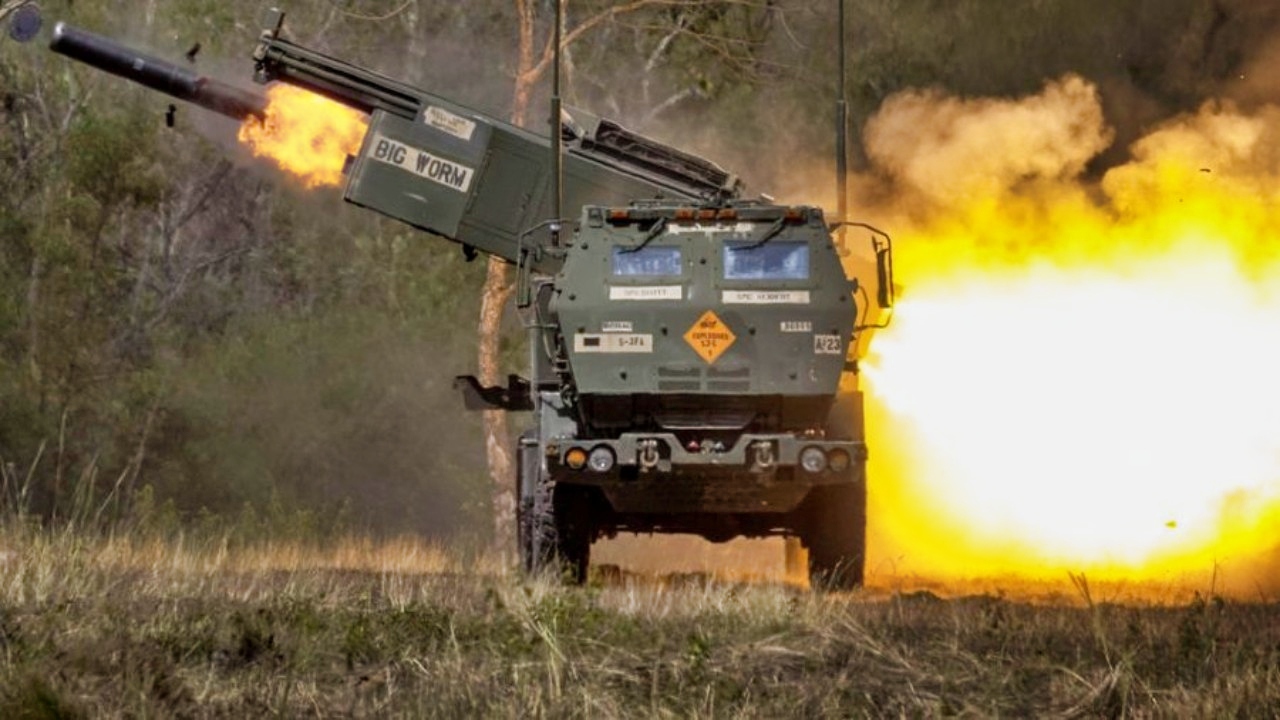
German soldiers assigned to Surface Air and Missile Defense Wing 1 fire the Patriot weapons system at the NATO Missile Firing Installation (NAMFI) during Artemis Strike Nov. 7 in Chania, Greece. Artemis Strike is a German-led multinational air defense exercise. German soldiers Over 200 U.S. soldiers and approximately 650 German airmen will be participating in the realistic training within a combined construct, exercise the rigors associated with force projection and educate operators on their air missile defense systems. (Photo By Officer Candidate Sebastian Apel, Air Defence Missile Group 24)
Russia’s Latest Assault
Russia’s latest assault saw 74 missiles and over 400 drones launched at Ukraine overnight, striking civilian infrastructure, scientific facilities, businesses, residential buildings and neighborhoods, and even emergency service infrastructure. It was one of the largest aerial attacks of the war.
The Ukrainian Air Force reported that it had intercepted the majority of the incoming drones and a large proportion of the missiles, but confirmed that dozens of projectiles penetrated the country’s air defenses. Ballistic missiles were the most difficult to stop – a point that Zelenskyy made in an address following the strikes, calling on Western leaders to speed up the delivery of promised air defense systems.
This week, Zelenskyy also said that he expects U.S. President Donald Trump to provide licenses for Ukraine to produce its own Patriot missiles – a move that could help the country arm itself and continue to supply its air defense units across its major cities.
The Kremlin has committed to continuing to escalate, too, with spokesman Dmitry Peskov announcing during his daily address that Moscow will increase military pressure until Russia’s objectives have been achieved.
“Russia will continue to increase pressure on the Kyiv regime in order to achieve the goals that have been set,” Peskov said after the first round of devastating strikes on Kyiv this week.
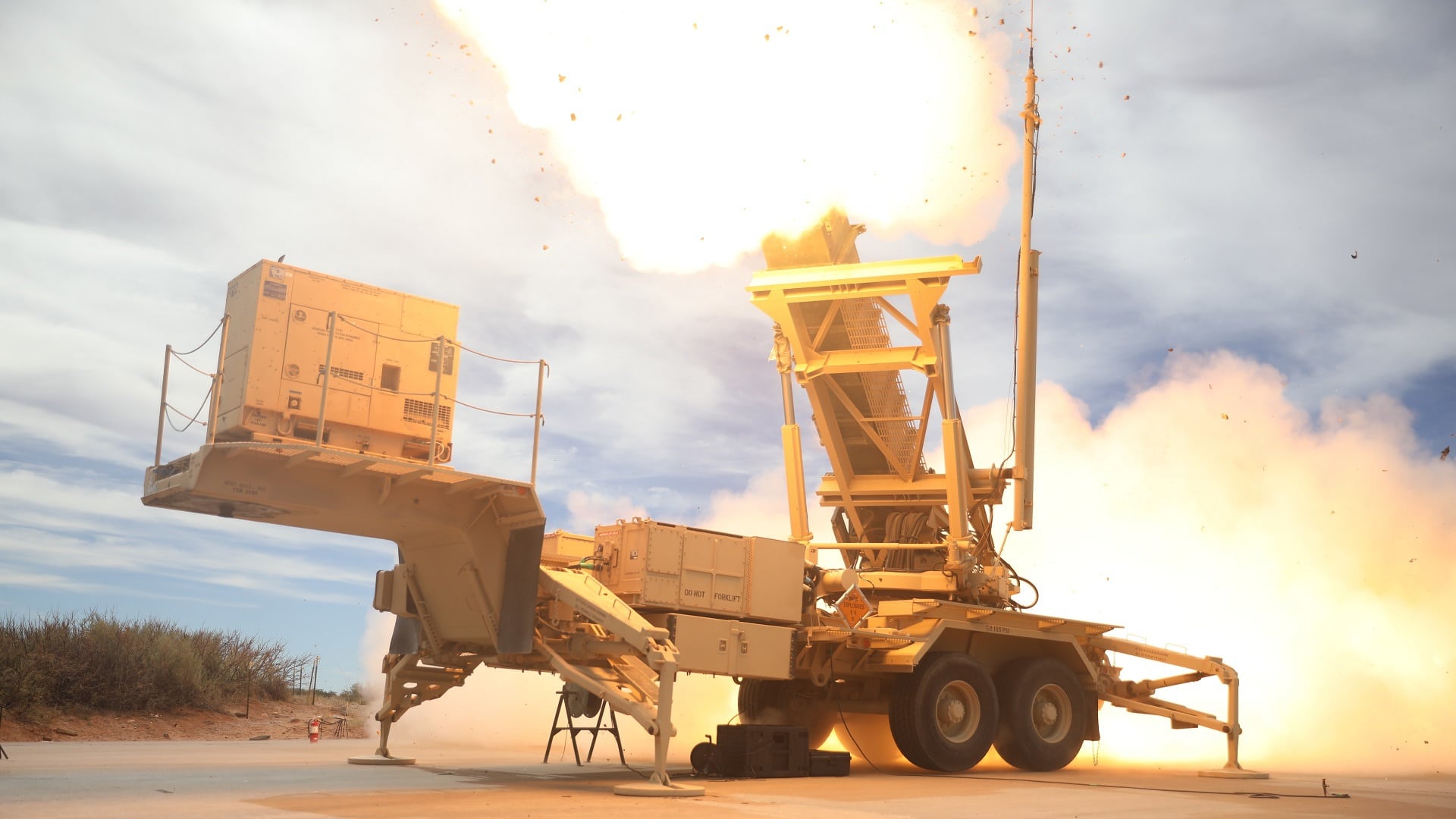
Patriot Missile. Image Credit: Creative Commons.
Ukraine Hits Crimea’s Energy Infrastructure
While Russian forces concentrated their firepower on Ukrainian cities, Kyiv continued to expand its campaign against Russian military logistics and energy infrastructure – and it did so successfully.
Robert “Madyar” Brovdi, the commander of Ukraine’s Unmanned Systems Forces, said Ukrainian drone units had struck 12 electrical substations and a gas distribution station during a 48-hour operation across the occupied peninsula. According to Brovdi, ten of those substations were located in Crimea, and additional facilities were also struck in occupied Donetsk and Luhansk. Ukrainian forces also targeted a Russian fuel depot in occupied Melitopol.
The operation is just the latest in a string of Ukrainian strikes on Russian infrastructure and part of what Zelenskyy has dubbed “long-range sanctions” designed to increase the cost for Russia of continuing the conflict.
“Moscow Will Fall”
Brovdi, in his Telegram statement, warned that more Ukrainian strikes were coming – and even indicated that Russia’s capital city may become the target of the strikes next.
While strikes have so far damaged oil refineries and infrastructure in the nation’s capital, Ukrainian strikes have largely focused on strategic targets throughout European Russia. But according to Brovdi, Moscow could soon be hit so badly that the city could “fall.”
“What a moonlit, starry, clear night…Moscow will fall,” the closing sentence of his statement reads.
The remark was not accompanied by any direct indication of a new assault on the Russian capital itself, but it does seem to reflect growing confidence within the Ukrainian military that sustained attacks against Russian logistics and military-industrial complexes can weaken Moscow’s ability to sustain the war.
Moscow’s response, including its efforts to secure foreign fuel imports to fill domestic gaps, proves that Kyiv is right to be confident.
The comments also reflect the same sentiment expressed earlier this week by Ukrainian Defense Minister Mykhailo Fedorov.
On July 1, Fedorov said that the frequency of Ukrainian drone and missile strikes on occupied Crimea marks a “new technological stage of the war” and said that Russia is now facing “one crisis after another.”
Mounting Logistical Problems in Crimea
During Fedorov’s recent comments, he described how Crimea was turned into a “military base for the Russians,” which allowed them to occupy southern Ukraine and transfer forces to the east. He said that, as a result, Crimea became an important target for the Ukrainian military.
In recent weeks, strikes in Crimea have been so devastating that they forced the evacuation of children from summer camps, recommendations from the government to avoid travel to the region, the rationing and later the total ban on fuel sales to civilians, and blackouts across half of the region. On Friday, reports described how Russian military hardware and documents were being removed from the peninsula.
According to the pro-Ukrainian resistance movement ATESH, Russian officials in the cities of Feodosia and Kerch in Crimea have been ordered to urgently evacuate all official documents and equipment before July 3.
Per ATESH, the directive was issued by Russian authorities in the peninsula, and that some Russian officials in Crimea with access to government fuel supplies had suddenly taken medical leave or requested vacation time before leaving for Krasnodar Krai.
While the claims cannot be independently verified, the news suggests that Ukrainian strikes in the region are placing immense pressure on Russian forces. They could also indicate that Russia is looking at a possible strike from the north as its logistics in the south come under heavy and constant fire from the Ukrainians.
About the Author: Jack Buckby
Jack Buckby is a British researcher and analyst specializing in defense and national security, based in New York. His work focuses on military capability, procurement, and strategic competition, producing and editing analysis for policy and defense audiences. He brings extensive editorial experience, with a career output spanning over 1,000 articles at 19FortyFive and National Security Journal, and has previously authored books and papers on extremism and deradicalization.


