

According to a classified report authored by the intelligence service of an unspecified European nation, Russia risks an “explosive” banking crisis by continuing to prosecute the war against Ukraine. At its foundation, the potential for this crisis is growing as lenders now shoulder much of the burden of the country’s war economy.
The timing of the report’s findings – which have been seen by the Reuters news agency – being leaked is also the source of some speculation. This is partly due to the European Union now preparing a new round of sanctions targeting specific sectors of Russia’s war economy.
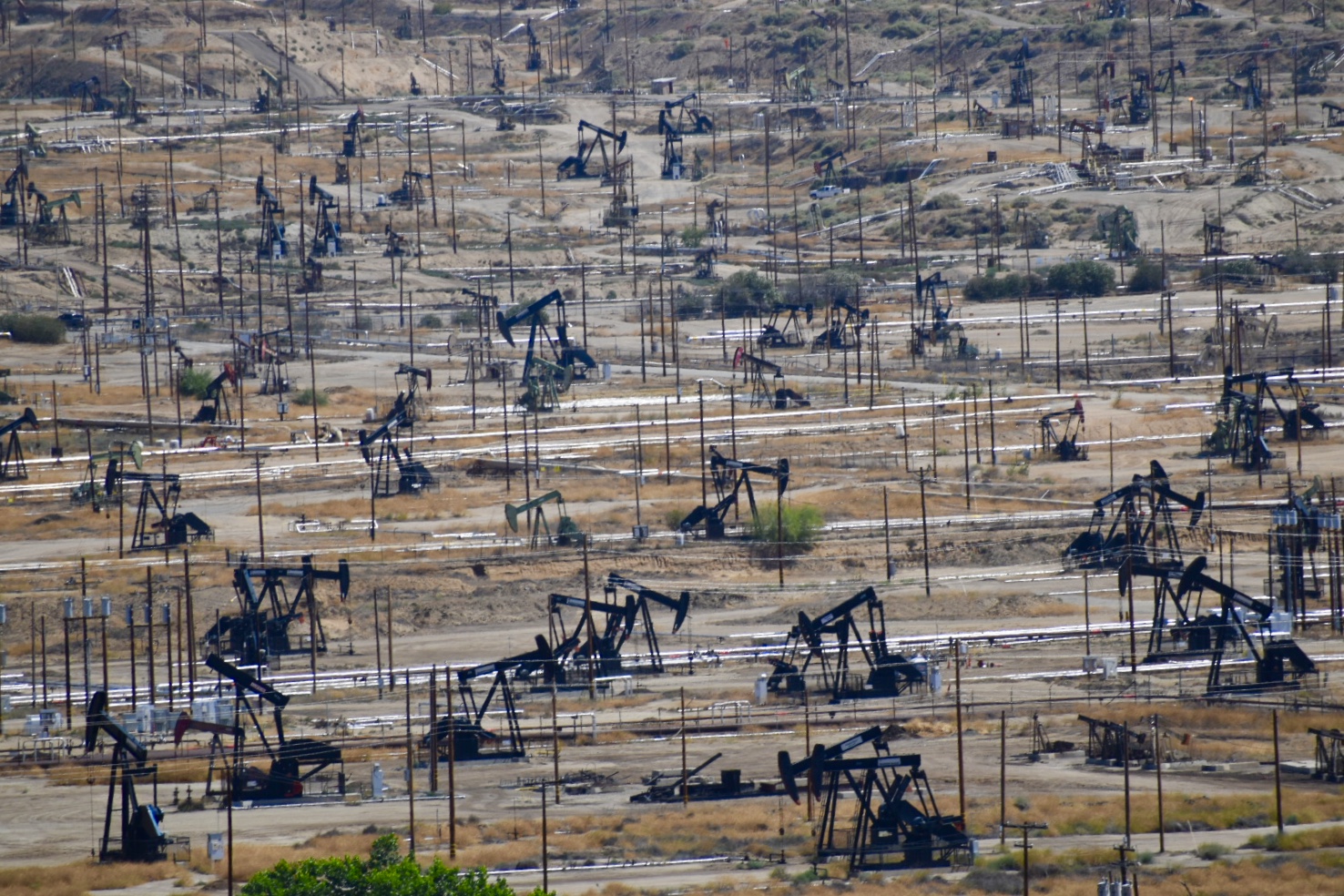
Oil fields. Image Credit: Creative Commons.
The report that is dated June 2026 itself is reported to be short – only two pages in length – which is more the format of an intelligence briefing that provides a snapshot in time rather than an in-depth analysis, said one former intelligence official.
The same official, whose responsibilities had at one time included assessing the resilience of Russian banks to the storm caused by increasing sanctions, also pointed out that the timing of the report was somewhat less than coincidental.
On the surface, this intelligence service document was prepared in recent weeks to supposedly inform European leaders about the deteriorating condition of Russia’s banks. It specifically addresses how vulnerable they might be at this point if even more draconian Western sanctions were imposed, limiting their ability to borrow to maintain their liquidity.

Generic Oil Tanker Image. Image Credit: Creative Commons.
Alliances and Coincidences
“We need to remember a couple of facts here,” said the former intelligence official. “One is that tomorrow, 7 July, begins the two-day NATO summit in Turkey’s capital, Ankara,” he said. “The NATO allies are looking for signs that if they push even harder in supporting Ukraine and tightening the screws on Russia’s ability to keep its military machine running that [Russian President Vladimir] Putin will not see his existence threatened to the point that he would push the nuclear button.”
“But there are some NATO members who are afraid that if the West does not take action now when Russia is at its most vulnerable point since the Ukraine war began in 2022 that Moscow’s economy will not collapse and thereby end the war,” he explained. “However, there are other NATO nations that are equally concerned about what might happen if Russia’s banking system did go under.”
So far, Russia’s banks have managed to survive the sanctions that have been imposed on them since the 2022 invasion of Ukraine. But the June report now concludes that deteriorating loans and the growing household indebtedness in Russia combine to create an “explosive” risk. The sanctions, now part of the EU’s 21st package of economic embargoes, strike at the heart of Russia’s growing vulnerability by targeting banks and cryptocurrency networks.
“That this report is being leaked now as the NATO summit opens – as the alliance members are set to make major decisions on continuing support for Ukraine and about raising their own levels of defense spending. That this is all happening at the same time is definitely no accident,” said the same official.
Costs of The War, But No Comment
The intelligence report is titled “Note on the probability of a banking crisis in Russia in 2026”, and it concludes that the impending crisis was manufactured when Russian banks were pressured to agree to subsidized loans to defense companies, homebuyers and others. It highlighted that Russian state-backed credit programs, loan restructurings and government support were being used to paper over the indications of the banks’ vulnerability.
“The situation creates the illusion of a dynamic economy that, in reality, conceals an explosive situation which an economic shock, such as an ambitious package of sanctions against banks … could trigger,” reads the report.
The Russian central bank has not yet commented on the intelligence assessment. But recently the bank’s officials have sought to downplay the possibility that Russia could fall into a major banking crisis.
But the amount of cash held outside banks by a Russian population distrustful of these lending institutions has grown by more than 17 percent year-on-year to over 19 trillion roubles (US$ 243 billion) to date, according to central bank data. This creates additional pressure within Russia’s banks, which have to then rely on deposits to fund lending.
“All major banks are already under sanctions … and when they were introduced in 2022, there was stress,” Taras Skvortsov, the chief financial officer of Russia’s largest bank, Sberbank, told Reuters when the report’s conclusions were released.
“By 2026, everyone has become so used to it. Many clients of the sanctioned banks do not even know about sanctions,” he continued.
But Russia’s second-largest lender, VTB, now intends to boost its reserves, its first deputy CEO told Reuters last Friday. This is being done to protect the bank against higher fuel prices and potential loan losses from defaults.
About the Author: Reuben F. Johnson
Reuben F. Johnson has thirty-six years of experience analyzing and reporting on foreign weapons systems, defense technologies, and international arms export policy. Johnson is the Director of Research at the Casimir Pulaski Foundation. He is also a survivor of the Russian invasion of Ukraine in February 2022. He worked for years in the American defense industry as a foreign technology analyst and later as a consultant for the U.S. Department of Defense, the Departments of the Navy and Air Force, and the governments of the United Kingdom and Australia. In 2022-2023, he won two awards in a row for his defense reporting. He holds a bachelor’s degree from DePauw University and a master’s degree from Miami University in Ohio, specializing in Soviet and Russian studies. He lives in Warsaw.


